The Time When Bad Axe Almost Lost Its Name
In 1909 the Michigan state legislature changed the name of Bad Axe to Huron subject to a referendum of the voters of the city. That vote has yet to happen.

News History & Fun in Michigan

This tag hints at articles and stories about Michigan history and the Michigan Thumb region. Michigan was part of the Northwest territory, and starting in 1815, the fur trade and influx of settlers and land speculators began.
By the time Michigan became a state in 1838, much of the southern third was already cris-crossed with improved Indian trails and initial roads. In a few short years, the lumbering era would begin, followed by the agriculture growth resulting from the cleared land.
In 1909 the Michigan state legislature changed the name of Bad Axe to Huron subject to a referendum of the voters of the city. That vote has yet to happen.
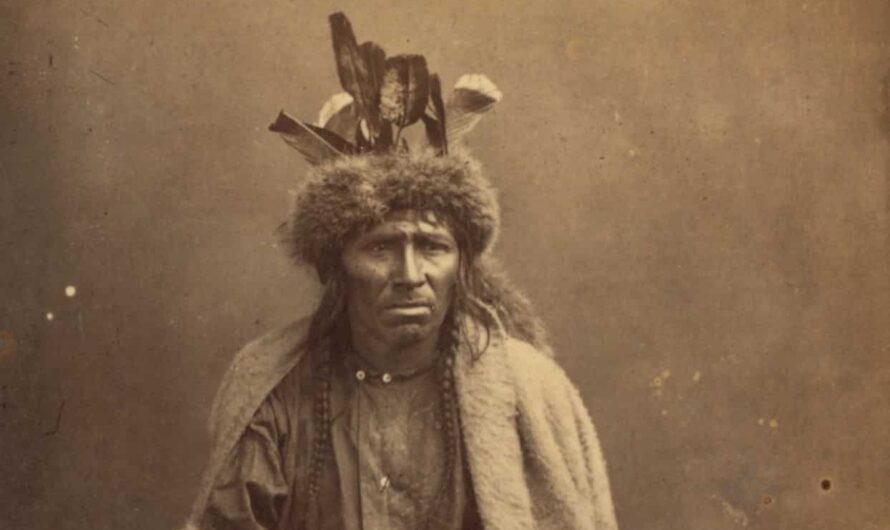
Experience the profound legacy of Native American tribes in Michigan. Their vibrant cultural heritage echoes in every corner of the state, from the thriving agriculture to the dynamic art scene. We discovered Native American collections in nine Michigan museums that are worth a visit.
The times of greatest shipbuilding in the Great Lakes region was during the lumbering era. From 1839 until the early 1890s, the virgin old-growth Michigan forests were cut down to produce lumber for growing towns and cities in the lower Great Lakes. Michigan was the nation’s leading lumber producer from 1869 until about 1900. The only way to transport finished milled lumber from the shore side mills in the Great Lakes was by ship.
In the 1920s, there was a flurry of archaeological activity in Michigan to record and catalog Native American villages, garden beds, and burial mounds. As a result, the entire Saginaw Valley has 100s of identified sites. The identification, and looting, of Indian artifacts from burial mounds, was a common occurrence.
Archives of Michigan is now in possession of a collection of Ora Labora letters written in English and Old German by Emil and Bertha Baur and other family members. They were found in Cincinnati in 1974 and sent to the Historical Society of Michigan in 2018. They are in process of being prepared for availability online
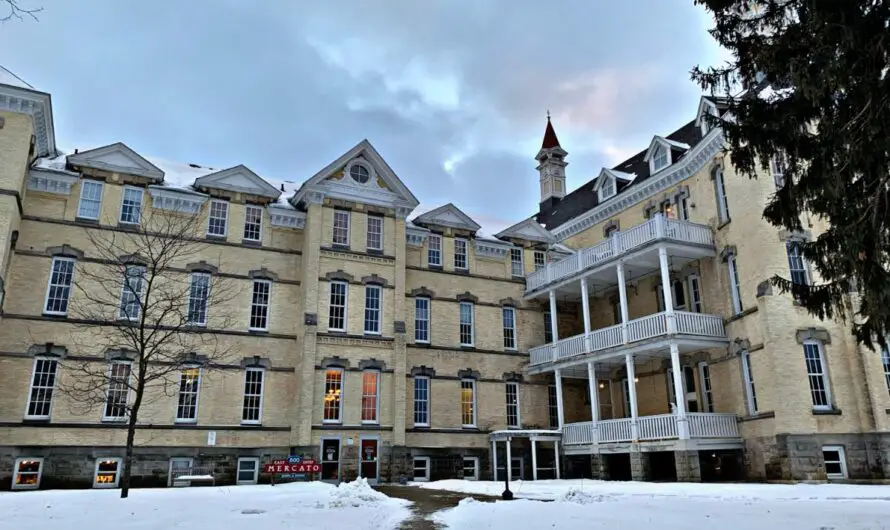
The Village at Grand Traverse Commons, once known as the Northern Michigan Asylum, is the perfect getaway after a long winter. One of the last “Kirkbride” buildings in the world.
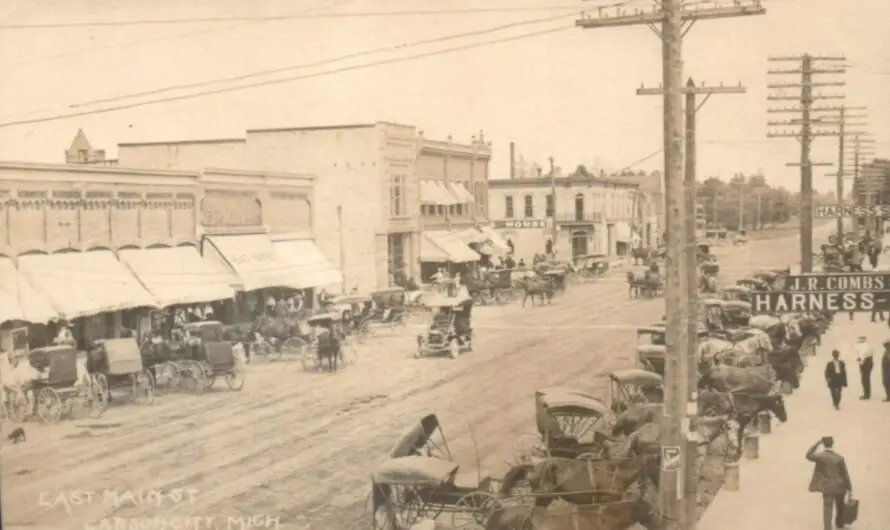
Postcards are a window into the past. In the early 1900s, sending a postcard was like sharing a Facebook post. It seemed like everyone was doing it. We found some great examples of vintage postcards of Michigan small towns worth a quick peek.
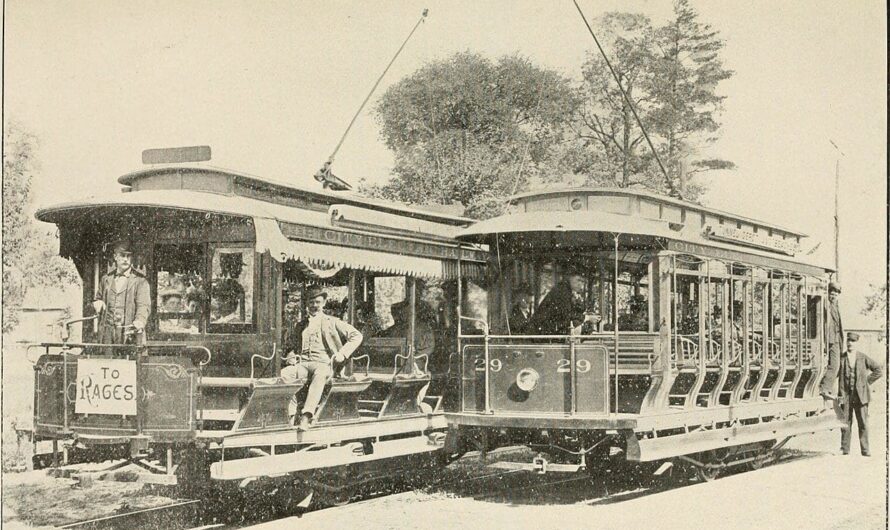
It seems we have rediscovered what electric service can do. Many of our Great-Great Grandparents envisioned and used an advanced transportation system using electric trains. These small city-to-city or city-to-beach routes will mirror the services that autonomous vehicles are anticipated to do.