Rainy Day Things to Do in Caseville & Michigan’s Thumb
Weather patterns in Michigan’s Thumb are notoriously fickle. A sudden squall off Lake Huron can turn a Caseville beach day into a washout in minutes,…
News History & Fun in Michigan
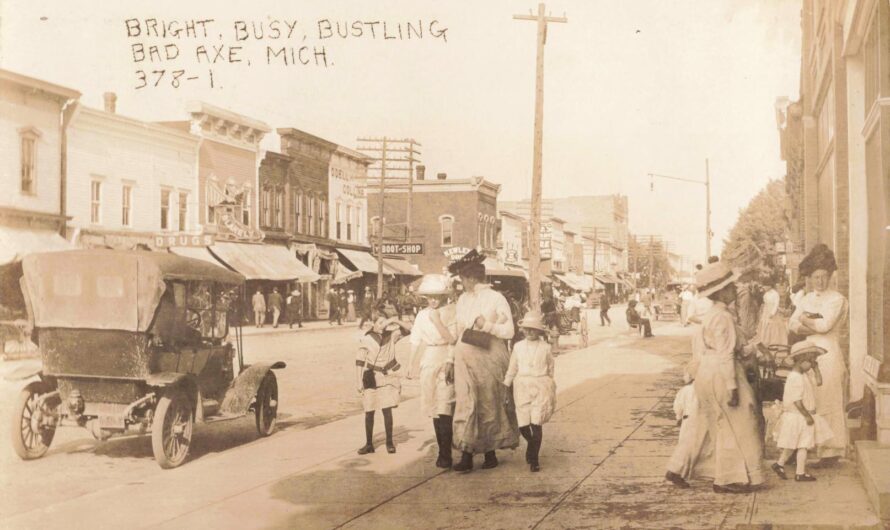
Bad Axe is the largest city in Huron County, Michigan. Located near the center of the Thumb, it’s the county seat.
Weather patterns in Michigan’s Thumb are notoriously fickle. A sudden squall off Lake Huron can turn a Caseville beach day into a washout in minutes,…
In 1861, surveyor Captain Rudolph Papst stumbled upon a discarded, rusted tool at a deserted hunting camp and decided the site needed a name. He…
Long before Michigan had county seats and surveyed townships, Native communities had villages, fishing stations, sugar camps, farm fields, trade routes and ceremonial places across the Great Lakes. The record is especially rich around Saginaw Bay and the Thumb.
Huron Community Fair 2026 returns to Bad Axe Aug. 9-15 with livestock shows, rides, live music, ATV racing, truck races and a Saturday rodeo. BAD AXE, Mich. — The Huron Community Fair returns to Bad Axe this weekend with something noticeably …
A 15-year-old boy died after his e-bike struck a cable across a business driveway in Verona Township. Police said the riders had no lights and were traveling faster than 25 mph.
Bad Axe grew from a rough lumber settlement into the center of Michigan’s Thumb. This Michigan Moments feature looks at the railroad era, downtown businesses, fairs, farming, and local legends.
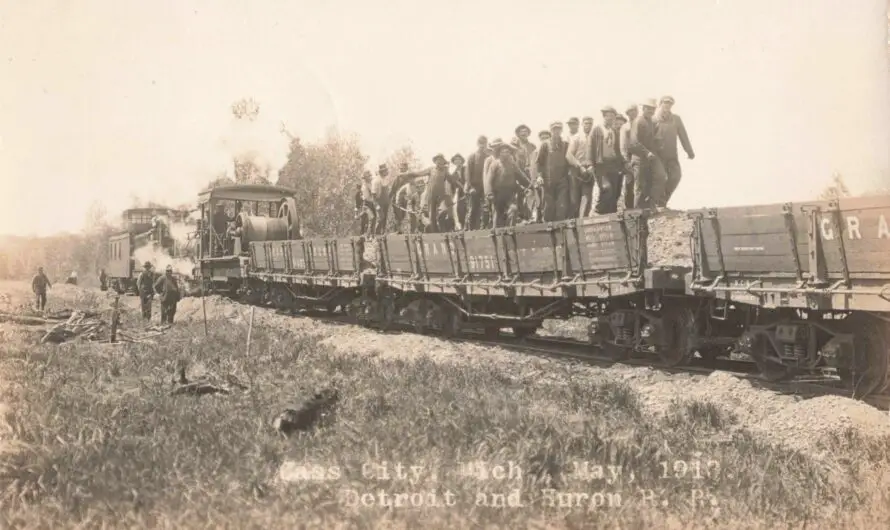
The Detroit and Huron Railroad opened in 1913, linking Cass City and Bad Axe. Once vital to Michigan’s Thumb, it ran its final train in 1951 before fading into history.
Michigan disc golf is now solidly established in the Upper Thumb region. These eleven courses vary from practice to tournament caliber.
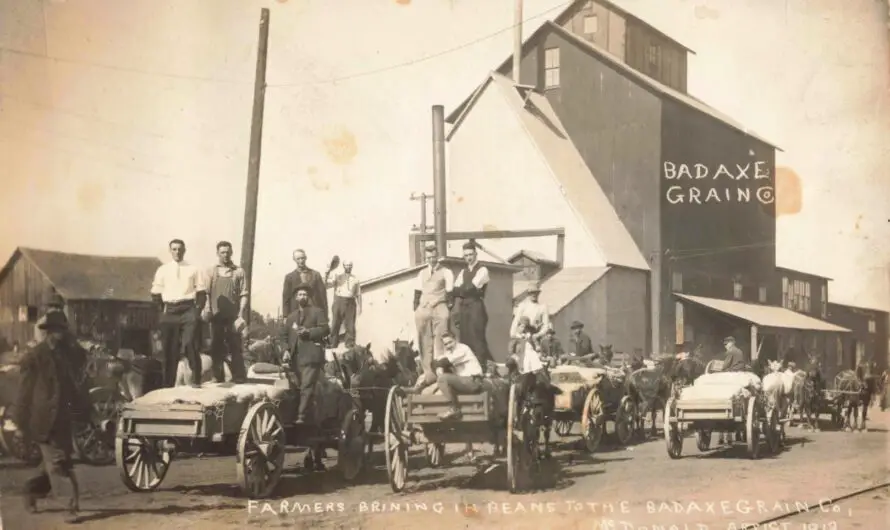
Photograph shows farmers bringing bean harvest by horse?drawn wagon to the Bad Axe Grain Company around the 1910s. Reflects the rise of grain elevator infrastructure that supported Michigan’s rural economy.
An early-1900s photo captures the Bad Axe chicory plant tied to the railroad and regional farms. Operated by E. B. Muller & Co., it supported Michigan’s coffee-substitute trade in the first half of the 20th century.