 by
by 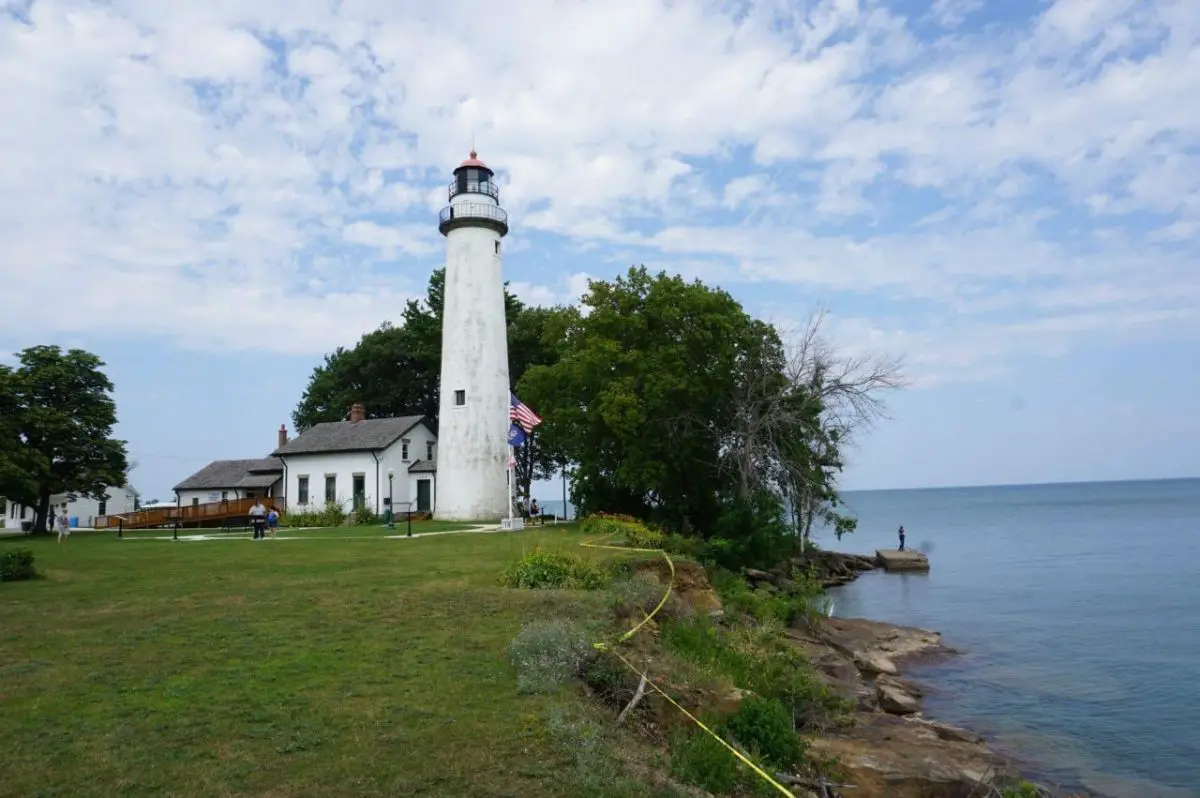
Michigan’s shoreline is lined with historic beacons, but one of the most overlooked stories is the role of women who kept those lights burning. The first female lighthouse keeper in Michigan, Catherine Shook, took charge at Pointe Aux Barques in 1849 under difficult conditions.
Her story reflects a broader pattern across the Great Lakes, where women stepped into demanding federal roles long before most professions were open to them.
Catherine stepped into this critical role under tragic circumstances. In 1849, following the untimely death of her husband, Peter Shook, Catherine took over the responsibilities at the Pointe Aux Barques Lighthouse in Michigan’s Thumb region. Despite facing immense personal loss, the burden of raising eight children, and the daily challenges of lighthouse-keeping.
Michigan’s shoreline is rich in Michigan lighthouse history, with many stories preserved in our Michigan Moments series.
Michigan’s First Woman Lighthouse Keeper was in the Thumb
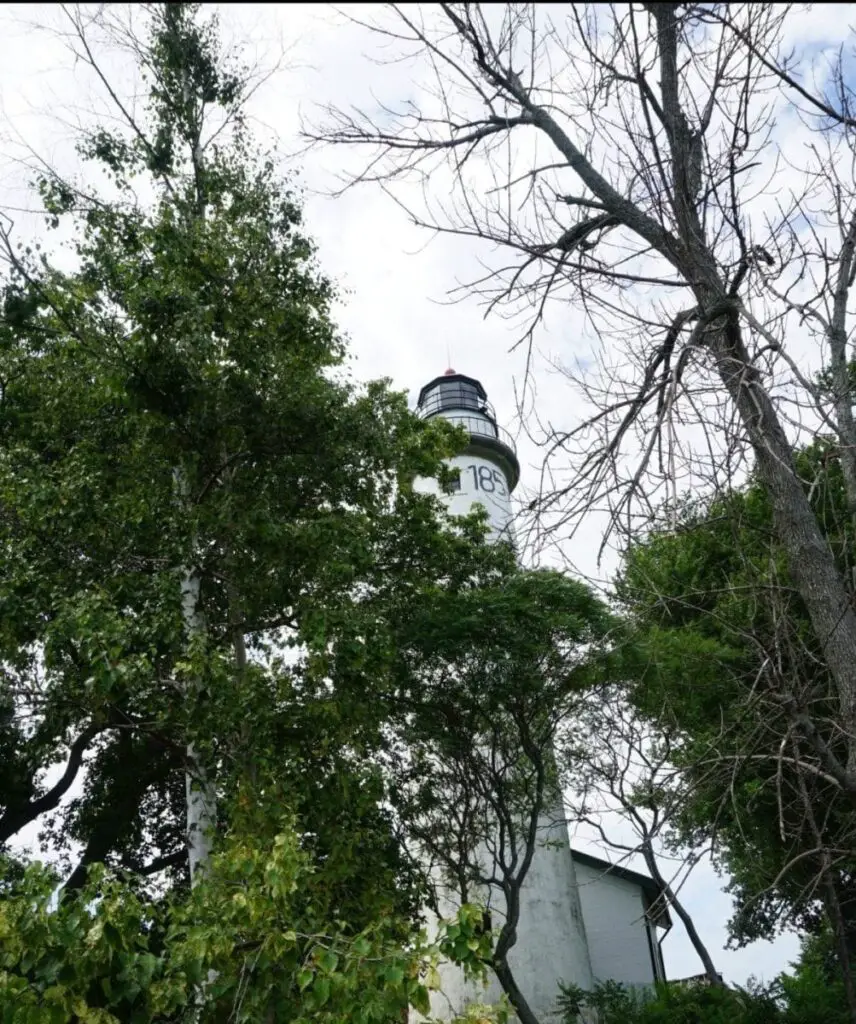
In 1849, Catherine Shook was appointed Michigan’s first female lighthouse keeper. She replaced her husband as keeper of the Pointe Aux Barques Lighthouse after his vessel capsized and he drowned. When Peter Shook died, he was survived by his wife, Catherine, and their eight children.
They often looked to a family member to replace the injured or deceased keeper. Sometimes, that job fell to the courageous wives and daughters of the lightkeeper.
At the time:
- Lighthouse keepers were federal employees
- The job required constant maintenance and long hours
- Isolation was common, especially in remote areas like Michigan’s Thumb
Rather than replace her with a new hire, officials allowed Shook to take over duties—an arrangement that would become more common across the Great Lakes. Recorded history shows numerous female lightkeepers in America who bravely held those jobs for short periods, up to half a century. Those forgotten stories of life-saving survival at these dangerous and remote locations include mourning the loss of their loved one and caring for the surviving family members.
Pointe Aux Barques Lighthouse and Its Early Years
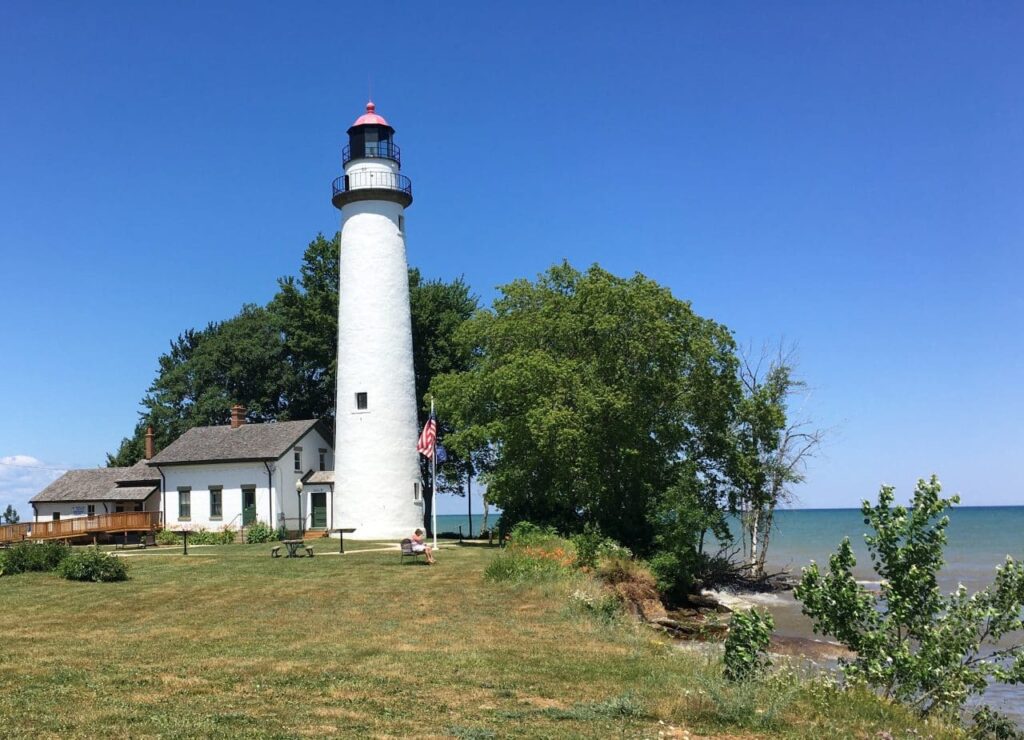
Located at the tip of Michigan’s Thumb along Lake Huron, Pointe Aux Barques was one of the most dangerous stretches of water in the region.
In the mid-1800s:
- Ship traffic increased due to lumber and grain transport
- Navigation hazards included reefs, fog, and sudden storms
- Lighthouse reliability was critical to preventing wrecks
Catherine Shook’s role was not symbolic—she was responsible for keeping ships safe in one of the most active corridors on the Great Lakes.
Life of A Lighthouse Keeper
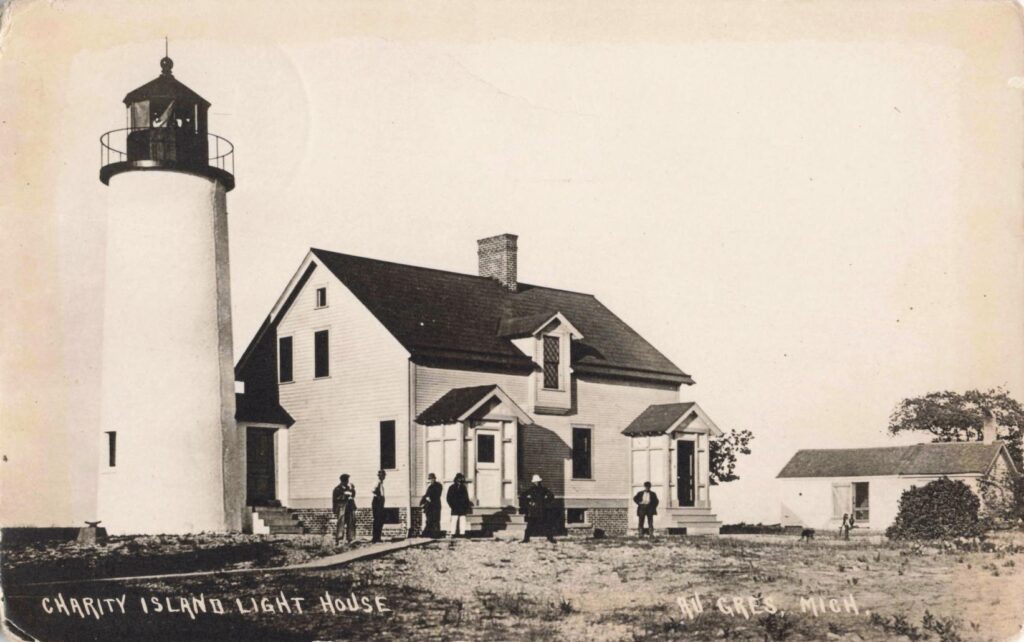
Life at the lighthouse was grueling and isolated, demanding unwavering dedication from keepers. Catherine’s responsibilities were not limited to lighting the beacon each night; she was also tasked with ensuring the lamp was clean, the lens polished, and the machinery in perfect working order. This work required climbing the lighthouse’s steep stairs multiple times daily, hauling heavy oil cans, and tending to the light regardless of weather conditions.
Additionally, keepers were required to record weather conditions, ship movements, and maintenance activities in meticulous detail—a duty Catherine had to manage while caring for her eight children after her husband’s death. She made $350 a year for her services, which is worth about $14,000 today.
Isolation In What Was Still Wilderness
The challenges of life on the Great Lakes in the 1800s and maintaining the lighthouse were compounded by the remote and rugged setting. Supplies and communication with the mainland were limited, making self-sufficiency a necessity. The Shook family had to rely on their own skills for food, clothing, and other essentials, often facing long stretches without outside contact. This isolation, combined with the grief of losing her husband, must have weighed heavily on Catherine, yet she continued to perform her duties with remarkable resilience. Her efforts ensured that the lighthouse remained operational, guiding sailors safely past Pointe Aux Barques and protecting countless lives.
Disaster Hits The Lighthouse
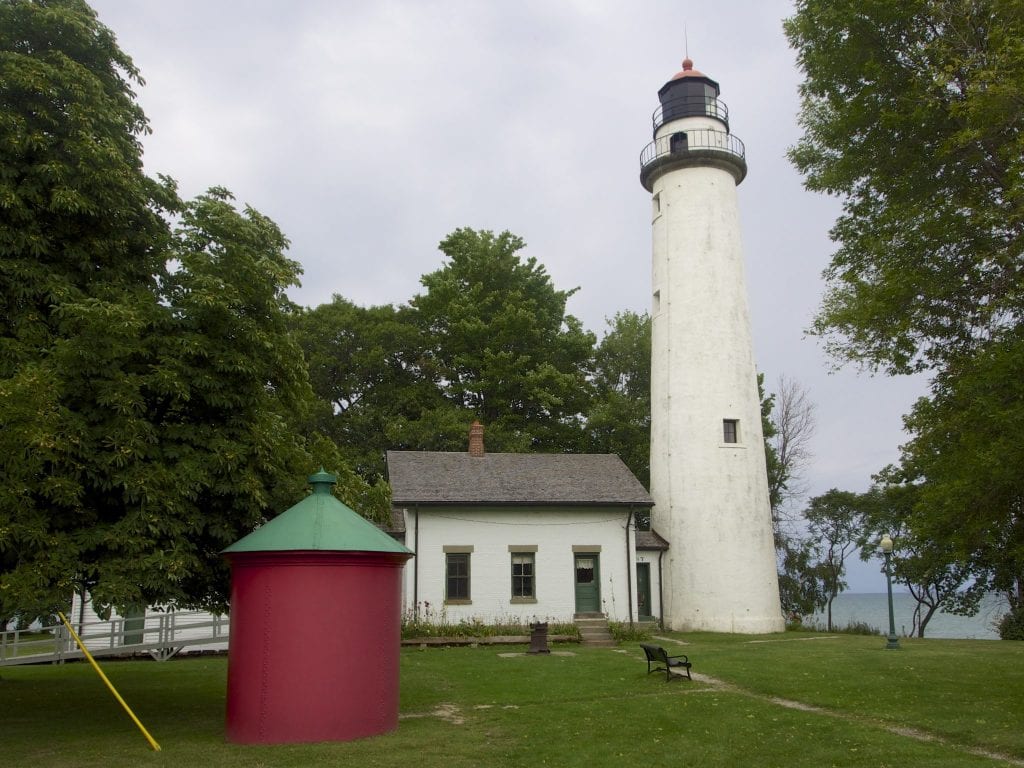
However, life at the lighthouse also brought significant risks. In 1850, a devastating kitchen fire broke out in the keeper’s dwelling, severely injuring Catherine as she fought to prevent the flames from spreading to the main lighthouse. The fire destroyed the family’s home and belongings, forcing them to live in a makeshift shelter under deplorable conditions. The Lighthouse Superintendent had their house rebuilt in 1850. Despite these hardships, Catherine’s dedication to her role never wavered, highlighting the profound sense of duty that lighthouse keepers—and particularly female keepers like Catherine—held toward their work.
The physical and emotional toll eventually proved too great for Catherine, leading to her resignation in 1851 due to declining health. Catherine died nine years later. She was buried in a grave next to her husband in the Oakwood Cemetery in New Baltimore, Michigan. Her departure marked the end of a brief yet impactful tenure at Pointe Aux Barques, underscoring the often-overlooked sacrifices made by women who stepped into these roles.
Other Female Lighthouse Keepers in Michigan
Catherine Shook was the first, but she was not the last. Michigan has a long record of female lighthouse keepers.
Notable examples include:
Elizabeth Whitney Williams
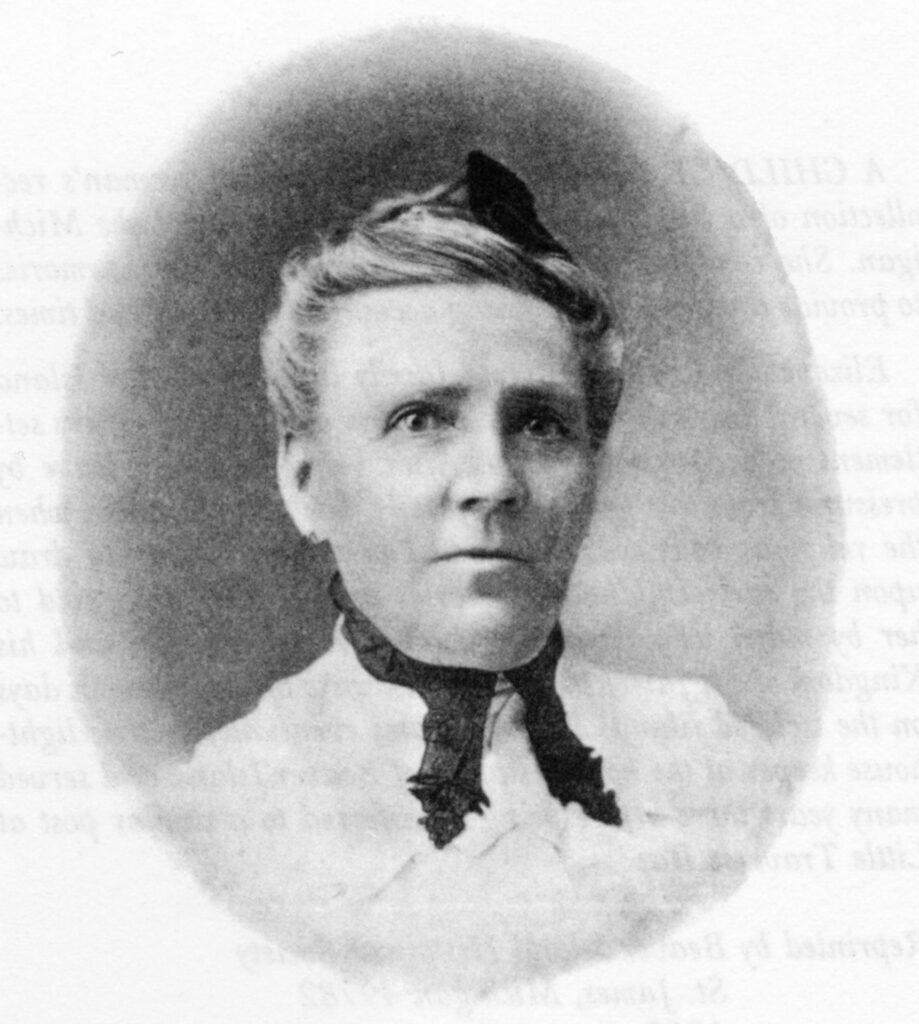
- Served more than 40 years
- Worked at multiple Great Lakes stations
- One of the longest-serving female keepers in U.S. history
Anna Garrity
- Took over after her husband’s death
- Managed a remote station under harsh conditions
Julia Way
- Represented the continuation of women in lighthouse service
- Helped normalize female leadership in maritime safety roles
These women proved that lighthouse keeping required skill and discipline—not gender.
Before there were Little Libraries
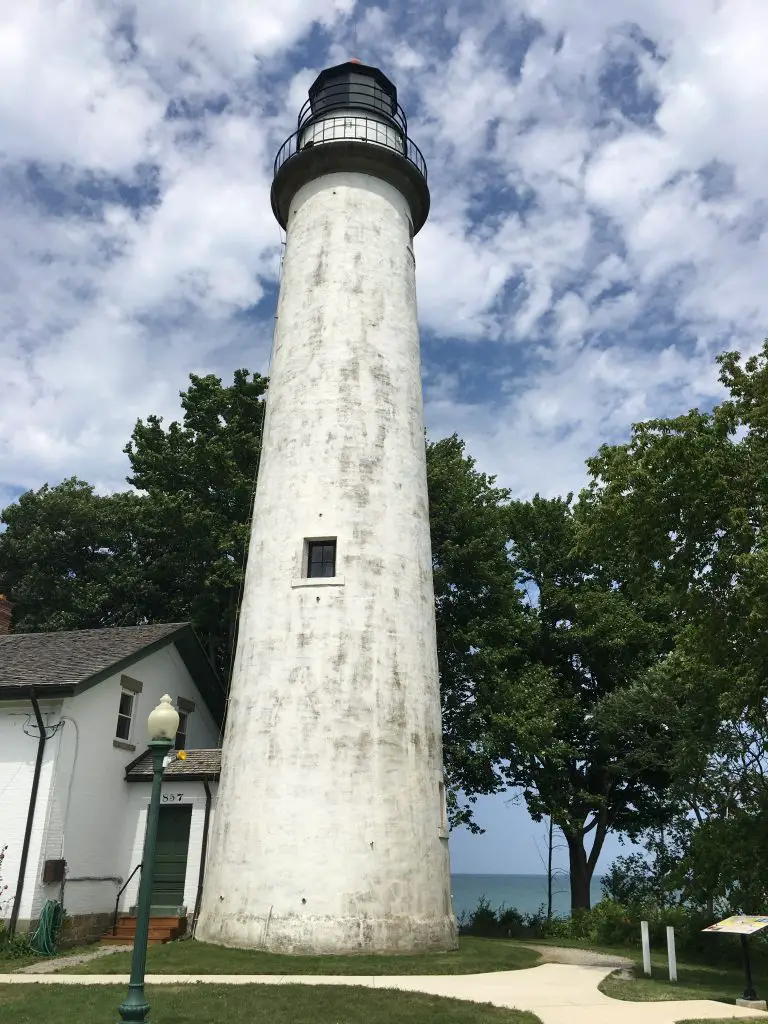
A visit to the Pointe Aux Barques Lighthouse also offers another unique glimpse into Michigan’s lighthouse history. Around 1876, the Michigan Lighthouse Conservancy began distributing its now-famous Portable Traveling Libraries to its lightkeepers. These rugged wooden boxes held an assortment of 40-50 of the best books of their time.
A list of its inventory was attached to the top of each box. A Bible was often included, but the rest was a variety of reading material suitable for the family. These treasured libraries would be exchanged with other lighthouses quarterly. Out-of-date or damaged books were replaced as needed. The grateful keepers and their families had an excellent opportunity that even the public lacked. Unbelievable as it seems, during the 1800s, there were more lighthouses than public libraries.
The Pointe Aux Barques Lighthouse has an excellent replica of one of these weathered Portable Library Boxes on display. Many of us lighthouse lovers today view the rich history of lighthouses through a lens of romance and adventure. Our imaginations prefer to display the splendor we see from the top of these tall, beautiful towers.
Related First Female Lighthouse Keeper Michigan Reading

14 Of The Best Attractions In Michigan Thumb – Top 14 “Must See” Michigan Upper Thumb Sites. A perfect recipe for a day trip from Southeast Michigan or a week of exploring. Many are free to see and easy to drive. Use this list as a check-off on your Thumb explorations.

Haunted And Spooky Sites To Visit In Michigan’s Thumb – Michigan’s Upper Thumb is full of colorful history—from the boom-towns of the 1800s lumber era to the resorts and cottages of today. The area has long been acknowledged as an active paranormal region and has been the subject of books, film, and television, including a story of the first woman lighthouse keeper in the Thumb.
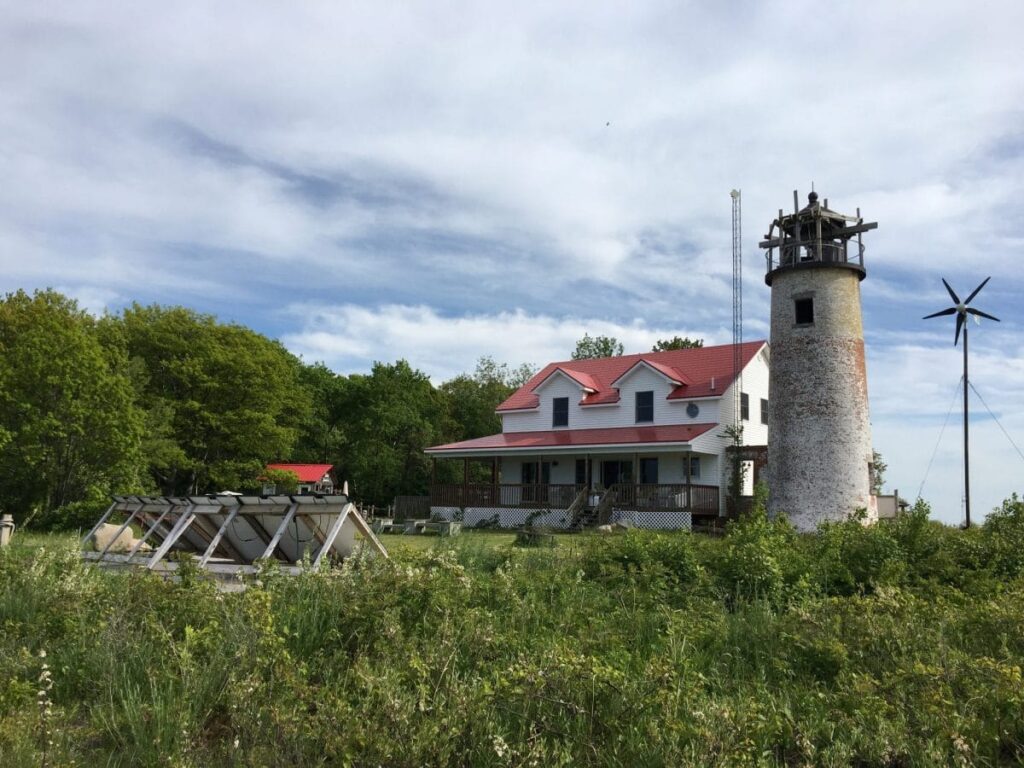
The Travels Of Henry Schoolcraft To Charity Island 1820 – 1820 – Exploration of Saginaw Bay Michigan I learned about Henry Rowe Schoolcraft while still in grade school. I don’t remember the details, but there may have been a children’s story involved. I found it hard to imagine that Michigan could be so wild and untouched. Henry Schoolcraft lived from 1793 until 1864.

Fort Gratiot Light Station – Guarding Southern Lake Huron Since 1829 – Fort Gratiot light was built in April 1829. It was situated north of an older tower light that has collapsed into the St. Clair River after a violent storm. The tower was constructed of brick to a height of 65 feet. In 1862 the height was increased to 82 feet to match the focal point of a new 4th order Fresnel lens.
Women Lighthouse Keepers in Michigan FAQ
Who was the first woman lighthouse keeper in Michigan?
Catherine L (Doyle) Shook was appointed Pointe Aux Barques lighthouse after her husband, Peter Shook, drowned with three others after his sailboat capsized north of Lexington on March 31, 1849.
How many women served as lighthouse keepers in Michigan?
At least 56 woman served as keepers or assistant lighthouse keepers in Michigan from 1849 until 1954.
Who was the longest-serving woman acting as a lighthouse keeper in Michigan?
Elizabeth Van Riper Williams served as a lighthouse keeper for the Beaver Island and Little Traverse lighthouses on Lake Michigan from 1872 – 1913.