 by
by In the early 1920s, many rural families in Michigan’s Thumb region lived miles from the nearest doctor. Roads were poor, hospitals were rare, and infant mortality remained a serious concern. To address this gap, the American Red Cross sent nurses into Sanilac County with a traveling clinic known locally as the “child welfare special.”
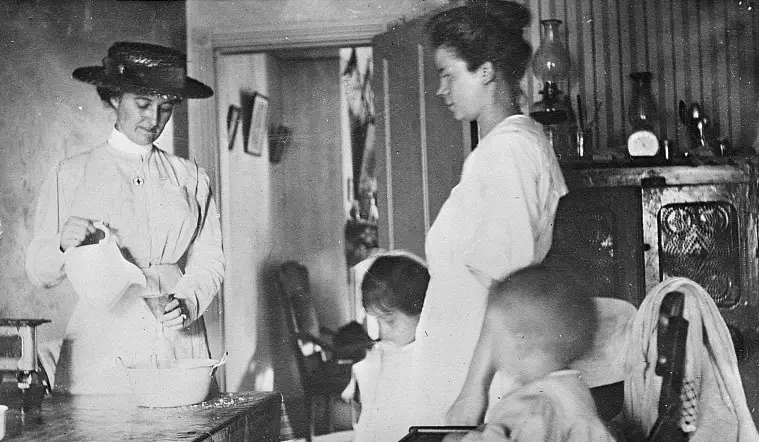
The Michigan Red Cross history was a story about nurses in Sanilac County who reached out to remote rural towns. Providing health care in Michigan’s Thumb was a challenge. The 946 square miles of the county are home to many people who live far from any medical facilities or meeting places, making it difficult to access basic health information and resources. However, the Red Cross nurse found a way to reach out to these communities with the help of a ten-foot trailer that she calls the “child welfare special.”
Health Care Was Scarce in Rural Michigan
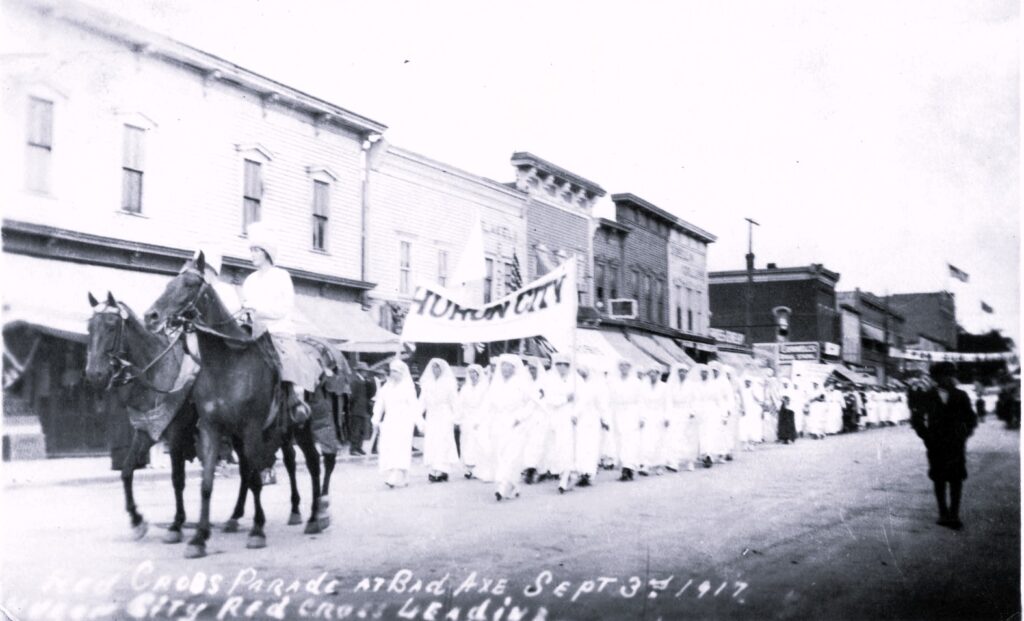
In the early 1920s, much of Michigan’s Thumb region had limited access to doctors and hospitals. Small towns were scattered across farm country. Roads were often muddy or snow-covered, and many families lived miles from the nearest medical office.
Sanilac County was typical of rural Michigan at the time. Most residents worked in agriculture. Public health programs were still developing, and many communities lacked basic services such as regular nursing care, vaccination programs, and infant health clinics.
Into that gap stepped the American Red Cross, which organized rural nursing programs across the United States during the early twentieth century. These programs brought trained nurses directly to isolated communities.
The work was especially important for mothers and children. Infant mortality remained high across rural America, and diseases such as measles, influenza, and tuberculosis posed serious risks.
In Michigan’s Thumb, Red Cross nurses became a critical link between remote farm families and modern health care.
The Red Cross Rural Nursing Program
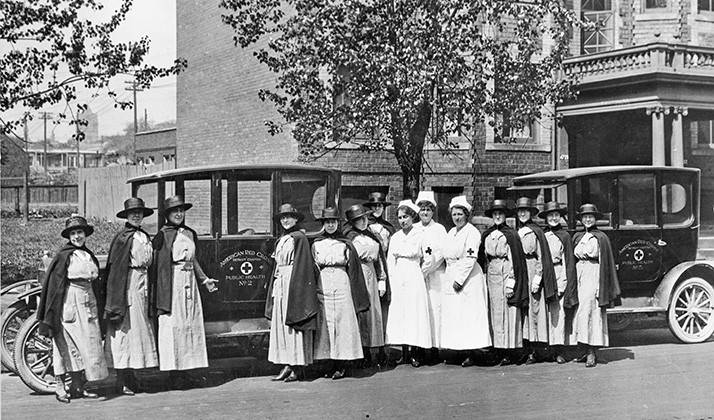
The American Red Cross created its Rural Nursing Service in 1912. The goal was simple: place trained public health nurses in communities where medical services were limited or nonexistent.
The program expanded quickly during and after World War I. By the early 1920s, Red Cross nurses were working in hundreds of counties across the country.
Their responsibilities included:
- Conducting health examinations for schoolchildren
- Teaching sanitation and disease prevention
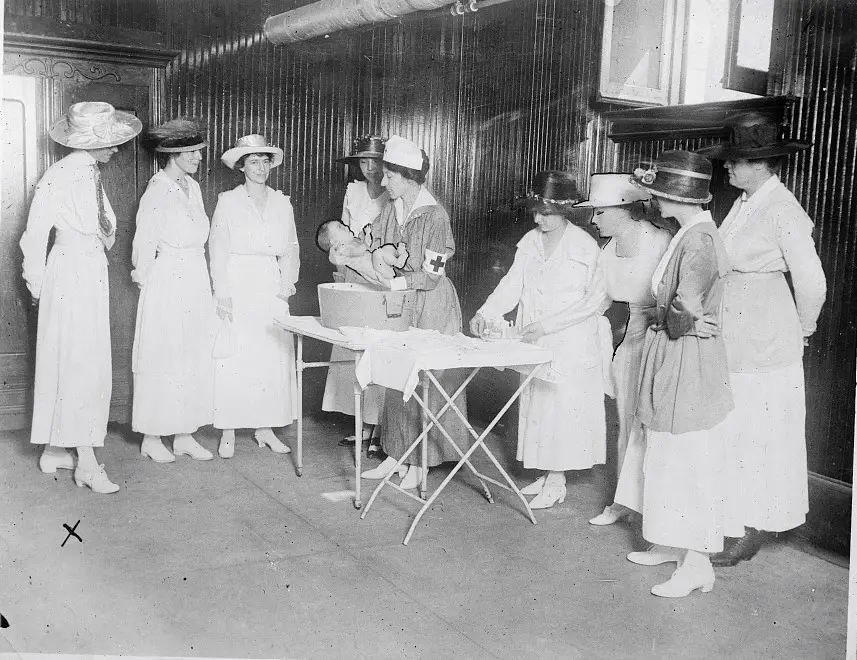
- Helping mothers care for newborn infants
- Providing vaccinations and basic medical advice
- Responding to disease outbreaks
Rather than waiting for patients to travel to them, nurses traveled to the people who needed care.
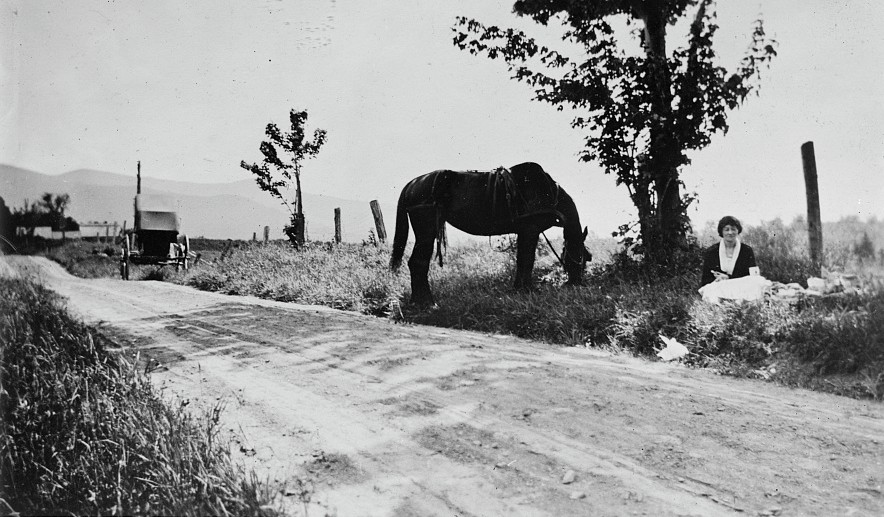
In rural Michigan counties such as Sanilac, this often meant long drives over dirt roads to reach farms and small villages.
The Red Cross House on Wheels
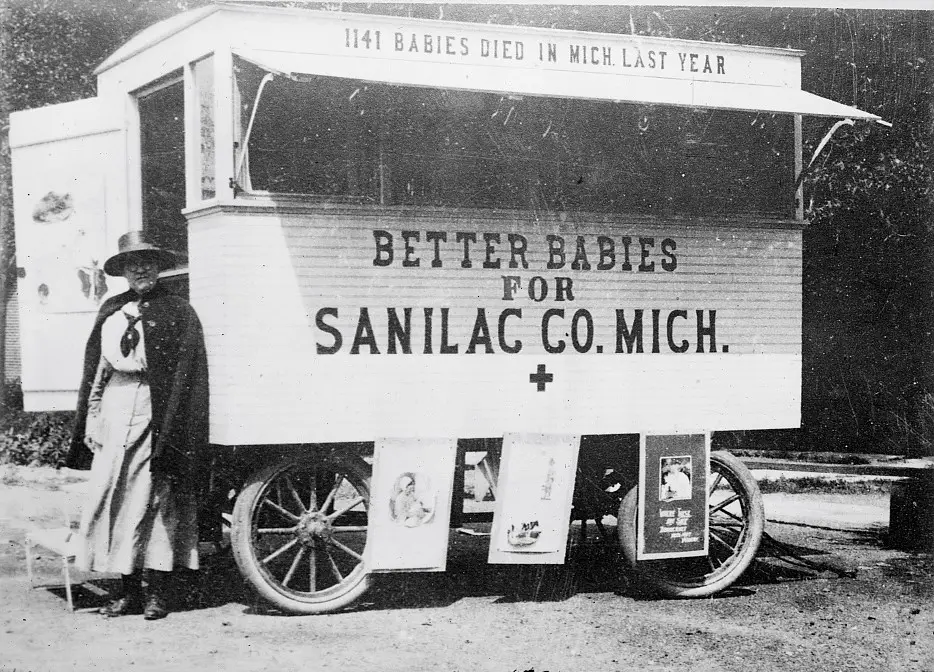
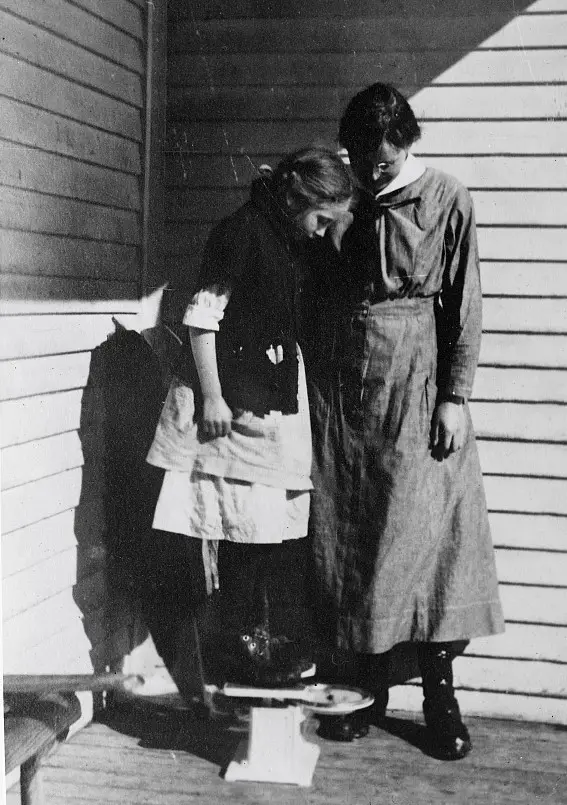
This small house on wheels may seem insignificant, but it is a game-changer for the people of Sanilac County. Equipped with a cot, a scale, a homemade refrigerator, a measuring table, a baby basket, literature, and posters, this trailer provides essential health services and information to the county’s residents. It is hooked on the end of a Ford coupe and weighs 1,440 lbs., making it easy to move from one location to another, even with the help of a few small boys.
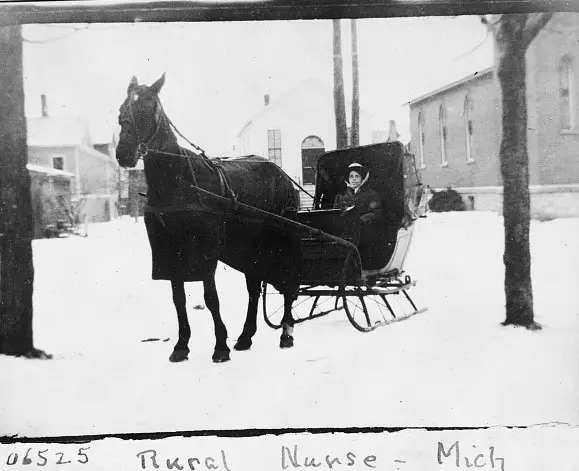
Despite the challenges of reaching out to communities hesitant to attend anything resembling a health meeting, the Red Cross nurse has managed to hold 26 baby conferences around the trailer. At these conferences, 1,590 babies and children have been weighed and measured, and parents have received valuable advice and literature on caring for their children’s health needs. The trailer has also appeared at picnics and fairs, in front of country stores, and down the long, long country roads, providing much-needed advice and services to the people of Sanilac County.
The clinic moved from town to town, stopping at schools, churches, and community halls. Parents brought infants and young children to be weighed and examined.
These visits served several purposes:
- Monitoring child growth and nutrition
- Detecting early signs of illness
- Teaching mothers about hygiene and infant care
For many families, these visits were the only regular contact with trained medical professionals.
Sometimes, the Only Access to Health Care Was The Red Cross in Michigan
The efforts of the Red Cross nurse and her child welfare specialist are a testament to the importance of providing accessible healthcare to all. While it is easy to take for granted the resources and information available to us in urban areas, we must recognize the challenges faced by those living in rural communities. The Red Cross nurse has shown us that with creativity and determination, it is possible to bridge the gap and reach out to those in need.
Public Health Challenges in the Thumb
Life in Michigan’s Thumb during the early twentieth century involved real health risks.
Many farm homes relied on well water that could become contaminated. Sanitation systems were often primitive. Seasonal isolation during winter storms sometimes cuts families off from towns for days.
Communicable diseases spread quickly in rural schools and churches. Tuberculosis remained a serious threat throughout Michigan during the early 1900s.
Public health experts believed that education was as important as treatment. Red Cross nurses spent much of their time teaching practical lessons:
- Proper handwashing
- Safe food storage
- Infant feeding practices
- Home sanitation
These lessons helped reduce disease and improve survival rates among young children.
What Was Sanilac County Like in the 1920s?
Sanilac County, Michigan, in the 1920s, was a rural county located in the eastern part of the state, along the shore of Lake Huron. According to the 1920 U.S. Census, Sanilac County’s population was 49,834, and by 1930 it had increased to 52,120.
The major industry in the county during the 1920s was agriculture, particularly the cultivation of potatoes, beans, and sugar beets. The county was also known for its fruit orchards, mainly apple and cherry. The county seat of Sandusky had several small manufacturing industries, including carriage and wagon factories, a creamery, and a sawmill.
While no particularly famous individuals lived in Sanilac County during the 1920s, a few notable people had connections to the area. For example, the famous labor leader Walter Reuther was born in Wheeling Township in the southern part of the county in 1907. Additionally, the author Jim Harrison spent time in the county during his childhood and wrote about the area in his book, “Returning to Earth.”
Long Drives to Remote Farms
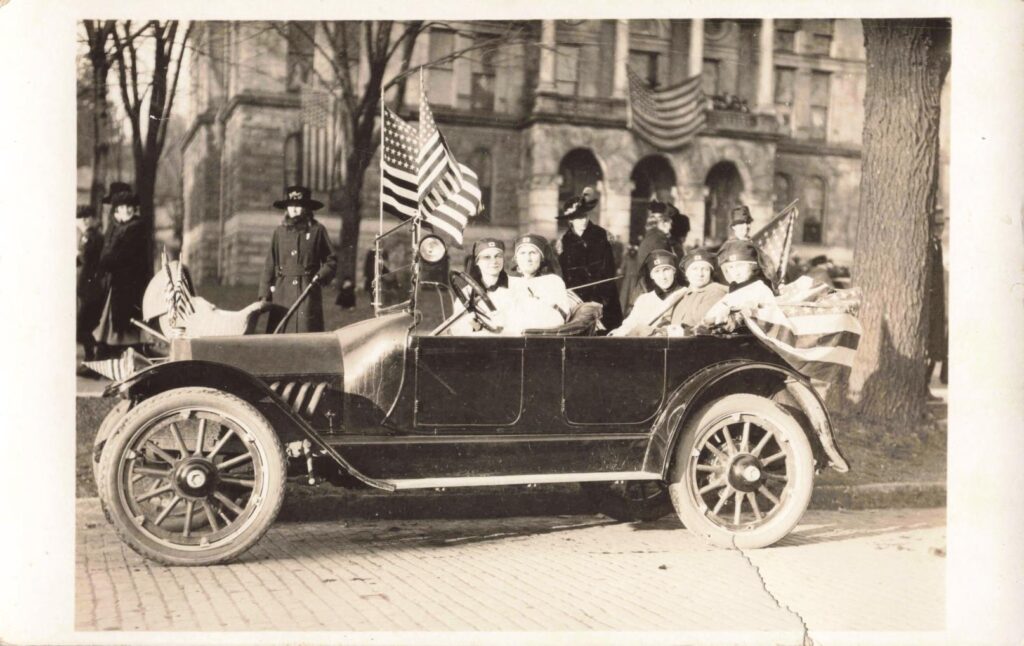
Traveling nurses often covered large territories.
A single Red Cross nurse might serve several townships across Sanilac County. Reaching remote farms could require hours of travel.
Automobiles made this work possible, but rural roads remained difficult. During winter, snowdrifts sometimes blocked travel entirely.
Despite these challenges, nurses maintained regular visits across their assigned regions.
Their work required independence and persistence. Many nurses lived alone in small towns while serving wide rural districts.
The Special Relationship Between the Red Cross and Michigans Thumb
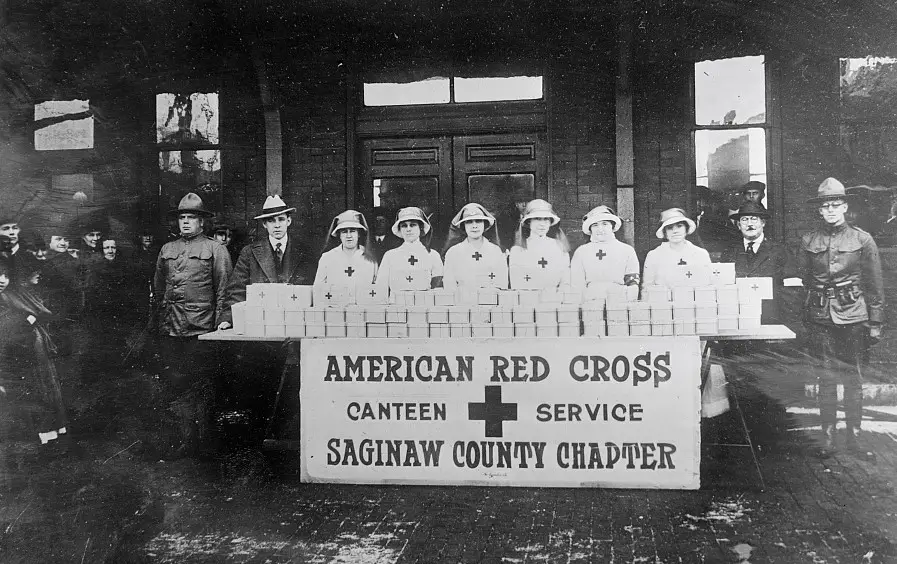
The relationship between the Red Cross and Michigan’s Thumb region has been special and lasted for more than a century. The Thumb is a rural area in eastern Michigan along the shore of Lake Huron, and it has a history of being prone to natural disasters, including fires, floods, and severe weather. The Red Cross has provided assistance and support during these times of crisis, and the people of the Thumb have come to rely on the organization’s help.
One of the earliest instances of the Red Cross’s involvement in the Thumb region occurred during the Great Fire of 1881, which burned over a million acres and destroyed many homes and businesses. The Red Cross provided food, clothing, and medical care to the people affected by the fire, and its efforts were greatly appreciated by residents of the Thumb.
The Red Cross in Michigan Today

Over the years, the Red Cross has continued to assist during times of crisis, such as severe weather events common in the area, including tornadoes and blizzards. Additionally, the organization has worked to promote health and safety in the Thumb through programs such as blood drives, CPR training, and disaster preparedness education.
Overall, the relationship between the Red Cross and Michigan’s Thumb region is a special one that has lasted for many years. The people of the Thumb know that they can count on the organization to provide assistance and support during times of crisis. They appreciate the Red Cross’s commitment to promoting health and safety in the community.
In conclusion, the Red Cross nurse and her ten-foot trailer are shining examples of the power of community outreach and healthcare accessibility. The trailer may be small, but its impact is significant, as it has provided vital health services and information to the people of Sanilac County. We can all learn from the nurse’s determination and dedication to helping others, and we should strive to make healthcare accessible to all, regardless of where they live.
FAQs on Michigan Red Cross History
What did the Red Cross do in rural Michigan?
The American Red Cross placed trained nurses in rural counties to provide health education, child welfare clinics, and disease prevention services.
When did the Red Cross rural nursing program begin?
The Red Cross Rural Nursing Service was established in 1912 and expanded rapidly during the 1910s and 1920s.
Why were mobile health clinics used?

Mobile clinics allowed nurses to reach isolated farms and small towns where hospitals and doctors were not readily available.
Did the Red Cross operate in Sanilac County?
Yes. Historical records show Red Cross nurses working in Sanilac County during the early twentieth century, including the use of a traveling clinic to serve families in the Thumb region.
Works Cited
American Red Cross. “History of the American Red Cross Nursing Service.”
Centers for Disease Control and Prevention. “Public Health in the United States, 1900–1950.”
Fee, Elizabeth, and Theodore Brown. The American Red Cross and Public Health Nursing. National Library of Medicine.
Michigan Department of Health and Human Services. “History of Public Health in Michigan.”
National Library of Medicine. “Public Health Nursing in the Early Twentieth Century.”
University of Michigan Libraries. “Rural Health Programs in Michigan, 1900–1930.”
U.S. National Archives. “American Red Cross Rural Nursing Service Records.”