The History of New Buffalo, Michigan: From Rail Hub to Lakeshore Retreat – Video
A lakeshore village shaped by trains, tourists, and time. Rare photos from 1900 to 1950 reveal how New Buffalo, Michigan became known as the Gateway to the Great Lakes.

News History & Fun in Michigan
 We examine stories and events that shaped the history of the Upper Thumb and Michigan. While we focus on the Thumb region, other Great Lakes historical events are covered. Major events include the lumbering era and the 1871 and 1881 great fires. We cover major pioneers and personalities that shaped the region. To hear many of our best stories, visit and subscribe to our Podcast, “The End of the Road in Michigan.”
Our best Michigan history posts are found below.
A lakeshore village shaped by trains, tourists, and time. Rare photos from 1900 to 1950 reveal how New Buffalo, Michigan became known as the Gateway to the Great Lakes.
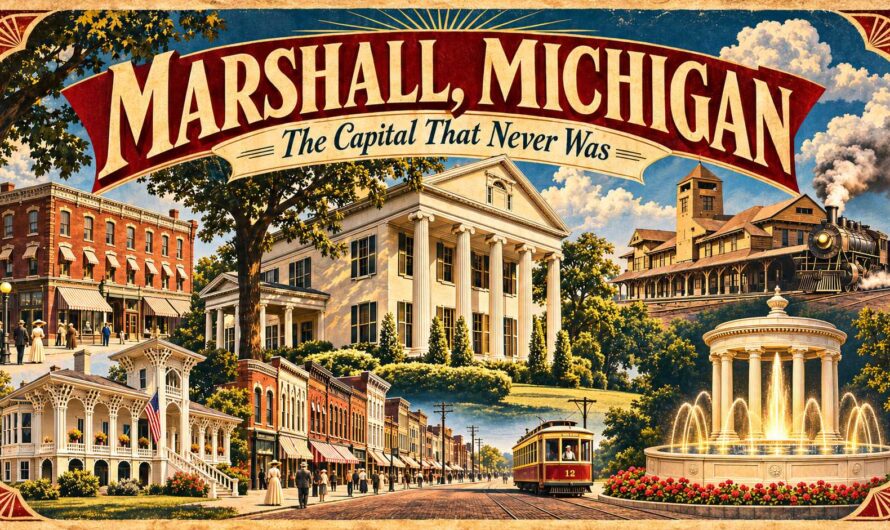
Marshall once hoped to become Michigan’s capital. From the Crosswhite Affair and early railroad union organizing to Schuler’s and the Brooks Memorial Fountain, its past still stands in this Calhoun County town.
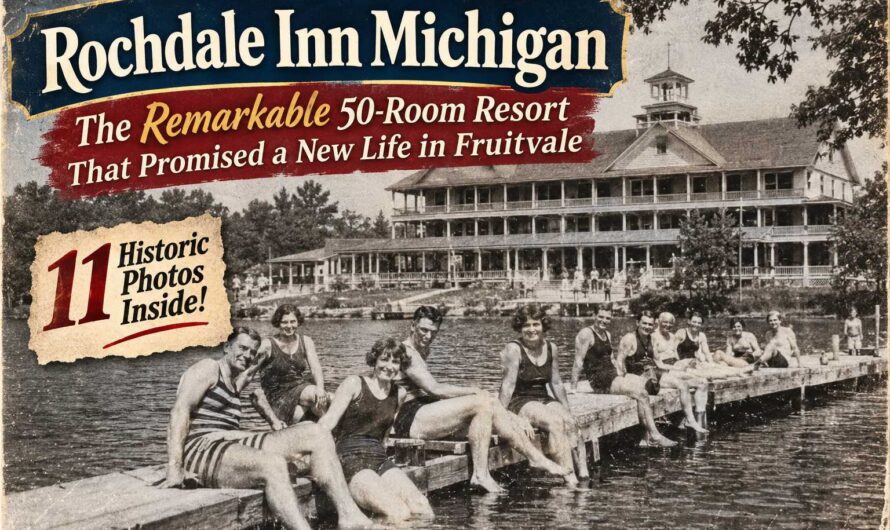
The history of Rochdale Inn begins with a Chicago businessman who promised inexpensive Michigan land and a cooperative farming community. His Fruitvale development near Montague grew into a popular summer resort with a 50-room hotel, swimming facilities, tennis courts and cottages before declining during the 1930s.
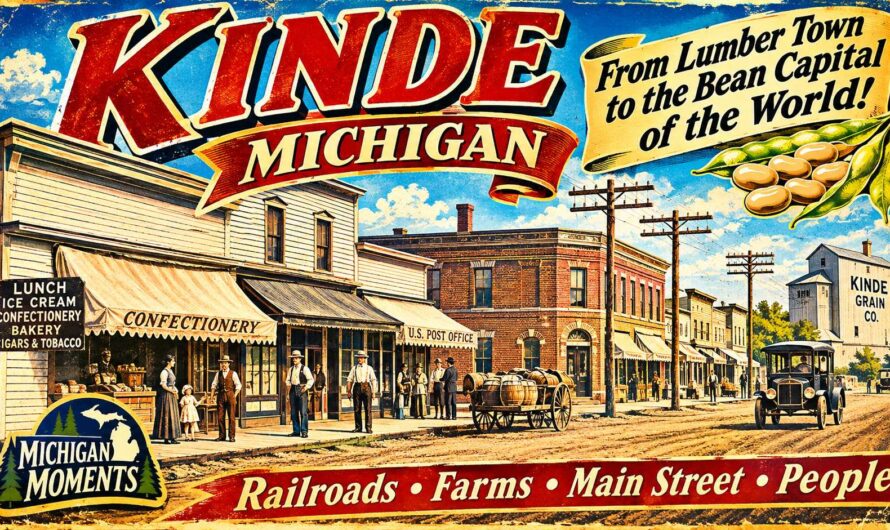
Kinde, Michigan, grew from a small settlement into a busy railroad and bean-shipping center. Historic photos reveal its Main Street, grain elevators, devastating fires and the people who shaped this Thumb village.
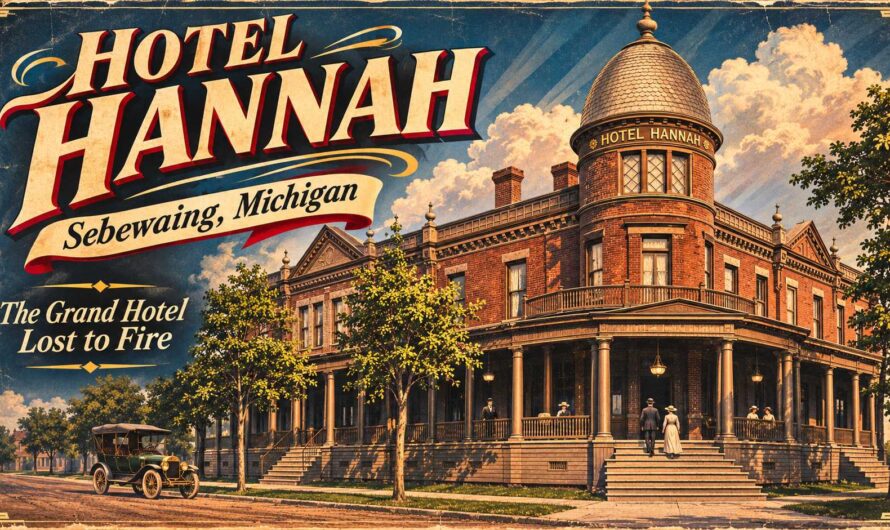
Step back into Sebewaing’s past with the story of Hotel Hannah, a grand Michigan landmark known for its distinctive domed turret and elegant veranda. Historic postcards reveal the hotel’s German-American roots, its role in community life and its eventual destruction by fire in the early 1970s.
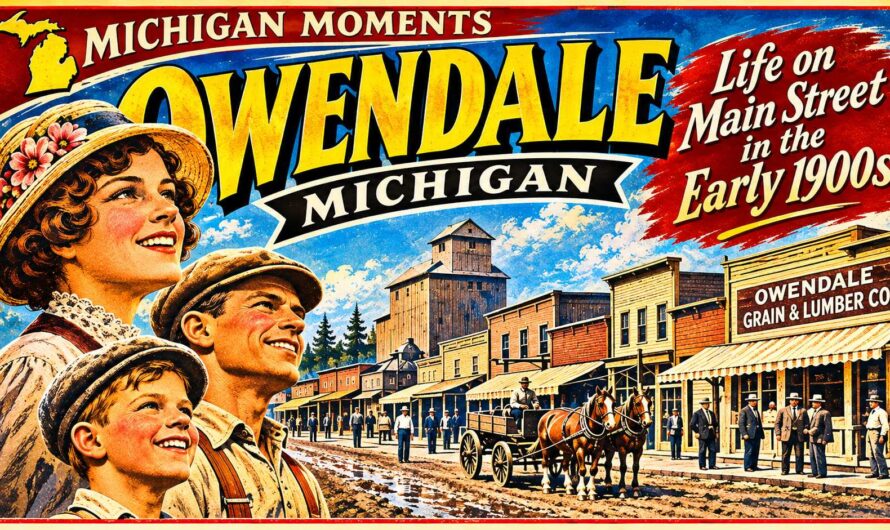
Rare photos and local history bring Owendale, Michigan to life in the early 1900s. See Main Street, the railroad, schools, churches, and the families who built this small Thumb community.
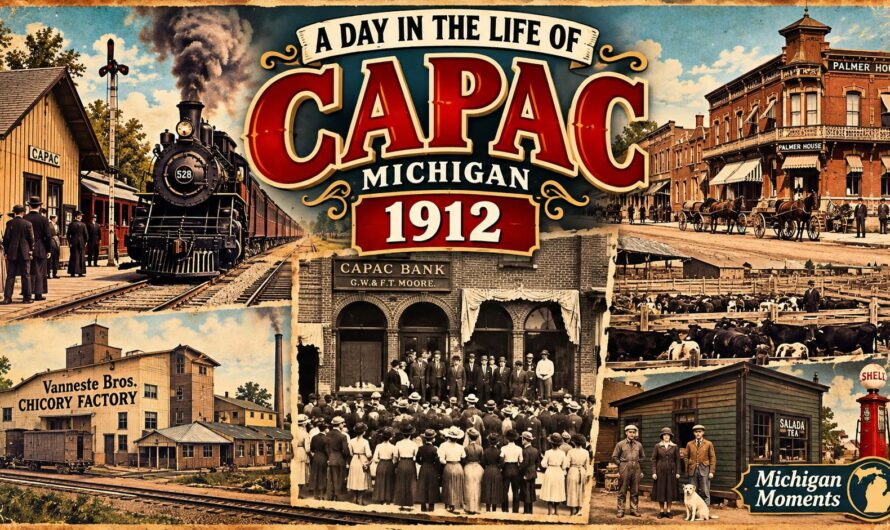
Step back to 1912 Michigan! Our new 3-minute mini-documentary takes you through the history of Capac, Michigan—from the grand Palmer House Hotel to a steam train’s arrival at the Capac depot, and even a dramatic run-in at the village bank on …
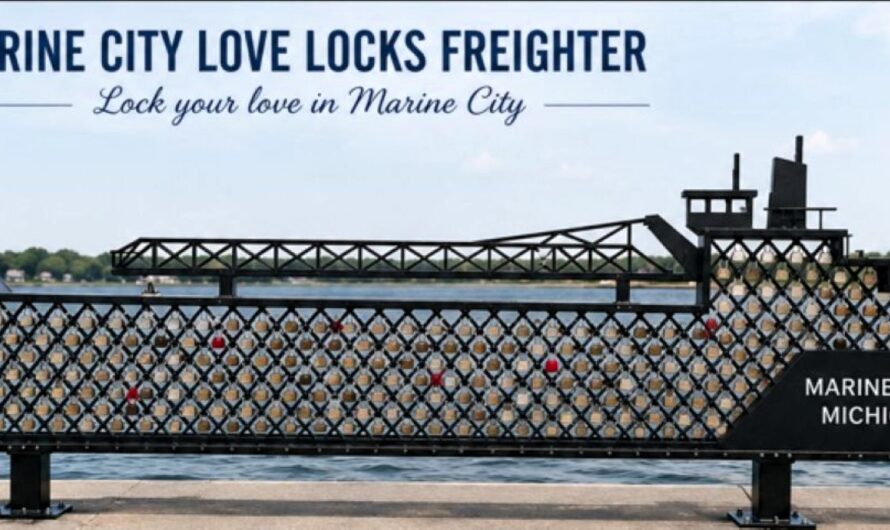
Marine City will unveil a new freighter-shaped sculpture at Broadway Park on Nov. 12. Visitors can attach commemorative locks to the steel structure celebrating the city’s Great Lakes shipping heritage. The project was funded through local donations, grants and sponsorships.
Featured image recommendation
Use an actual photograph of the sculpture at Broadway Park rather than an AI-generated interpretation. The chamber’s project page and local October coverage include visual references that would help readers recognize the attraction.
Sources
1. Marine City Area Chamber of Commerce — Official project page. Confirms design specifications, sponsorships and construction partners.
Marine City Chamber of Commerce
2. Port Huron Times Herald — Nov. 9 unveiling announcement. Confirms the Nov. 12 schedule, recognition ceremony and reception location.
Bluewater Healthy Living
3. Marine City sculpture installation and City Commission approval. Documents the Oct. 15 agreement, preliminary costs and maintenance responsibilities.
Bluewater Healthy Living
Editorial verification: The $4,800-$6,600 project figure is an early estimate, not a confirmed final cost. The Nov. 12 ceremony is a formal unveiling rather than the sculpture’s first physical installation.
WordPress status: The article is prepared here but has not been saved to TwoVerbs.com.
Army Sgt. Louis F. Berendt survived the Bataan Death March but died in a Japanese POW camp in 1942. After decades as an unidentified casualty, his remains were identified and returned to Cass City for burial with military honors Nov. 6.
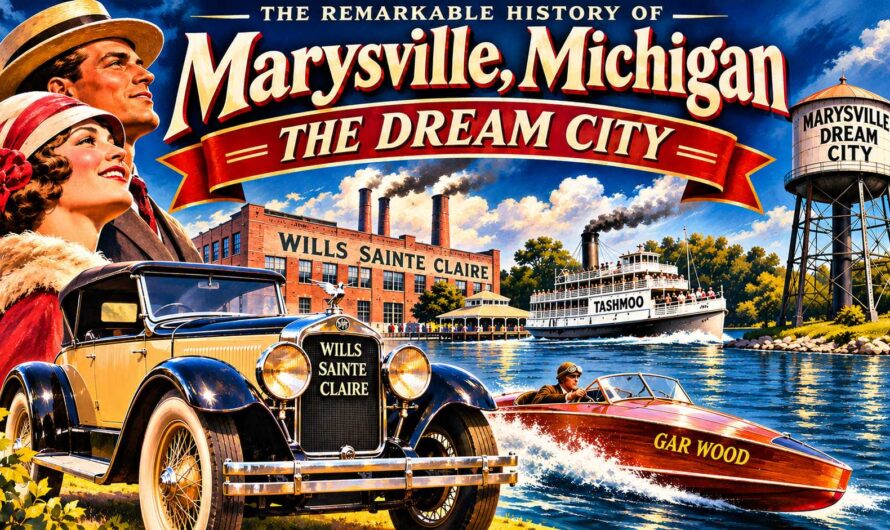
In 1919, former Ford engineer C. Harold Wills began turning Marysville into a planned industrial city. His luxury automobile company soon failed, but the town carried on. Historic postcards trace its earlier lumber trade, Stag Island resorts, electric rail service and later boat factories.