 by
by 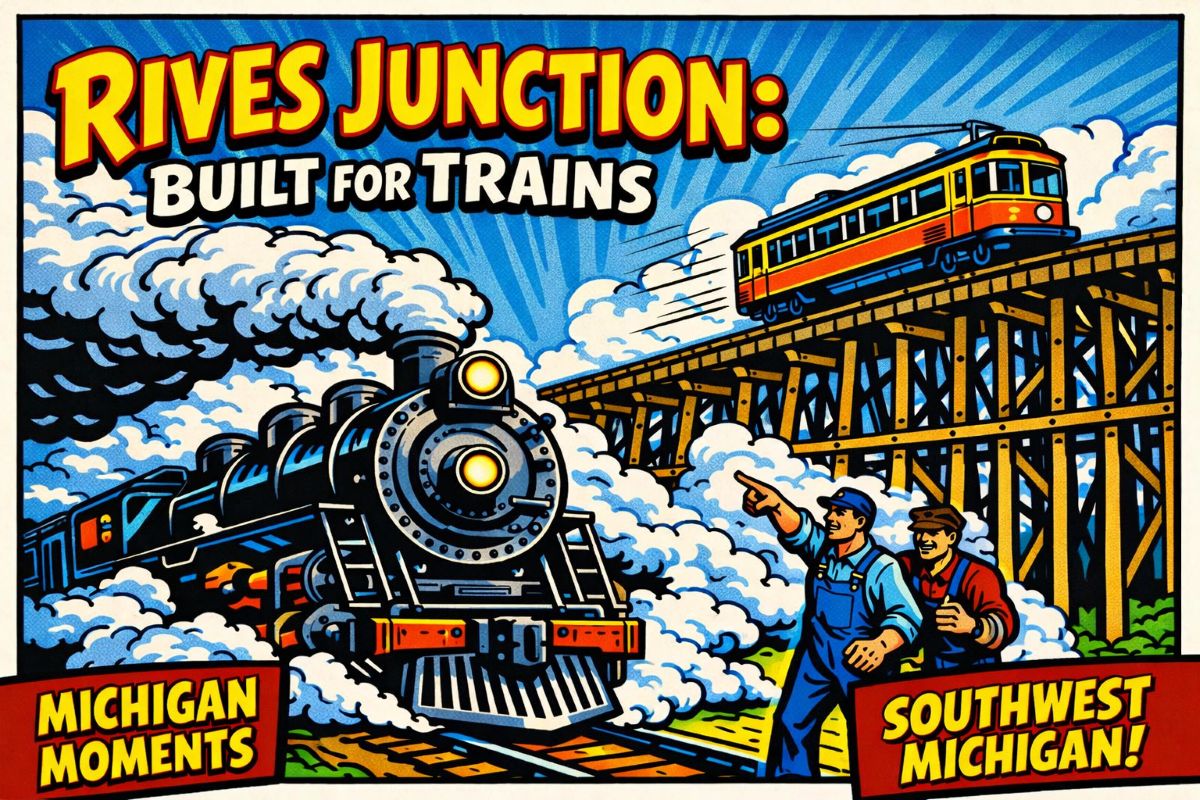
The History of Rives Junction Michigan begins long before the first train whistle echoed across Jackson County. In fact, its most important role came in 1815—years before railroads, depots, or even most settlements existed in the area.
A Small Place With a Statewide Impact
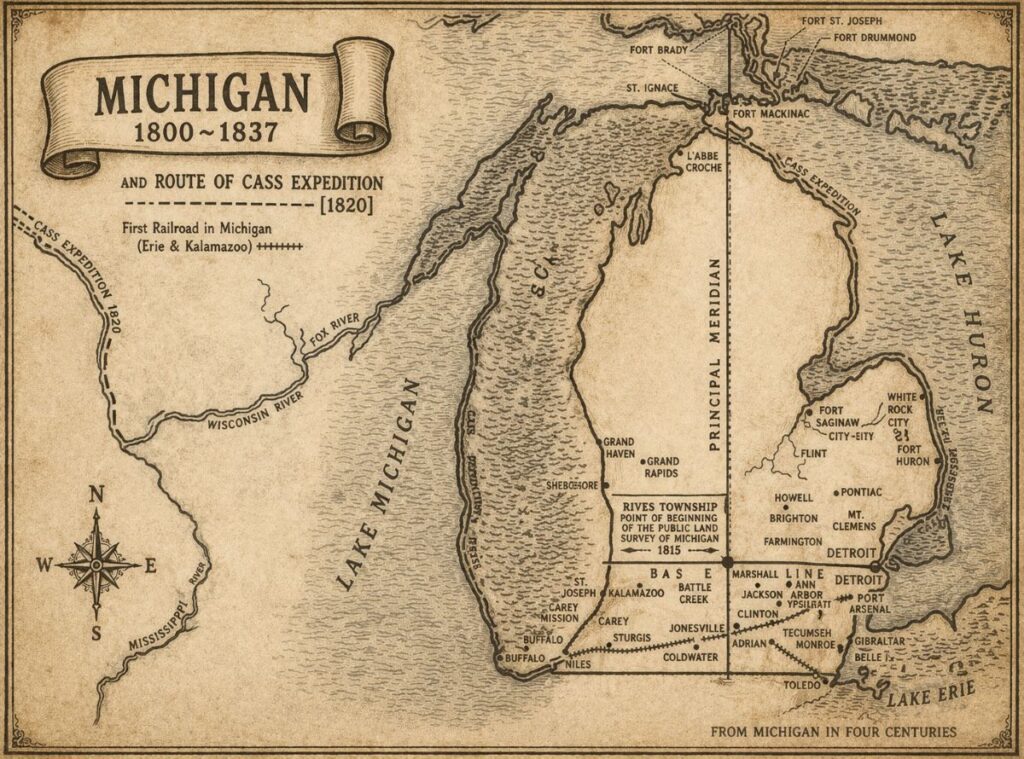
At that time, surveyors marked a fixed point in what is now Rives Township. From that location, they established the Michigan land survey system, using a principal meridian and baseline to divide the state into a grid still used today.
It is a quiet origin story. But it shaped everything that followed.
The Survey That Defined Michigan -The Cornerstone of the State’s Grid
In 1815, federal surveyors established two critical reference lines:
- The Michigan Principal Meridian, running north and south
- The Base Line, running east and west
These lines intersect in the northeast corner of Rives Township.
From that intersection, surveyors created:
- Six-mile square townships
- 36 one-mile sections per township
This system became the legal and physical framework for land ownership across Michigan. Every farm, road, and parcel description can trace its origin back to this point.
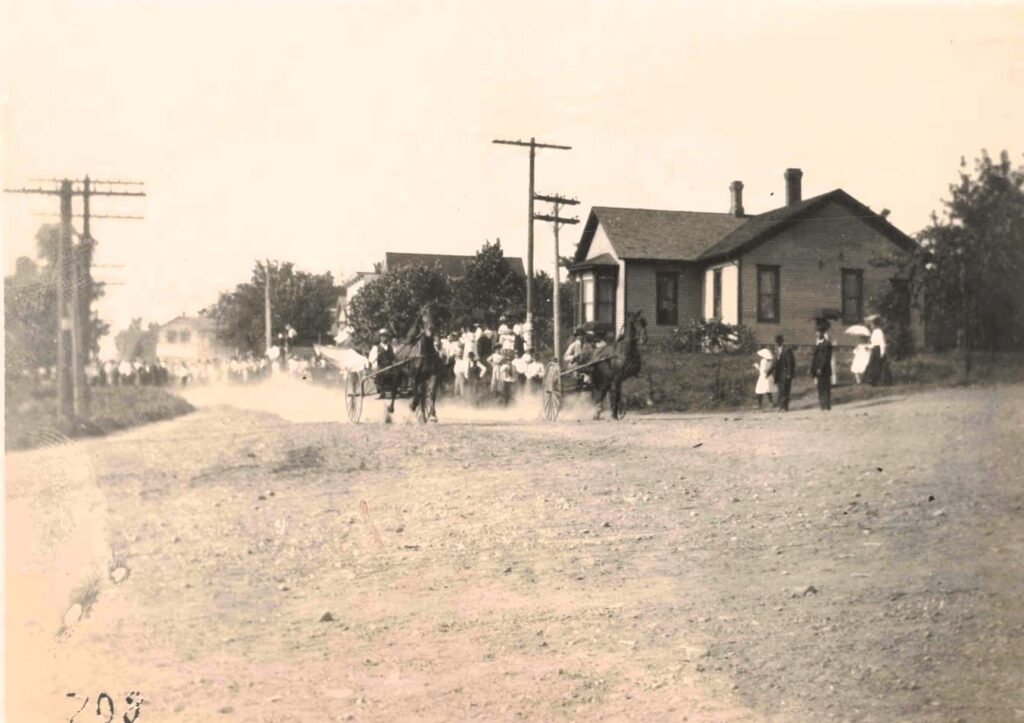
That fact makes the History of Rives Junction Michigan unlike most small-town stories. This was not just a place people settled. It was a place that defined how the state itself was measured.
From Survey Lines to Steel Rails – The Rise of a Railroad Junction
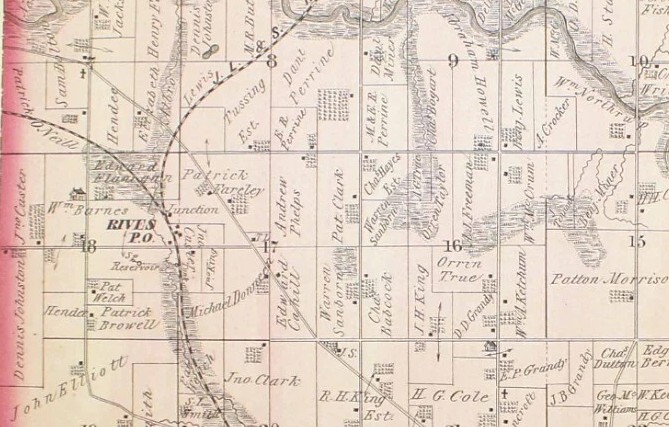
By the late 1800s, the focus shifted from measurement to movement.
Railroads expanded across southern Michigan, linking Detroit, Chicago, and regional farming communities. Rives Junction emerged as a key crossing point, where multiple rail lines intersected.
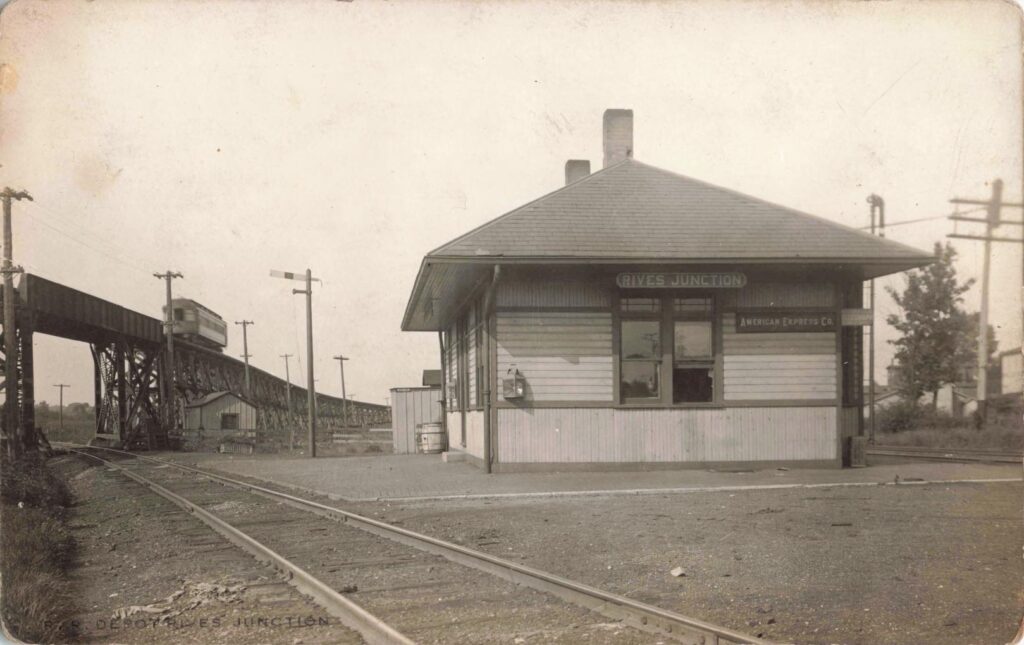
The Michigan railroad junction history of the town reflects its name. It was built to connect routes, not to anchor a large population.
Trains carried:
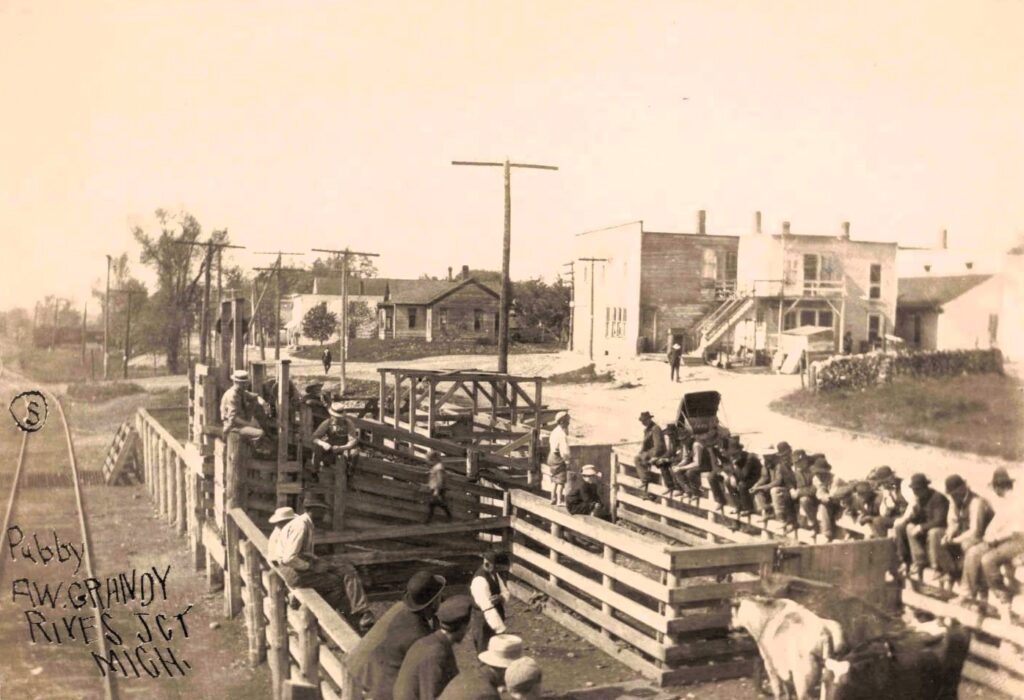
- Grain and livestock from nearby farms
- Manufactured goods from larger cities
- Passengers traveling between Jackson, Lansing, and beyond
The depot became the center of activity. Schedules dictated daily life. The rhythm of the town followed the rails.
Steam, Snow, and Survival – Keeping the Lines Open
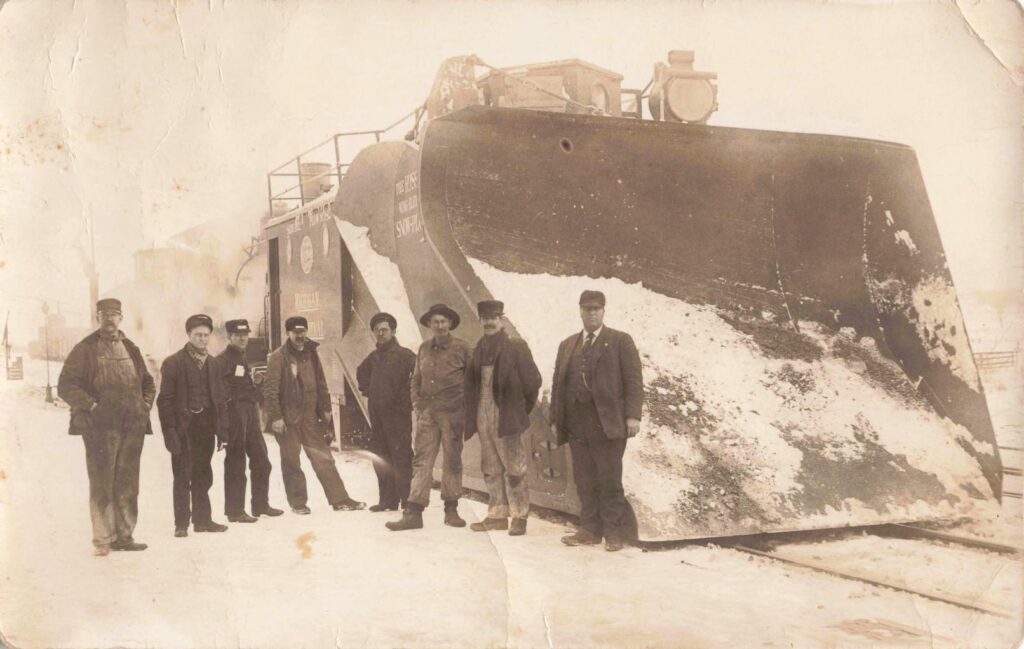
Railroad work in Michigan required constant effort, especially during winter.
Crews operated large rotary snowplows to clear tracks after heavy snowfall. These machines were essential. Without them, rail service could halt for days, cutting off transportation and supply chains.
Workers in Rives Junction were not just employees. They were operators of a system that kept entire regions connected.
This part of the History of Rives Junction Michigan shows a town built on labor and reliability, not scale or growth.
The Interurban Era: A Brief Shift – Electric Rail Comes to Town
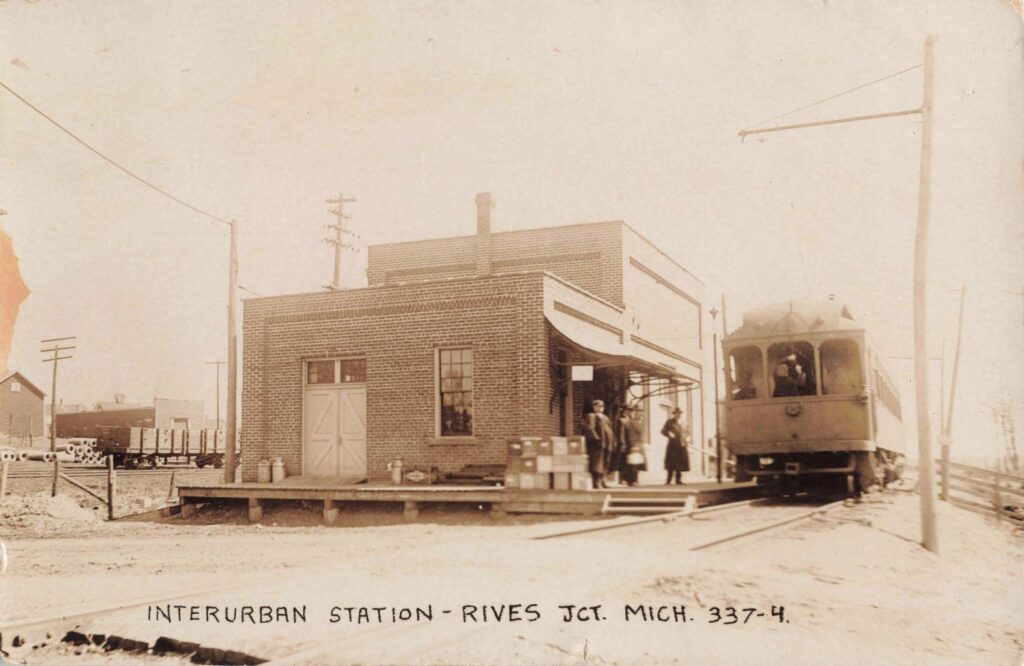
In the early 1900s, electric interurban railways reached Rives Junction. These lines offered faster and more frequent service between nearby cities.
For a short time, the town stood at the intersection of two transportation systems:
- Traditional steam railroads
- Modern electric interurban lines
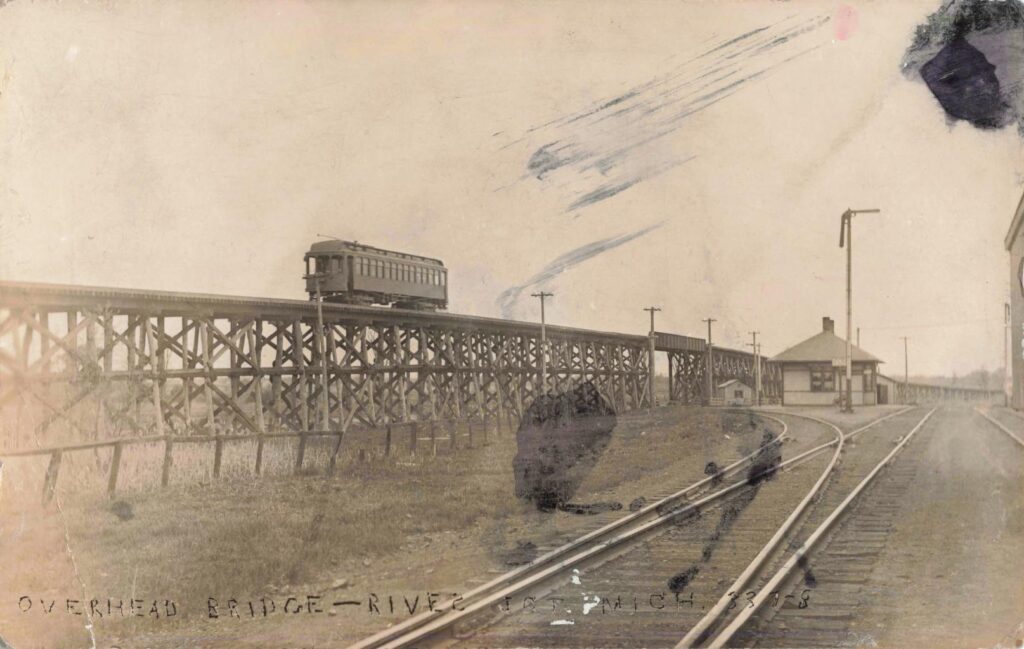
This moment marked a transition in Michigan transportation history.
But it did not last.
Automobiles soon replaced interurban travel. By the 1920s, many electric rail lines shut down. Rives Junction lost one of its key connections just as quickly as it had gained it.
Why Rives Junction Never Grew
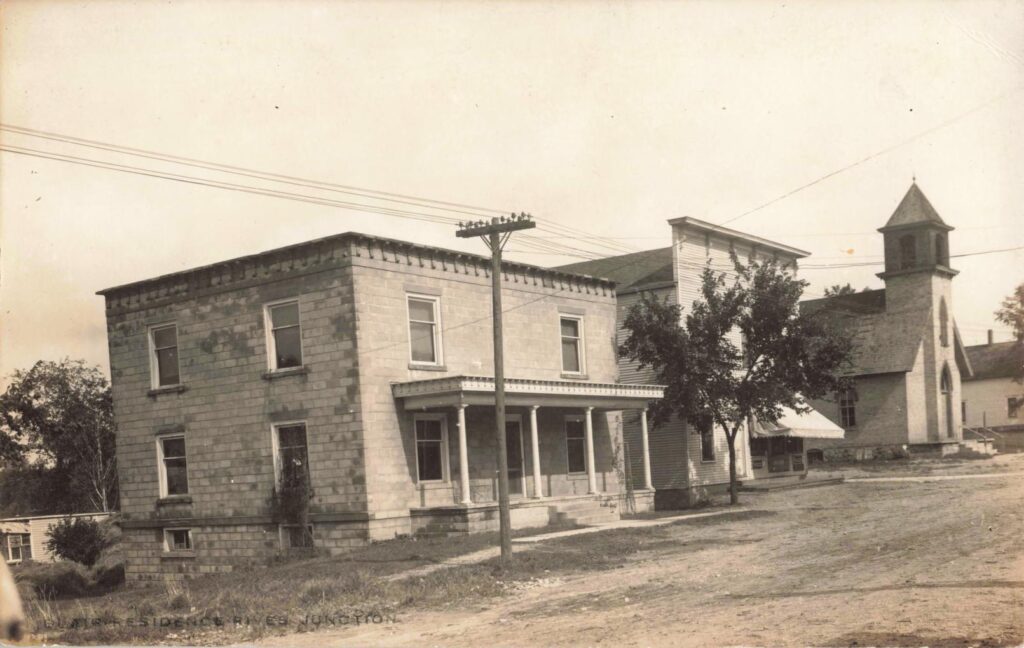
The History of Rives Junction Michigan presents a surprising truth.
Despite its importance as both a survey origin point and a rail crossing, the town never became large.
At first glance, that seems unusual. A place that defined Michigan’s land system and connected major rail routes should have grown.
But the opposite happened.
The Real Reason
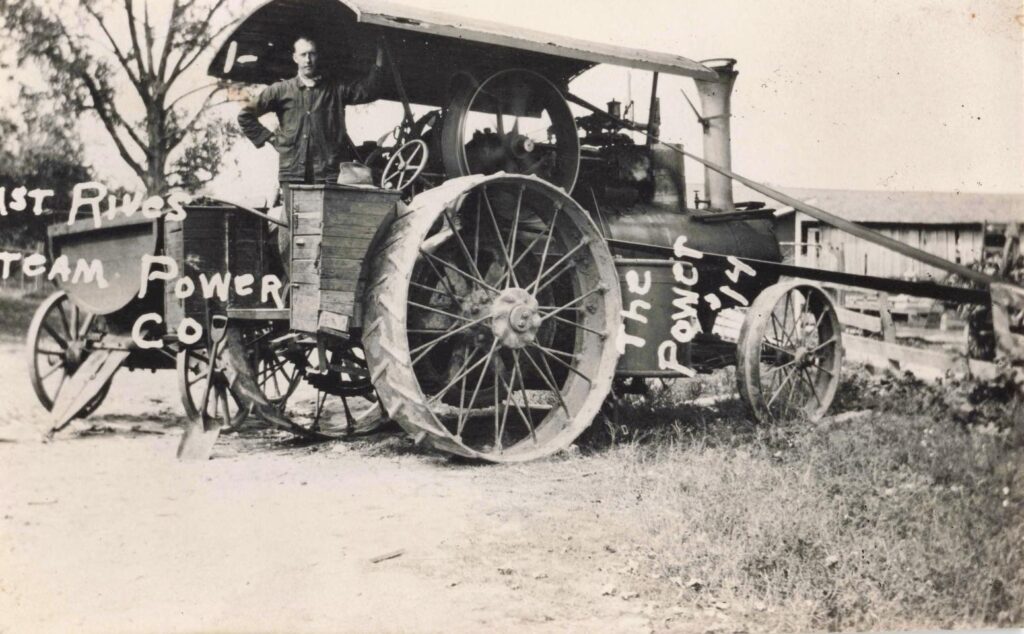
- Nearby cities like Jackson and Lansing attracted long-term residents
- Jobs, services, and investment are concentrated in larger communities
- Rives Junction remained a place people passed through
In other words, being well-connected did not guarantee growth.
It often meant the town served others rather than expanding itself.
Daily Life in a Working Junction – A Community Built Around Movement
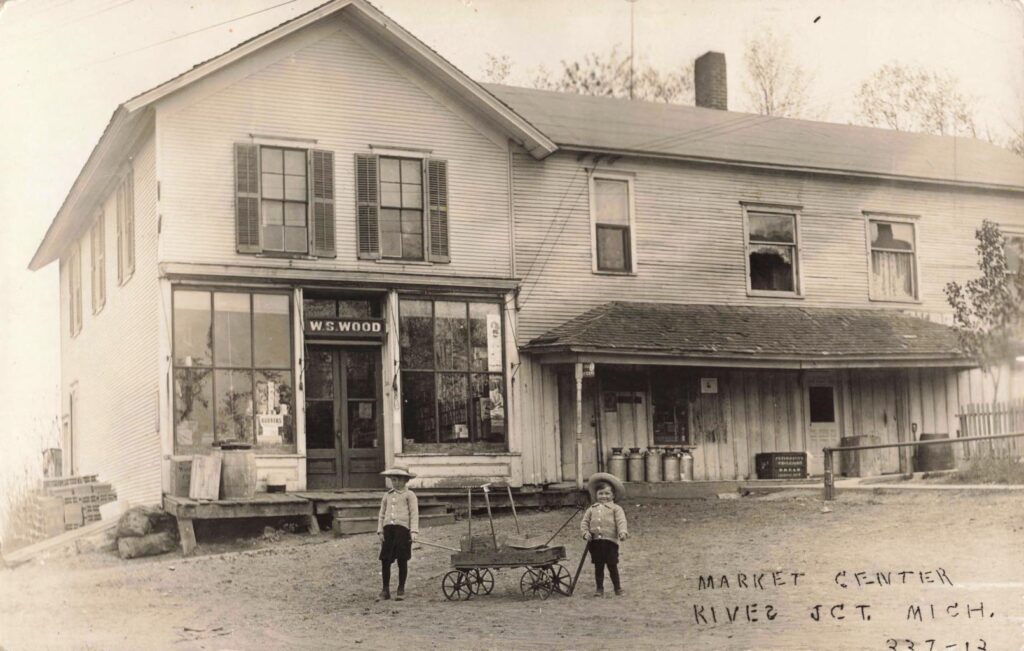
Even without major growth, Rives Junction supported a functioning community.
Local features included:
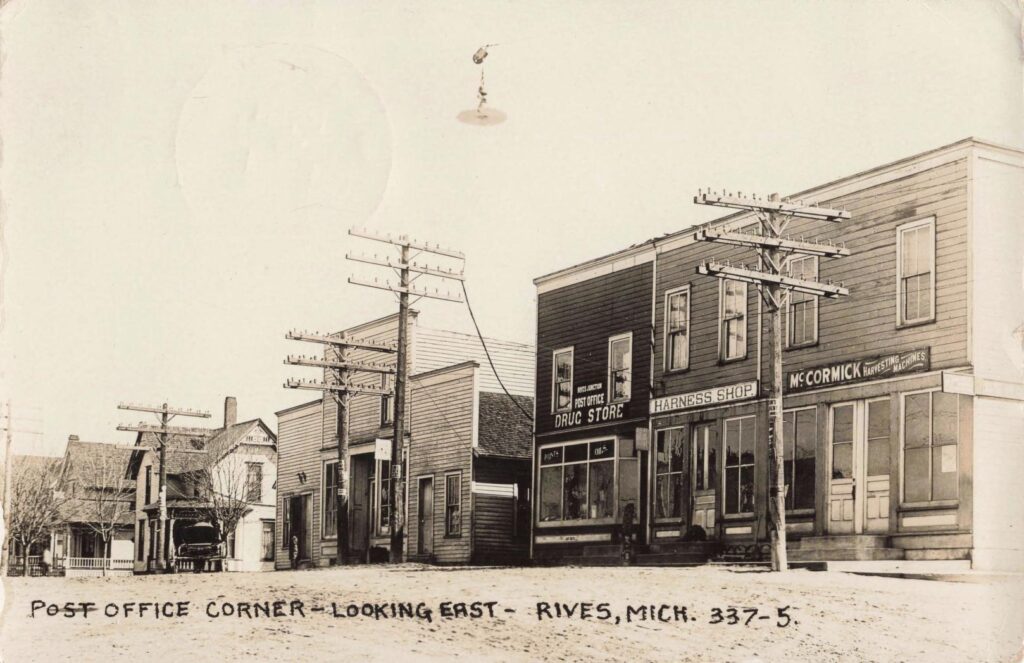
- A general store for supplies and social gatherings
- A hotel that served railroad workers and travelers
- A mill that processed agricultural goods
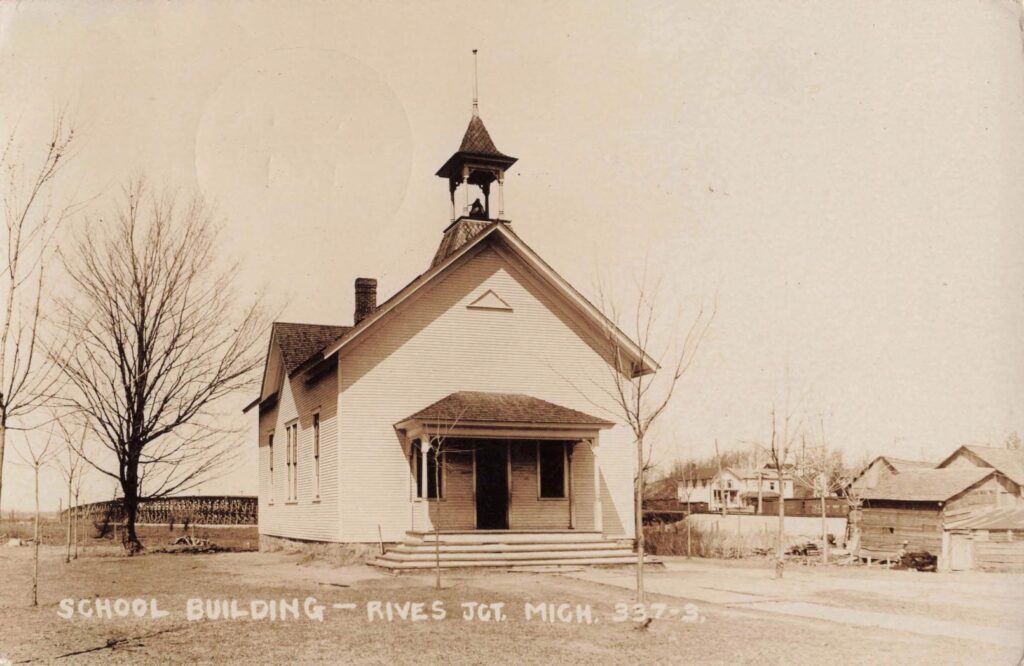
- A schoolhouse for children from surrounding farms
Life in the town followed a steady rhythm. Trains arrived and departed. Goods moved. People came and went.
The town was not built for show. It was built for purpose.
The Shift Away From Rail – Changing Transportation Patterns
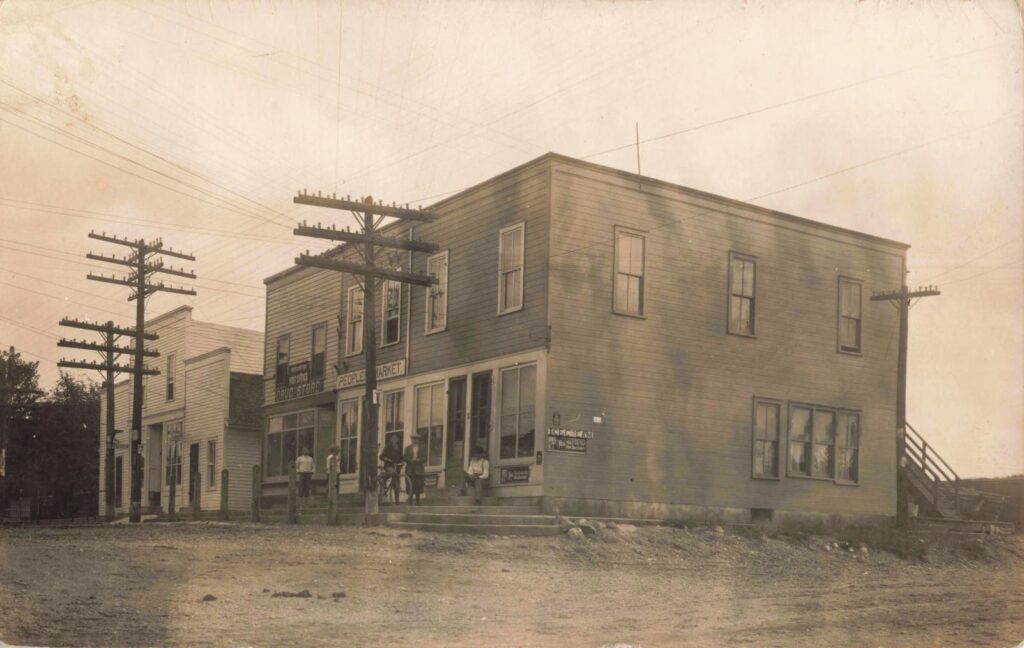
By the mid-20th century, transportation patterns changed across Michigan.
- Automobiles replaced interurban rail travel
- Trucking reduced reliance on local freight depots
- Railroads consolidated routes and eliminated smaller stops
Rives Junction did not disappear, but its role diminished.
The tracks remained. The crossing still existed. But the constant flow of activity slowed.
What Remains Today – A Quiet Place With a Lasting Impact
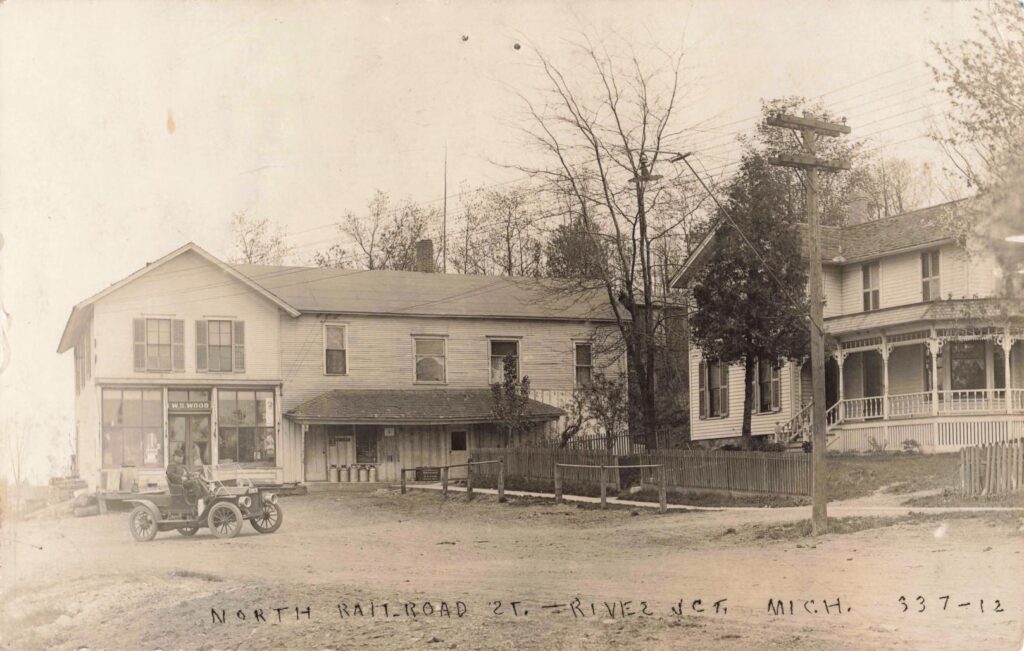
Today, Rives Junction is easy to overlook. It is a small community without the scale or recognition of nearby cities.
But its historical importance remains.
The History of Rives Junction Michigan is not defined by population or growth. It is defined by function.
- It helped establish the Michigan land survey system
- It served as a working railroad junction
- It connected people, goods, and regions for decades
That legacy continues, even if it is not widely recognized.
Final Reflection: A Place That Measured and Moved Michigan
There is a quiet irony at the center of this story.
Rives Junction helped define where everything in Michigan would be built. It later helped move goods and people across the state.
Yet it never became a major destination itself.
It measured the state.
It connected the state.
But it remained small.
That is what makes the History of Rives Junction Michigan worth telling.
Works Cited For the History of Rives Junction
Related Posts