 by
by 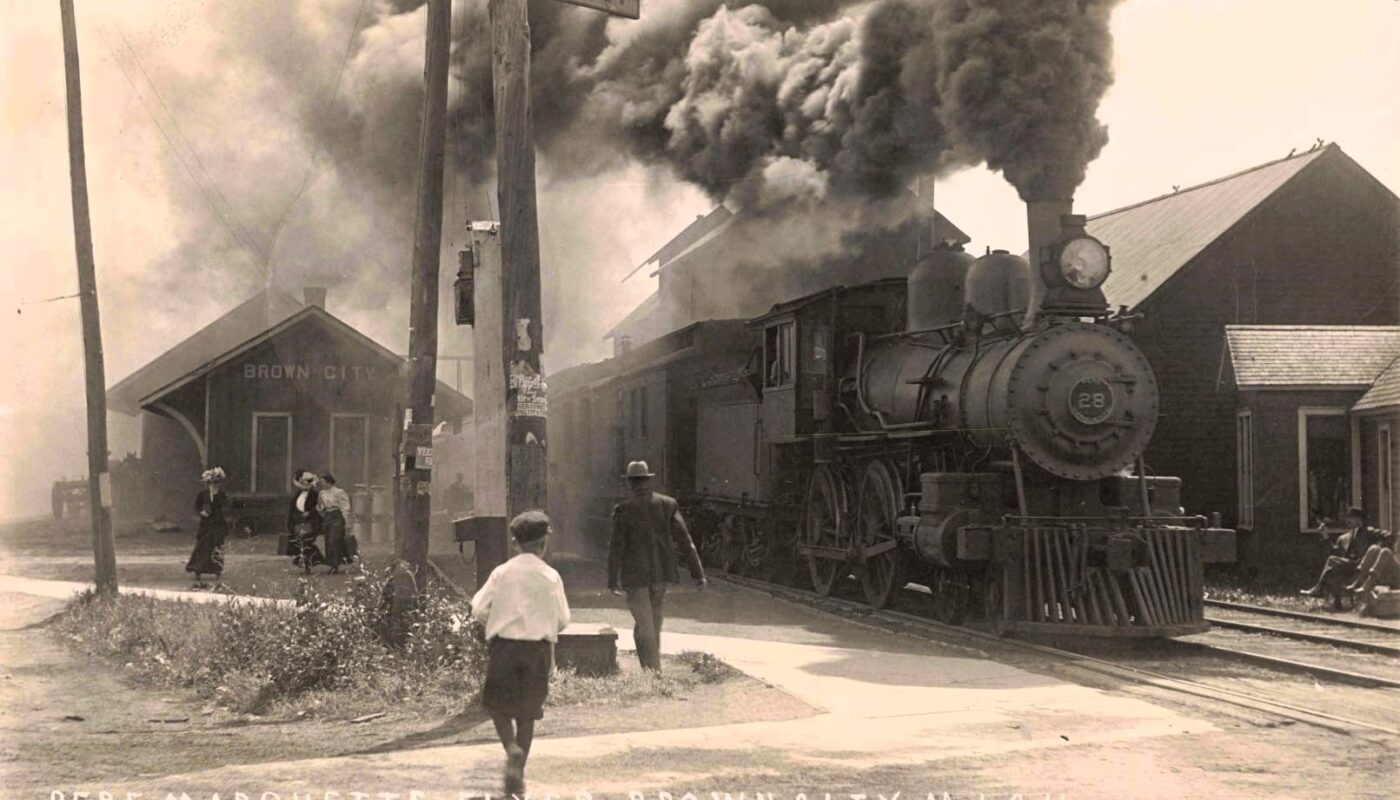
If you drove through Brown City in the early 1900s, you would immediately notice two things: the railroad and the farms. The history of Brown City Michigan, begins as a railroad station in 1879 and quickly developed into a busy agricultural shipping center for Michigan’s Thumb region. Its grain elevator, rail depot, and later motorhome manufacturing industry helped shape the community’s long and unexpected history.
Those two forces shaped nearly everything about the town’s early life. Brown City was not built around a courthouse or a harbor like many Michigan communities. Instead, it grew around a railroad station that opened in 1879 along the Port Huron and Northwestern Railway.
From that moment on, trains became the town’s lifeline.
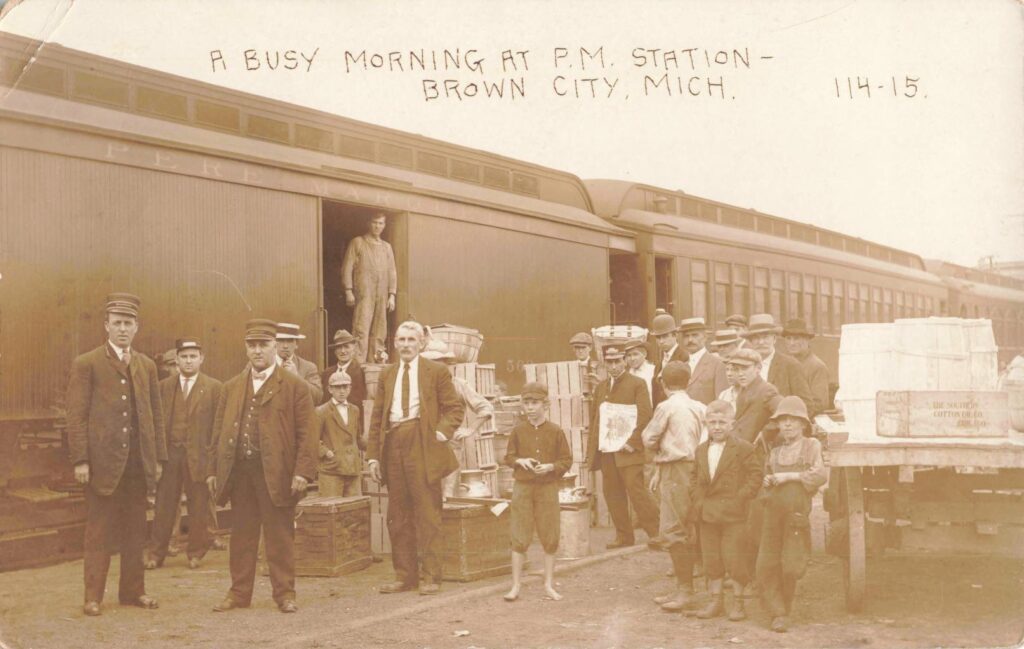
Within a few short years, warehouses, stores, and homes appeared near the tracks. Wagons loaded with grain and timber rolled into town while freight cars carried local products to Detroit and beyond. What started as a railroad stop soon turned into a busy Thumb-region market town.
Video – Brown City Steam, Streets and Stories
A Town Built by the Railroad
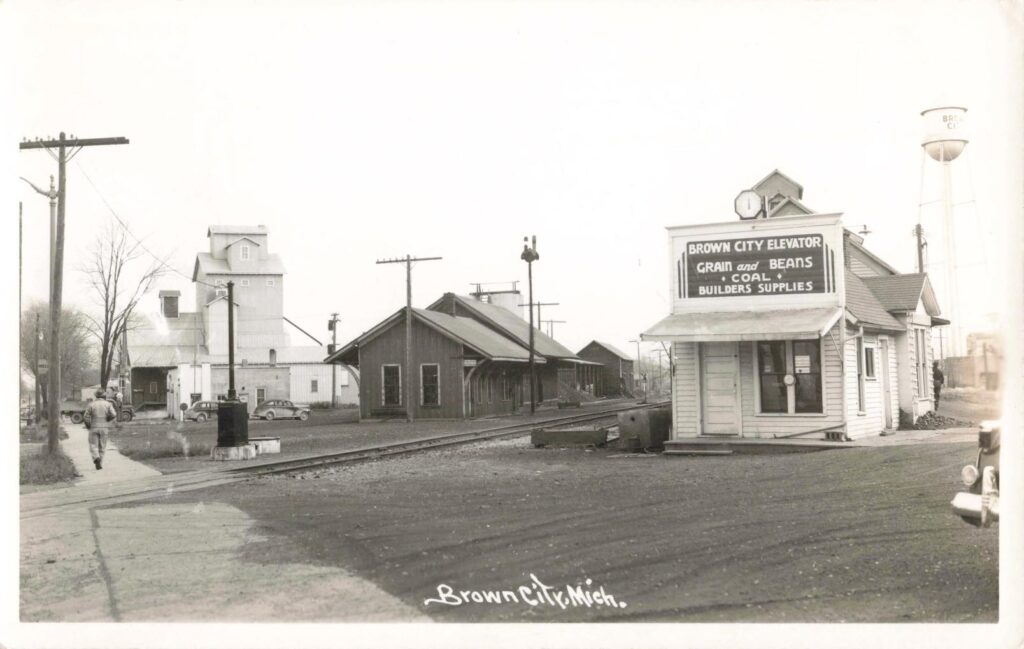
In the late 1800s, railroads could create a town almost overnight, and Brown City is a good example.
Farmers from the surrounding countryside suddenly had a reliable way to ship crops and livestock. Lumber operators could send timber south to growing cities. Merchants opened stores to supply the steady flow of farmers, workers, and travelers passing through.
The town’s growth followed a predictable pattern:
- 1879: Brown City begins as a railroad station
- 1887: The community incorporated as a village
- 1907: Brown City officially becomes a city
By the early 1900s, Brown City had established itself as a dependable trading center for farmers across the region.
Main Street in the Early 1900s
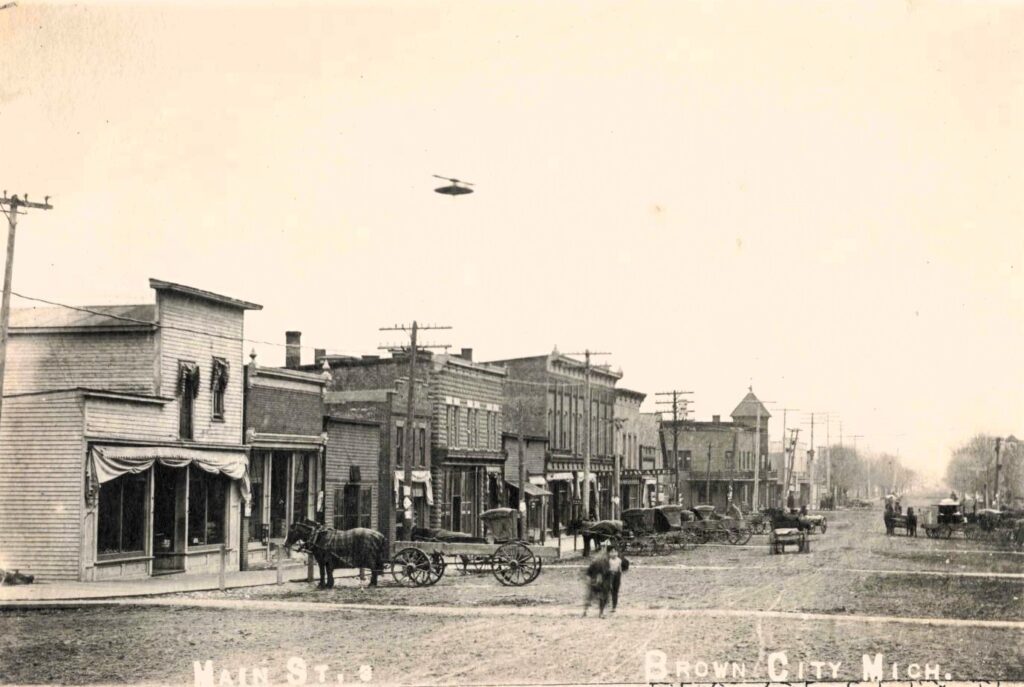
Historic postcards from the period show a town that was busy but practical.
Main Street featured sturdy brick storefronts and wide dirt roads. Wooden sidewalks ran past general stores, barbershops, banks, and dry-goods merchants. Hitching posts lined the street for horses, though by the 1910s, a few early automobiles began appearing in front of the shops.
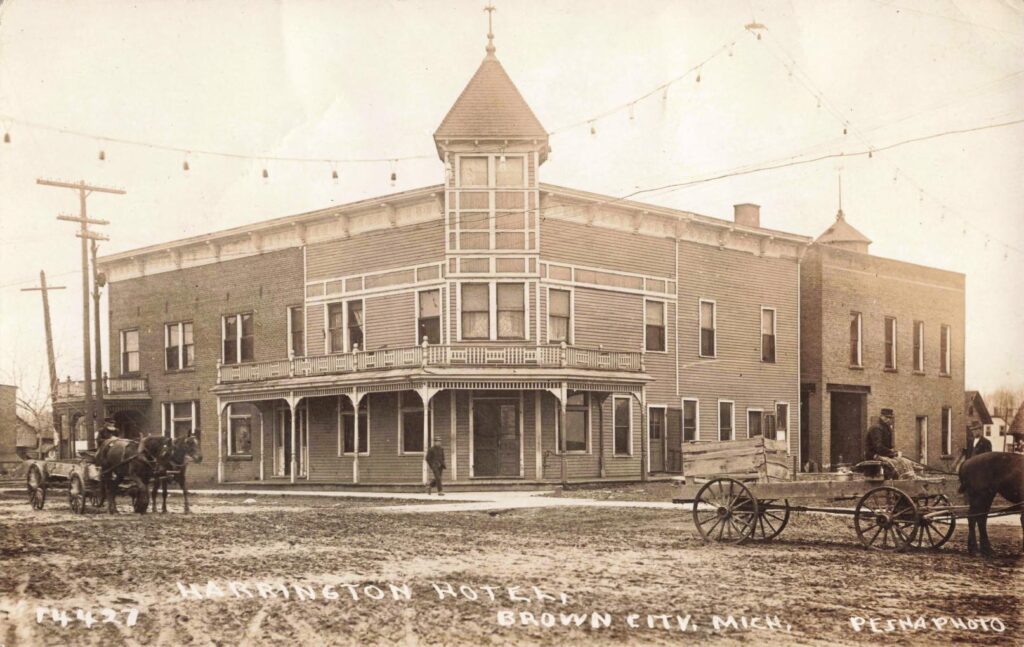
Hotels such as the Harrington Hotel and the Carroll House served traveling salesmen and visitors arriving by train. For many people passing through the Thumb, Brown City was a regular stop.
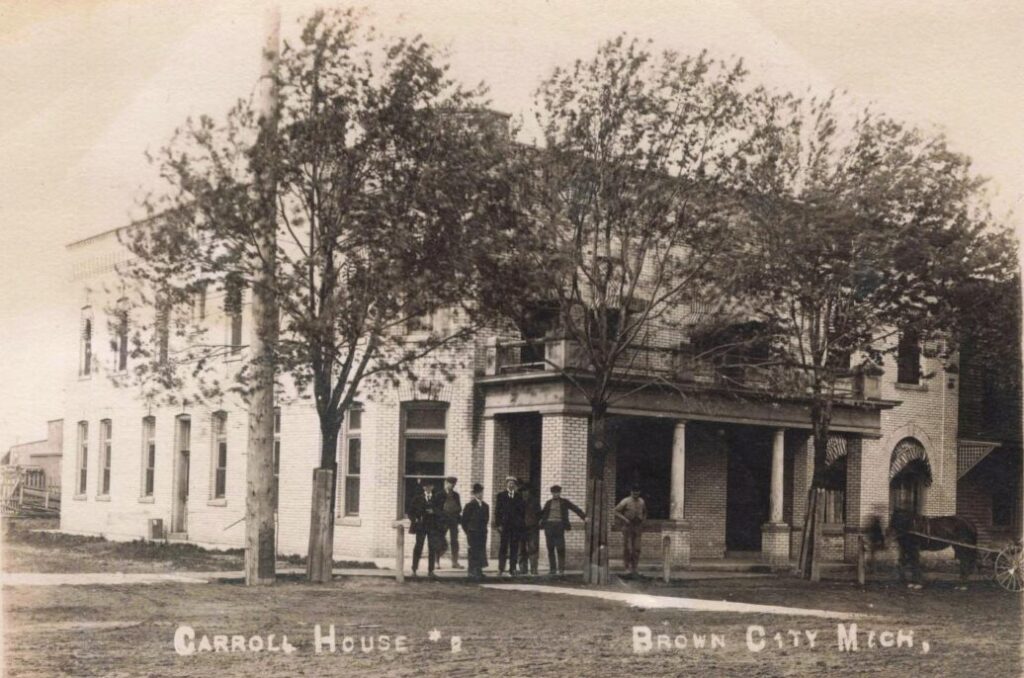
The Carroll House sits along a dirt street in Brown City, as a small group of men gathers by the front entrance and a horse-drawn wagon waits nearby. In many Michigan communities, a “House” name often meant a hotel or boarding place for travelers. What is clear is the scale: a big brick building with a deep porch, right in the middle of town life.
The Brown City Elevator: Center of the Farm Economy
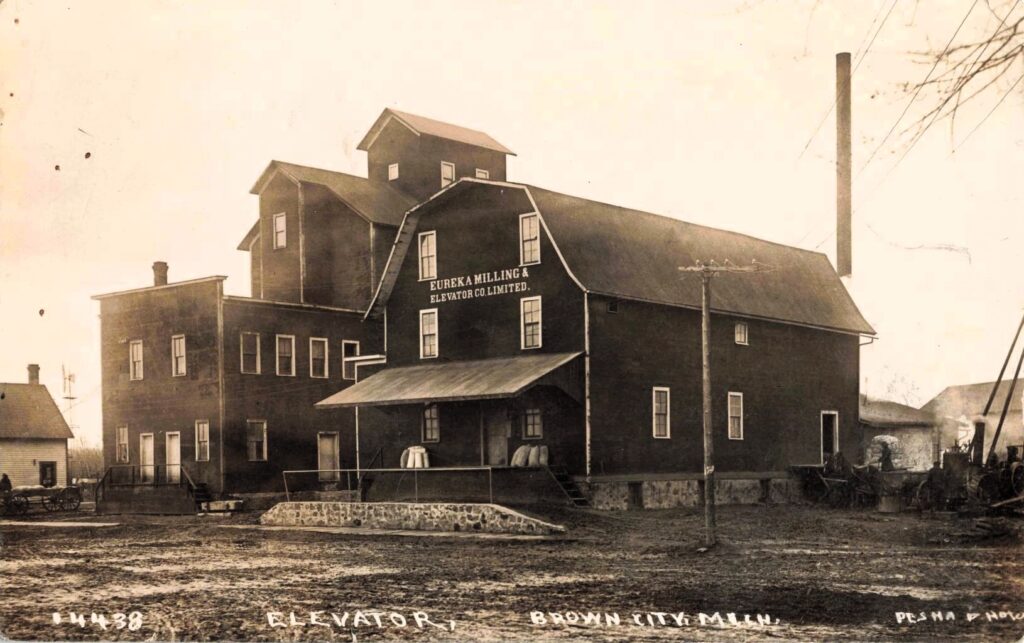
For local farmers, one building mattered more than any other—the Brown City Elevator.
The Eureka Milling & Elevator Co. Limited dominates this view of Brown City, likely around the early 1900s. The company name is painted right on the siding, with a tall smokestack rising behind the elevator — a reminder of how central grain handling and milling were to small rail towns in Michigan’s Thumb. A 1914 State of Michigan report even lists “Eureka Milling & Elevator Co.” among Brown City operations.
Elevators like this were essential to rural towns. Farmers hauled grain and beans into town where crops were weighed, stored, and prepared for shipment. The elevator also handled coal deliveries that heated homes and businesses through Michigan winters.
On busy days, wagons filled the streets around the elevator while shipments waited for the next train to roll through.
Agriculture shaped the rhythm of the town. Planting season, harvest, and shipping schedules influenced daily life.
When the Whistle Blew
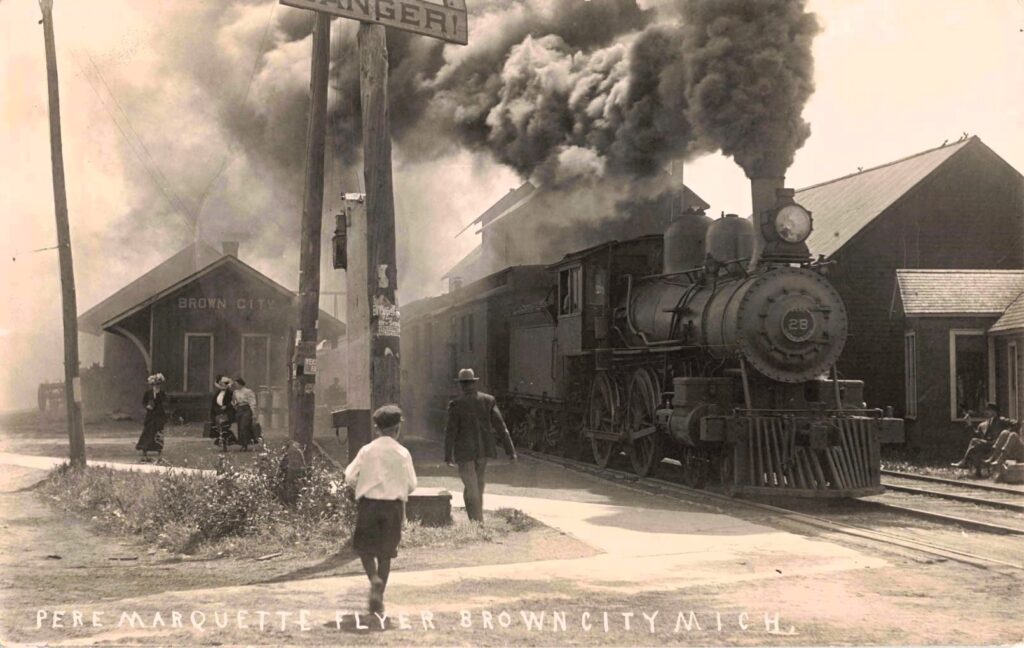
In the early decades of the 20th century, the sound of a locomotive whistle could be heard across town.
Trains operated by the Pere Marquette Railroad later moved through the area carrying passengers, livestock, and freight. Residents depended on the railroad for mail, supplies, and travel.
For a small community, the connection to the rail network meant access to the wider world.
A Town Between Two Counties
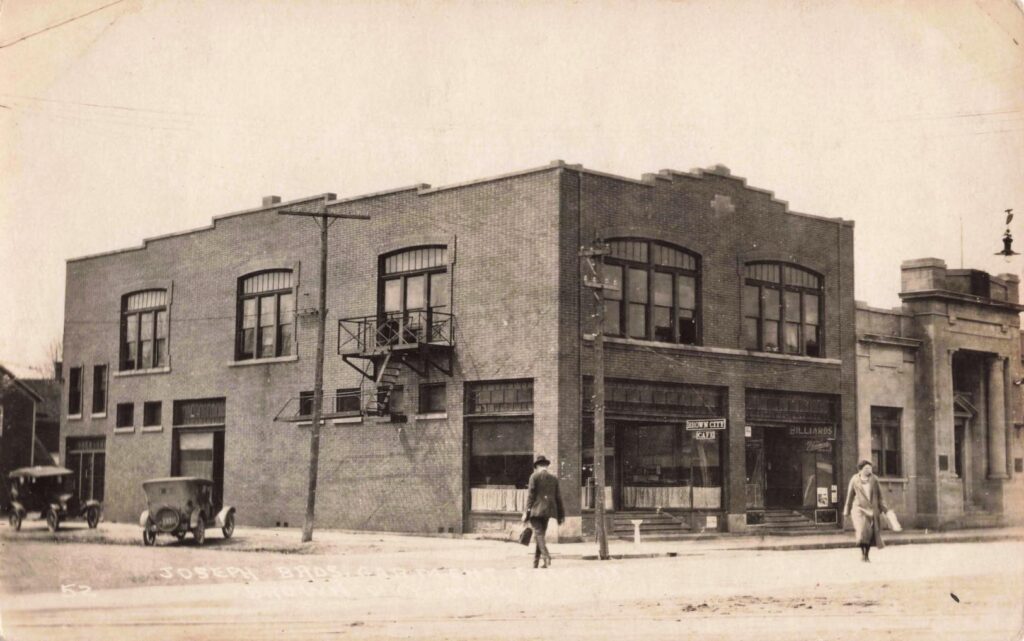
Joseph Bros. Garment Factory anchors this busy street corner in Brown City, Michigan, in the early automobile era. The postcard title calls it a garment factory, and the ground-floor windows advertise everyday stops too — a “Brown City Cafe” and “Billiards.”
If the timing is right, this photo may capture the business near the end of its run: a brief item in the Cass City Chronicle reported the Joseph Bros.’ garment factory in Brown City was closed in January 1927.
One interesting detail about Brown City is its location.
The city sits almost exactly on the line separating Sanilac County and Lapeer County.
That geographic quirk helped expand the town’s trade area. Farmers from both counties brought crops and livestock into Brown City, giving the town a larger customer base than many nearby villages.
Motorhomes – An Unexpected Industrial Chapter
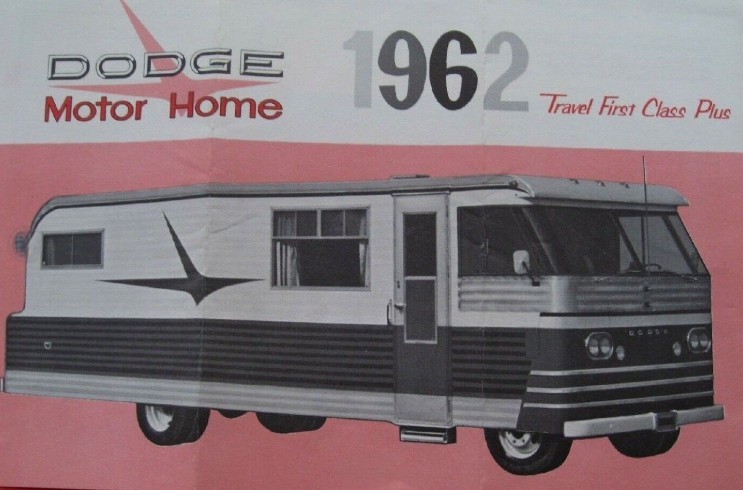
While Brown City started as a farm and rail town, it later added a surprising industrial identity.
During the mid-20th century, the community became home to the Travco Motorhome Company. Travco produced fiberglass motorhomes that became popular with Americans taking to the highways in the early days of recreational travel.
Because of that factory, Brown City earned an unusual nickname:
“Home of the Motorhome.”
It was a reminder that even small rural towns could play a role in larger manufacturing trends.
A Nearby Historic Landmark
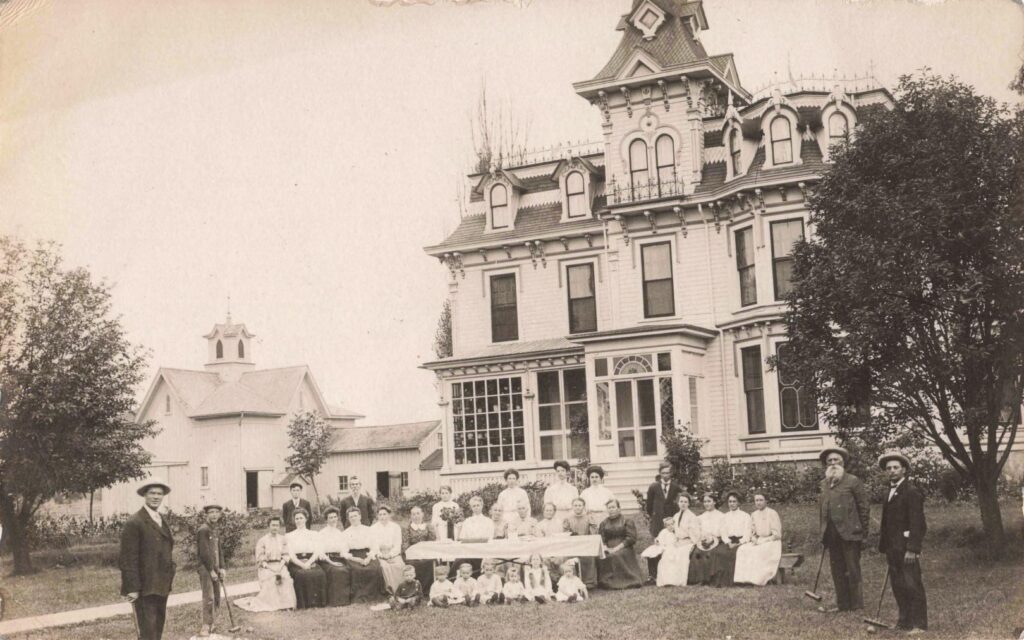
Just outside town stands the well-known Bruce Mansion.
Built during the region’s lumber era, the mansion remains one of the Thumb’s most recognizable historic homes. Its presence reflects the prosperity created by early industry and transportation routes that helped communities like Brown City grow.
What Makes Brown City’s Story Interesting
Several details make Brown City stand out among Thumb-area communities.
- The town began strictly as a railroad station community
- Lumber and agriculture both played roles in its early economy
- Its position between two counties expanded its market reach
- The Brown City Elevator served as a major agricultural exchange point
- The Travco factory later connected the town to the rise of recreational vehicles
A Small Town With a Long Story
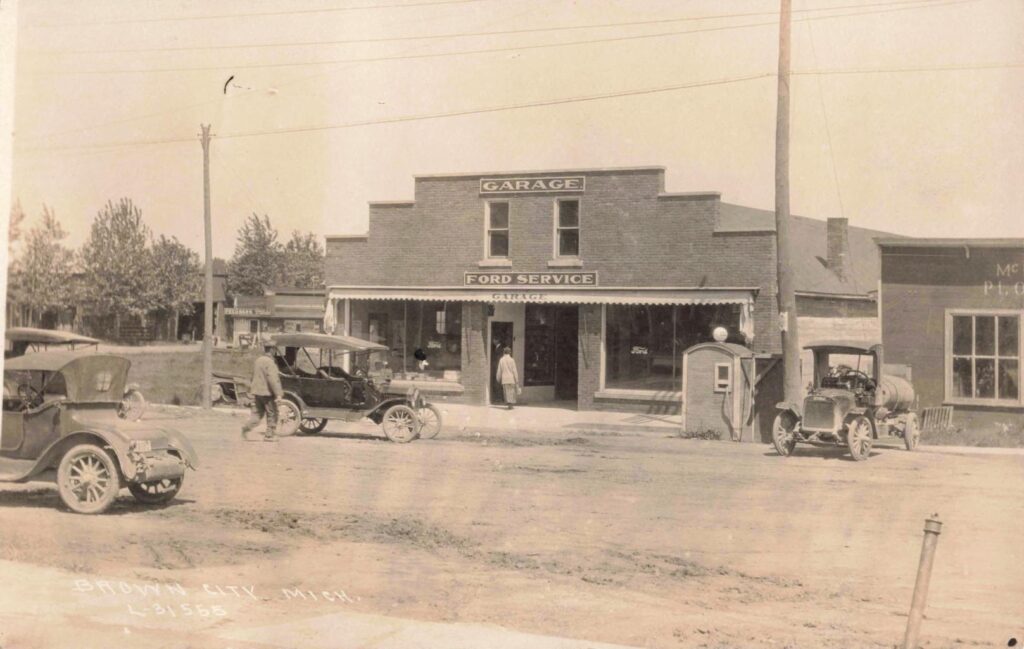
The postcards from Brown City’s early years show something familiar across Michigan’s rural towns: steady work, busy streets, and communities built around transportation and farming.
Railroads brought opportunity. Agriculture sustained the town for generations. Later, manufacturing added another layer to its story.
Today Brown City remains a small community in Michigan’s Thumb, but its past tells a larger story about how transportation, farming, and industry shaped towns across the state.