
 by
by 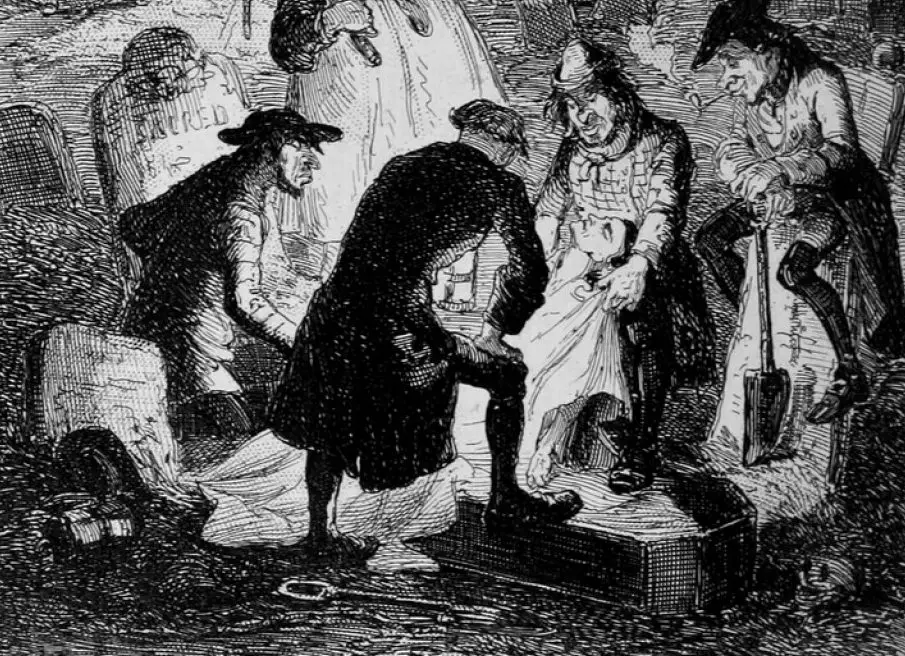
On a quiet night in 19th-century Michigan, the dead were not always allowed to rest. Beneath the cover of darkness, freshly turned soil and disturbed headstones told a chilling story—one of stolen bodies, secret medical deals, and a growing public fear that no grave was truly safe.
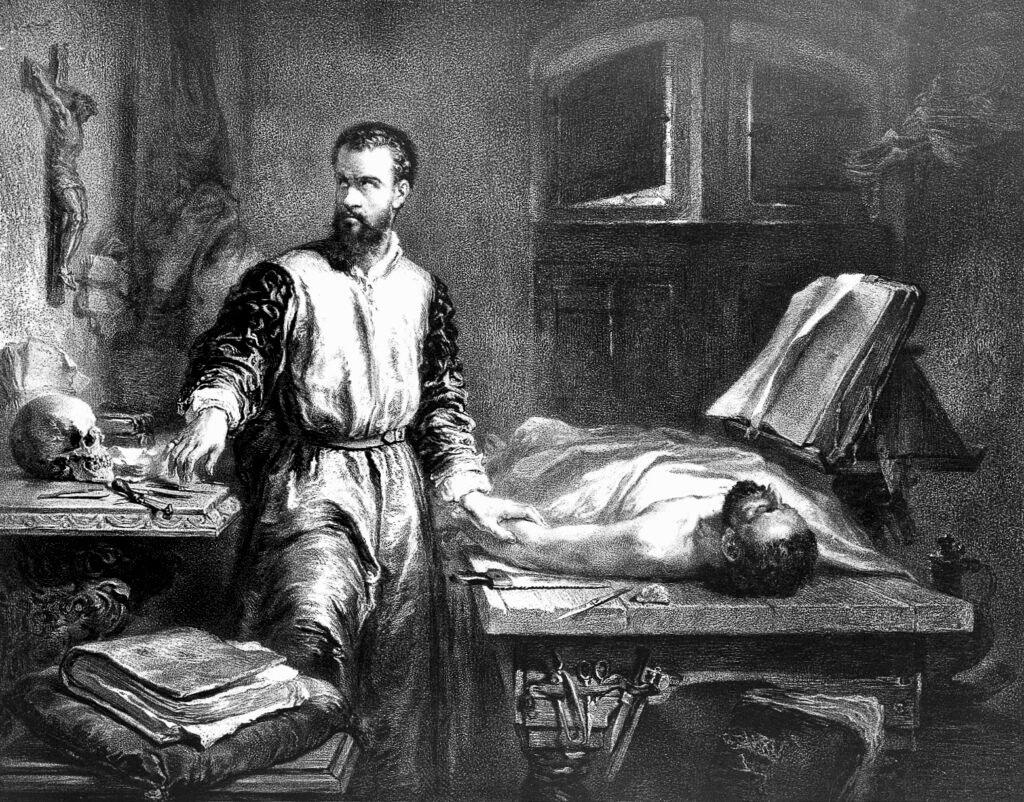
During the mid-to-late 1800s, grave robbing and body snatching became an unsettling reality across the state. As medical schools expanded and the demand for human cadavers increased, Michigan’s cemeteries became unintended suppliers. Michigan grave robbers practice was illegal, deeply offensive to families, and yet quietly tolerated in some academic circles as a necessary evil for medical advancement.
From rural churchyards to city cemeteries, incidents of missing corpses sparked outrage, panic, and sometimes violent backlash. Communities organized night watches, reinforced graves, and demanded legal reform—all while body snatchers continued their grim work in the shadows.
The history of grave robbing in Michigan reveals more than just a series of crimes; it exposes a time when science, ethics, and public trust collided in the most literal sense—six feet under. See Grave Robbers Worked for Science and Themselves for more detail.
Listen to this Story About Michigan Grave Robbers
The Caseville Grave Robbers
Dr. S.J. Henderson operated a drug store connected to his doctor’s office. Today this building hosts gift shops and a real estate office. This small, one-story building had a Michigan cellar underneath sided with logs and a foot and a half of new sawdust on the floor. This building was located between the GAR Civil War Monument and Russell LeBlanc’s gift shop in Caseville. The building at that time was an apothecary (drug store), and he employed a girl helper. This morning, the girl had occasion to go into the cellar.
She came up screaming about a man in the cellar. Her face was livid with fright. Several men ran up to her and inquired what she was screaming about. Shaken, she said that a man was hiding in the sawdust, and she saw his feet sticking out. Well, the fellows went down with the intent tan the hide off the culprit. But they, too, came back up the stairs in a flurry of excitement, calling for the town constable. Upon investigation, they discovered a man alright, but he was harmless and very dead. He had been buried the day before as some of them had attended his funeral. Need-less-to-say, the incident was a hot topic of conversation in town.
Grave Robbers Strike the Caseville Cemetary
The mystery deepened as some unknown person had dug up the man from the grave, removed his burial clothing, and hid the body in the sawdust of the cellar of Henderson’s drug store. The sawdust had fallen away from the bare feet, and this was what the girl saw. “Grave robbers have been at work here,” said the town constable, Horrors! Creepy thoughts and fear walked the streets of Caseville.
The cemetery was searched, and three empty coffins were found from recent burials. Stories started coming to light as folks thought harder about the past few days’ events. On his way home at night, the man coming past the graveyard had heard voices and what sounded like the clink of a shovel on a stone but didn’t tell anyone for fear of being laughed at and ridiculed.
Night Time Shenanigans at the Graveyard
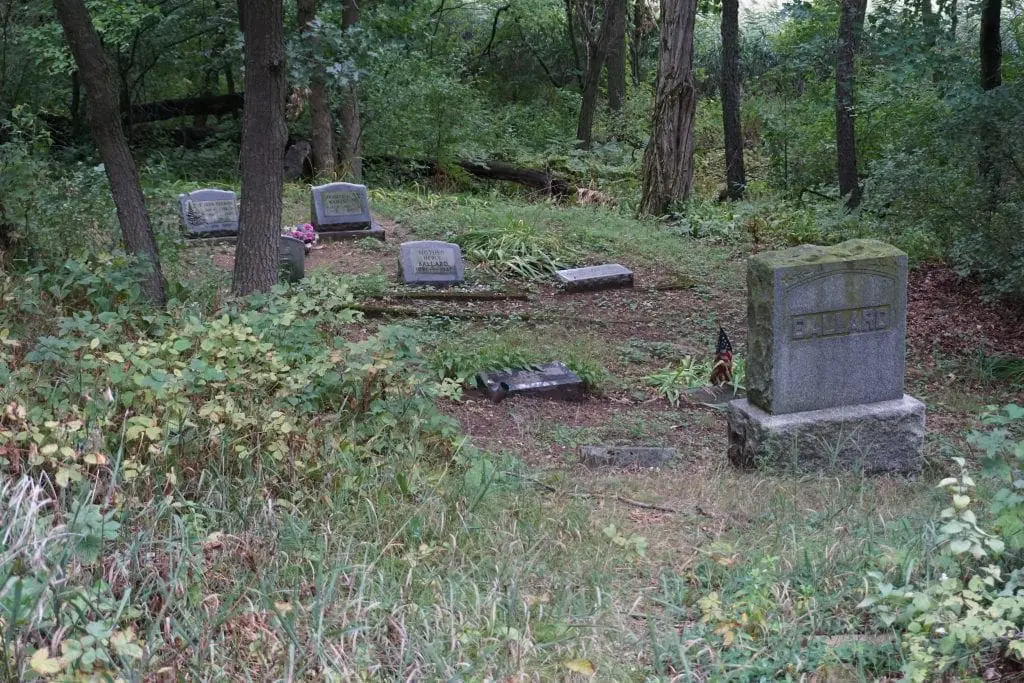
The newlyweds, Mr. and Mrs. Meyers, are living near the Ora Labora Colony just north of Bay Port. One morning, the young wife was up at 2 o’clock, hearing a rig coming on the rough ground. She looked out into the bright moonlight and noted a madly racing horse team driven by a man playing a whip over the horses’ backs. From his seat on the buck and rolling around on the of the buckboard, head hanging over the open tailboard, was the body of a man. Awaking her husband and telling him about the weird sight, she got nothing but a laugh and an “Oh, come on back to bed honey, that’s just taking a drunk home.”
This story proved the grave robbing gang was at work in Michigan’s Upper Thumb around Bay Port and Sebewaing village. Through the combined efforts of the three, these miserable creatures were caught. Three men were at work. They confessed to stealing the one man on recent burials.
The bodies were taken the night after the funeral, stripped, wrapped in canvas, and taken as fast as horses could travel to Saginaw. The gruesome cargo was put on a train and shipped to a medical school. The school paid these men well. There was no train service in Caseville at this time. How they bemoaned the unkind fate that made one of the horses go lame and unfit to travel that night. They were severely punished, thus ending the grave robbing in Michigan’s Thumb.
Medical Schools and the Demand for Bodies
By the mid-19th century, medical education in the United States was undergoing a transformation. Anatomy and hands-on surgical training were becoming essential to producing competent physicians. But there was one grim problem—there were nowhere near enough legally obtained bodies to meet the demand.
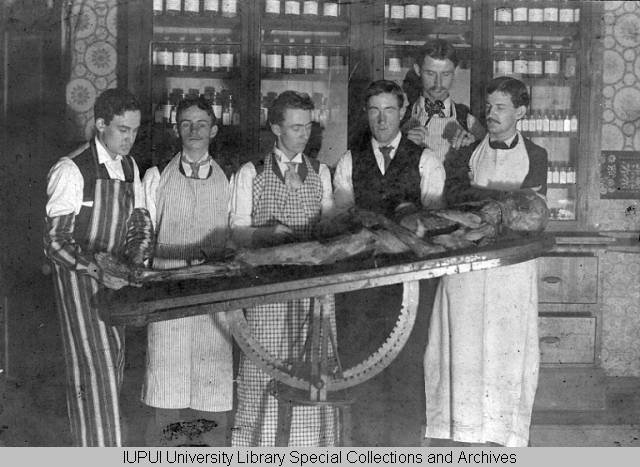
In Michigan, institutions such as the University of Michigan Medical School required cadavers for instruction, yet state laws severely limited acceptable sources. Executed criminals and unclaimed bodies were few, unpredictable, and often contested by families. As enrollment grew, so did the shortage.
This scarcity created a shadow economy. Professional body snatchers—often called “resurrectionists”—supplied corpses stolen from fresh graves, selling them discreetly to medical contacts. While professors and administrators rarely acknowledged the practice publicly, many were aware of its existence and benefited from the results.
Medical students sometimes found themselves complicit. In some cases, they were pressured to participate directly; in others, they were encouraged not to ask questions. The pursuit of scientific progress blurred ethical boundaries, fostering a culture where moral responsibility was quietly shifted onto the shadows.
The public, meanwhile, saw only the consequences. Missing bodies, violated graves, and unanswered questions deepened distrust toward medical institutions. What doctors viewed as necessary education, families experienced as unforgivable desecration.
By Day, Medical Students; by Night, Grave robbers
Just before Christmas 1857, a terrifying find was made in the community of Cambridge Junction, some 40 miles southwest of the University of Michigan in Ann Arbor. Men arriving to work on a church saw an unsightly scene, including blood streaks, hair tufts, and signs that important objects had been dragged across the ground. They found a large amount of fresh dirt near empty graves in the little cemetery in the back.
According to the local sheriff, the medical school at the University of Michigan was the place to look for the missing remains. Yes, they were there, concealed by medical students. Despite being embarrassed, the students handed up the bodies and went back to their studies. The students handed over the bodies and returned to their studies, humiliated yet unfazed. This type of thing happened all the time in the 1800s, not only in Michigan, but everywhere teachers taught medical students how to save lives.
Public Fear, Cemetery Defenses, and Legal Change
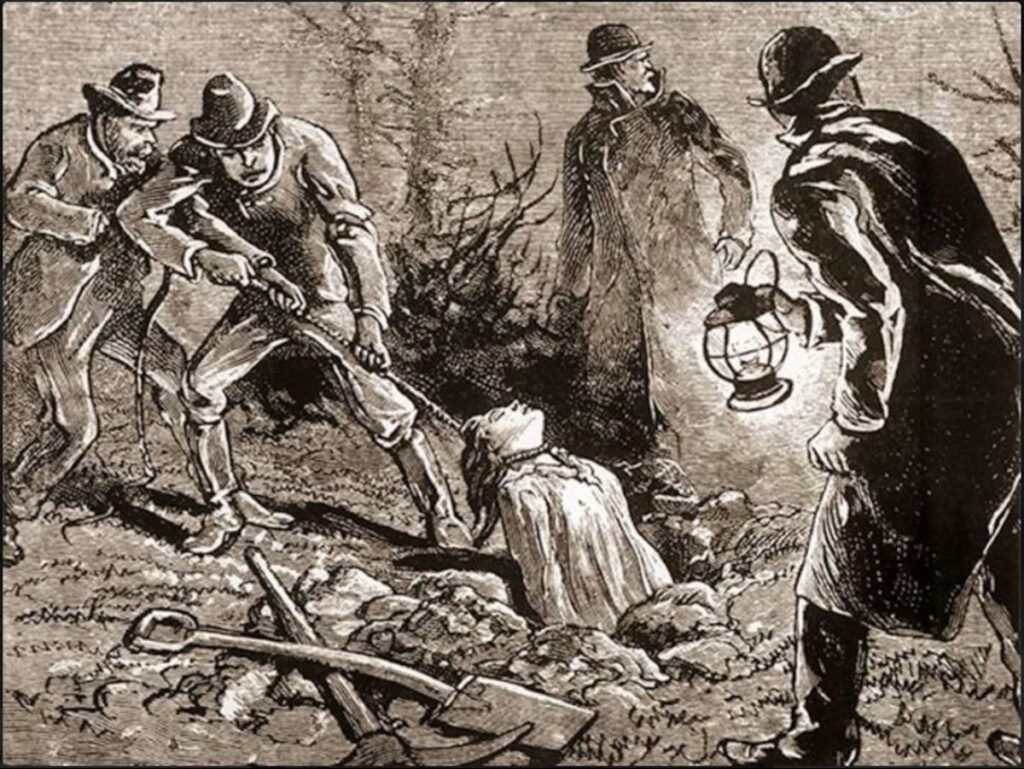
As reports of grave robbing spread, fear took hold across Michigan communities. Cemeteries—once places of quiet reflection—became sites of anxiety and suspicion. Families began to worry not only about the living, but about the safety of the dead.
In response, people took extraordinary measures. Fresh graves were watched day and night. Some families delayed burials or reinforced coffins with stone and iron. In other parts of the country, iron cages known as mortsafes were installed to physically prevent bodies from being removed, a testament to how widespread the fear had become.
Public anger often turned toward medical institutions. Doctors and students were confronted, threatened, and in some cases attacked. Rumors spread quickly, and even innocent practitioners found themselves under suspicion. Trust between communities and the medical profession eroded, replaced by fear and resentment.
Eventually, the outrage forced lawmakers to act. By the late 1800s, states began passing Anatomy Acts, which expanded legal access to cadavers—often using unclaimed bodies from hospitals, prisons, and poorhouses. While these laws reduced grave robbing, they introduced new ethical dilemmas, disproportionately affecting society’s most vulnerable populations.
The solution, while practical, was far from perfect. It ended one horror only by exposing another.
Robbers Take the Son of a US President from the Grave; Smuggle To Michigan
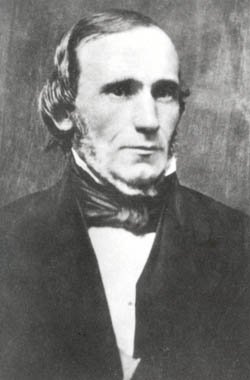
U.S. Rep. John Scott Harrison, the father of President Benjamin Harrison, is a relative of President William Henry Harrison. Despite being well-known for his political career, he was a victim of body snatchers.
According to a 1998 article in the Ann Arbor News, John Scott Harrison supposedly passed away and was buried in the family burial in North Bend, Ohio, in 1878. At the time, dissecting unclaimed remains was not yet legal in Ohio. Therefore, doctors required corpses for anatomy lessons. Body theft was a problem. Medical students may learn about anatomy from corpses thanks to voluntary body donation initiatives. Harrison’s family buried him in a sizable vault and filled it with dirt and large rocks to preserve his remains.
However, the resurrectionists persisted. On the day of Harrison’s funeral, mourners saw that a nearby new tomb that formerly contained Augustus Devin’s remains was empty. Devin teamed up with another friend to search the medical schools in Cincinnati for the body. One of Harrison’s children was a friend of Devin’s.
Instead, they found John Scott Harrison hanging precariously from a rope in a pitch-black chute. Additionally stolen was Harrison’s dead body. The Ohio History Journal reports that this terrifying episode attracted a lot of media attention. Later, his preserved body of Devin was found at the University of Michigan Medical College.
Modern Michigan Grave Robbers Don’t Need a Shovel
After detaining a lady for allegedly removing a stunning range of goods placed at graves strewn over two cemeteries, police in Michigan were incensed in 2017. About 200 different items are allegedly missing from graveyards and utilized by Lisa Corcoran to embellish her home, which is deemed felony theft. During the spooky crime spree, which included six heists, Corcoran is accused of stealing relics from 24 different graves. When Corcoran was suspected of stealing flowers from an apartment complex, someone called the police, and the grave thief was caught. Investigators were appalled to discover 188 different items that they believe were taken from atop graves in her home. They were astonished to learn this.
The Legacy of Grave Robbing in Michigan
By the end of the 19th century, grave robbing in Michigan had largely faded from public view. Legal reforms and expanded access to cadavers reduced the need for body snatching, and medical education moved into a more regulated era. On the surface, it appeared the problem had been solved.
Yet the legacy of that time remains unsettling.
The widespread fear, the violated graves, and the quiet complicity of respected institutions left scars that extended far beyond the cemeteries themselves. Communities learned—sometimes violently—that scientific progress did not always arrive cleanly or ethically. Trust, once broken, was slow to return.
Modern medical ethics, informed consent, and strict oversight exist in part because of these abuses. They are safeguards built on lessons learned when the dead were treated as commodities and the living were left to grieve in anger and disbelief.
Today, Michigan’s cemeteries are peaceful places once more. But beneath the soil lies a history that reminds us progress carries responsibility—and that even noble pursuits can cast long shadows when ethics are ignored.
Images on this page may contain affiliate links in which we may receive a commission. See our affiliate disclosure for details.
Historic Photos of Detroit in the 50s, 60s, and 70s
Historic Photos of Detroit in the 50s, 60s, and 70s documents what a Metro Detroiter would have experienced through those decades, from the commonplace to a visit from John F. Kennedy.

Related Michigan Grave Robbers Stories
- The Haunted Bay Port Hotel – About the year 1900 despondent young man committed suicide in one of the lower rooms by slashing his wrists and throat. Before he dies, the young man succeeds in making bloody handprints over the beautiful walls of his room. Because it was difficult to cover up the stains, this was locked up and not used again.
- The Port Crescent State Park Sits on a Ghost Town – Port Crescent State Park is one of the largest state parks in southern Michigan. Located at the tip of Michigan’s “thumb” along three miles of Lake Huron Saginaw Bay’s sandy shoreline, the park offers excellent fishing, canoeing, hiking, cross-country skiing, birding, and hunting opportunities. However, a little-known aspect of this park is that it sits in a ghost town.
- Haunted and Spooky Sites in Michigan’s Thumb – Michigan’s Upper Thumb is full of colorful history—from the boomtowns of the 1800s lumber era to today’s resorts and vacation homes. The area has long been acknowledged as an active paranormal region and has been the subject of books, film, and television.
- Stay in a Haunted House, If You Dare! – The Inn was built in 1890 at the end of the lumber era in the Upper Thumb. Contracted by William H. Wallace, the Victorian-style home was designed with the tastes and style common at that time by those with means.



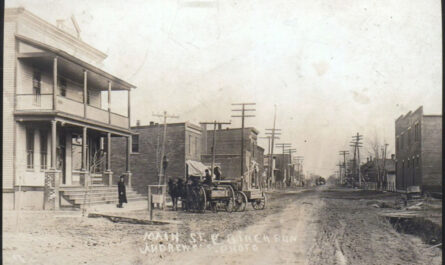
Yikes! The building site mentioned was where I used to work. Not same building, of course! Thankfully.
Amazing story.
Wow. Never heard this before!