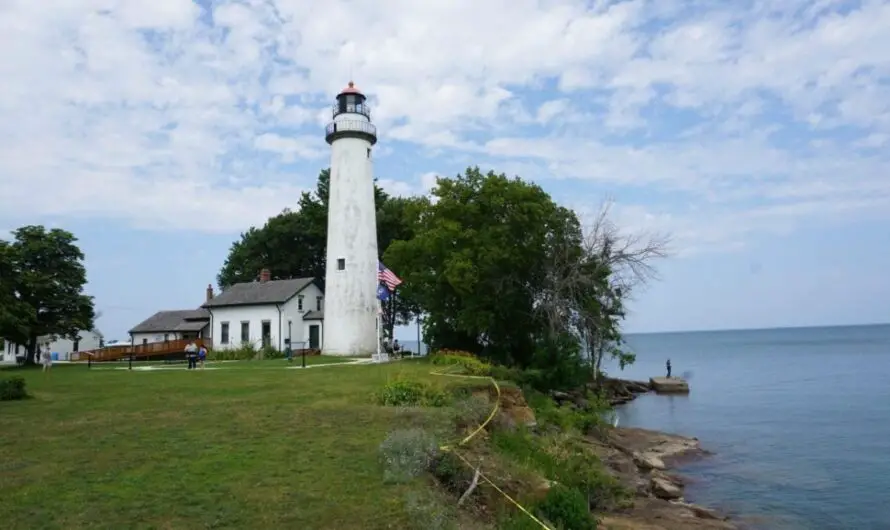
First Female Lighthouse Keeper Michigan: The Untold Story of Catherine Shook
In 1849, Catherine Shook was appointed the first woman lighthouse keeper in the State of Michigan. She ran the Pointe Aux Barques Lighthouse until 1851.

News History & Fun in Michigan
 Guardian Building Lobby Detroit[/caption]
Michigan is known as the Great Lakes State. Surrounded by five of the six Great Lakes. ThumbWind has a number of stories devoted to Michigan places, food, and places to visit. Here are a few to explore
In 1849, Catherine Shook was appointed the first woman lighthouse keeper in the State of Michigan. She ran the Pointe Aux Barques Lighthouse until 1851.
While railroads had been in service for much of the major cities in southern Michigan, excursion steamships were still a comfortable and viable option to get to Michigan’s northern resort areas. You could board a ship on a Friday evening, have dinner on board, and arrive in north Michigan the next morning.
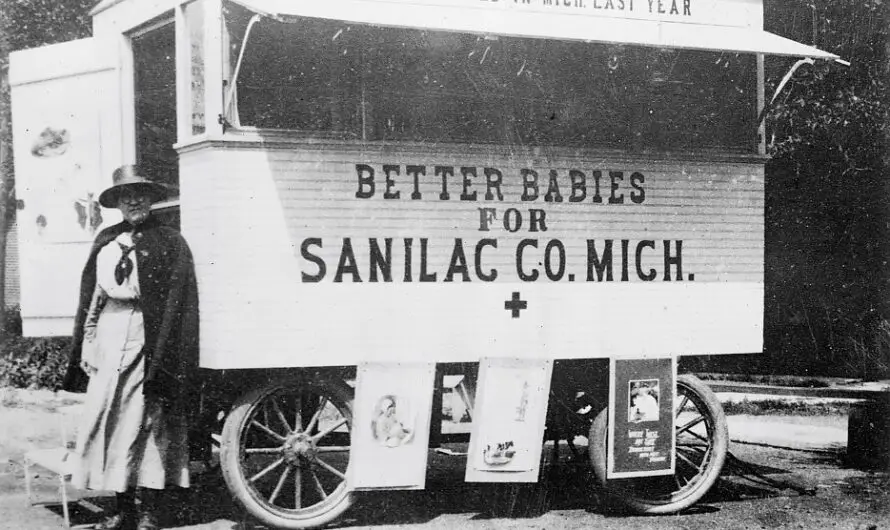
Did you know that in the 1920s, the Red Cross provided essential health care services to Michigan’s rural Thumb region? Even in those days, the Red Cross was dedicated to reaching communities in need with creativity and determination.
One small factory on the edge of Michigan’s Port Austin made Coaster Craft scooters, toy wagons and Flying Scot bikes for almost 20 years.
Today the building hosts arts and craftsmen booths and has a bicycle repair shop.
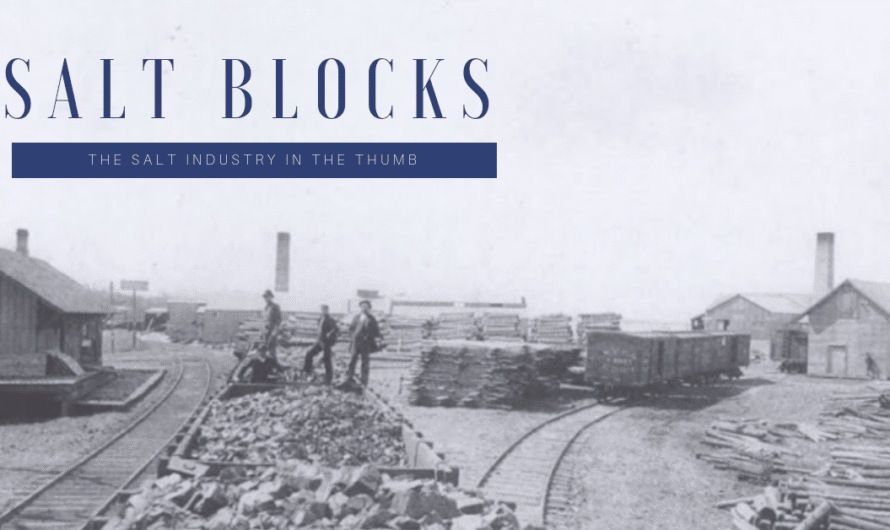
The production of salt from the deep brine wells around the Upper Thumb propelled the fishing industry to national prominence because they could preserve fish.
In the mid 1800’s much of Michigan was wilderness. In 1857, Captain George Meade took over the Lakes Survey mission of the Great Lakes.
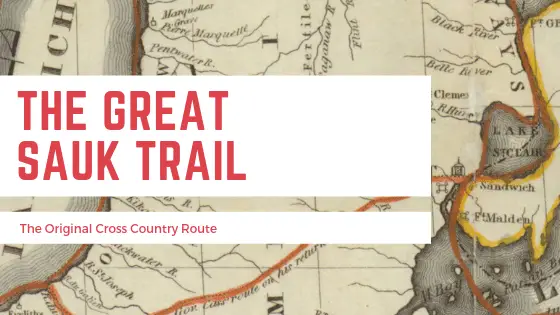
The Great Sauk Trail is a major Native American route that ran between Detroit, Chicago and terminated at Rock Island on the Mississippi river. Originally created by migrating bison, the trail was only about a foot wide but also a foot deep as eons of travelers walked along it single file. It was used over a thousand years.
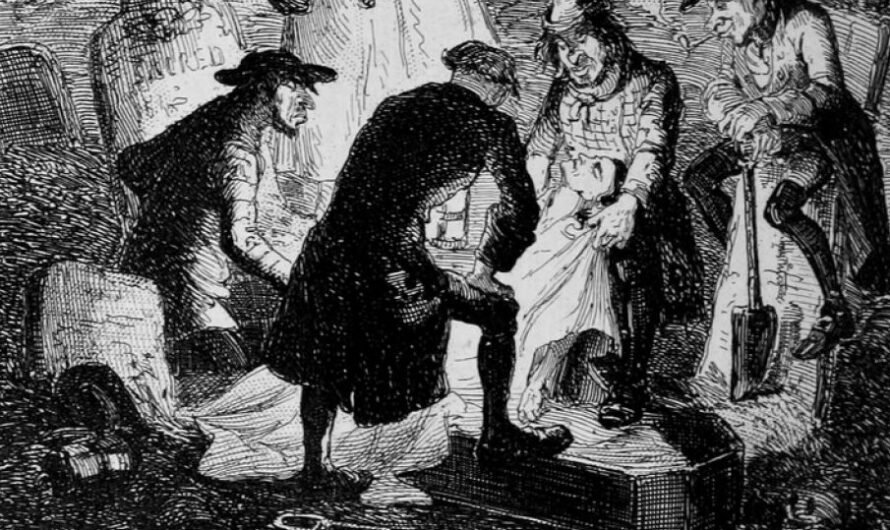
Grave robbing was a gruesome yet common crime in the late 1800’s as medical schools sought bodys for study.