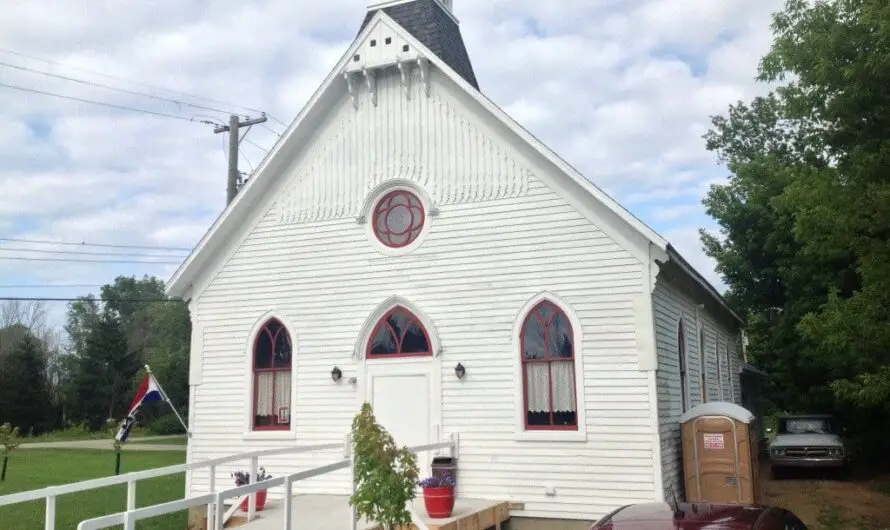
The Grindstone City Gallery – The Charm Of White Church Gallery
#ThumbPic of the Day – White Church Gallery Grindstone City

News History & Fun in Michigan
#ThumbPic of the Day – White Church Gallery Grindstone City
The study sampled bottled water from various locations around the globe. They pointed the cause of contamination was partly the result of plastic packaging, and partly the fault of the bottling process. The survey included brands like Nestle, Aquafina, San Pellegrino, Dasani and Evian.
Michigan used to promote and give tax credits for film production. Here are a few works created in the Great Lakes State.
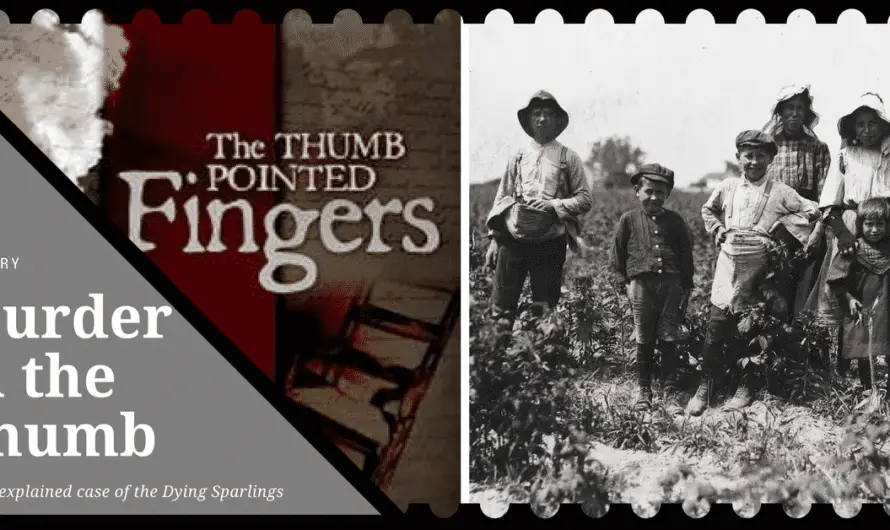
The reaction to our review of Thumb Pointed Fingers was overwhelming. There still is intense interest about this true Michigan murder mystery. I was surprised on the number of people who mentioned that their grandfather or uncle was involved as a juror or in law enforcement.
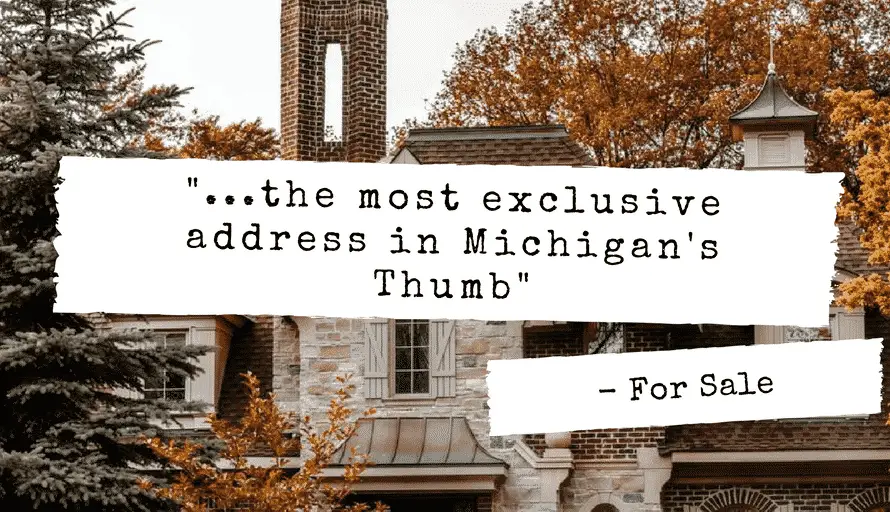
One of the most prestigious communities, Thumb Pointe’s location is truly unique. With a clear view of sunrises and sunsets this Gold Coast home is currently on the market for a cool $1.1 million.
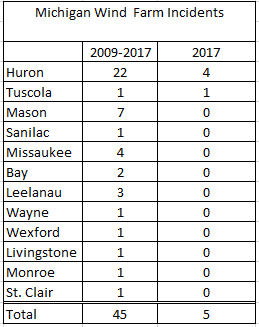
Huron County Michigan continues to lead the state in wind farm mishaps in 2017. Blade failure is the #1 incident reported.
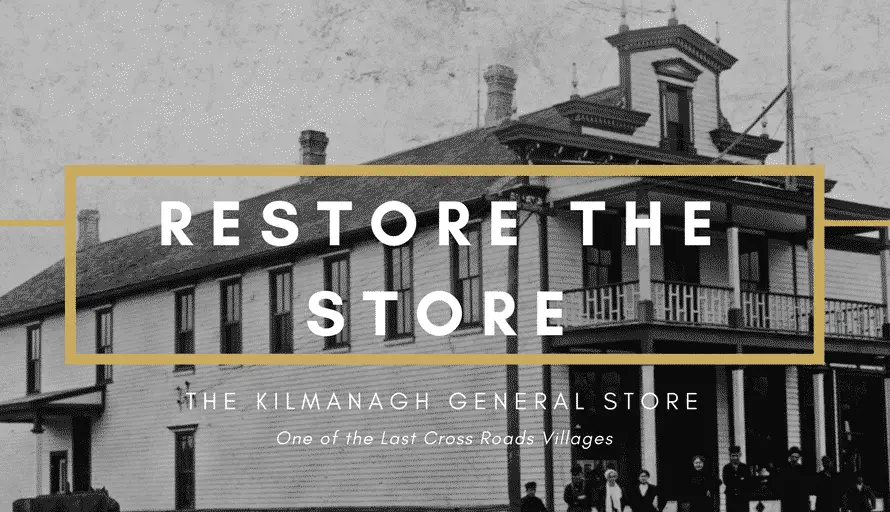
The Thumb’s own Kilmanagh General Store is iconic. However time has taken its toll on the 1870 structure that sports one of the last 1800’s storefront facades. The Building and Zoning Department has deemed the porch unsafe and ordered it repaired or removed. You can help save it. Find out how.
The Northern Michigan Jewish Colony of Palestine located outside of Bad Axe began in the late 1883 and lasted for over 20 years.
The scenario for globalized worlds need to become local. The reason I pose the need for localization aligning with the effect on beer, because what would the world be without beer.
One of thue better bar burgers can be found in Elkton Michigan in the Upper Thumb.
The bar resides in an historic 1800s building that once was a church then a hotel. The stained glass is still intact.