Port Crescent Sand and Fill Operations
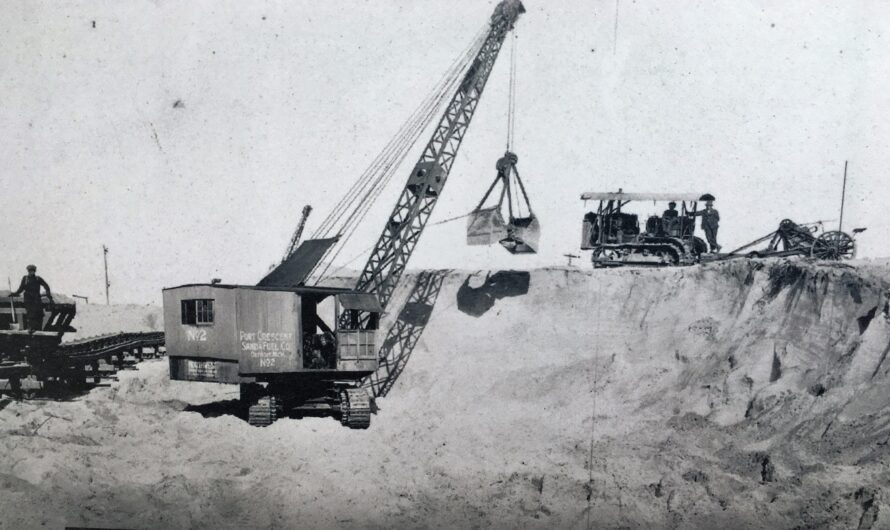
After the lumber industry collapsed in Michigan during the 1880s. The town of Port Crescent was abandoned and most buildings moved. Sand operations started for glass making.

News History & Fun in Michigan

This tag hints at articles and stories about Michigan history and the Michigan Thumb region. Michigan was part of the Northwest territory, and starting in 1815, the fur trade and influx of settlers and land speculators began.
By the time Michigan became a state in 1838, much of the southern third was already cris-crossed with improved Indian trails and initial roads. In a few short years, the lumbering era would begin, followed by the agriculture growth resulting from the cleared land.
After the lumber industry collapsed in Michigan during the 1880s. The town of Port Crescent was abandoned and most buildings moved. Sand operations started for glass making.
Michigan’s Mount Pleasant Indian Industrial Boarding School indoctrinated 300 children each year and ran until 1934. There were also schools in Baraga and Harbor Springs.
For decades, the US took thousands of Native American children and enrolled them in off-reservation boarding schools. In fact, this was government policy to assimilate an entire people by forcibly removing children from their families and indoctrinating them into the Anglo language, religion, and way of life.
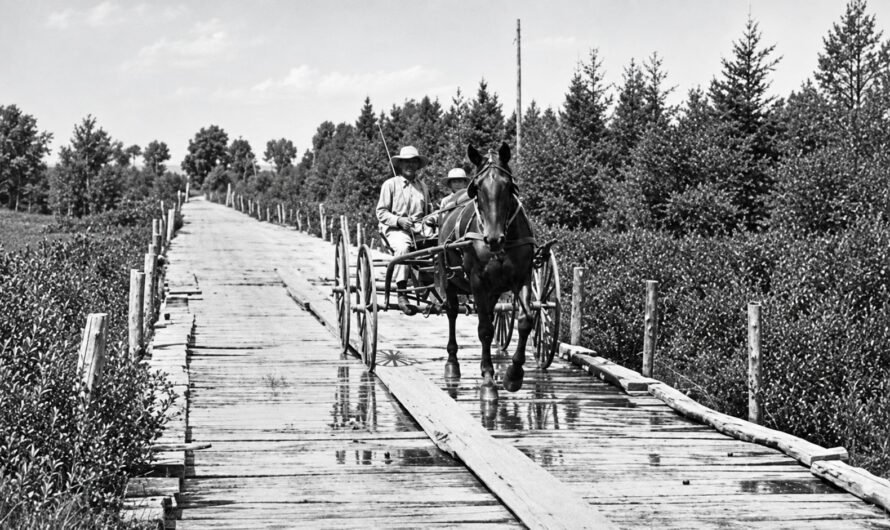
In the late 1840s, Michigan experienced a craze of building plank roads. Over 200 companies built over 5000 miles of plank roads.
In Michigan’s Thumb, the situation could not be worse. The prevailing winds brought embers and dense smoke from the other Michigan fires burning in the west. Within hours over 2,000 lives were lost and millions of acres burned.
The Letters from Ora Labora 1862 – 1898. Offers a glimpse of the challenges of being a religious pioneer in Michigan’s Wilderness.
This is a collection of stories written through the years.
It’s becoming commonplace. I’m researching something and encountered an entirely new and interesting story I’ve never heard before. In this Caseville mystery, we have a story of a pair of hunters and trappers who stopped to stay near the mouth of …
Does Michigan have an underwater rock circle from over 10,000 years ago hidden in the Great Lakes?
Actually Michigan has several.
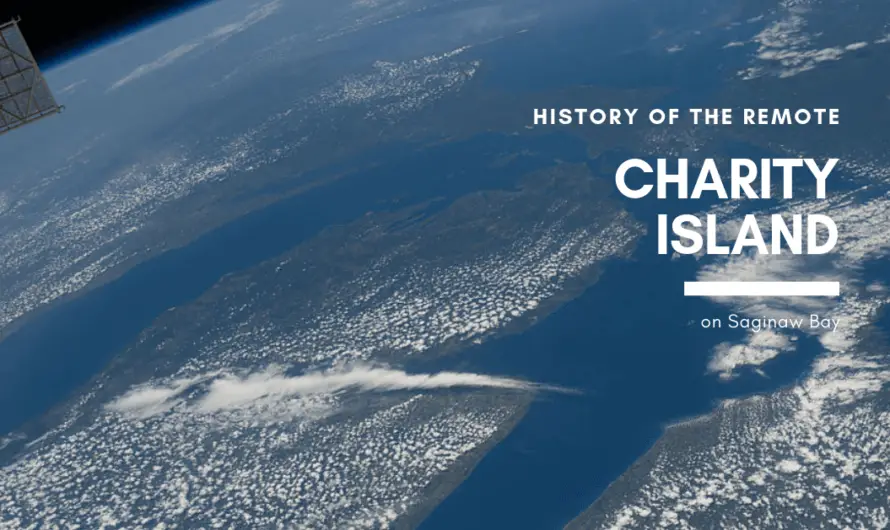
The Charity Island History spans 100’s of years. Today the island is a wildlife sanctuary and visited by only a few people each year. We cover a bit of this mysterious remote island located in the middle of busy Saginaw Bay.
Huron City Michigan is a historic district and museum with buildings from the 1800s. The town was listed on the National Register of Historic Places in 1995. The tiny town is open for tours on Friday and Saturday during July & August.
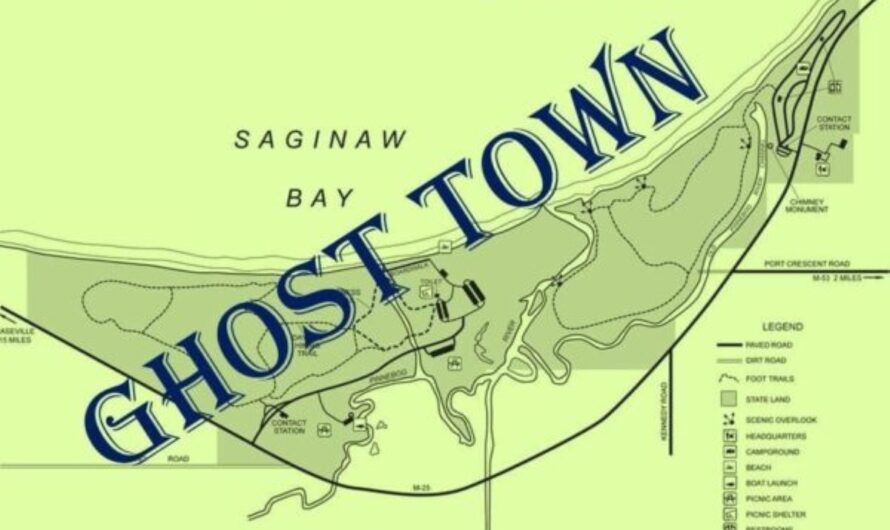
Port Crescent State Park, located in southern Michigan, was once a thriving lumber town before becoming a ghost town. Today, it offers outdoor activities and preserves a rich history, including remnants of its past, amid scenic natural beauty along Lake Huron.