 by
by 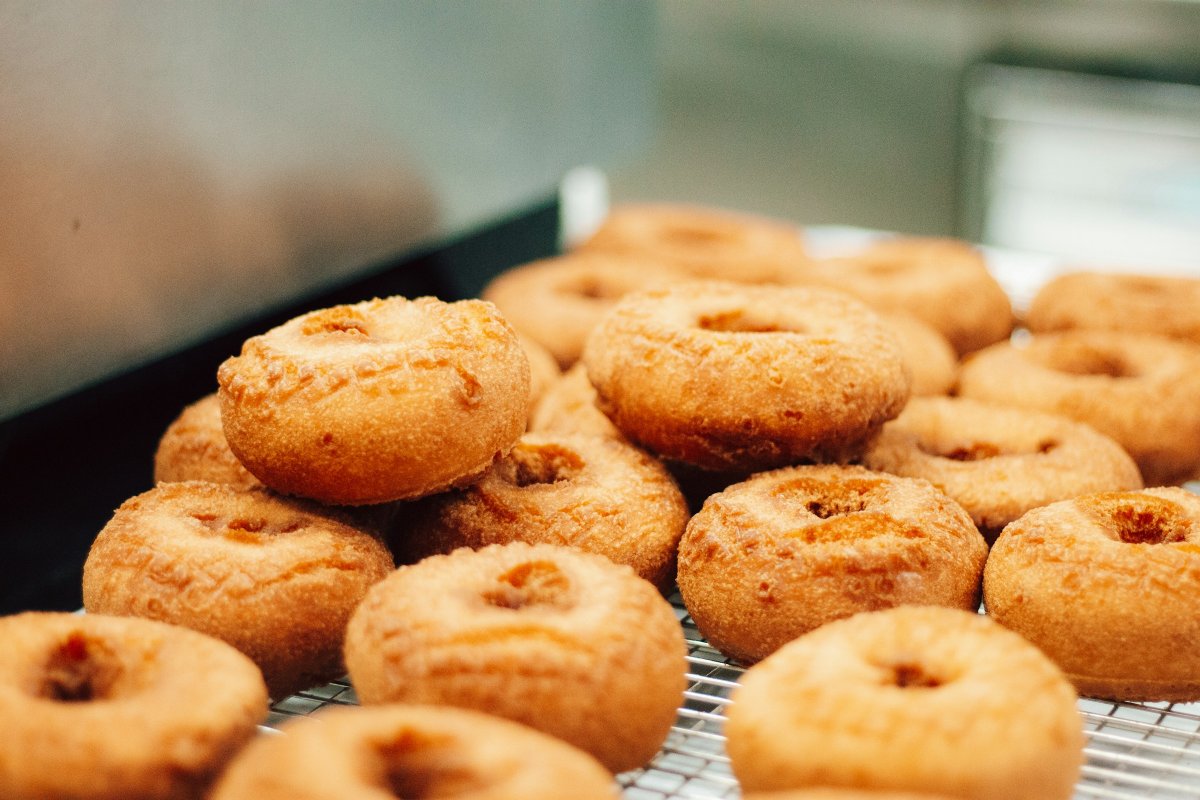
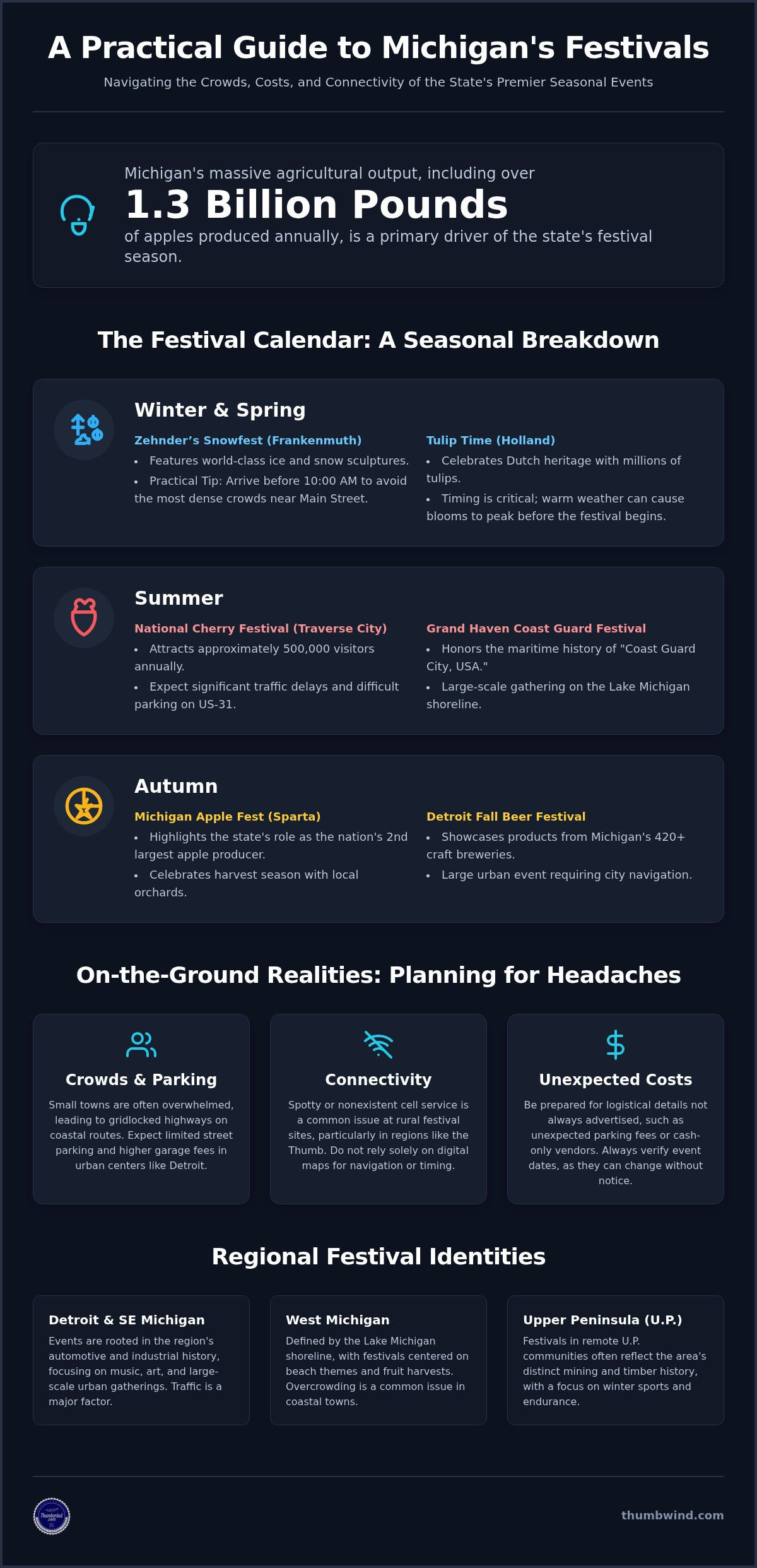
Michigan orchards produced more than 1.3 billion pounds of apples last year, a harvest that secures the state’s position as the second-largest producer in the country. This massive agricultural output does more than fill grocery aisles; it drives the seasonal festivals in Michigan that bring millions of visitors to rural townships and historic downtowns each autumn. From the cider mills of Kent County to the craft breweries in Detroit, these events are essential anchors for local economies and community identity.
Most visitors expect a simple afternoon of donuts and hayrides, but the reality often involves navigating unexpected parking fees, spotty cell service, and significant crowds. It is frustrating to arrive at a small-town event only to find the dates changed or the main lot full. This guide offers a practical look at the 2026 festival season, focusing on the logistical details you need to plan a successful trip without the usual headaches.
We examine the historical roots of these gatherings and provide specific data on admission costs and connectivity for major hubs like the Fallasburg Arts Festival and Zeeland Pumpkinfest. Whether you are heading to the Detroit Fall Beer Festival on October 24 or the Michigan Apple Fest in Sparta, you will gain a clear understanding of what to expect on the ground.
Key Takeaways
- Understand how the seasonal cycle dictates the variety of festivals in Michigan, ranging from winter sports in the Upper Peninsula to spring harvests.
- Prepare for logistical hurdles at rural sites, including limited cellular connectivity in the Thumb and specific parking strategies for small-town venues.
- Connect modern community fairs to their 19th-century roots in the state’s agricultural boom and industrial history.
- Identify regional hubs where remote events in the U.P. reflect the area’s mining and timber history.
The Seasonal Cycle of Festivals in Michigan
Michigan’s climate dictates the timing of nearly every major gathering, from the frozen shores of Lake Superior to the fruit orchards of the southern counties. The state’s 420 craft breweries and massive agricultural output provide the fuel for these events, creating a cycle that follows the harvest and the ice. While many tourists look for a comprehensive list of festivals in Michigan, the most successful trips require understanding the regional weather patterns that govern the calendar.
Winter and spring events focus on endurance and the first signs of life. In the Upper Peninsula, remote communities celebrate the deep snow with events tied to timber and mining history. Residents in the U.P. then transition to spring rituals as the ground thaws. These traditions are documented as some of the most significant events in Michigan history because they mirror the state’s economic shifts from raw resource extraction to tourism.
To better understand how to navigate these large crowds, watch this helpful video:
Major Summer Anchors: From Cherries to Coast Guards
Summer represents the peak of the festival season because the weather allows for large-scale outdoor gatherings along the Great Lakes. The National Cherry Festival in Traverse City attracts approximately 500,000 visitors annually, celebrating the region’s status as the world’s tart cherry capital. It is a massive operation that transforms the city into a dense urban hub for eight days. Parking is notoriously difficult during this week, and visitors should expect long delays on US-31.
Further south, the Grand Haven Coast Guard Festival honors the maritime history of Lake Michigan. This event is more than a celebration; it is a formal recognition of the city’s designation as "Coast Guard City, USA." In the Thumb region, the Caseville Cheeseburger Festival has become a modern tradition. Since 1999, this event has drawn crowds to Huron County, often overwhelming the local infrastructure of the lakeside village.
Winter and Spring Traditions
Before the summer heat arrives, Michigan communities find ways to gather in the cold. Zehnder’s Snowfest in Frankenmuth features world-class ice and snow carving that requires consistent freezing temperatures to maintain the intricate displays. These carvings are not just art; they represent a significant engineering feat using massive blocks of snow. Crowds are dense near the Main Street displays, so arriving before 10:00 AM is advisable.
Spring festivals in Michigan are strictly tied to the biological clock of the state’s flora. Maple syrup festivals occur in late winter and early spring when the sap begins to run in rural counties. In May, Tulip Time in Holland celebrates Dutch heritage with millions of blooming flowers. This event is highly dependent on timing, as an unseasonably warm spring can cause the blooms to peak before the festival officially begins.
Regional Festival Hubs from the Thumb to the Upper Peninsula

Detroit and Southeast Michigan anchor the state’s event calendar with large-scale urban gatherings. These festivals in Michigan focus on music, art, and the region’s deep automotive roots. Understanding the history of the Michigan State Fair explains why these events originally focused on livestock and agriculture before shifting toward industrial showcases. Southeast Michigan traffic is a major factor during these dates, particularly near the Woodward Corridor. Visitors should expect limited street parking and higher garage fees in the city center.
West Michigan festivals are defined by the Lake Michigan shoreline, where beach-themed events and fruit harvests dominate the summer months. From Grand Haven to Ludington, the proximity to the water dictates the theme and the capacity of these towns to handle visitors. The most popular festivals in Michigan often struggle with overcrowding in these coastal strips, where the single-lane highways can become gridlocked on holiday weekends. Planning for these trips requires a realistic view of travel times that generic mapping apps often underestimate.
The Thumb: Maritime and Agricultural Roots
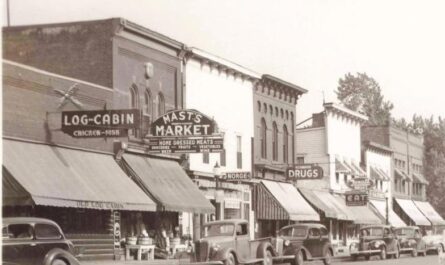
Huron, Sanilac, and Tuscola counties form a distinct regional hub where the economy remains tied to the land and water. In shoreline communities like Port Austin and Caseville, local events are shaped by the Saginaw Bay. While the summer brings thousands of tourists for water-based activities, the fall shifts toward the Saginaw Valley’s industrial farming. Sugar beet festivals are vital here, marking the harvest of a crop that has sustained local processing plants for over a century. To understand the early foundations of these coastal communities, you can view a historic Great Lakes village in Port Sanilac.
The U.P. and Northern Michigan
The Upper Peninsula offers a different experience, with remote events that reflect a harder industrial past. In the far reaches of the state, towns like Bessemer and Grand Marais host celebrations tied to iron mining and timber extraction. These aren’t just parties; they are communal markers of the labor that built the region. Because these U.P. areas are isolated, visitors should plan for long drives and very limited gas station availability after dark. These gatherings often highlight the small town Michigan 4th of July history that remains a cornerstone of northern life. For real-time updates on crowd levels in the northern regions, check Thumbwind.com before you leave.
Practical Logistics: Planning for Crowds and Connectivity
Attending festivals in Michigan requires more than just a full tank of gas and an appetite for cider. Many of these events take place in small towns where the infrastructure wasn’t designed for thousands of temporary visitors. You should prepare for limited cell service and tight parking before you leave your driveway. These logistical hurdles are especially common in the Thumb and the Upper Peninsula, where rural geography limits digital access.
Weather in the Great Lakes region is unpredictable and can lead to sudden cancellations. High winds off Lake Huron or early snow in the U.P. often force outdoor fairs to close early or shift schedules. Most fairgrounds use dirt or grass lots that turn to mud during rain, which can present challenges for those with mobility issues. Always check local forecasts and be ready for terrain that isn’t as stable as a city sidewalk.
Navigating Rural Michigan Events
Cellular "dead zones" are a reality in Sanilac and Huron counties. You should download offline maps and save your digital tickets before heading into these areas. These connectivity gaps also affect vendors who rely on mobile hot spots for credit card payments. Carrying cash is a practical necessity at many smaller festivals in Michigan to avoid long waits or failed transactions at the food stands.
Monitoring conditions before you arrive can save you hours of frustration. If you want to see current conditions before you drive, check our Live Regional Webcams for real-time updates. This is particularly useful for events in the Upper Thumb where lake-effect weather changes rapidly. Seeing the current traffic flow helps you decide if you should leave earlier or find an alternate route.
Parking and Transportation Realities
Street parking in towns like Caseville and Frankenmuth fills up hours before the main events begin. Many residents offer spots in their yards for a fee, and these private lot prices often surge during major weekends. Shuttles are sometimes available from outlying school lots, but wait times can exceed 30 minutes during peak hours. If you want to avoid traffic jams, consider using local trails or biking into the festival grounds from a nearby park.
Accessibility varies wildly across different venues. Historic downtowns often have narrow, uneven brick walkways that can be difficult for strollers or wheelchairs. Rural fairgrounds often involve long walks from the parking area to the main gate. Planning your entry point and checking for designated drop-off zones is essential for a smooth experience. You can find more logistical tips in our guide to Michigan roadside attractions.
The Industrial and Historical Roots of Michigan Fairs
Michigan’s modern festival circuit began as a series of practical trade exchanges rather than entertainment venues. The 19th-century agricultural boom required farmers to gather and compare livestock, seeds, and machinery to improve their yields. These early gatherings laid the groundwork for the current festivals in Michigan, transitioning from essential economic marketplaces to the tourism-driven events seen today. This shift reflects the state’s broader move from a raw resource economy toward a service and travel industry.
Historical accuracy is often lost in the transition to modern tourism. It’s common for local events to blend documented history with folklore to attract larger crowds. However, the most enduring festivals in Michigan are those that maintain a clear connection to their specific industrial or ethnic origins. Understanding these roots helps visitors appreciate why certain traditions, like the specific food at an ethnic fair or the timing of a harvest festival, remain unchanged after more than a century.
Agriculture and the County Fair System
The county fair was an 1800s social and economic necessity that allowed isolated farm families to trade goods, share agricultural techniques, and establish market prices. Local 4-H programs continue this tradition by focusing on youth development and livestock education in rural counties. In the Saginaw Valley, the timing of these events is still strictly dictated by the sugar beet and bean harvest cycles. While the Michigan State Fair no longer operates at its historic Detroit grounds, its legacy persists in the competitive structure of local fairs across the state.
Maritime and Mining Heritage
Along the Great Lakes, festivals often serve as tributes to the dangerous work of maritime navigation and resource extraction. Coast Guard and lighthouse festivals commemorate the history of Great Lakes safety and the crews who manned the shorelines. These events are grounded in documented records of shipwrecks and navigational breakthroughs. They provide a factual look at the maritime labor that allowed Michigan’s ports to thrive during the industrial era.
In the Upper Peninsula, mining festivals celebrate the copper and iron eras that once dominated the regional economy. Communities like Bessemer and Ishpeming use these dates to remember the labor of immigrant miners who built the U.P.’s infrastructure. These celebrations are part of the 45 significant events in Michigan history that shaped the state’s identity. Distinguishing these documented industrial milestones from the exaggerated folklore often found on tourism brochures helps visitors understand the actual origins of the communities they visit.
Preparing for Your Next Michigan Harvest Trip
Navigating the seasonal cycle of festivals in Michigan requires a blend of historical awareness and practical preparation. You now understand that these events are rooted in the state’s 19th-century agricultural and industrial cycles. By accounting for rural dead zones and checking infrastructure capacity, you can avoid the common frustrations of overcrowding and poor connectivity. This approach turns a potentially stressful outing into a reliable tradition.
Since 2009, Thumbwind has provided independent journalism focused on the regional identity of the Thumb and the Great Lakes. We provide real-time weather and crowd monitoring via regional webcams to help you verify conditions before you start your drive. Staying informed ensures your trip to a cider mill or a county fair remains focused on the heritage of the community rather than the logistics of the commute.
Read the latest Thumb region news and event updates at Thumbwind to stay ahead of seasonal changes and local schedule shifts. Michigan’s autumn season is brief, but with the right data, you can enjoy the harvest celebrations with confidence.
Frequently Asked Questions
What is the largest festival in Michigan by attendance?
The National Cherry Festival in Traverse City is the largest by attendance, attracting approximately 500,000 visitors over its eight-day run in July. This event transforms the city waterfront into a dense hub of activity centered on the region’s agricultural output. While the Woodward Dream Cruise attracts more people, it operates as a moving exhibition along a highway rather than a traditional fairground gathering.
When is the best time to visit Michigan for festivals?
September and October offer the most diverse selection of festivals in Michigan because this period combines the fruit harvest with peak cider mill season. While summer has the highest volume of maritime events, the fall months provide cooler weather and more manageable crowds in rural counties. Planning a trip in late September ensures you catch both the apple harvest and the early color change in the northern regions.
Are there any free festivals in Michigan?
Many community festivals in Michigan are free to attend, though you should budget for parking and specific activities. The Fallasburg Arts Festival in Lowell and Oktoberfest Grand Rapids don’t charge admission fees, though they rely on vendor sales and parking charges to fund operations. Always verify if a "free" event requires tickets for concerts or alcohol consumption before you arrive at the gate.
How do I find parking for the Caseville Cheeseburger Festival?
Finding parking during the Caseville Cheeseburger Festival requires arriving before 10:00 AM or using designated shuttle lots at the local school. Most residents in the village offer lawn parking for a daily fee, which is often the most reliable way to secure a spot near the Main Street activities. Avoid parking on narrow side streets where local ordinances often lead to towing during high-traffic festival weekends.
Does the Upper Peninsula have festivals in the winter?
The Upper Peninsula hosts several major winter festivals, including the U.P. 200 Sled Dog Race in Marquette and the Michigan Tech Winter Carnival in Houghton. These events are tied to the region’s heavy snowfall and long winters, featuring massive ice sculptures and endurance sports. Visitors should prepare for sub-zero temperatures and ensure their vehicles are equipped for remote, snow-covered highways between these northern hubs.
Can I bring dogs to Michigan outdoor festivals?
Most Michigan outdoor festivals don’t allow dogs within the main vendor or food service areas due to health department regulations and crowd safety. Park-based events like the Fallasburg Arts Festival may allow leashed pets in peripheral areas, but the dense crowds at most street fairs make bringing animals impractical. It’s best to check the specific pet policy on the official event website to avoid being turned away.
Disclaimer
Information published on Thumbwind.com is provided for general informational purposes. While we make reasonable efforts to keep articles accurate and current, details such as prices, hours, regulations, access conditions, and other information may change without notice. Readers should verify important details with the appropriate business, agency or official source before making travel, financial or other decisions. Thumbwind.com is not responsible for the content, availability or practices of third-party websites linked from our articles.