 by
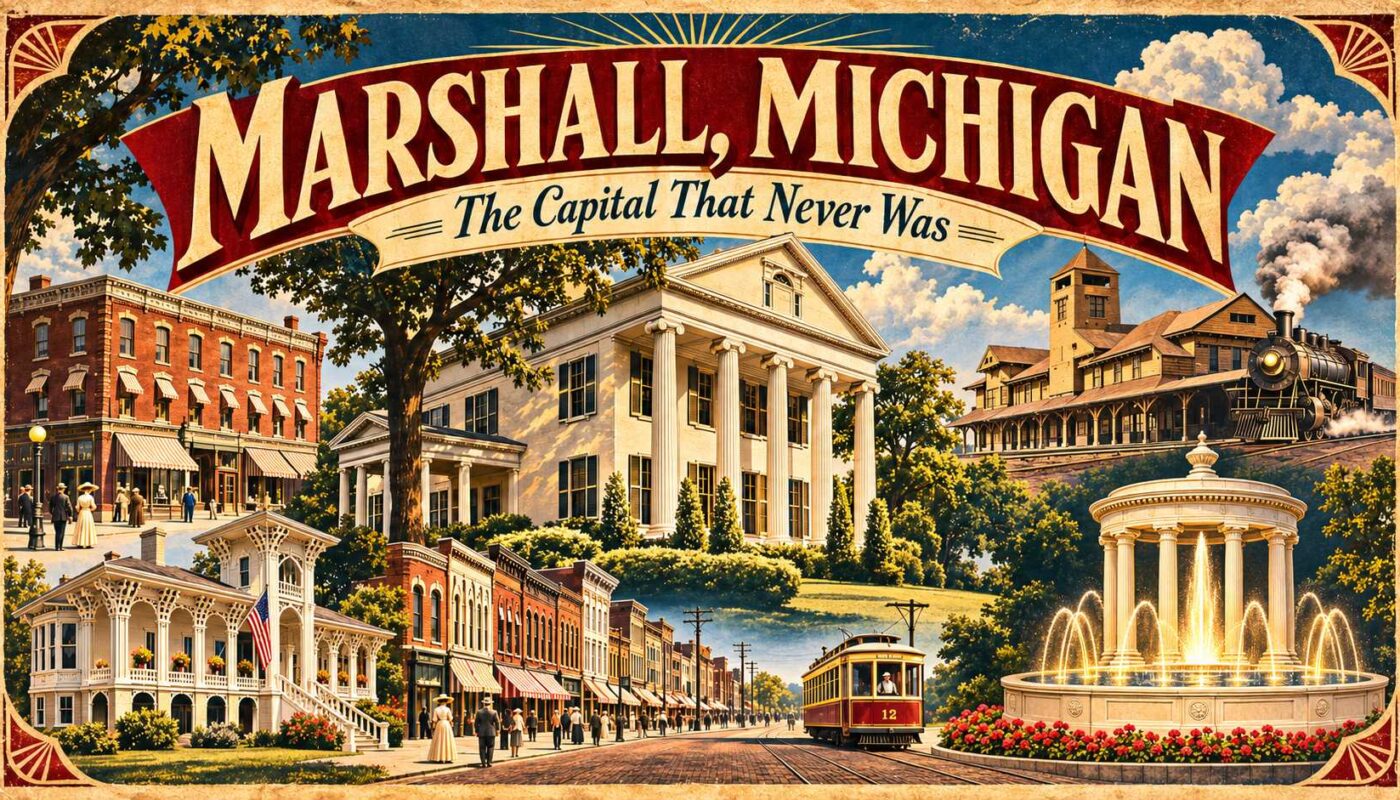
By 1847, Marshall, Michigan, had spent years preparing for a political prize that never arrived. The growing Calhoun County community wanted to become Michigan’s state capital. It had set aside land for government buildings, and a prominent local politician had built a handsome house near the proposed capitol grounds. Then the Legislature selected Lansing instead.
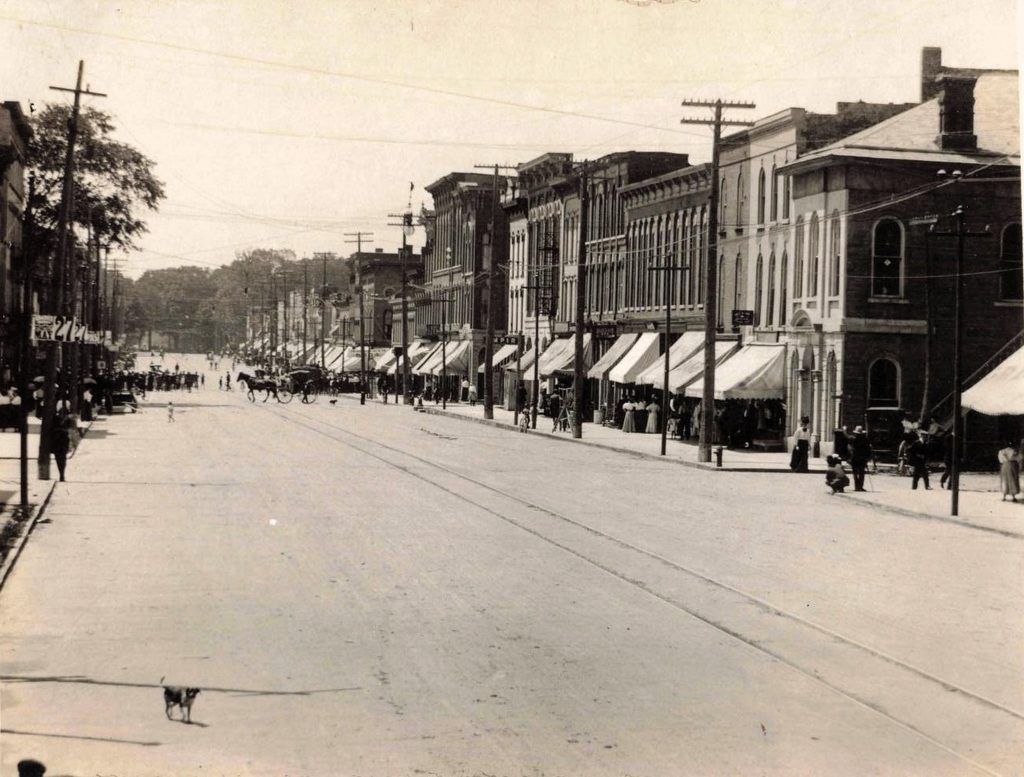
Marshall, Michigan, history includes more than that disappointing decision. The town helped shape public education, organized labor, and the national debate over slavery. Its railroads brought workers and commerce, while its unusually large collection of historic buildings preserved much of the community’s early character.
Marshall Michigan History Table of Contents
History of Marshall Michigan: A Town With Capital Ambitions
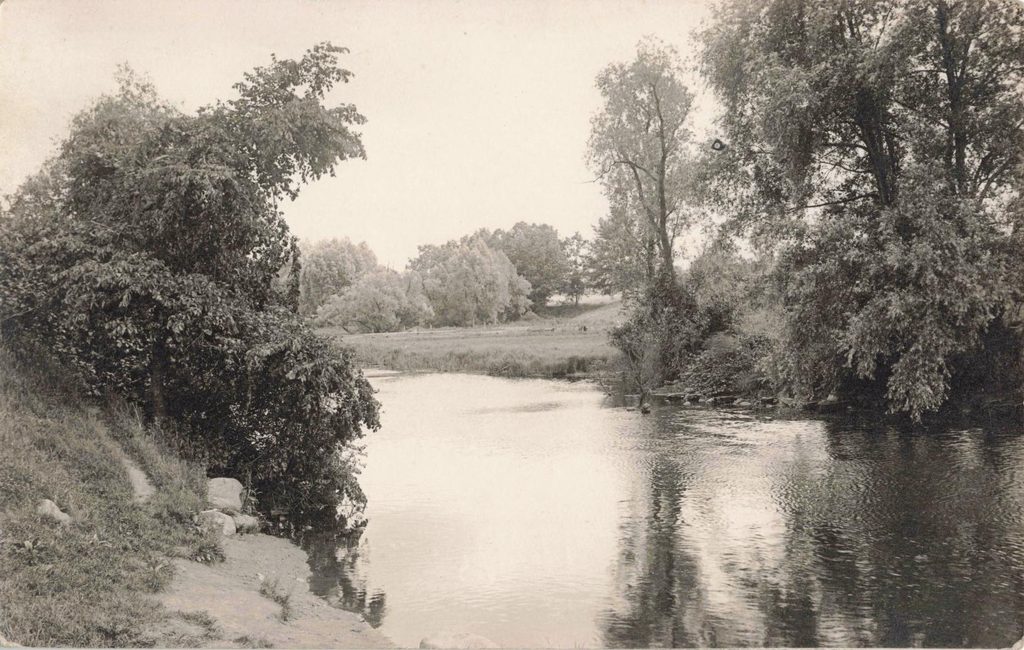
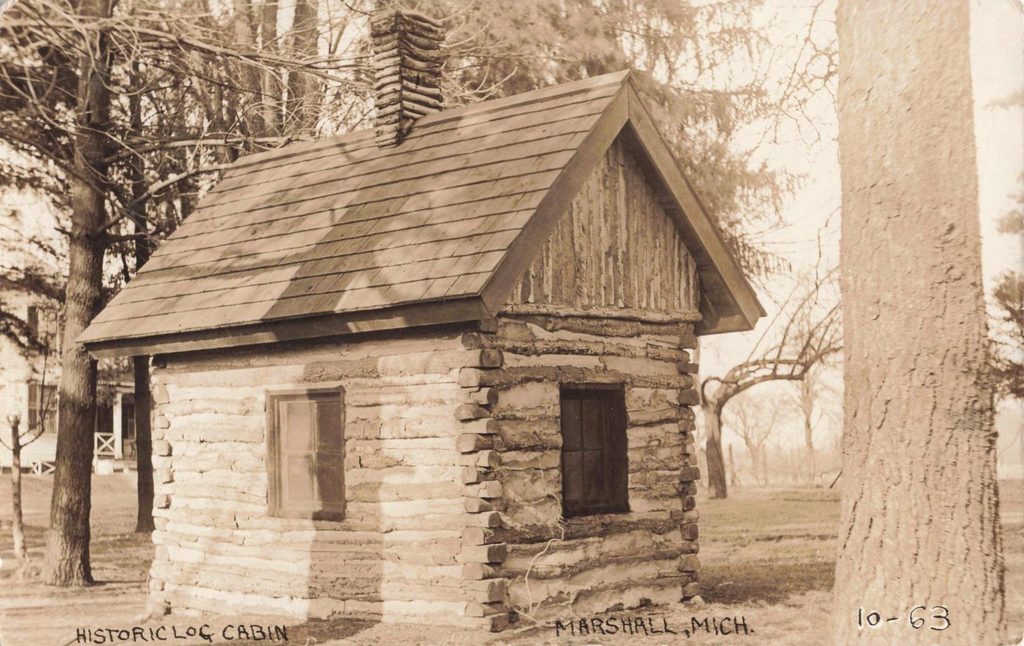
Brothers Sidney and George Ketchum helped establish Marshall along the Kalamazoo River. The town was planned in 1830, and George Ketchum arrived in April 1831 as one of its first settlers. They named the community for John Marshall, the chief justice of the U.S. Supreme Court. That October, Marshall became the county seat of Calhoun County.
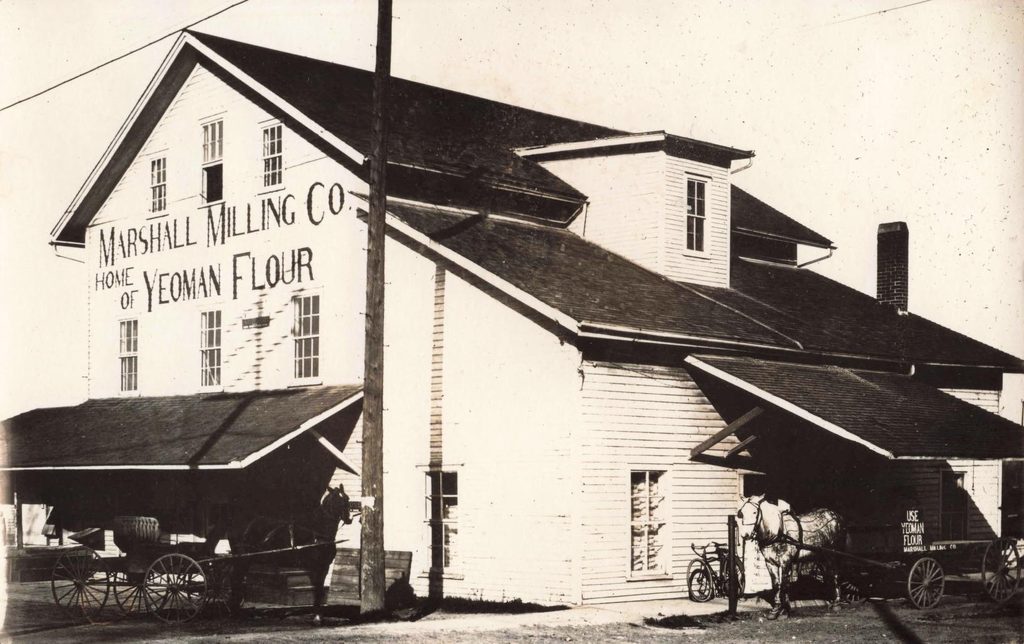
The early settlement developed around Rice Creek, where a sawmill provided lumber for construction. A gristmill followed, giving farmers a place to turn grain into flour. These were practical improvements in a region where transportation remained difficult and manufactured supplies often came from distant towns.
Marshall also occupied a useful position along the Territorial Road between Detroit and Chicago. Travelers needed meals and lodging, and in 1835, Andrew Mann had the brick National House. The building later served as a factory and apartments before returning to use as an inn in 1976.
The Governor’s Mansion That Never Became a Capital Residence
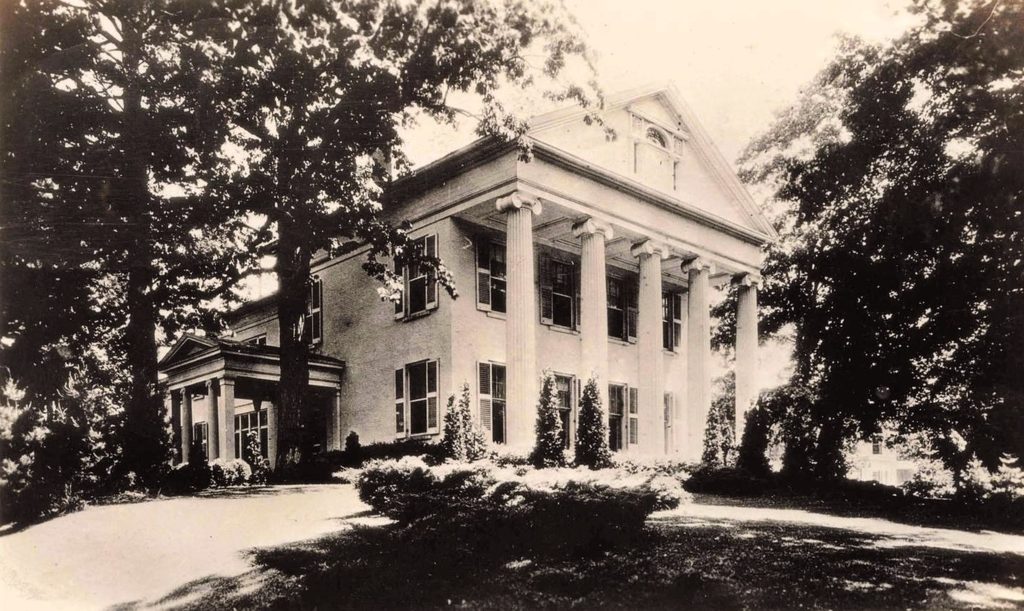
Marshall’s leaders expected their town to play an important role in state government. In 1839, politician James Wright Gordon built a Greek Revival house near land reserved for a proposed state capitol. The house became known as the Governor’s Mansion, although Michigan had not yet chosen Marshall as its capital.
Gordon became lieutenant governor in 1840 and acting governor in 1841 after William Woodbridge resigned. He lived in the house, making it an actual governor’s home, though never an official state executive residence. In 1847, the capital went to Lansing, ending Marshall’s long campaign.
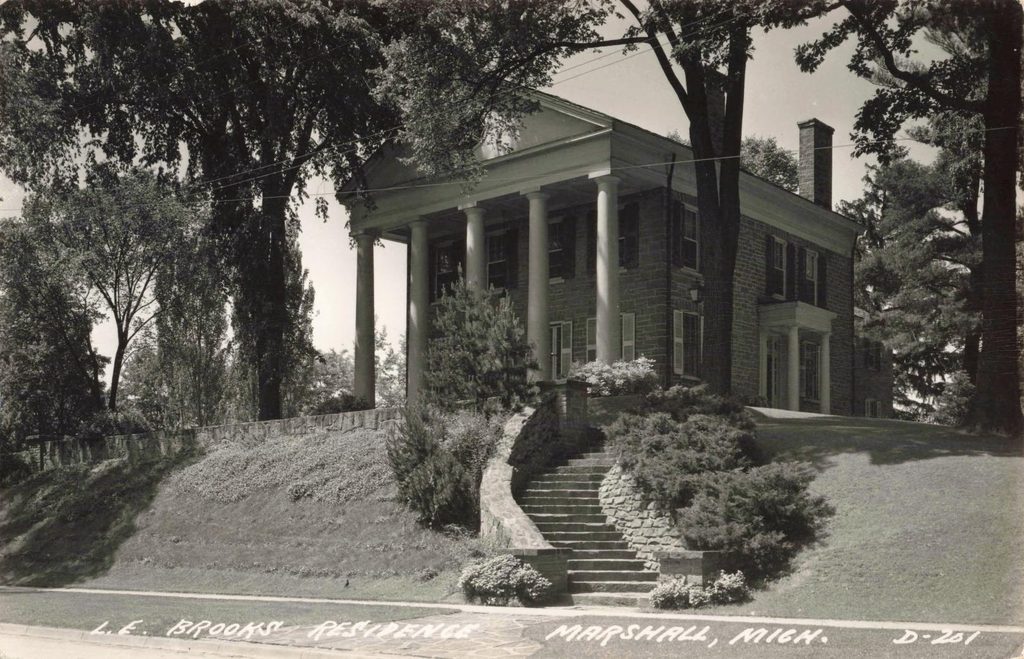
The building survived the disappointment. Today, the Governor’s Mansion Museum preserves one of the clearest reminders of the city’s early political ambitions.
Marshall Helps Build Michigan’s Public School System
Marshall had already contributed to Michigan’s future in another way. During 1834 and 1835, Isaac E. Crary and the Rev. John D. Pierce developed plans for a statewide public school system. Their ideas included centralized educational administration and using public land revenues to support schools.
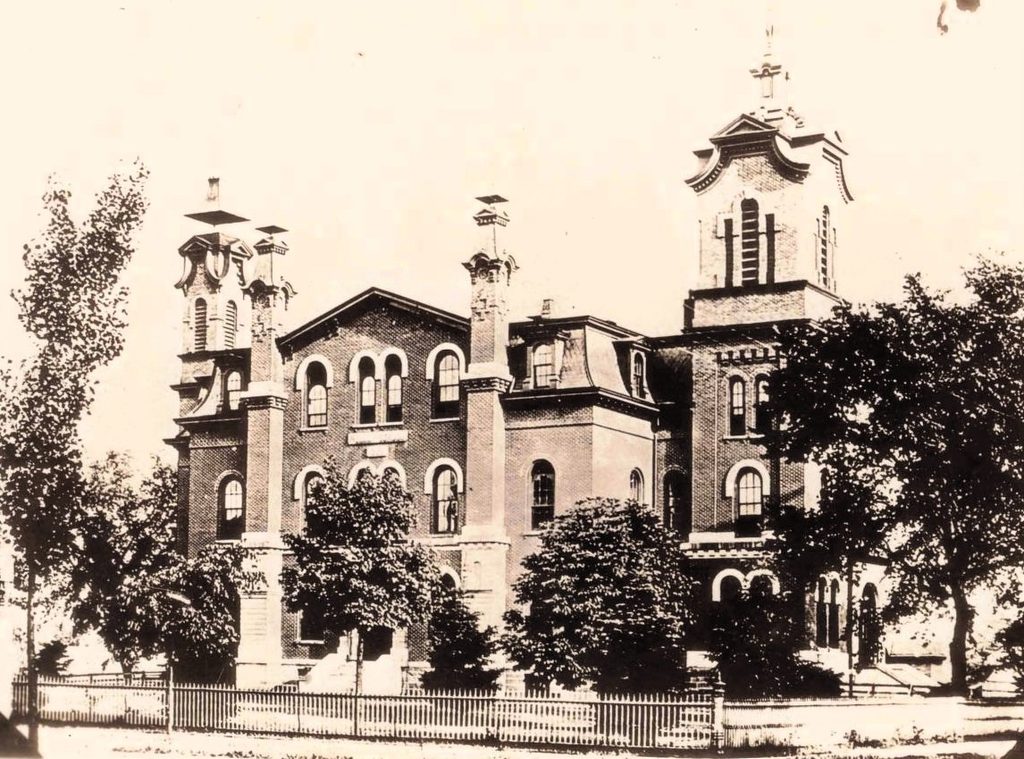
Michigan adopted their proposals around the time of statehood. In 1836, Pierce became the state’s first superintendent of public instruction, an office that helped establish a model for educational administration elsewhere in the country.
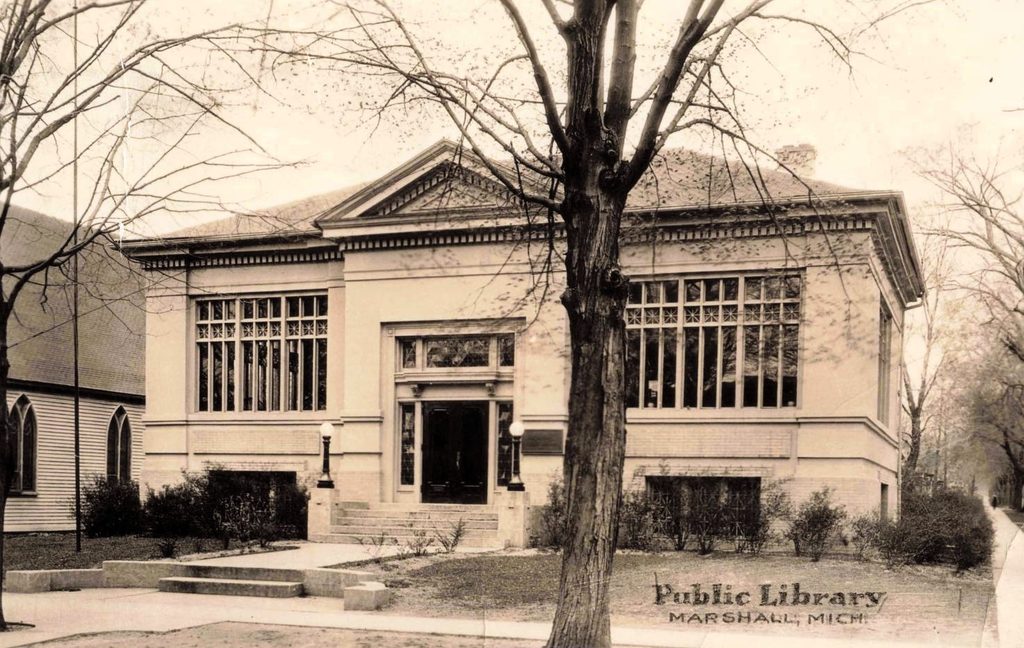
Local schools became part of Marshall’s public identity. Generations later, its substantial educational buildings reflected a community that continued investing in public institutions.
The Railroad Brings Jobs, Commerce and Organized Labor
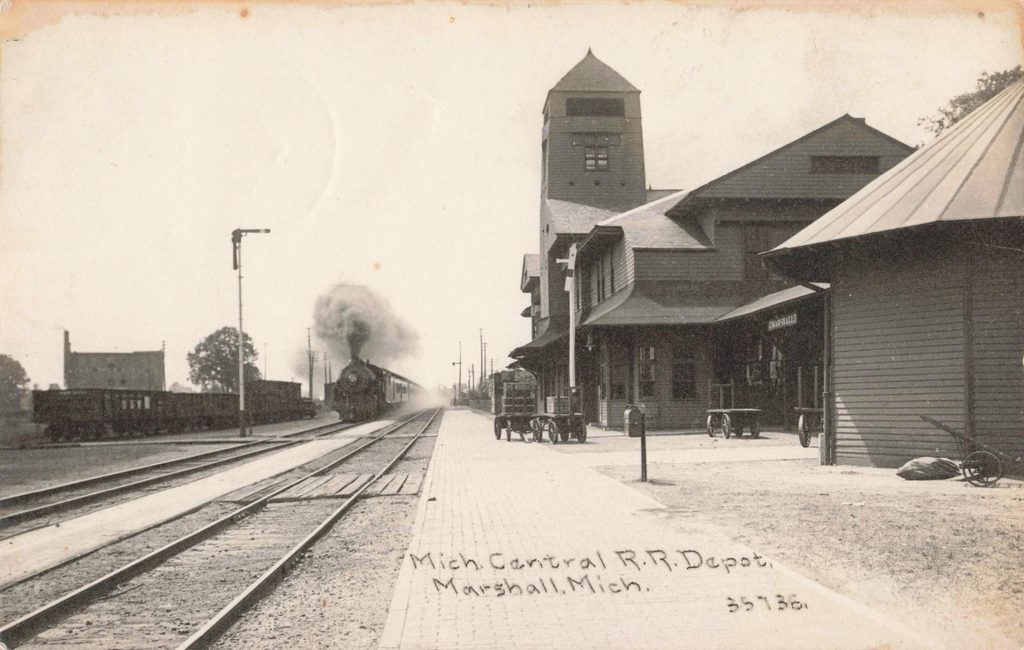
The Michigan Central Railroad reached Marshall in 1844. Its arrival made the town an important transportation point between Detroit and communities farther west. Locomotives stopped for servicing, passengers changed trains and freight moved through facilities that employed local workers.
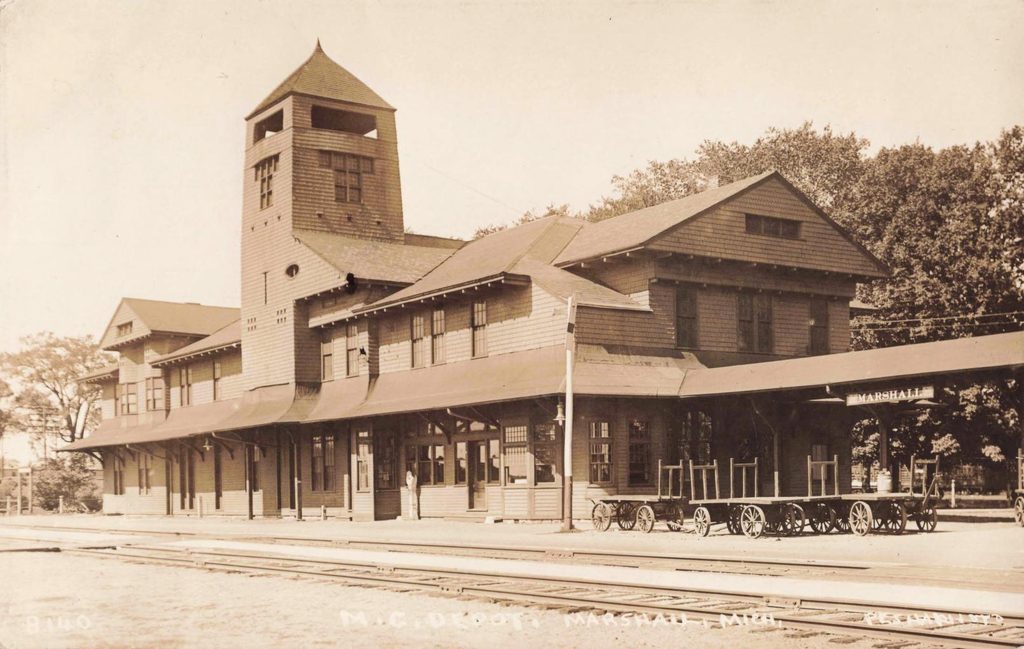
Railroad operations generated business for hotels, restaurants, stores, and suppliers. Travelers could stop in Marshall for a meal, while farmers and manufacturers gained better access to distant markets. The railroad also helped explain the growth of the business district.
On May 8, 1863, locomotive engineers organized the Brotherhood of the Footboard in Marshall. The group became the Brotherhood of Locomotive Engineers, one of America’s earliest important railroad labor organizations. A town built around rail transportation had also become a place where railroad workers sought a stronger collective voice.
The Crosswhite Affair Puts Marshall in National History
Marshall’s importance extended beyond business and transportation. In January 1847, men from Kentucky attempted to capture Adam and Sarah Crosswhite and their children, who had escaped slavery and settled in Marshall. Local residents gathered to oppose their removal and helped the family escape to Canada.
The confrontation led to federal litigation and became part of the national dispute over fugitive slave laws. According to the National Park Service’s Network to Freedom, the Crosswhite episode was among Michigan’s most notable organized community responses to slavery.
The case remains an important chapter in Marshall’s history because ordinary residents acted during a confrontation with national legal consequences. The Crosswhite historical marker recalls the events of Jan. 26, 1847.
Honolulu House Gives Marshall an Unusual Landmark
In 1860, Abner Pratt, a former chief justice of the Michigan Supreme Court and American consul to Hawaii, built one of Marshall’s most unusual homes. Honolulu House combined Victorian architectural features with designs Pratt remembered from his time in the Hawaiian Islands.
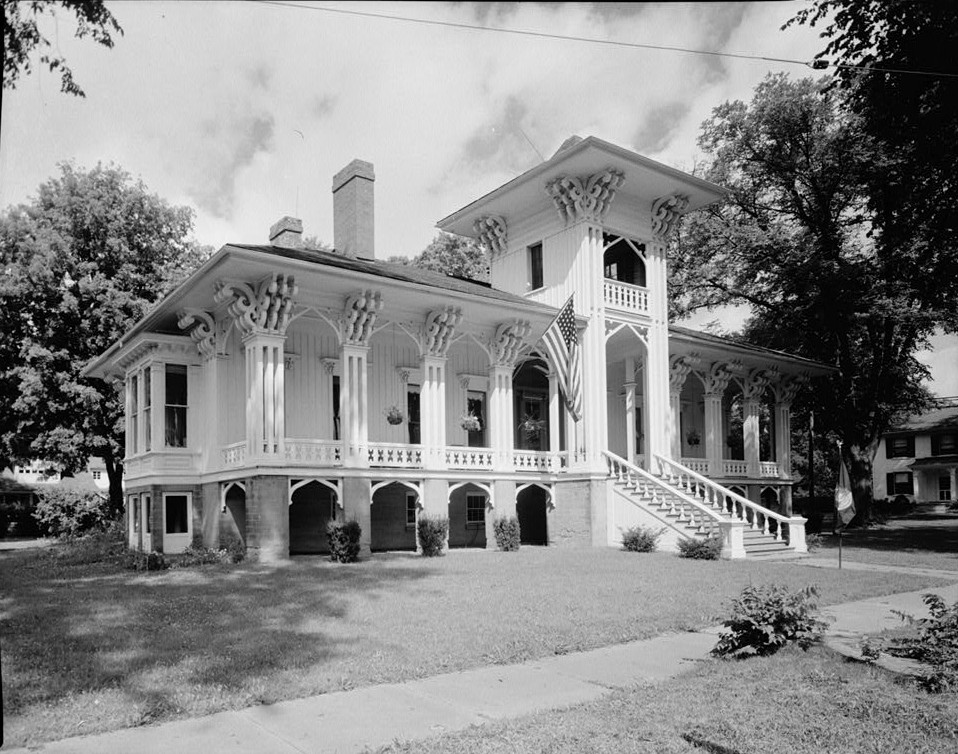
The house featured a distinctive tower, broad verandas, tall rooms, and decorative details associated with tropical architecture. The National Archives has documented Pratt’s experiences in Hawaii and the circumstances surrounding his return to Marshall.
Honolulu House eventually became a museum associated with the Marshall Historical Society. Its unusual design remains a striking contrast to the more conventional American architectural styles found throughout the city.
Electric Streetcars Change Downtown Marshall
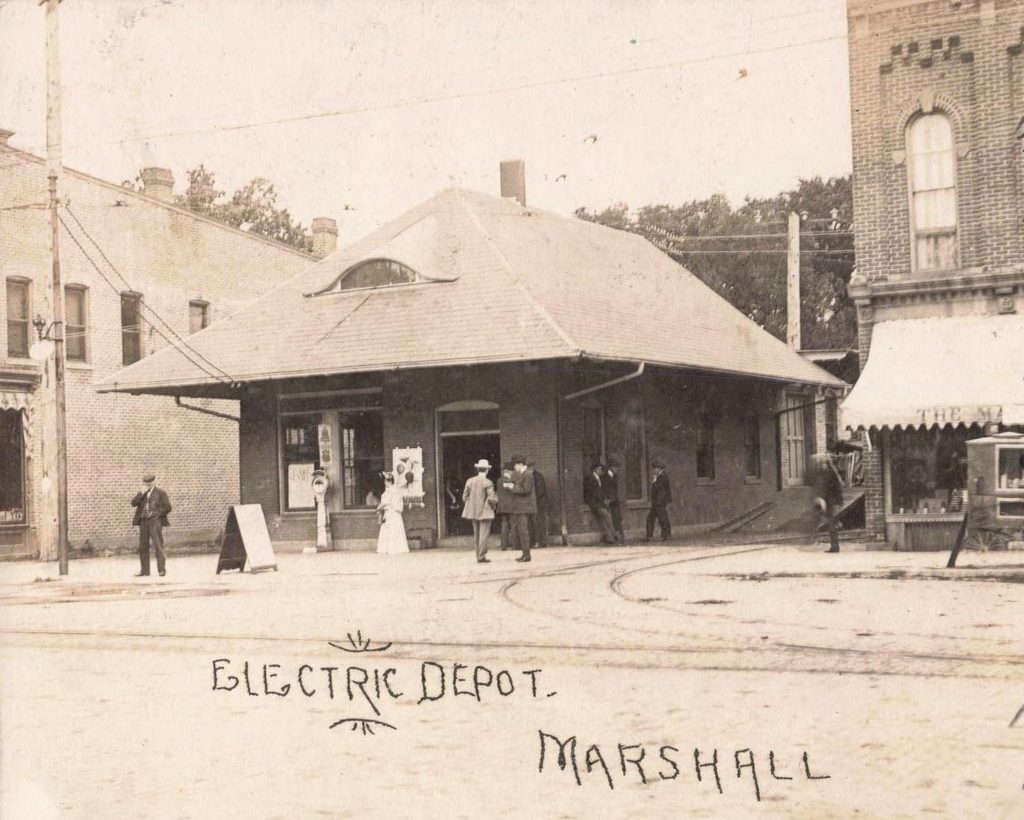
In 1899, Marshall approved construction of an electric railway through its streets. The new interurban line connected the city with neighboring communities, offering passengers a transportation option between ordinary steam railway service and horse-drawn travel.
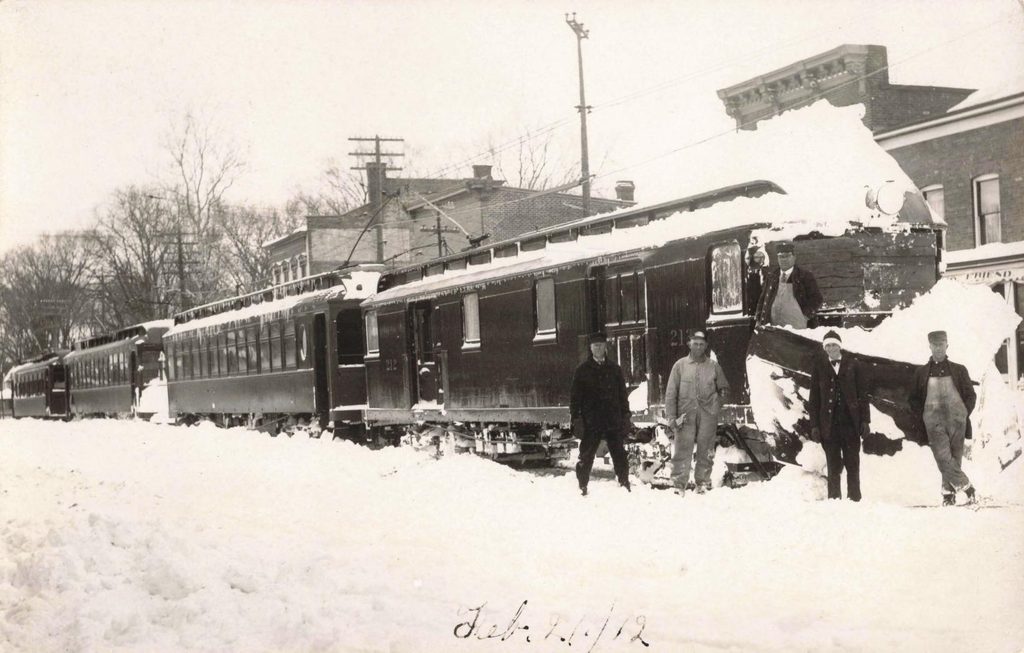
Construction advanced in 1902, when the railway company acquired property for a depot along State Street. Tracks and overhead electric wires became familiar features of the downtown area. Residents could make regional trips without relying entirely on railroad schedules or private transportation.
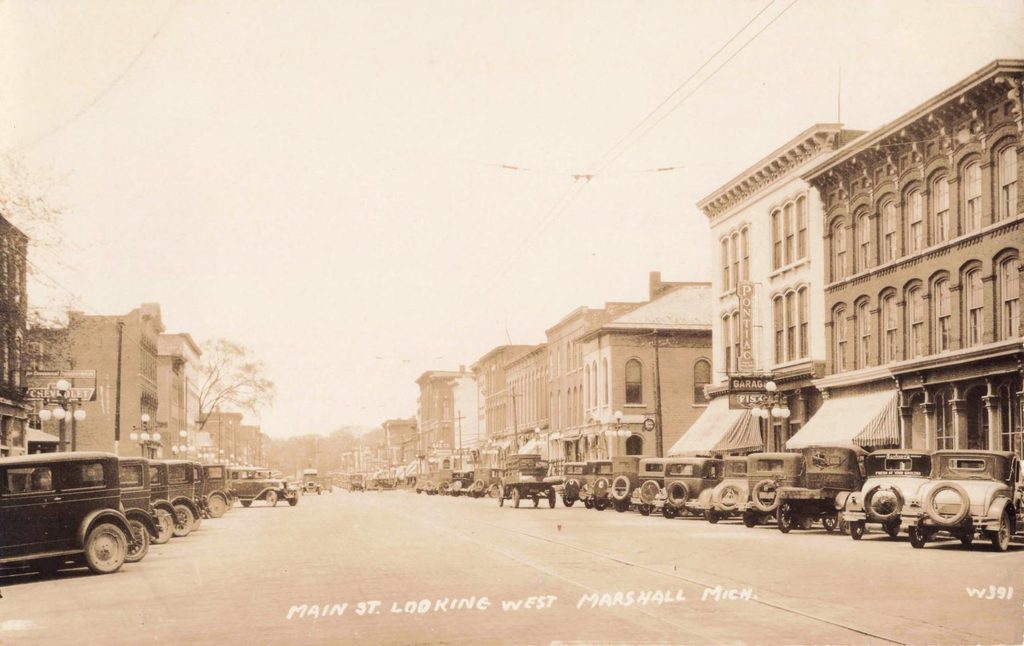
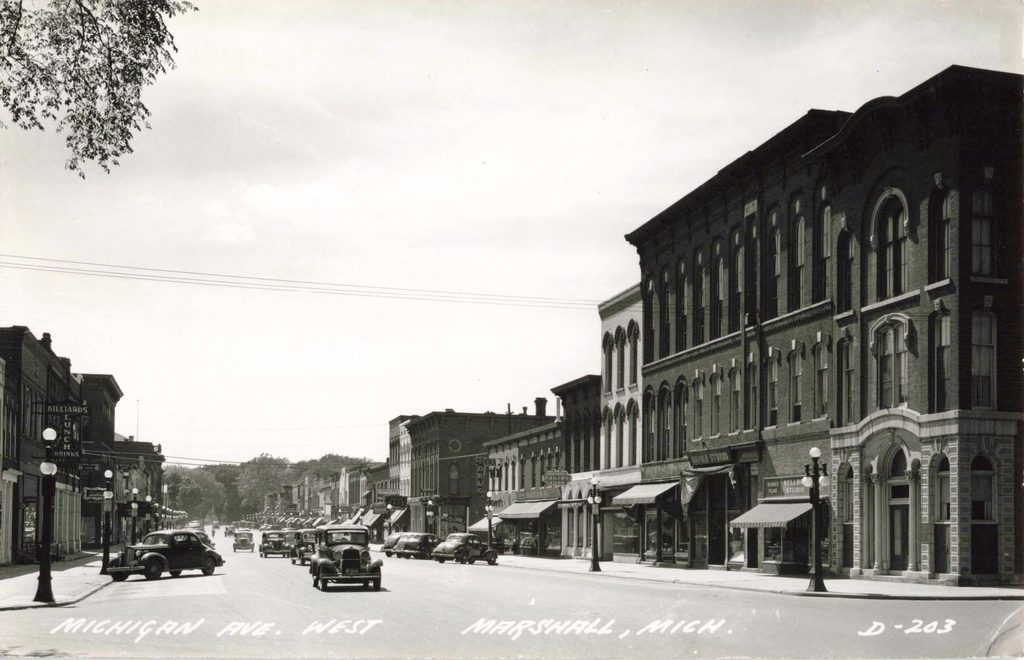
Automobiles steadily reduced the interurban’s usefulness. Passenger service ended in December 1928, followed by the final freight service in July 1929. By then, Michigan Avenue was increasingly dominated by automobiles and the businesses that served them.
Schuler’s Restaurant Grows From an Early Cigar Shop
Albert Schuler began operating a cigar store and lunch counter in Marshall in 1909. Over the following years, he expanded his hospitality business and, in 1924, acquired the Royal Hotel and Restaurant, renaming it Schuler’s.
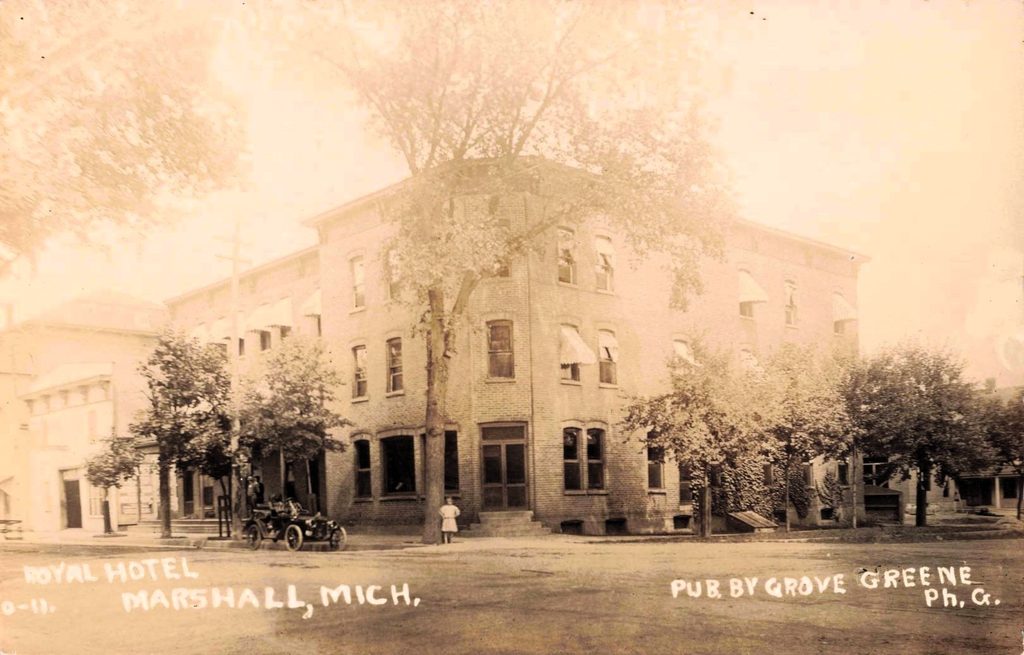
The business served travelers and local residents as the community’s transportation habits changed. In 1934, Albert’s son Winston returned to Marshall and took a larger role in operating the restaurant. His work helped develop the family establishment into a recognizable Michigan dining name.
County Fairs, River Power and Everyday Life
The history of Marshall, Michigan, also includes public events that brought residents together. The Calhoun County Fair traces its beginnings to 1839, with the agricultural society reorganizing in 1848. The annual fair offered farmers exhibits, machinery demonstrations, and opportunities to compare agricultural products.
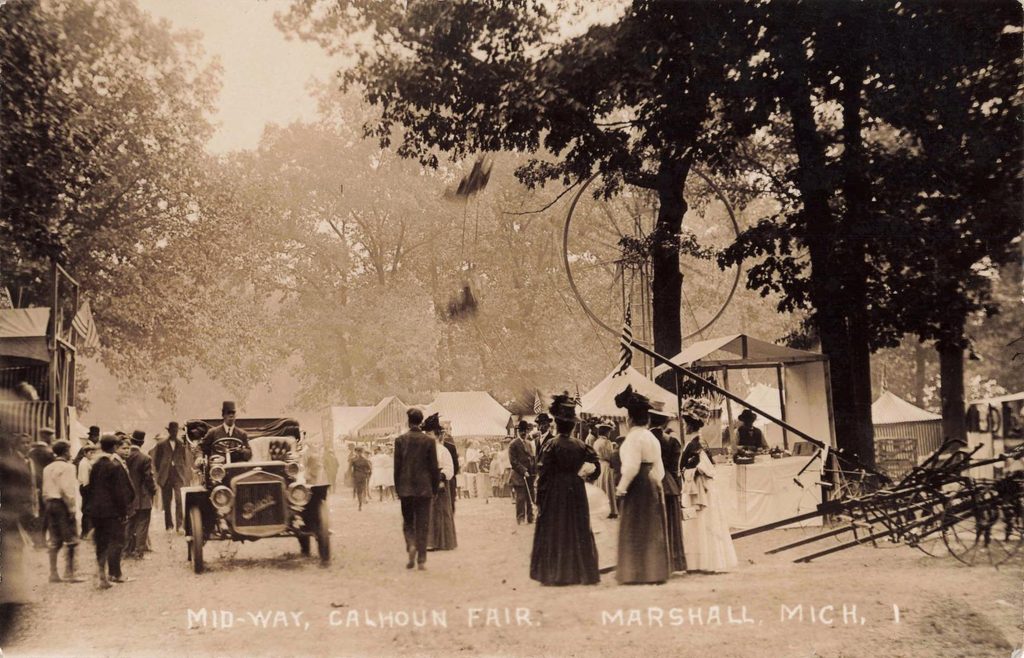
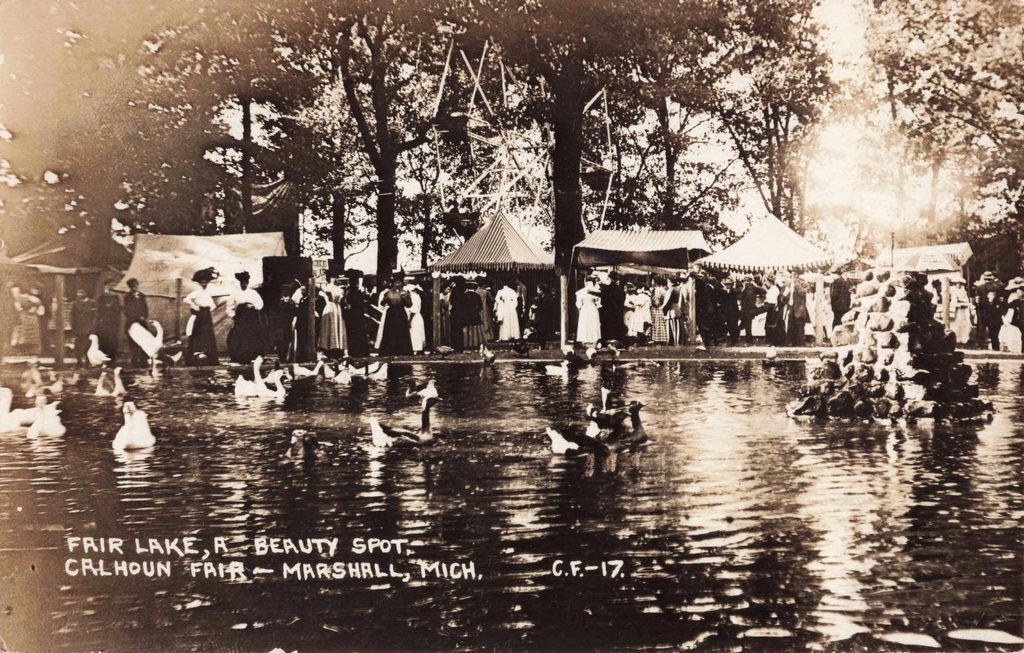
By the early 1900s, its grounds had become an entertainment destination. Visitors gathered around tents, rides, and the midway. Fair Lake, created in 1902 and later known as the Duck Pond, added another attraction.
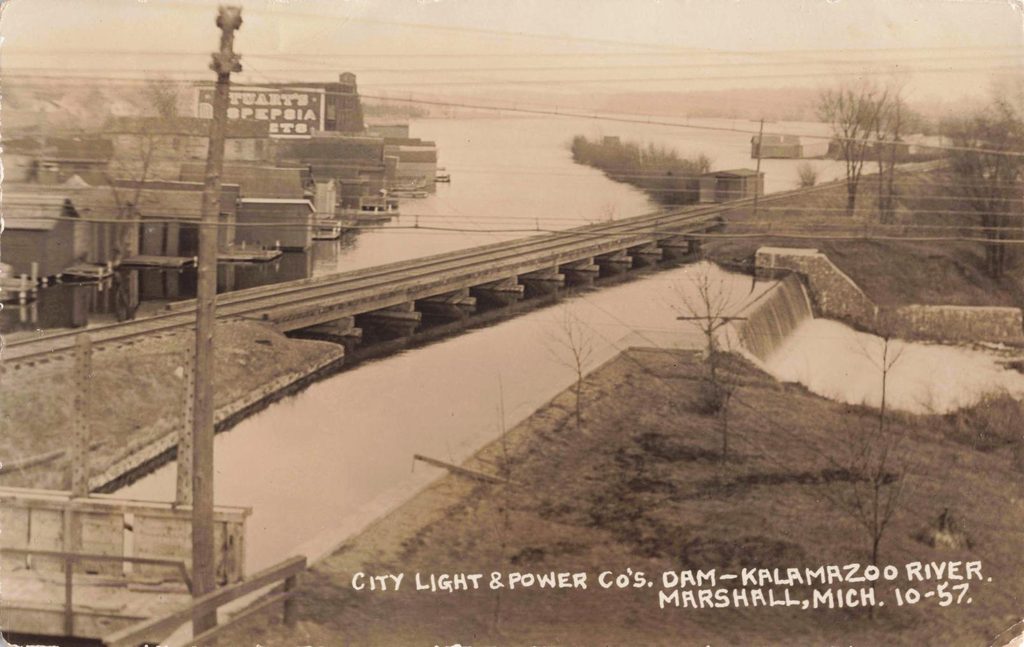
The Kalamazoo River supported another part of Marshall’s economy. Waterpower had attracted the earliest settlers, and later improvements connected the river to municipal and industrial operations. The City Light and Power Company’s dam illustrates how older water resources remained useful during the electrical age.
Brooks Memorial Fountain Lights Up Marshall in 1930
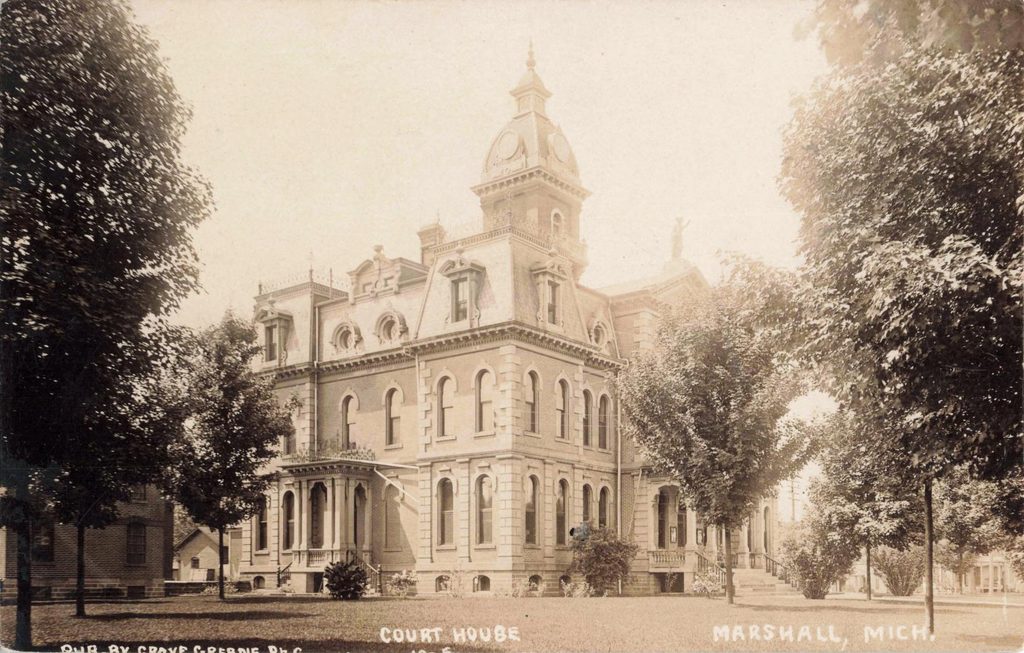
One of Marshall’s best-known attractions arrived during the city’s centennial year. Mayor Harold C. Brooks donated an illuminated fountain in memory of his father, Charles E. Brooks. The structure was built on the former site of Marshall’s first county courthouse.
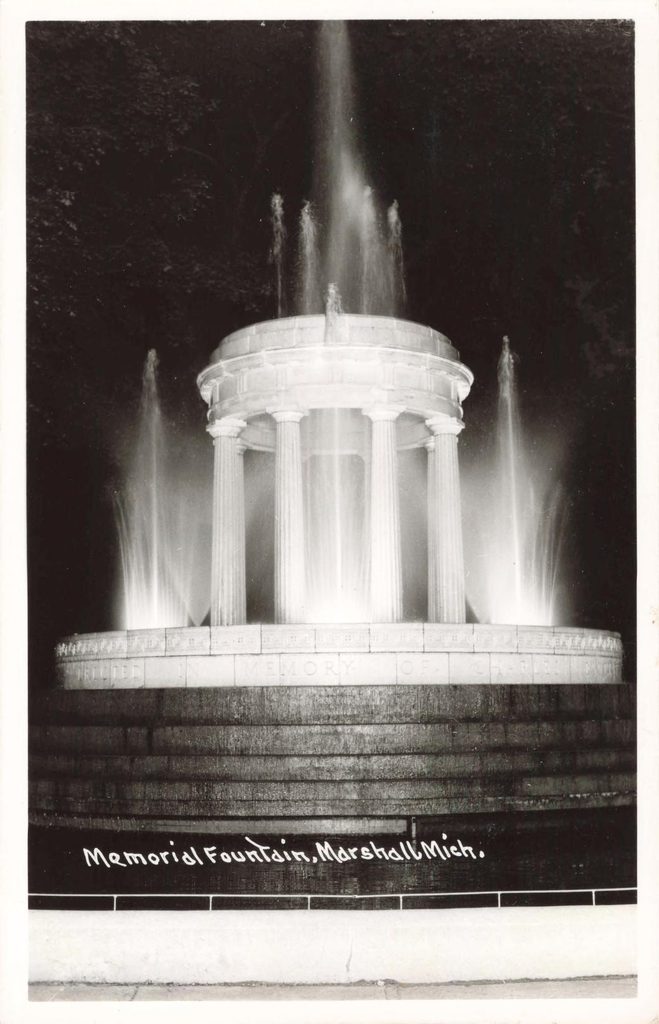
The Brooks Memorial Fountain was dedicated April 26, 1930. About 7,000 people attended the ceremony, and the mayor’s son Craig switched on the fountain’s colored lights and water display. Its classical columns and changing illumination gave the public square a new centerpiece.
Historic Marshall Michigan Preserves Its Architecture
Marshall’s older buildings continued serving businesses and families even as the railroad declined in importance and automobiles reshaped downtown traffic. Stores changed owners, hotels adapted, and public institutions continued occupying buildings constructed decades earlier.
In 1991, the Marshall Historic Landmark District received federal recognition. Its collection of more than 850 buildings includes examples of Greek Revival, Italianate, Gothic Revival, and Queen Anne architecture, along with commercial structures that retain the appearance of earlier generations.
Today, the Governor’s Mansion, Honolulu House, historic hotels, and Brooks Memorial Fountain remain among the buildings and landmarks associated with Marshall’s early development. They preserve the record of a town that once expected to govern Michigan but ultimately became known for the remarkable amount of its own history still standing.
Marshall, Michigan:
From Capital Dreams to Historic Landmark
Marshall nearly became Michigan’s state capital. Instead, the Calhoun County community made its mark through public education, railroads, abolitionism, industry and distinctive architecture. Follow the events that shaped the city.

Open Marshall’s Historical Timeline
Select any event to read its history and view the supporting source. Historical images are from later periods unless noted.
1830–1847 | Founding and Statehood
A new county seat prepares for a major political role.
1830–31 Marshall Is Established The Ketchum brothers plan a new town
Sidney and George Ketchum planned Marshall in 1830. The first settlers arrived in 1831. Named for U.S. Supreme Court Chief Justice John Marshall, the community became the Calhoun County seat later that year.
Its location along the Kalamazoo River and the Territorial Road helped attract settlers and commercial activity.
Read the founding history1835 Public Education and the National House New institutions support a growing community
Marshall residents Isaac Crary and the Rev. John D. Pierce helped design Michigan’s statewide public education system. Their ideas contributed to the education provisions adopted as Michigan prepared for statehood.
The National House also opened in a brick building erected for Andrew Mann in 1835. It later served other purposes before returning to use as an inn.
Marshall education history National House history1839 The Governor’s Mansion Is Built A house prepared for political success
James Wright Gordon built an impressive Greek Revival residence near land proposed for Michigan’s state capitol. He subsequently served as acting governor in 1841.
Although Gordon lived in the home, Marshall never became the capital. The residence survives as the Governor’s Mansion Museum.
Governor’s Mansion history
1839
The First Calhoun County Fair
An agricultural tradition begins
The first Calhoun County Fair was held Nov. 5, 1839, behind what is now the Presbyterian Church. The event reflected agriculture’s importance to the surrounding community.
The fair was reorganized in 1848 and developed into a long-running county tradition.
Image: A much later fair midway, showing an early automobile and visitors among the attractions.
Calhoun County Fair history View historical postcard
1844
Michigan Central Railroad Arrives
Steam rail service strengthens local trade
The Michigan Central Railroad reached Marshall in 1844, giving businesses and farmers a faster connection to regional markets.
Railroad operations provided employment and supported hotels, shops and other businesses. Marshall remained an important railroad center during the following decades.
Image: An early 20th-century view of the Michigan Central depot and approaching locomotive.
Marshall railroad history View historical postcard1847 The Crosswhite Affair and Lost Capital Two events change Marshall’s future
In January 1847, Marshall residents intervened when men from Kentucky attempted to capture Adam Crosswhite and his family, who had escaped slavery. The family fled to Canada, and the incident led to federal litigation.
That same year, Michigan lawmakers selected Lansing as the state capital instead of Marshall, ending years of local political ambitions.
Marshall historical background The state capital decision1860–1902 | Architecture and Railroads
New buildings and transportation systems change the city.
1860 Honolulu House Is Completed Architecture influenced by Hawaii
Abner Pratt, a former Michigan Supreme Court chief justice and American consul to Hawaii, built Honolulu House in 1860.
Its distinctive design reflected Pratt’s experiences in the Hawaiian Islands and made the residence unlike most neighboring homes. It later became a historical museum.
Honolulu House Museum history1863 Railroad Engineers Organize The Brotherhood of the Footboard begins
Michigan Central Railroad engineers met in Marshall in April 1863 to organize for improved working conditions and greater protection of their interests.
Their efforts led to the Brotherhood of the Footboard, established May 8, 1863. The organization later became the Brotherhood of Locomotive Engineers.
Brotherhood founding history
1899–1902
Electric Railway Service Begins
Marshall joins the interurban era
Marshall authorized an electric railway franchise in 1899. The first interurban car reached town over the new tracks on June 7, 1902.
Electric cars offered another way to travel between Marshall and neighboring communities. Tracks, wires and a downtown depot became familiar parts of city life.
Image: The electric depot with curved tracks, pedestrians and adjoining businesses.
History of Marshall’s interurban View historical postcard
1902
Fair Lake Is Constructed
A new attraction at the county fair
Fair Lake was constructed at the Calhoun County Fairgrounds in 1902. Later known as the Duck Pond, it added a scenic attraction to the agricultural exhibits and midway entertainment.
Early postcards show ducks and geese on the water, with visitors, tents and amusement equipment nearby.
Fairgrounds historical background View historical postcard1909–1930 | The Automobile Age
Hotels, businesses and public attractions adapt to modern life.
1909
Albert Schuler Opens His Business
A local restaurant tradition begins
Albert Schuler opened a cigar store and restaurant on Main Street in 1909. His business grew as downtown Marshall served local residents and travelers moving through southern Michigan.
Schuler later expanded into hotel operations, creating the foundation of a business that became closely associated with Marshall.
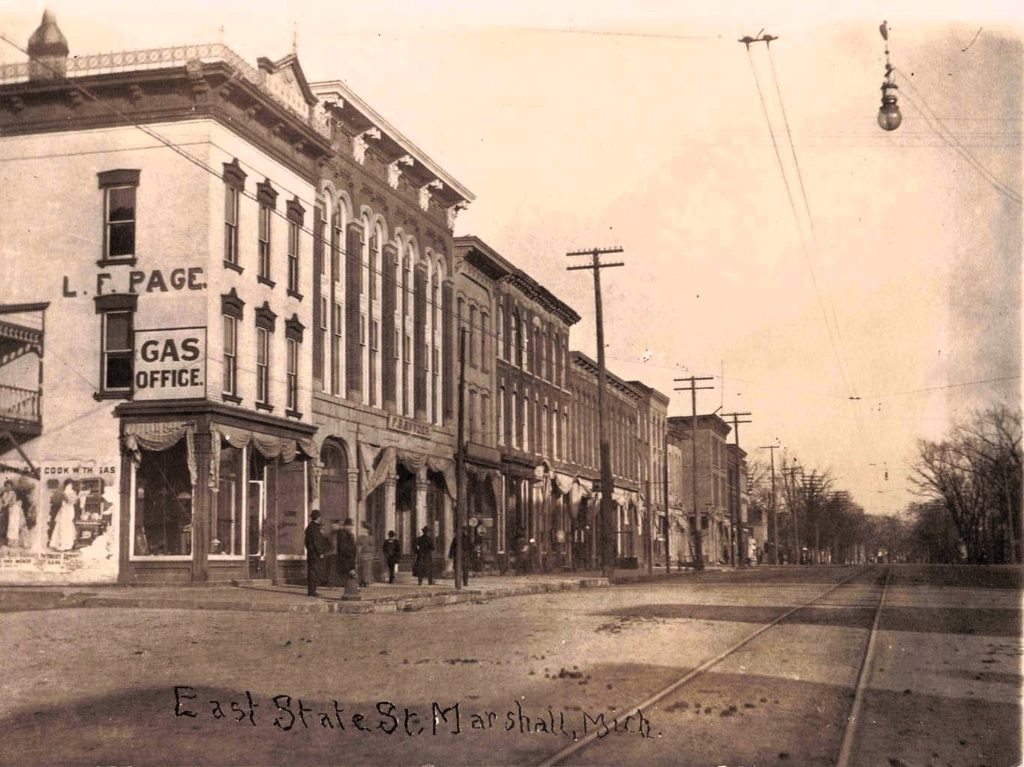
Image: An early downtown commercial view, illustrating Marshall’s retail district.
Schuler’s company history View historical postcard
1924
The Royal Hotel Becomes Schuler’s
A landmark takes on a familiar name
Albert Schuler acquired the Royal Hotel and Restaurant at Eagle and Green streets in 1924 and renamed it Schuler’s.
The property connected Marshall’s earlier hotel trade with the growing automobile tourism business. It became an important part of local hospitality history.
Image: The Royal Hotel before the Schuler name was adopted, with an early motorcar outside.
Royal Hotel history View historical postcard
1928–29
The Interurban Era Ends
Automobiles change local transportation
Electric interurban passenger service through Marshall ended in December 1928. The remaining freight operations ended in 1929.
Automobiles had become an important way of traveling between communities. Downtown storefronts now shared the street with garages, parking areas and growing motor traffic.
Image: Parked automobiles and a Pontiac garage sign along Marshall’s business district.
Interurban service history View historical postcard
1930
Brooks Memorial Fountain Is Dedicated
A crowd of 7,000 sees the new attraction
Marshall’s Brooks Memorial Fountain was dedicated April 26, 1930, during the city’s centennial year. Mayor Harold C. Brooks donated the structure in memory of his father, Charles E. Brooks.
An estimated 7,000 people attended the dedication. The mayor’s son, Craig, activated the water display and its changing colored lights.
The fountain occupies the site of Marshall’s first county courthouse.
Michigan historical marker View historical postcard1991 | National Historic Recognition
Marshall’s surviving buildings receive national recognition.
1991
Marshall Becomes a National Historic Landmark
Hundreds of historic buildings recognized
On July 17, 1991, the Marshall Historic District received National Historic Landmark designation.
The district is recognized for its outstanding collection of 19th- and early 20th-century architecture, including homes, commercial buildings and public institutions.
Many of the buildings that served Marshall’s railroad-era population remain visible in the historic district.
Image: A much earlier view of Michigan Avenue, illustrating the commercial architecture later recognized for its historical value.
Michigan historic district record View historical postcardFrequently Asked Questions About Marshall, Michigan History
When was Marshall, Michigan, founded?
Marshall was planned in 1830 by Sidney and George Ketchum. The first settlers arrived in 1831, and the community became the Calhoun County seat that year.
Why didn’t Marshall become Michigan’s capital?
Marshall was a leading candidate, but Michigan lawmakers selected Lansing in 1847. Marshall retained its county-seat government and continued developing as a railroad and commercial center.
What was Marshall’s importance in railroad history?
The Michigan Central Railroad reached Marshall in 1844. The Brotherhood of the Footboard, which became the Brotherhood of Locomotive Engineers, was organized there in 1863.
What historic attractions remain in Marshall?
Notable sites include the Governor’s Mansion Museum, Honolulu House, Brooks Memorial Fountain, National House Inn and the city’s nationally recognized historic district.
Share Your Memories of Marshall
Did your family live in Marshall, work for the railroad, operate a downtown business or attend the Calhoun County Fair? Share your memories in the comments. Old postcards, family records and recollections can help identify buildings, businesses and people from the city’s past.
Works Cited for the History of Marshall Michigan
Calhoun County Agricultural & Industrial Society. “About the Calhoun County Fairgrounds.” Calhoun County Fairgrounds.
Choose Marshall. “History of Marshall.” Choose Marshall.
Choose Marshall. “The Territorial Road, Interurban, and Railroad.” Choose Marshall.
Daughters of the American Revolution. “Marshall’s Governor’s Mansion Museum.” National Society Daughters of the American Revolution.
Eckert, Kathryn Bishop. “National House Inn.” SAH Archipedia, Society of Architectural Historians.
Marshall Historical Society. “Restaurant History.” Marshall Historical Society.
Michigan Historical Commission. “First Courthouse / Brooks Memorial Fountain.” Michigan Historical Marker L2287.
National Park Service. “Marshall Michigan Historic Landmark District.” National Register of Historic Places, 17 July 1991.
National Park Service. “Network to Freedom Listings.” National Underground Railroad Network to Freedom.
Schuler’s Restaurant. “Over a Century of the Schuler Way.” Schuler’s Restaurant, 2023.
von Buol, Peter. “Abner Pratt and Michigan’s Honolulu House.” Prologue, National Archives, fall 2006.