The Great Michigan Flood of 1986: Mid-Michigan Disaster
Few natural disasters have the impact of a flood. In hours entire communities can be forever changed. The Great Michigan Flood of 1986 affected the entire Mid-Michigan region. We take a look.

News History & Fun in Michigan
 We examine stories and events that shaped the history of the Upper Thumb and Michigan. While we focus on the Thumb region, other Great Lakes historical events are covered. Major events include the lumbering era and the 1871 and 1881 great fires. We cover major pioneers and personalities that shaped the region. To hear many of our best stories, visit and subscribe to our Podcast, “The End of the Road in Michigan.”
Our best Michigan history posts are found below.
Few natural disasters have the impact of a flood. In hours entire communities can be forever changed. The Great Michigan Flood of 1986 affected the entire Mid-Michigan region. We take a look.
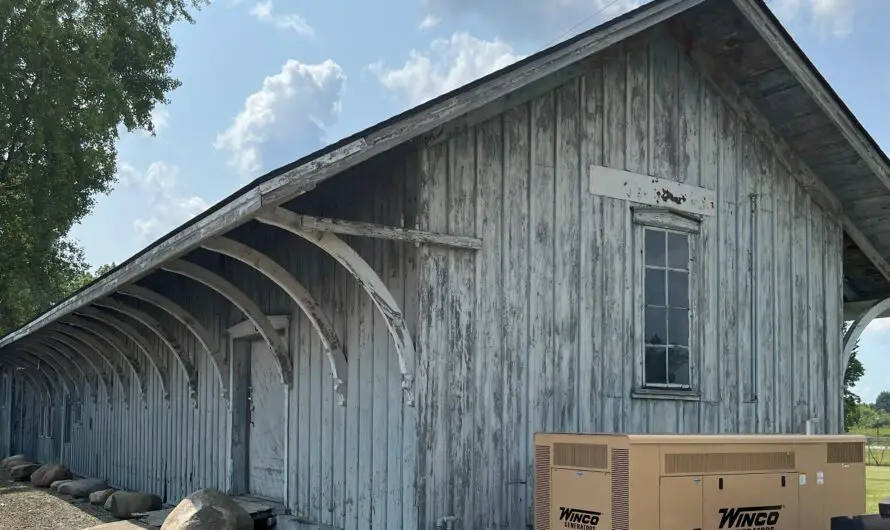
In 1878, the Port Huron and Northwestern Railroad extended track from Port Huron to Sand Beach, aiding local economy. The railroad was crucial for transporting goods and later converted to standard gauge. Accidents and declining use led to discontinuation of rail services in 1995, with the historic depot repurposed for lodging.
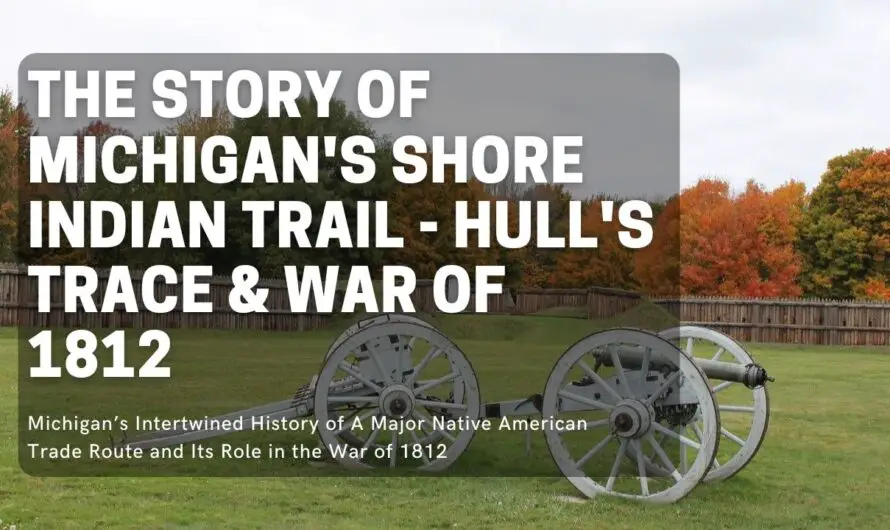
The Shore Indian trail was one of the five major routes of land travel leading out of Detroit and one best known to the early settlers.
The trail begins from the rapids of the Maumee River to Toledo. It played a major role during the War of 1812.
We found this set of amazing little tidbits of obscure trivia on what Michigan is known for in the automotive, shipping and transportation area. We are always hunting for others Michigan trivia, so I expect this list to grow well beyond these.
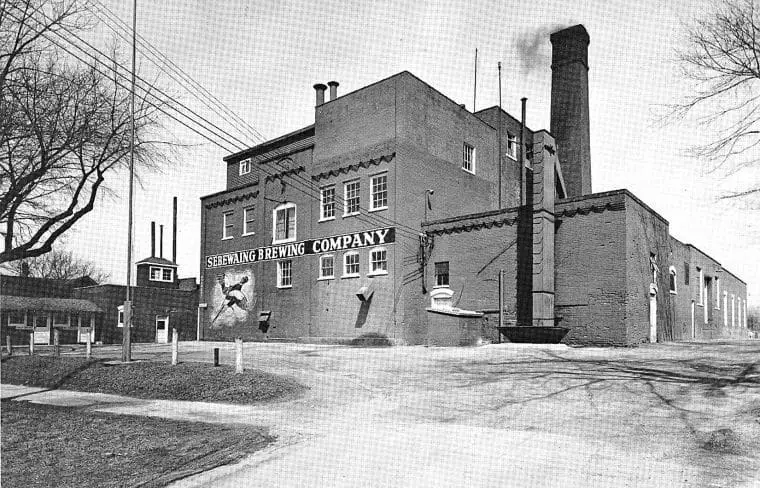
Sebewaing Brewing Company was a local Michigan beer company that served the Michigan Thumb market.
The brewery operated from 1880 to 1966. Today the cans, labels and paraphernalia are collectors’ items.
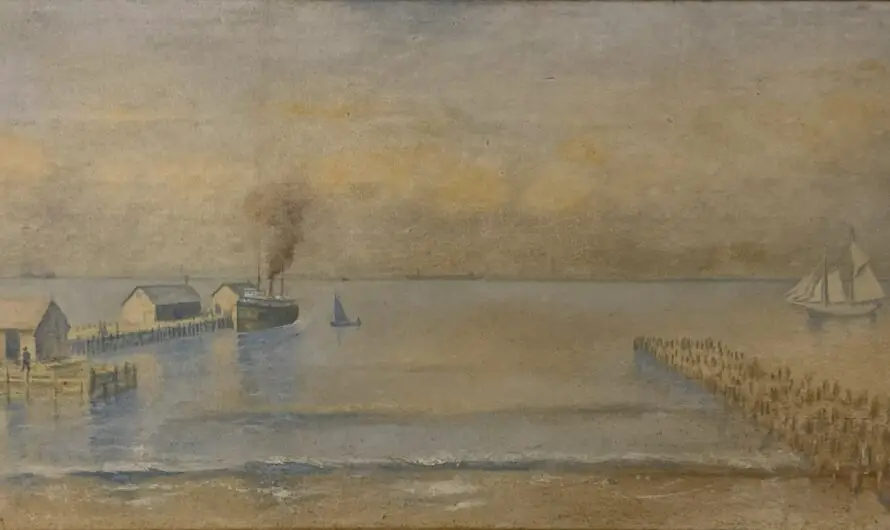
The R.L. Gillingham Fish Company, established in 1886, played a key role in Bay Port, Michigan’s development as a major commercial fishing port. Overcoming setbacks like a fire and economic challenges, the company left a lasting legacy. Today, its influence is evident in the Bay Port Historic Commercial Fishing District.
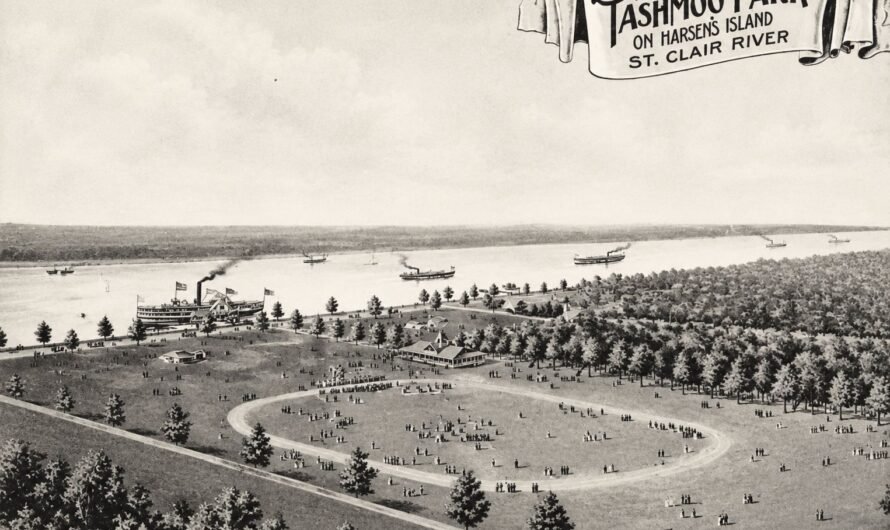
Tashmoo Park, was located on Harsens Island in the St. Clair River Flats. It was a beloved entertainment venue known for its large picnics, simple rides, nearby grand hotels, and notable visitors. Established in 1897, the park’s peak years spanned from the early 1900s to the late 1920s. The park eventually declined due to the automobile, social, and wartime challenges, but remains an integral part of Michigan’s history. Today, remnants of the park can be found at Tashmoo Marina. The park’s history, including its significance as the “Venice of the Midwest.”
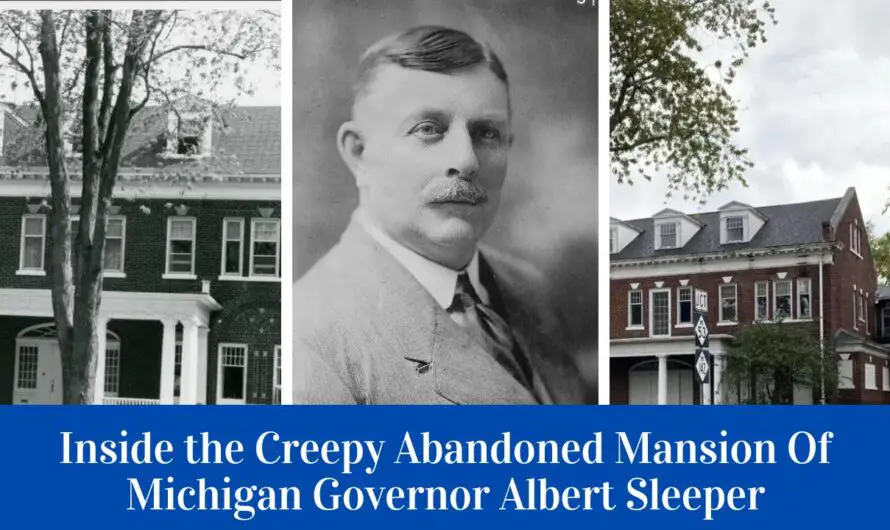
Albert E. Sleeper, a prominent figure in Michigan history, served as governor from 1917-1921 and left a lasting impact. He was instrumental in establishing the State Police of Michigan and the Michigan State Park System. The Albert E. Sleeper House, built in 1917, holds historical significance. Despite its current state of disuse, Sleeper’s legacy endures in Michigan’s parks and history.
Drive In theaters remained popular until VHS movies took hold of the market in the 1980’s. Yet one still remains in the Thumb. We look back.
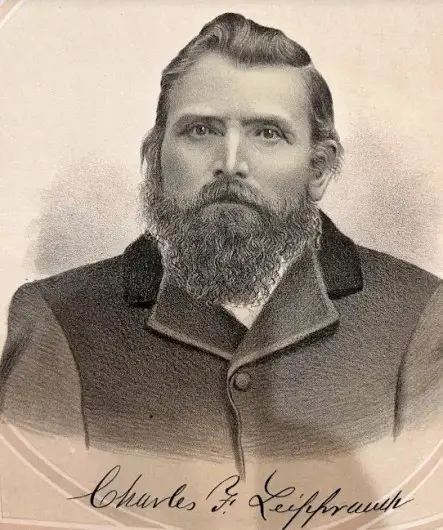
C.F. Leipprandt’s journey from Germany to Michigan shaped Huron County’s history. As a farmer, merchant, and postmaster in Caseville, his contributions were vast. His innovative spirit and dedication to community set a lasting legacy.