 by
by 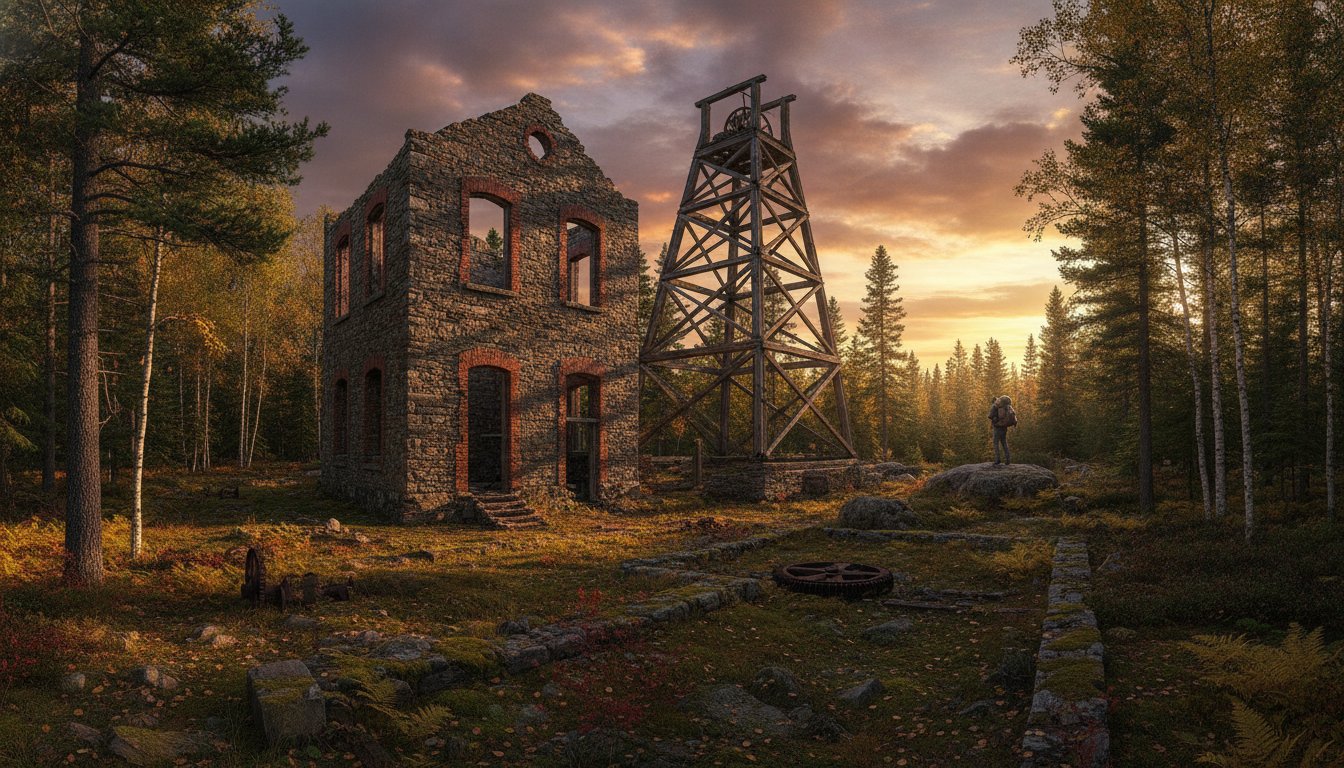
Imagine standing in the middle of a silent street where, a century ago, the air hummed with the roar of iron furnaces and the shouts of copper miners. Today, the only sound is the wind through the hemlocks and the rhythmic lap of Lake Superior against a crumbling pier. It’s easy to feel a deep sense of nostalgia when exploring Upper Peninsula Michigan ghost towns, as these abandoned settlements serve as industrial time capsules of our region’s grit and fragility. You likely want to see these places for yourself, but you’ve probably worried about losing cell service on a remote backroad or accidentally trespassing on private land.
We understand the frustration of driving for hours only to find an empty field where a town once stood. This guide is designed to solve those travel pains by providing a curated list of must-see sites, complete with the historical stories that make the ruins meaningful. You’ll discover the most hauntingly beautiful abandoned settlements across the region, from the preserved buildings at Fayette to the depths of the Delaware Mine. We provide the historical context that brings the stone and timber to life, alongside practical advice on navigation and current 2026 visitor regulations to ensure your trip is seamless.
Key Takeaways
- Gain a deeper appreciation for the region’s heritage by learning how copper, iron, and timber built and then abandoned these historic communities.
- Find out which locations offer the most evocative ruins, from the towering smokestacks of Freda to the quiet limestone paths of Fiborn Quarry.
- Plan your route with a practical map and expert advice on reaching the most remote Upper Peninsula Michigan ghost towns without getting lost or stranded.
- Protect these vanishing landmarks by mastering the “Take Only Pictures” rule and understanding the specifics of Michigan’s trespass and “purple paint” laws.
- Prepare for the unique challenges of the North, including vehicle requirements and using live webcams to check weather before you cross the bridge.
The Silent Sentinels of the North: Why the Upper Peninsula is a Ghost Town Hub
A ghost town in the North isn’t always a collection of dusty ruins or an empty field. In the context of Upper Peninsula Michigan ghost towns, these sites exist on a spectrum. Some are “living” ghost towns like Central, where the cottages still stand and descendants return annually to honor their roots. Others are true ruins, where crumbling foundations are slowly being reclaimed by cedar swamps and hemlock groves. The sheer density of Michigan ghost towns in this region is no accident; it’s the direct result of a massive industrial explosion fueled by the “Big Three” industries: copper, iron, and timber.
The 19th-century boom-bust cycle was driven by rapid technological shifts. As steam power replaced hand tools, companies extracted resources at a staggering pace, building entire cities in months only to abandon them when the veins ran dry or the market crashed. Because of the UP’s geographic isolation, many of these settlements were spared from the modernization that erased similar history in the Lower Peninsula. The forest simply grew around them, creating a natural vault for our industrial heritage.
The Geological Lottery: Copper and Iron
The story begins a billion years ago with the Midcontinent Rift, a massive volcanic event that left the Keweenaw Peninsula with the world’s only large-scale deposits of pure native copper. This geological fluke sparked a frenzy of activity. The Copper Rush of 1843 actually predated the famous California Gold Rush by several years. While copper towns often enjoyed decades of prosperity due to the depth of the lodes, iron range settlements were frequently more volatile, appearing and disappearing as quickly as the ore could be hauled to the docks.
The Industrial Rise and Fall
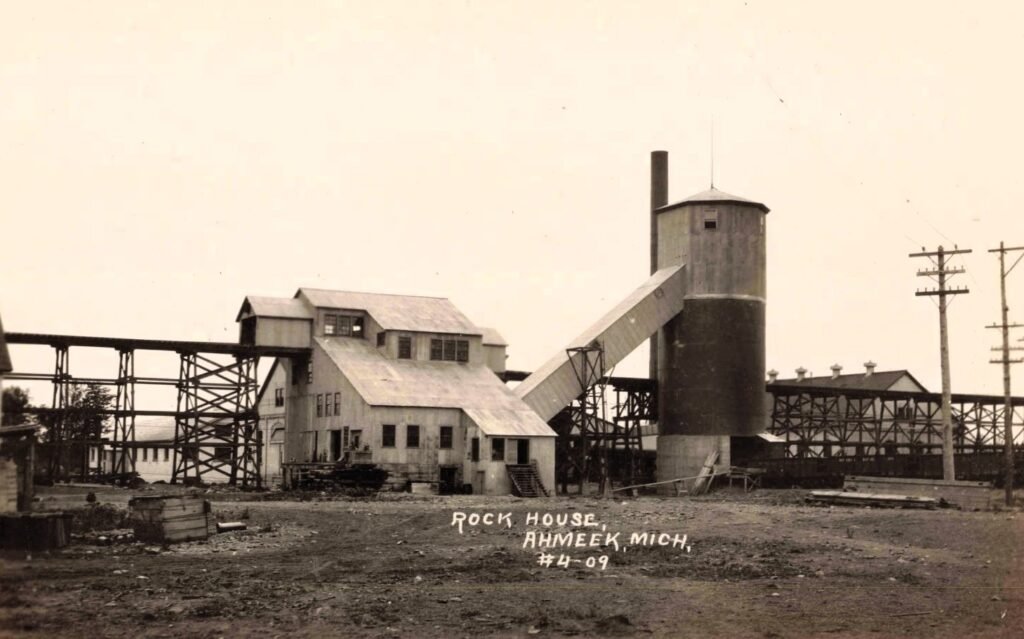
The decline wasn’t just about empty mines. The brutal 1913-14 miners’ strike fundamentally changed the region, shattering the relationship between the workforce and the powerful mining companies. When the Great Depression arrived, it served as the final blow. As the demand for raw materials plummeted, the cost of pumping water from deep shafts became unsustainable. Industrial centers that once hummed with life transitioned into the quiet phantom towns we explore today, leaving behind stone shells as monuments to a vanished era.
Exploring the Copper Country: The Haunted Ruins of the Keweenaw
The Keweenaw Peninsula is the heart of the copper boom, a rugged finger of land where the echoes of heavy machinery still seem to linger in the salt-tinged air. When you travel here, you’re entering a landscape defined by deep shafts and the resilient people who worked them. Among the many Upper Peninsula Michigan ghost towns, few offer the atmospheric depth of the Keweenaw’s copper colonies. From the well-preserved cottages of Central to the skeletal remains of the Freda mill, these sites provide a window into a time when copper was king. Exploring these Upper Peninsula Michigan ghost towns reveals the sheer scale of the 19th-century industrial effort.
Central Mine: A Community Frozen in Time
Central is often called the quintessential “living” ghost town. Unlike sites that have vanished into the brush, Central remains a touchstone for the community. Descendants of the original miners return every summer for a reunion at the Methodist Church, keeping the village’s spirit alive. For visitors in 2026, the visitor center is open daily from June 14th to October 11th. There is no admission fee, though your donations help preserve the site. As you walk the grounds, look for the massive piles of “poor rock” that still tower over the landscape. It’s the perfect starting point for beginners because the trails are clear and the history is well-documented.
Freda and the Mill Ruins
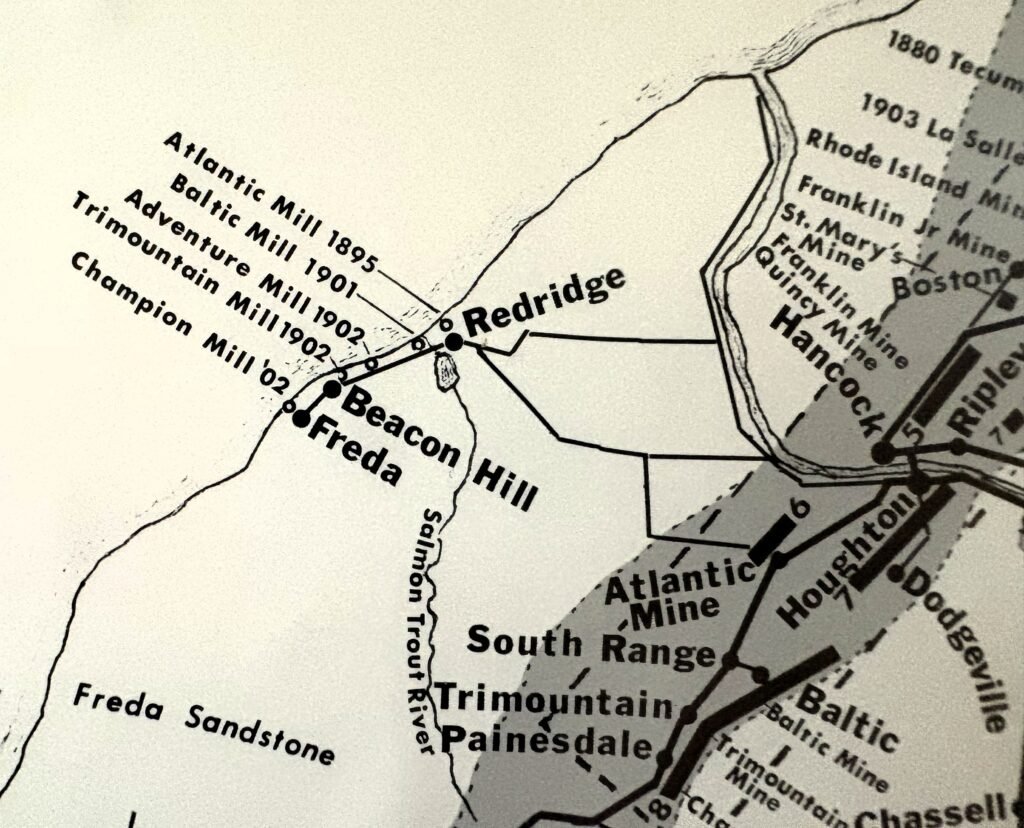
If you crave a more dramatic experience, the drive out to Freda is essential. The road winds through dense forest before opening up to the towering concrete foundations of the Champion Mill. These ruins sit precariously on the sandstone cliffs overlooking Lake Superior. It’s a stark, beautiful place, but safety is paramount. The concrete is aging and the drop-offs are steep, so please stay on the established paths. While you’re there, look for the “ghost” of the Freda Post Office. It closed in the 1960s, marking the final chapter for a town that once boasted hundreds of families. If you want to dive deeper into the stories of the people who lived here, you can explore our historical archives for more regional lore.
Further north, you can step underground at the Delaware Copper Mine. For the 2026 season, self-guided tours cost $14 for adults and $9 for children ages 6 to 12. It’s a rare chance to see the actual veins of copper that sparked the rush. Not far away lies the site of Cliff, where the first great copper dividend in North America was paid. While little remains of Cliff today beyond foundations, its legacy as the mine that proved the Keweenaw’s wealth remains unshakable.
Beyond the Mines: Iron Range and Lumbering Ghost Towns
While the Keweenaw often steals the spotlight, the central and eastern regions hold some of the most unique Upper Peninsula Michigan ghost towns. These sites tell the stories of industries beyond copper, focusing on the iron smelting and timber harvesting that fueled Michigan’s growth. Exploring these Upper Peninsula Michigan ghost towns reminds us that the region’s wealth was built on more than just a single mineral.
Fayette: The Iron Smelting Ghost Town
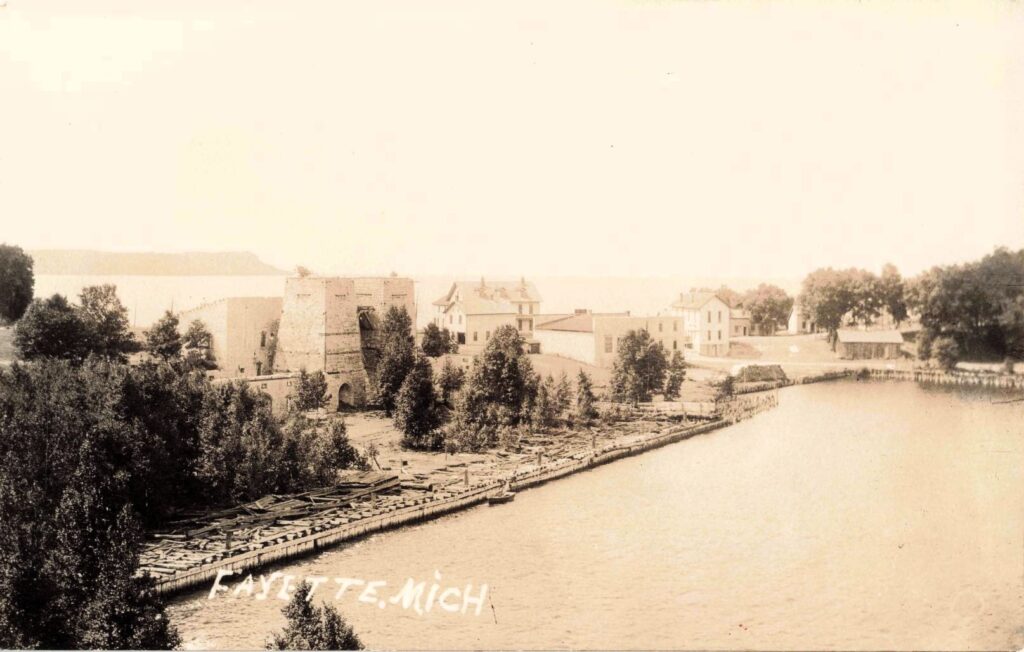
The Jackson Iron Company established Fayette on Snail Shell Harbor because the location provided every resource needed for charcoal iron production. The site offered deep water for shipping, towering limestone cliffs for flux, and vast hardwood forests for fuel. Today, it stands as one of the most complete historical sites in the Midwest. You can walk through the massive stone blast furnaces and visit the restored hotel, which looks as though it’s still waiting for the next stagecoach. To capture the best nostalgic photos, visit during the “golden hour” just before dusk when the white limestone reflects the setting sun. For your 2026 trip, remember that a Michigan Recreation Passport is required for vehicle entry. This currently costs $16 for residents and $42 for non-residents, and the townsite is open daily from 9:00 a.m. to 5:00 p.m. during the peak summer season.
Fiborn and the Limestone Legacy
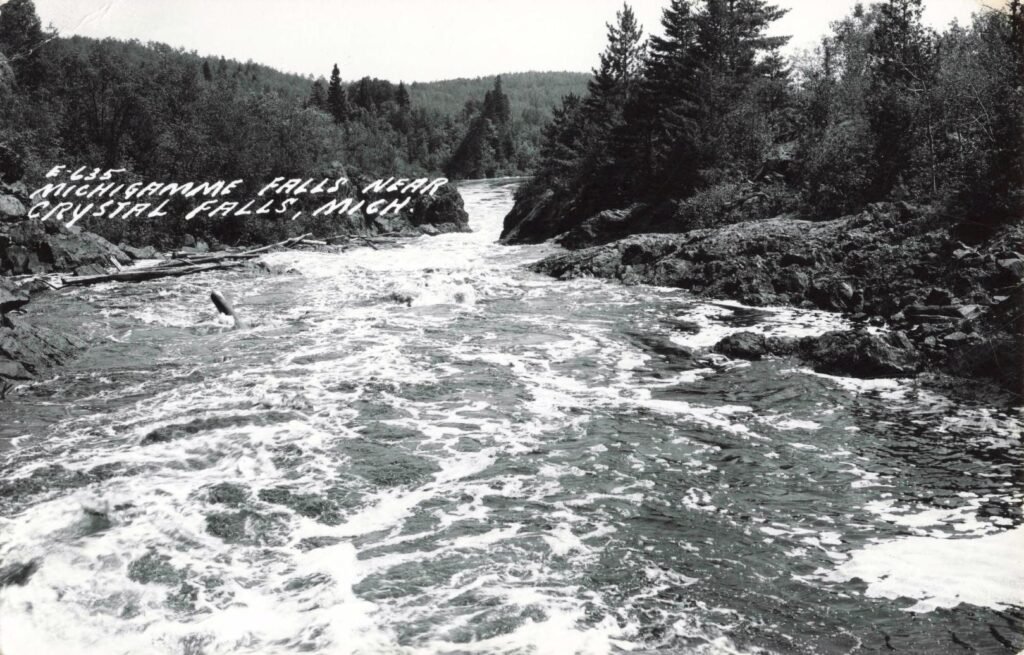
In the eastern UP, Fiborn Quarry offers a different atmosphere altogether. This site was a vital hub for limestone, a material essential for the steel mills of the lower lakes. The area is famous for its unique karst topography, where the limestone has eroded over centuries into fascinating caves and sinkholes. Walking among the ruins of the boarding house and the quarry office gives you a real sense of the isolation these workers faced. The railroad was the lifeblood here, and you can still trace the old grades that once connected this remote outpost to the rest of the world.
Further west, the Mansfield Location tells a darker, more tragic story. In 1893, the Michigamme River broke through into the mine, causing a catastrophic collapse that claimed 27 lives. It’s a somber reminder of the risks taken by those who built these communities. Meanwhile, near the mouth of the Tahquamenon River, the remains of Shelldrake stand as a testament to the lumbering era. Once a bustling mill town with its own hospital and school, it’s now a quiet spot where the sawdust has long since settled into the soil.

Planning Your Expedition: A Travel Map and Logistical Guide
Planning a trip to see Upper Peninsula Michigan ghost towns requires more than just a sense of adventure. It demands a bit of strategy. The UP is vast, and the distance between a paved highway and a remote ruin can involve miles of winding gravel roads. To make the most of your journey, it’s best to think of your trip as a circuit that moves from the gateway at St. Ignace toward the rugged tip of the Keweenaw Peninsula. Before you head north, check our live regional webcams to get a real-time look at weather conditions and traffic across the bridge.
The “Ghost Town Circuit” Itinerary
Your journey should follow a logical path to maximize your time. We suggest a six-day loop to see the most evocative sites:
- Day 1-2: Focus on the Eastern UP, visiting the charcoal iron ruins of Fayette and the limestone silence of Fiborn.
- Day 3-5: Head to the Keweenaw for a deep dive into Central, the mill ruins at Freda, and the underground tunnels of Delaware.
- Day 6: Complete the circuit with the Iron Range loop, visiting the somber Mansfield Location near Iron Mountain.
June and September are the “Golden Windows” for this expedition. June offers long daylight hours, while September provides cooler temperatures and fewer insects. Regardless of when you go, vehicle prep is vital. A high-clearance 4WD vehicle is recommended for sites like Fiborn or the backroads of the Keweenaw where logging trails can be unpredictable. Cell service often vanishes entirely as you approach the Huron Mountains or the deep interior, so you should download offline maps through Google or Gaia before you cross the Mackinac Bridge. Always top off your gas tank in larger hubs like St. Ignace, Marquette, or Houghton before hitting the backroads.
Essential Gear for Ghost Town Hunters
One of our favorite tricks is the “Apple Tree Method.” If you see a lone, gnarled apple tree in a clearing, there was likely a homestead there a century ago. These hardy trees often outlive the timber structures they once shaded, serving as living markers for vanished families. For safety, pack high-quality flashlights for peering into foundations and thick boots to protect against hidden debris. Don’t forget heavy-duty repellent for the mosquitoes, which locals jokingly call the UP “State Bird.”
Preserving Michigan’s Vanishing History: How to Explore Respectfully
The remains of Upper Peninsula Michigan ghost towns are more than just photo opportunities; they are fragile monuments to the families who once called these remote outposts home. As we travel through these silent streets, we carry a responsibility to ensure they remain intact for the next generation of explorers. Preservation starts with a simple mindset: leave every stone, rusted tool, and weathered timber exactly where you found it. When you remove even a small artifact, you are essentially stealing a piece of the story from the next person who visits.
The Ethics of Urban (Rural) Exploration
Souvenir hunting is a form of historical theft that slowly erodes the authenticity of our heritage. While it might be tempting to pocket a piece of float copper or an old square nail, these items lose their context the moment they are removed from the site. Instead, we encourage digital preservation. High-quality photography allows you to capture the texture of the ruins without causing damage. If you encounter active vandalism or notice significant site degradation, you should report it to the Michigan Department of Natural Resources (DNR). By supporting local historical societies and archives, such as the MTU Copper Country Archives, you help fund the professional care these locations desperately need. This principle of preservation extends to our own homes as well; just as these ruins require attention, modern properties rely on the expertise of First Choice Plus Plumbing & Air to maintain the systems that prevent decay and ensure longevity.
Navigating these areas also requires a clear understanding of Michigan’s trespass laws. Many former mining lands are still privately owned or sit on dangerous “caving grounds” where the earth could subside. Pay close attention to the “Purple Paint” law; in Michigan, purple paint markings on trees or posts serve as a legal notice that you are on private property. Entering these areas without permission is considered trespassing and can lead to fines. Always stay on marked trails to ensure your safety and to respect the rights of local landowners.
Connecting the Thumb to the UP
It’s easy to view the North as a world apart, but the industrial boom of the UP was the engine that built the rest of our state. The wealth pulled from the copper and iron mines financed the grand Victorian homes found in the Thumb and the early industrial rise of Detroit. By visiting local museums in the Thumb area, you can see the “other side” of this story, witnessing how the raw materials of the North were transformed into the civic foundations of our local communities. At Thumbwind, we are dedicated to documenting these connections and keeping our shared heritage alive through careful storytelling and research. Explore more Michigan history and local news on Thumbwind to continue your journey through our state’s fascinating past.
Your Northward Expedition Awaits
Walking through these silent settlements is like stepping into a living history book where every stone foundation tells a story of ambition and resilience. From the towering stamp mill ruins of Freda to the quiet limestone paths of Fiborn, we’ve explored the industrial heart of the North and the logistical steps needed to reach it safely. These Upper Peninsula Michigan ghost towns are more than abandoned buildings; they are a bridge to the workers who shaped our state’s foundational boom-bust cycles.
By following the “Take Only Pictures” rule and preparing for the UP’s unique terrain with offline maps and proper gear, you ensure these stories remain intact for years to come. As a trusted regional news source since 2009, Thumbwind is dedicated to preserving Michigan’s unique local history and providing community-driven insights. Whether you’re exploring the Thumb or the deepest reaches of the Keweenaw, we provide the context that brings our landscape to life. Plan your next Michigan adventure with Thumbwind’s travel guides to discover even more hidden gems across the Great Lakes State. The forest is waiting, so pack your boots and start your journey.
Frequently Asked Questions
What is the most famous ghost town in Michigan’s Upper Peninsula?
Fayette Historic State Park is widely considered the most famous ghost town in the region due to its remarkably preserved iron smelting ruins. Unlike sites that have crumbled entirely into the forest, Fayette features over 20 remaining structures, including the massive stone blast furnaces and the town hall. It offers a clear look at 19th-century industrial life on the shores of Snail Shell Harbor, making it a favorite for photographers and historians alike.
Is it legal to visit Michigan ghost towns?
Visiting ghost towns is legal when the sites are located on public land or within designated state parks. However, you must never enter abandoned mine shafts or private buildings, as this is both dangerous and considered trespassing. In Michigan, look for purple paint on trees or posts. This signifies private property even if no signs are visible. Always respect the “Take Only Pictures” rule to preserve these fragile locations for others.
Are there any ghost towns in the UP that are actually inhabited?
Several Upper Peninsula Michigan ghost towns are considered “living” sites where small populations still reside or return seasonally. Central is a prime example, where descendants of original miners maintain the cottages and gather for an annual reunion service. These locations offer a unique blend of historical ruins and a continuing community spirit. They serve as a bridge between the industrial past and the modern day residents who value their local heritage.
What should I wear when exploring abandoned mining sites?
You should wear rugged, closed-toe boots and durable long pants to protect yourself from jagged debris and overgrown vegetation. Exploring these sites often involves trekking through thick brush where ticks and stinging insects are common. A sturdy pair of boots provides the ankle support needed when navigating the uneven “poor rock” piles found near old mines. Don’t forget a heavy coat of repellent to guard against the local mosquitoes.
Can I find ghost towns in the UP using Google Maps?
While Google Maps can help you navigate to general locations, it often fails to pinpoint specific ruins and loses functionality in areas with no cell service. It’s much safer to download offline maps or use specialized GPS apps before you head into the backcountry. Relying on digital maps alone can lead to frustration. You’ll often find that the most evocative foundations are hidden deep in the forest where the signal won’t reach.
What is the best time of year to visit Michigan ghost towns?
The best time to visit is between mid-May and early October when the weather is mild and the sites are most accessible. September is particularly beautiful because the thinning foliage makes it easier to spot hidden foundations. Biting insects have also finally retreated by late summer. Keep in mind that managed sites like Fayette have specific hours, typically opening at 9:00 a.m. and closing at 5:00 p.m. or dusk during the peak season.
Are there ghost towns near Marquette, Michigan?
There are numerous ghost towns and abandoned locations within a short drive of Marquette, particularly along the historic Iron Range. Old Town Negaunee is a fascinating site where a portion of the city was abandoned due to the risk of mine subsidence. Exploring these Upper Peninsula Michigan ghost towns near the regional hubs allows you to see the transition from active mining to modern community life. These sites are perfect for a day trip from Marquette.
What is the “Apple Tree” trick for finding ghost towns?
The “Apple Tree” trick involves looking for domestic fruit trees in the middle of the forest to find the sites of vanished homesteads. Settlers almost always planted apple or cherry trees near their cabins for a steady food source. Because these trees can live for over a century, they often remain as the only living markers of a family’s presence. Long after the wooden house has rotted away, these gnarled trees continue to bloom every spring.
Disclaimer
Information published on Thumbwind.com is provided for general informational purposes. While we make reasonable efforts to keep articles accurate and current, details such as prices, hours, regulations, access conditions, and other information may change without notice. Readers should verify important details with the appropriate business, agency or official source before making travel, financial or other decisions. Thumbwind.com is not responsible for the content, availability or practices of third-party websites linked from our articles.