 by
by 
The newly updated Michigan history research guide points historians to old Michigan newspapers, photographs, maps, courthouse records, and other primary sources available online.
WASHINGTON — Finding an old Michigan photograph, newspaper article, or courthouse record online often isn’t difficult. Knowing where to look is the problem.
The Library of Congress is making that job easier.
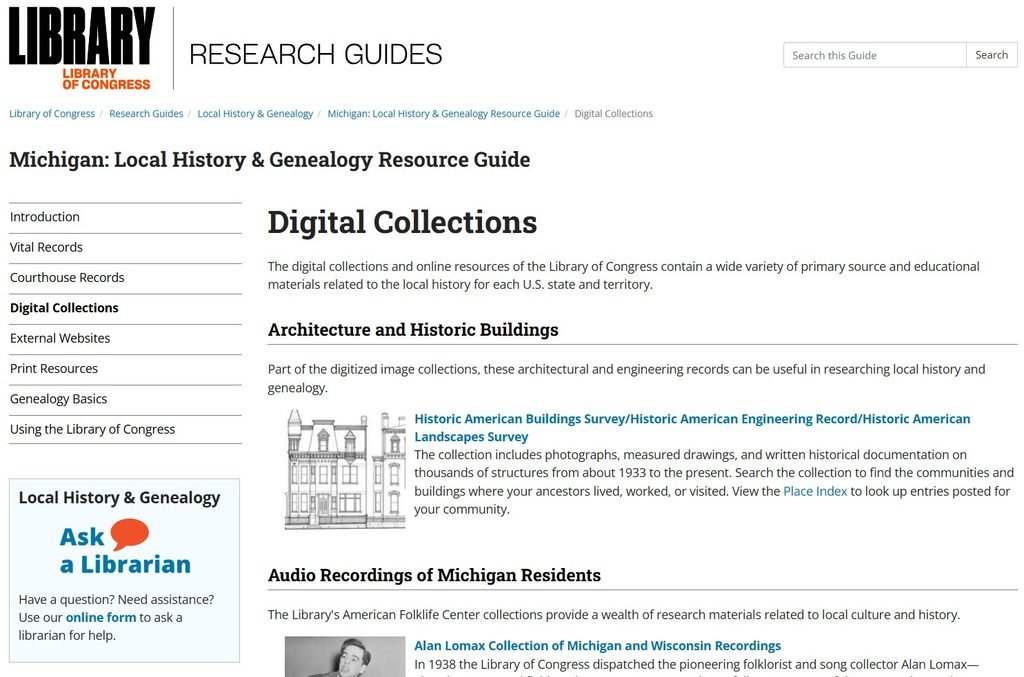
The nation’s library updated its Michigan: Local History & Genealogy Resource Guide on Aug. 13, creating a central starting point for researchers seeking Michigan photographs, newspapers, maps, government records, family histories, and other historical materials. Portions of the guide have received additional updates since then.
The guide was compiled by Library of Congress reference specialists. It combines the library’s own enormous collections with links to important Michigan repositories.
For Michigan history writers, that makes it something of a roadmap to primary sources that might otherwise be scattered across federal, state, university, and local archives.
Library of Congress Updates Michigan History Research Guide
Much of the material can be accessed without traveling to Washington.
The Library of Congress digital collections contain books, maps, newspapers, photographs, and other records that are free to search online. Its Michigan guide also points researchers toward collections held elsewhere.
Historic newspapers are a major component.
The guide directs researchers to Chronicling America, the Library of Congress and National Endowment for the Humanities newspaper project containing millions of historic newspaper pages published through 1963.
For more Michigan-specific searching, it points users toward Digital Michigan Newspapers at Central Michigan University, where newspapers can be searched by county and date.
That combination can help researchers move beyond histories written decades after an event and find accounts produced when it happened.
Old Michigan Photographs Can Lead to New Stories
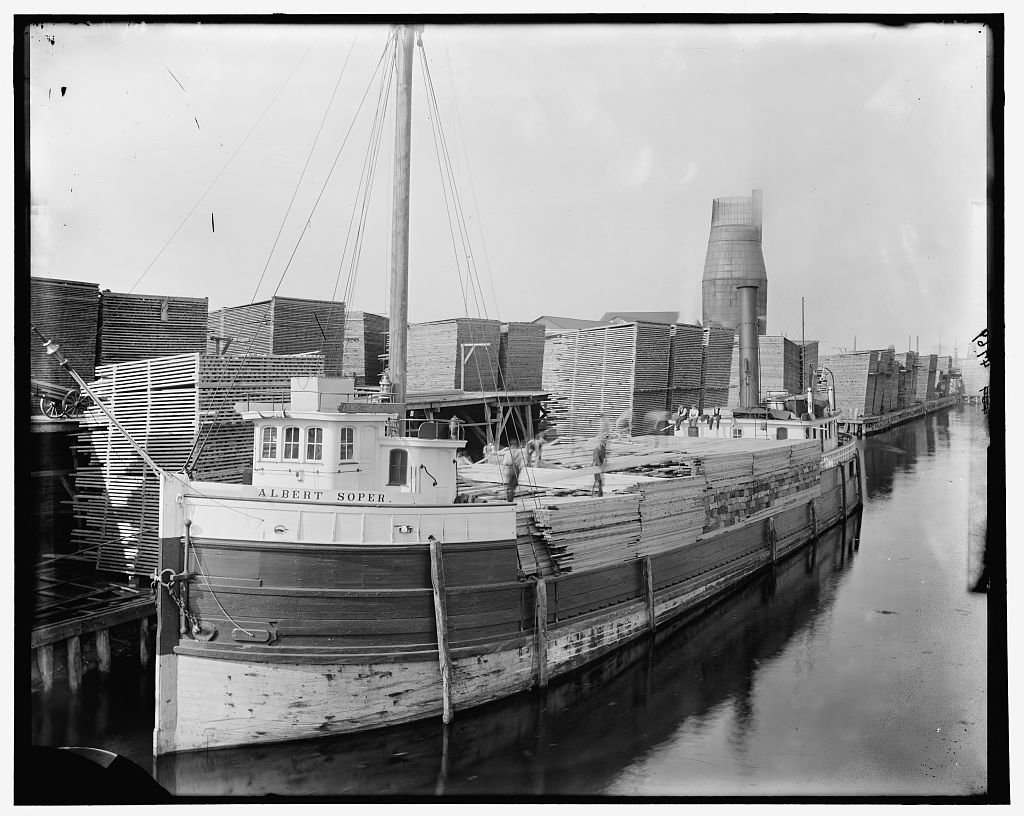
One of the guide’s strongest resources for Michigan writers is the Detroit Publishing Company Collection.
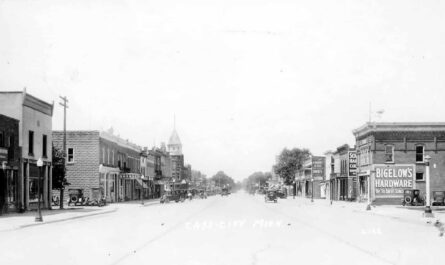
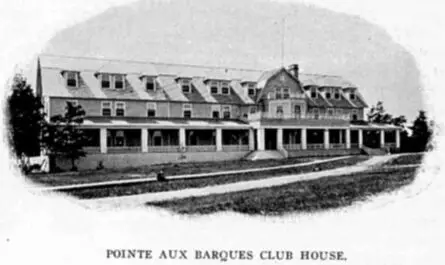
The company’s photographs document cities and towns, streets, architecture, parks, recreation, industry, and everyday work. The collection provides a visual record of Michigan during a period when railroads, automobiles, tourism, and industrial growth were rapidly changing the state.
Historic photographs can also become starting points for new stories.
A storefront sign can identify a forgotten business. A railroad station can lead to old timetables and newspaper accounts. A harbor photograph can contain ships, docks, or industries that disappeared generations ago.
The image provides the clue. Other records provide the story.
Historical Maps Show Michigan Before It Changed
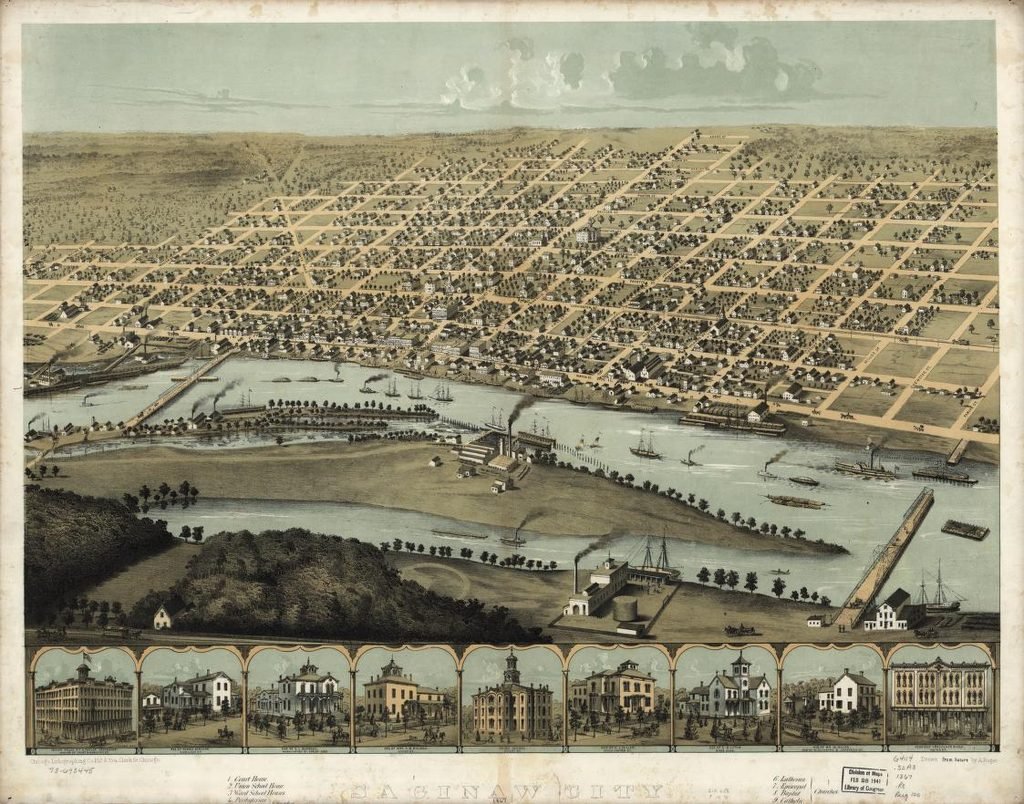
The updated guide also directs researchers toward some of the Library of Congress’s most valuable map collections.
Sanborn fire insurance maps can show individual building footprints, construction materials, property boundaries, street names, road widths, and how buildings were being used.
Railroad maps dating from 1828 to 1900 document routes, land grants, rights-of-way, and the spread of transportation and settlement.
The Library’s Geography and Map Division says more than 1 million images from its historical collections are freely available online. Its strengths include Sanborn maps, county land-ownership maps, real estate atlases, and panoramic maps.
For Michigan communities reshaped by fire, logging, industrial development or urban renewal, those maps can help reconstruct places that no longer exist.
Michiganology – Public Records Add the People
The LOC also points to sources outside Washington, DC. Michigan began statewide registration of births and deaths in 1867. Researchers can follow links to historical death records through Michiganology and other databases. County courthouse material can include probate files, tax records, naturalization documents, and other records.
The Library specifically advises researchers to check both courthouse docket books and the underlying paper files because one may contain information absent from the other, such as maps and additional notations.
That can turn a name found in an old newspaper into a documented person with property, family connections, immigration history, and a legal record.
A Starting Point for Michigan Stories
The guide does not represent a newly digitized Michigan collection. Its value lies in organizing many collections and showing researchers how to move among them. That distinction matters.
The Library of Congress notes that most local history and genealogy records have not yet been digitized. Researchers may still need to contact local libraries, courthouses, archives, and historical societies to find original records.
But the updated Michigan guide makes it easier to determine what is already available and where the next record may be hiding.
For anyone researching a Michigan town, shipwreck, railroad, business, building or family, that can turn an Internet search into something more useful.