 by
by 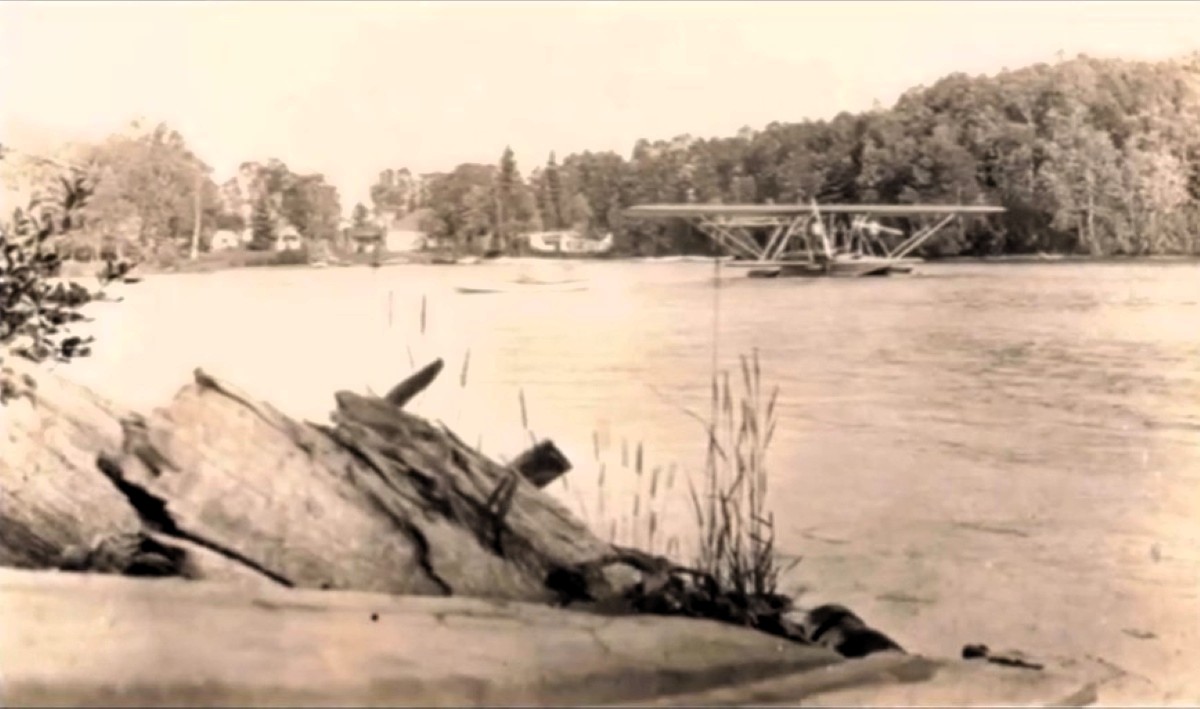
Michigan Moment Snapshot
Sikorsky S-38 at Rock Harbor, Isle Royale
A historic image recalls the amphibious aircraft that connected Michigan’s Copper Country with Isle Royale during the island’s early tourism era.
Watch: A 45-second look at a Sikorsky S-38 amphibious flying boat and the Royale Line’s early service between Houghton and Isle Royale.
The Sikorsky S-38 Isle Royale story marks a brief but important chapter in Michigan aviation. In 1932, pilot D. W. Wescoat reportedly placed a 1928 S-38 in service with the Royale Line, carrying travelers from the Houghton area across Lake Superior.
Sikorsky S-38 Isle Royale service crossed a difficult route
Isle Royale sits in northwestern Lake Superior, separated from Michigan’s Keweenaw Peninsula by a long stretch of cold, changeable water. Travel depended mainly on vessels that carried residents, fishermen, resort guests, mail and supplies. An amphibious aircraft offered another way to cross when weather and operating conditions allowed.
Aviation-history researcher Paul Freeman’s account of the former Houghton Sands airport identifies the pilot as D. W. Wescoat. The account states that Wescoat bought a 1928 Sikorsky S-38, registration NC199H, and started the Royale Line in 1932. Historic photographs supplied by the Wescoat family reportedly show the aircraft at the Houghton Sands base and in Royale Line advertising.
The Houghton Sands site stood near Portage Lake on land formed partly by stamp-sand deposits from Copper Country mining. Its broad, relatively flat surface could support wheeled aircraft, while adjacent water allowed amphibians to taxi between the lake and shore. That combination made the site useful during an era when formal airport infrastructure in the Upper Peninsula was still developing.
An amphibious flying boat built for land and water
The Sikorsky S-38 first flew in 1928. It used two radial engines and a boat-shaped hull, with landing gear that also allowed operation from a conventional airfield. The aircraft is therefore more precisely called an amphibious flying boat rather than a standard floatplane.
Commercial versions generally carried a small group of passengers in an enclosed cabin. The high wing, twin-engine layout and water-capable hull made the S-38 suitable for routes where runways were scarce but bays, lakes and sheltered harbors were available. Other S-38s served early airlines, private expeditions and military operators.
On an Isle Royale run, an aircraft of this type could leave the Houghton area and approach a protected destination such as Rock Harbor. It could bring travelers closer to island lodges and cottages without requiring a runway at the destination. Mail and lightweight supplies could also move with passengers, although the surviving material reviewed for this page does not provide a complete Royale Line schedule or cargo record.
Isle Royale before national park establishment
The island was not an untouched place when the Royale Line began. Indigenous people had used Minong, the Ojibwe name for Isle Royale, for generations. Later activity included fishing, copper mining, lighthouses, cottages, resorts and recreational travel.
Congress authorized Isle Royale National Park in 1931. The park did not become fully established at that moment because land still had to be acquired. The National Park Service records April 3, 1940, as the date the federal government accepted the necessary deeds and Isle Royale officially became a national park.
Wescoat’s reported 1932 operation therefore began after congressional authorization but about eight years before official establishment. The flight shown in the historic image belongs to that transitional period, when private cottages, fishing operations and tourism remained active as federal park plans moved forward.
Scene by scene
- 0:00-0:06: The video introduces early air travel as another means of reaching Isle Royale across Lake Superior.
- 0:07-0:16: D. W. Wescoat and the reported 1932 launch of the Royale Line are identified.
- 0:17-0:28: The image centers on the Sikorsky S-38, including its twin engines and water-capable hull.
- 0:29-0:36: The narration describes passengers, mail and supplies moving between the Houghton area and Isle Royale.
- 0:37-0:45: The closing places the aircraft within Isle Royale’s history before the park’s official 1940 establishment.
Historical cautions
Key facts
- The Sikorsky S-38 was a twin-engine amphibious flying boat.
- The type first flew in 1928.
- D. W. Wescoat reportedly began the Royale Line in 1932.
- The reported aircraft was the 1928 S-38 registered NC199H.
- The service linked the Houghton area with Isle Royale.
- Congress authorized Isle Royale National Park in 1931.
- The park was officially established April 3, 1940.
Edited and Corrected Video Transcript
Read the 45-second transcript
0:00
A Michigan Moment Snapshot. Before modern docks and regular
transportation options, air travel helped connect travelers with
Isle Royale across Lake Superior.
0:07
In 1932, pilot D. W. Wescoat reportedly purchased a 1928 Sikorsky
S-38 amphibious flying boat and launched the Royale Line, carrying
tourists to Isle Royale when the island was still home to cottages,
fishing operations and private recreation.
0:22
The Sikorsky S-38 had two radial engines, a boat-shaped hull and
landing gear for operation from land or water.
0:29
Aircraft of this type could carry visitors, mail and supplies from
the Houghton area across a cold and demanding section of Lake
Superior.
0:37
These early flights linked mainland Michigan with Isle Royale
before the island was officially established as a national park
in 1940.
Historical Sources
Related Michigan History
Related Posts