 by
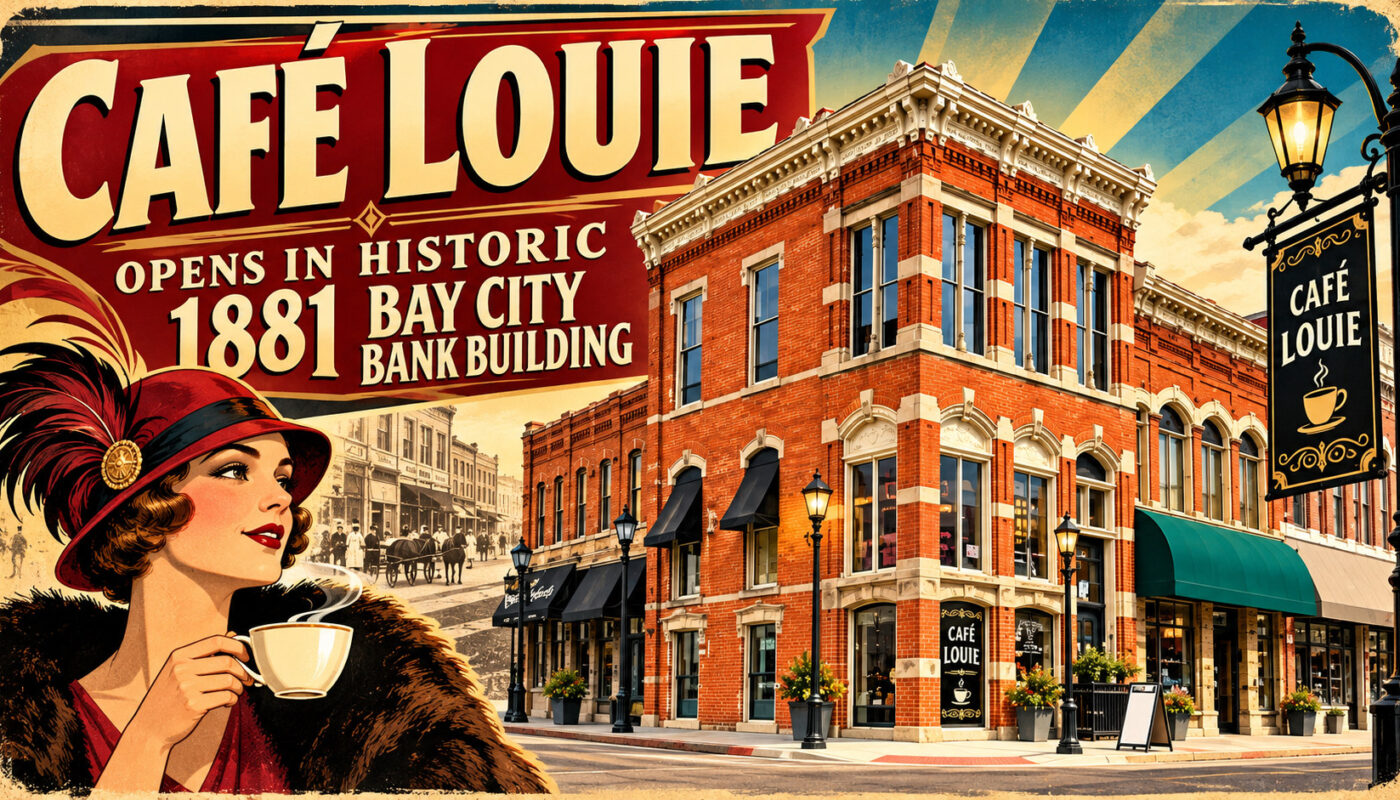
A new coffee shop on Midland Street brings fresh activity to a 145-year-old building once associated with Bay City’s lumber industry.
BAY CITY, Mich. — A historic bank building dating to 1881 is getting a new lease on life as Café Louie prepares to open in Bay City’s Midland Street district.
The coffee shop has announced a grand-opening weekend on Oct. 31 and Nov. 1, 2026, offering coffee, espresso, matcha, tea, and baked goods and light meals.
The location is particularly noteworthy. The café occupies the garden level of the former Lumberman’s State Bank at 701 E. Midland St., a building constructed during the height of Bay City’s lumber era.
At 145 years old, the structure represents a surviving piece of the city’s 19th-century commercial history.
The project combines two developments of interest to Bay City residents: the arrival of a new independent food business and the continued reuse of historic commercial property.
When Was the Historic Bay City Bank Built?
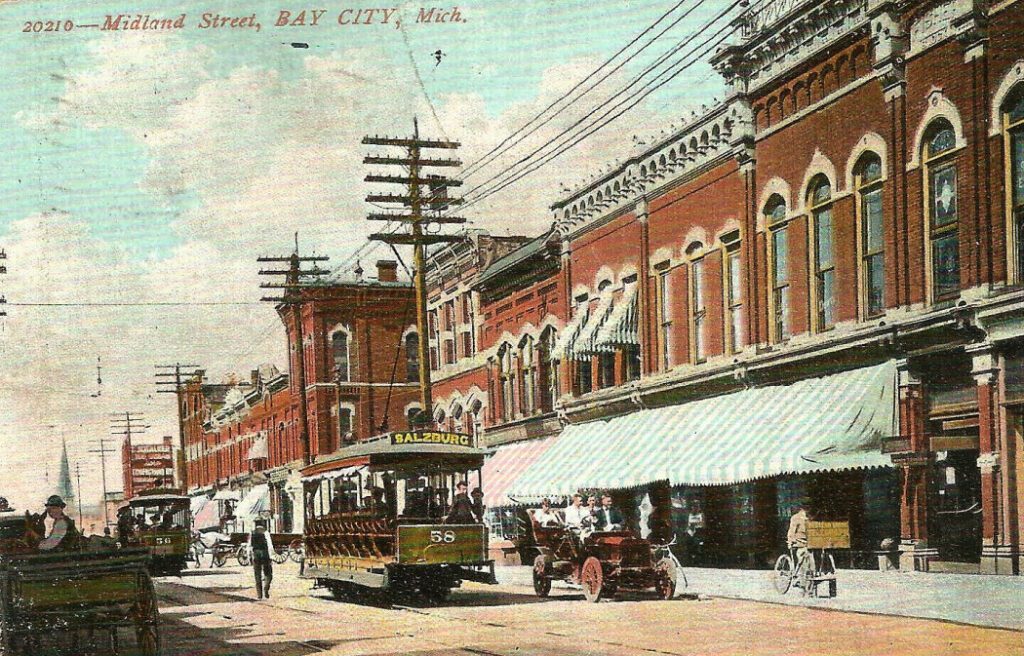
According to official records from the Bay City Historic District Commission, the firm Watkins, Hidden and Arnold built the former Lumberman’s State Bank in 1881.
The building stands at the corner of Midland and North Linn streets. Its original design reflected the wealth and influence of Bay City’s lumber industry.
City records provide an important detail about the building’s early occupants. Spencer O. Fisher maintained private offices on the garden level, while Lumberman’s State Bank occupied the first and second floors, including its bank vaults.
The building’s two-and-a-half-story design used brick, stone-trimmed windows and decorative masonry to project financial stability and prestige. Those features remain important to its historic character.
Historic Preservation Plays a Central Role in Café Louie Project
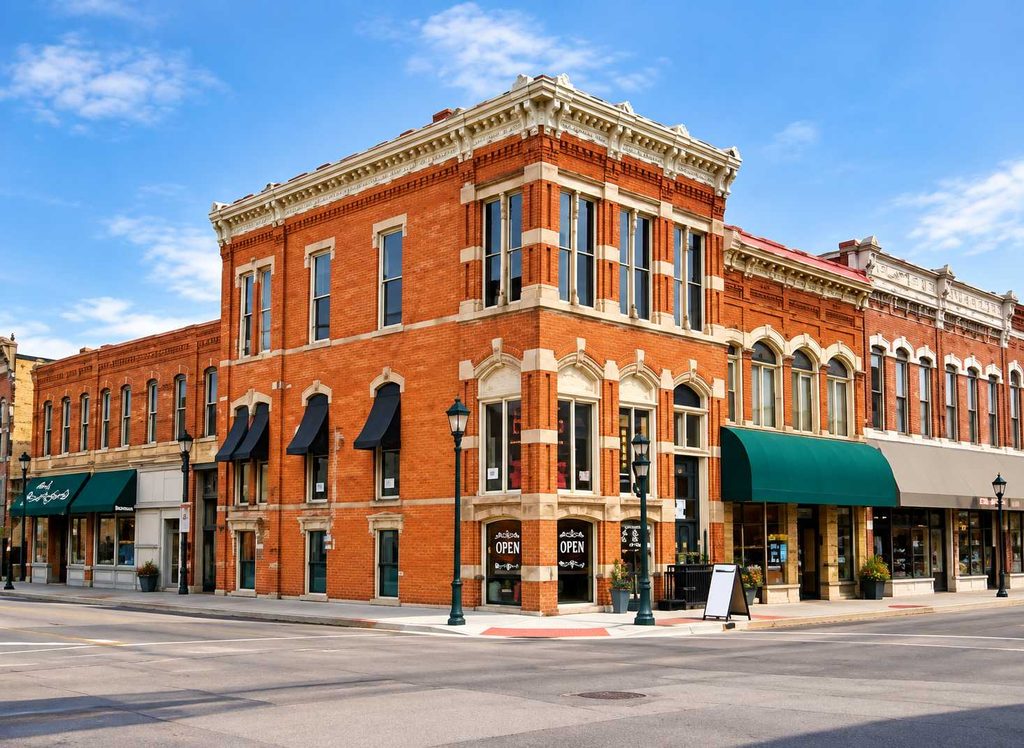
Converting the former bank into a neighborhood coffee shop required consideration of its protected architectural features.
In August 2026, property owner Stephen Stoddard submitted plans to Bay City’s Historic District Commission outlining how the building could accommodate a modern food business without sacrificing its original appearance.
The proposed improvements included restoring historic transom windows, reinstalling an original screen door, and removing window-mounted air conditioners added long after the building’s construction.
One particularly interesting feature is the planned sidewalk-level coffee service window on Linn Street.
Rather than cutting a new opening through the building’s historic brickwork, the plans called for adapting an existing window. The proposal preserved the original masonry dimensions while giving pedestrians a convenient way to buy coffee.
The service window also addresses an accessibility challenge. Because the café’s main entrance is below street level, customers who have difficulty using stairs would have another way to obtain service.
The city’s preservation records indicate that the building’s basement contained the original screen door and a historic transom window, which were identified for restoration.
Café Louie Grand Opening Set for Halloween Weekend
The café’s grand opening is scheduled for Saturday, Oct. 31, and Sunday, Nov. 1, from 8 a.m. to 5 p.m. both days.
The business plans to serve espresso drinks, matcha, fine teas, pastries, quiche and other light food.
Regular operating hours are scheduled to begin Monday, Nov. 2:
| Day | Hours |
|---|---|
| Monday-Friday | 7 a.m.-5 p.m. |
| Saturday | 8 a.m.-5 p.m. |
| Sunday | 8 a.m.-5 p.m. |
The café’s announcement emphasizes creating a neighborhood gathering place where customers can meet friends, work, or enjoy a quiet break.
The grand-opening announcement is available through the Café Louie event listing.
State Grant Helps Support Historic Building’s Reuse
The project has also received financial support through Michigan’s Match on Main program.
A June 2026 report identified a $25,000 grant to support improvements at Café Louie and Lumberman’s Mercantile.
The report named Stephen Stoddard and Justin Vanderpoel as the business owners involved in the project.
The funding was intended to help renovate the interior while retaining the building’s historic character.
The project illustrates how state-supported small-business investment can help owners adapt older commercial properties for modern uses.
Café Louie Adds Another Reason to Visit Bay City’s Midland Street District
The café’s opening comes as Bay City’s Midland Street district continues to attract independent businesses and investment in older commercial buildings.
The district contains some of the city’s most recognizable historic architecture, reflecting the commercial prosperity that accompanied the lumber industry’s expansion during the 19th century.
For visitors from Michigan’s Thumb region, Midland Street offers a concentration of shops, restaurants and historic buildings within a relatively compact area.
Café Louie adds another food destination while returning a portion of a former bank to active commercial use.
The building’s survival is particularly significant because many Michigan communities have lost historic commercial structures to demolition, neglect or redevelopment.
Here, the owners have chosen to adapt the property while retaining features that help explain its original purpose.
A New Chapter for a 145-Year-Old Bay City Landmark
When Watkins, Hidden and Arnold constructed the Lumberman’s State Bank in 1881, Bay City’s economy was closely tied to the timber trade.
The building was designed to convey confidence in an industry that helped finance the city’s growth.
Nearly a century and a half later, its garden level is preparing to welcome customers for a different kind of transaction.
Instead of visiting a bank office, customers can order coffee and pastries inside a building that once served Bay City’s business community.
The change reflects a practical approach to historic preservation: retaining the architectural features that make an older building significant while giving it a financially useful purpose.
For Café Louie, the October opening represents the beginning of a new business. For the former Lumberman’s State Bank, it marks another chapter in a history that began 145 years ago, in 1881.