 by
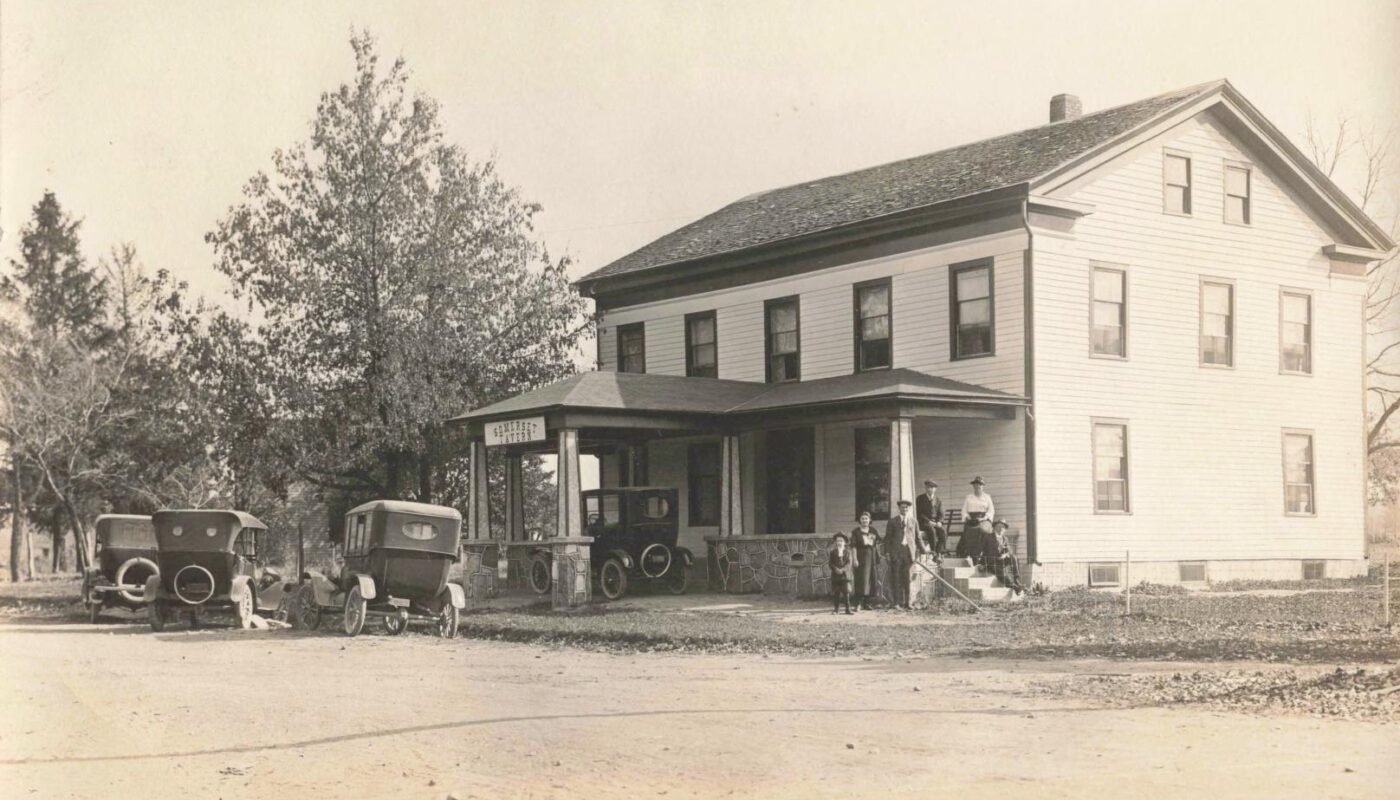
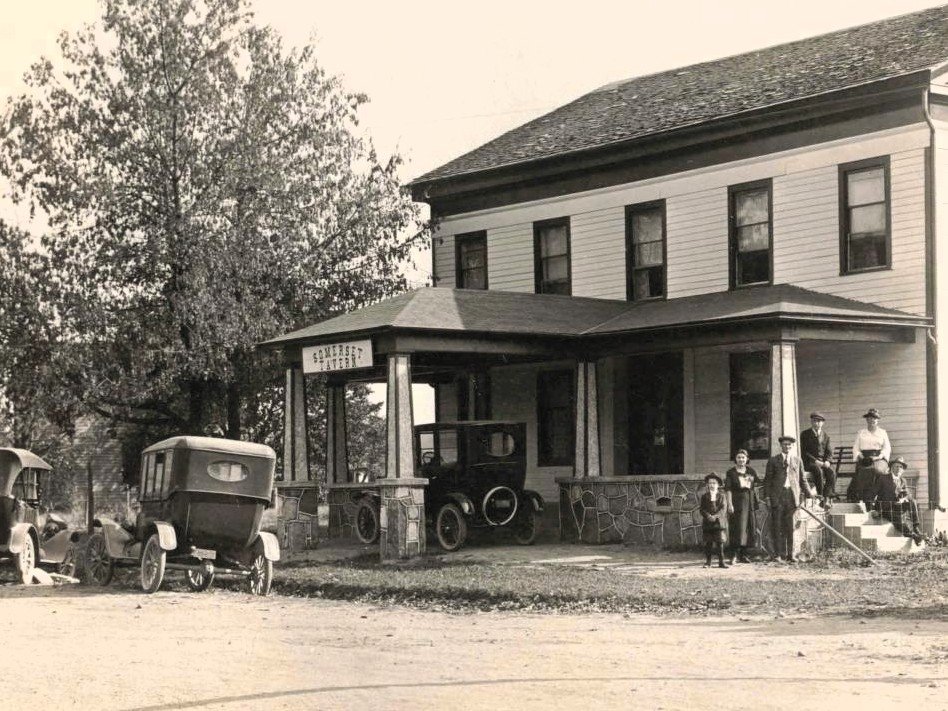
A photograph taken around 1920 shows the Somerset Tavern in Hillsdale County with several early automobiles lined up outside. A small group stands on the porch and steps. At first glance, it looks like a quiet rural hotel. In fact, the image sits at the meeting point of nearly a century of transportation and settlement history in southern Michigan.
Somerset Township was organized in 1837. The Hillsdale County Historical Society says James D. VanHoevenbergh built a log cabin in the area in 1832 or 1833. He later sold the property to Thomas Gamble and moved to Jonesville. For a period, the settlement became known as Gambleville.
A county history published in the early 1900s identifies VanHoevenbergh as Somerset Township’s first white settler and says he kept its first tavern. It also records that the township had 441 residents by 1838, as well as sawmills, livestock and a merchant.
Taverns carried more importance in early Michigan than the word suggests today. They could provide meals, sleeping rooms, a stable, news, directions, and a place for local business. In an era when travel was slow and roads were often difficult, a reliable place to stop mattered. Somerset Township’s planning history notes that the community developed along what became U.S. 12 and traces its early tavern tradition to VanHoevenbergh.
According to historical information supplied with this photograph, Thomas Gamble continued the tavern business after VanHoevenbergh. The notes also attribute construction of a later hotel building, around 1850, to William R. Gates. That specific construction claim was not independently confirmed in the online historical sources reviewed for this article, so it should be treated as a local attribution rather than a settled fact.
By 1920, the vehicles parked outside Somerset Tavern told a new story. Michigan was already at the center of the automobile industry, and cars were changing the meaning of distance. A tavern that once served travellers moving at the pace of a horse now faced customers arriving behind the wheel.
That transition is evident in the photograph. The structure still resembles the rural hotels and stopping houses of the 19th century, complete with a broad porch and rooms above. Yet the machines parked outside belong to a different age. Instead of disappearing immediately, businesses like this one adapted. Rooms, meals and transportation connections could keep an old stopping place useful even as the method of travel changed.
Somerset itself remained a small community, but its location put it on a long transportation corridor. The township’s history stretches from cabins and stage-era taverns to rail connections, automobiles and buses. Somerset was also once called Gambleville, preserving the name of Thomas Gamble in the record of the community’s early development.
That is what makes this 1920 image so useful. It is not simply a photograph of an old building. The automobiles, porch, hotel rooms, and roadside setting capture the moment when one Michigan institution learned to serve a new kind of traveller.