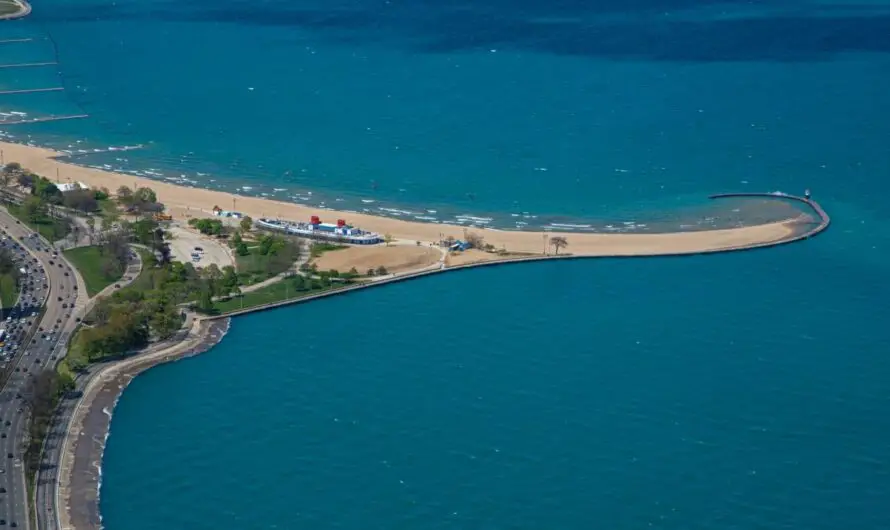
2012 Great Lakes Water Levels Had Near Record Lows
All of the Great Lakes fell below their long-term averages and lower than in 2011 because of an abnormal lack of snow in recent winters and the hot, dry summer
News History & Fun in Michigan
All of the Great Lakes fell below their long-term averages and lower than in 2011 because of an abnormal lack of snow in recent winters and the hot, dry summer
In 2011, the US Army Corps of Engineers were forecasted lower Great Lakes Water Level in 2012 for Lake Superior, Lake Michigan, and Lake Huron.
Given the number of raw materials and agriculture affected, the reduced number of shipping days and access to key ports typically cost jobs and impact the United States economy. Each year, the amount of iron ore alone shipped through the Soo Locks is $500.4 billion.
New research reveals critical microplastic pollution levels in the Great Lakes, emphasizing the urgent need for coordinated monitoring and policy changes. Immediate action is necessary to protect ecosystems and address potential risks to human health from contaminated water sources.
Embark on a journey to discover North America’s Five Great Lakes: Superior, Michigan, Huron, Erie, and Ontario. Each lake has its own character, natural beauty, and captivating history. From sandy beaches and charming lighthouses to awe-inspiring wildlife, there’s a world of wonder waiting for you.
In 2012, low water levels in the Great Lakes threatened to cut off many marinas. The problem was acute in already shallow Saginaw Bay.
We look back at the scary Great Lakes water levels in 2012 and how they impacted Caseville Harbor. Could we see this again by 2030? Some think so.
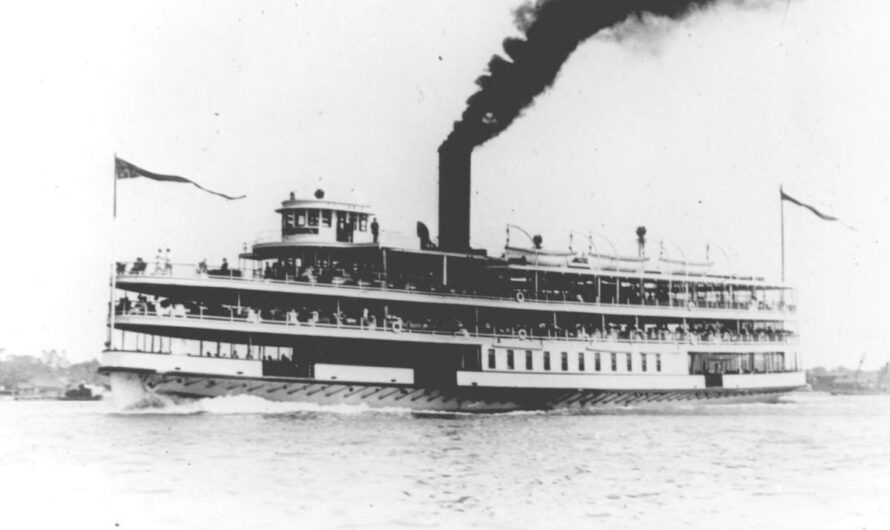
the Harbor Beach News from July 1902. It highlights a fare war between the railroads and the steamships on excursions between Buffalo, New York, and Detroit, Michigan. It signals a sign that it’s the beginning of the end of steamship dominance on the Great Lakes in favor of railroads.
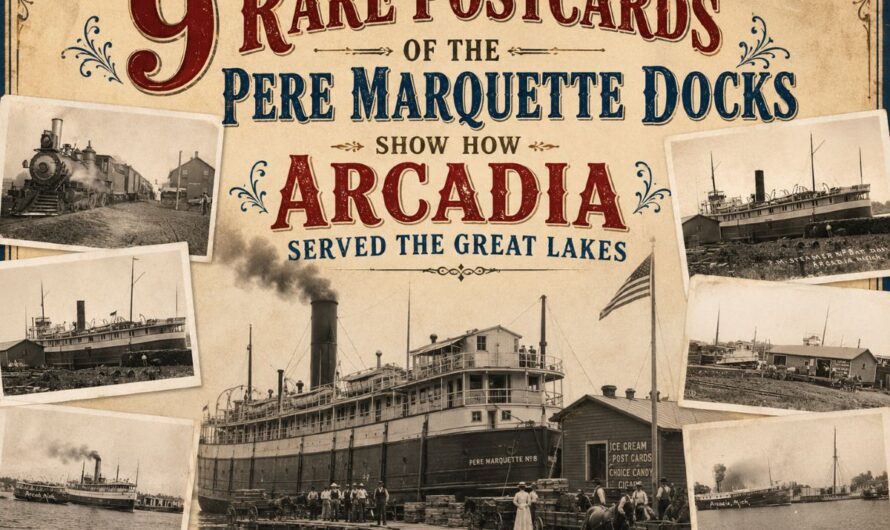
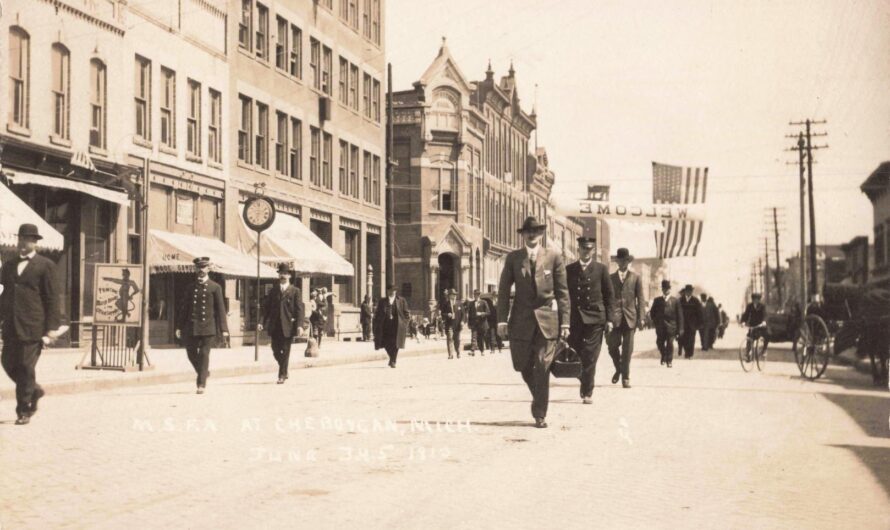
These early postcards capture Cheboygan when the riverfront did the heavy lifting. Steamships tied up at the dock, a canning plant and paper mill hummed nearby, and Main Street stayed crowded day after day. It’s a snapshot of a town built to move goods, not commuters.