 by
by 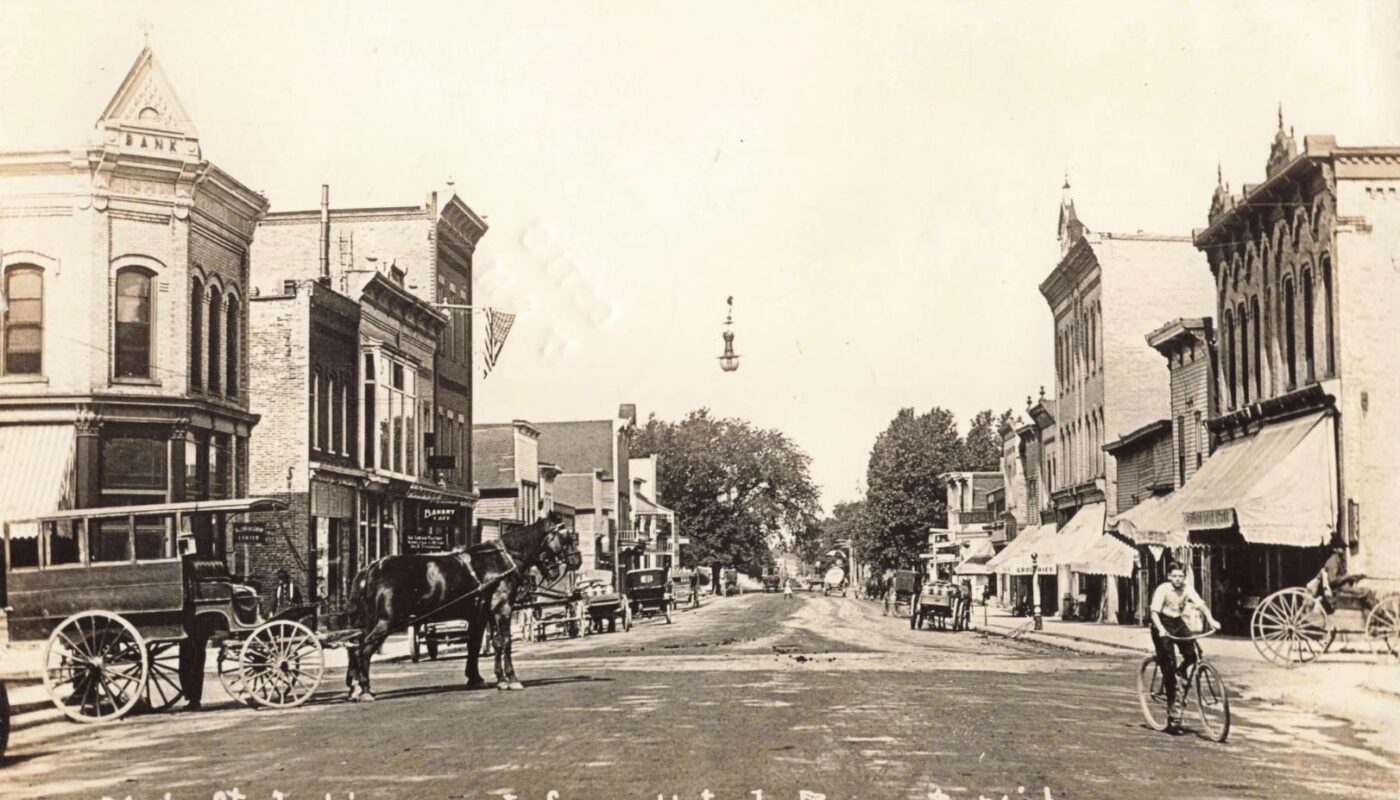
The History of Fremont Michigan begins like many towns across the state—with timber, farmland, and a railroad line that changed everything.
A Quiet Start With Big Consequences
Founded in the mid-1800s in Newaygo County, Fremont first grew as a service hub for nearby logging camps. When the timber era slowed, many towns faded. Fremont did not.
Instead, it shifted.
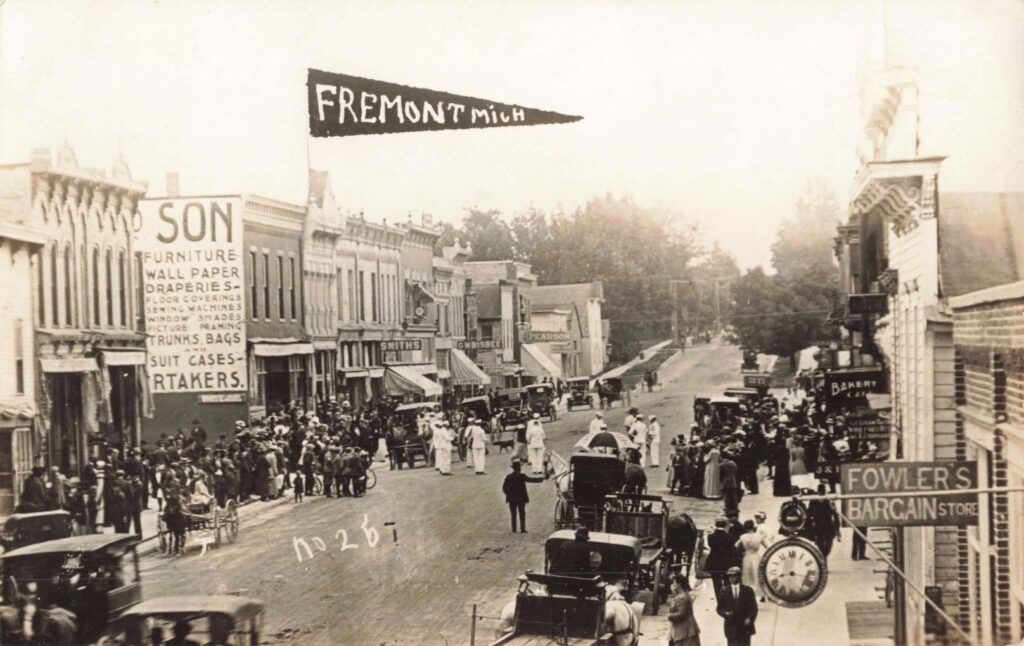
By the early 1900s, Fremont had built a stable economy based on agriculture, trade, and transportation. Its Main Street—captured in early postcards—shows a busy commercial center with dry goods stores, hotels, and banking services.
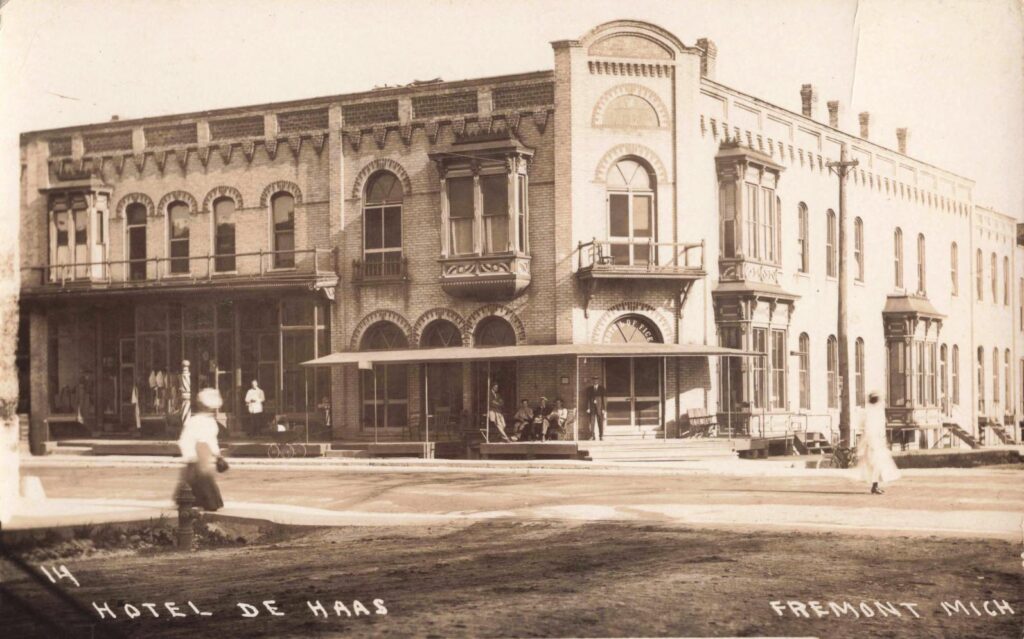
The De Haas Hotel stood as a central meeting place. Traveling salesmen, farmers, and local leaders gathered there, shaping business and community decisions. Built in 1888 by Jackie DeHaas. The hotel was a cornerstone of town life until it was torn down in 1923 to make way for a bank and a new modern hotel
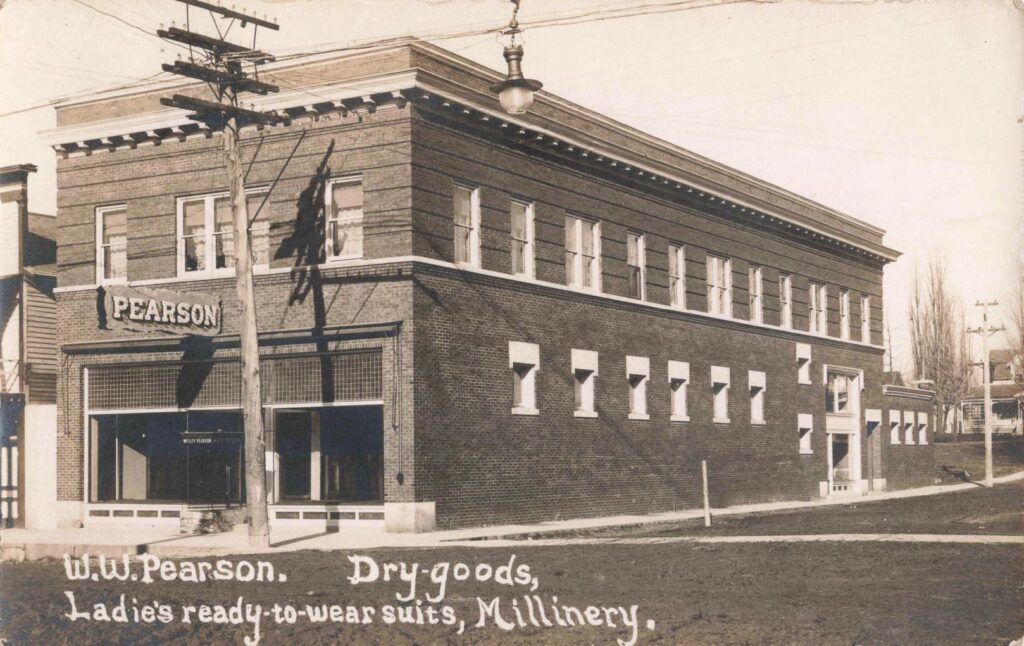
Nearby, W.W. Pearson Dry Goods supplied clothing and household goods to families across the region. This Fremont retail store sells dry goods, ladies’ ready-to-wear suits, and millinery. In plain terms, that means fabrics and household textiles, women’s clothing, and hats. That puts the business squarely in the center of early 20th-century small-town commerce.
Railroads Built the Backbone of Fremont
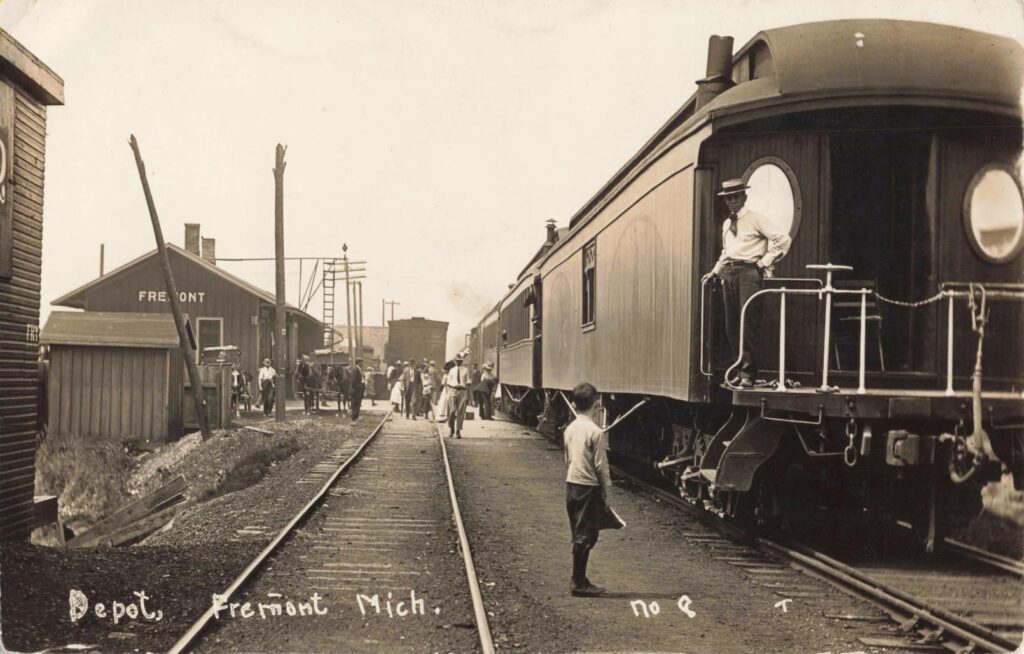
The History of Fremont Michigan cannot be understood without the railroad. The arrival of the Pere Marquette Railway connected Fremont to larger markets, including Muskegon and Grand Rapids. Crops could now move quickly, and supplies flowed back into town.
This connection did more than move goods. It brought ideas, workers, and opportunity. Railroads turned Fremont into a distribution point. Farmers no longer relied only on local buyers. They shipped produce across the state and beyond. That shift created stability. And it set the stage for something larger.
Industry Took Root Before Gerber
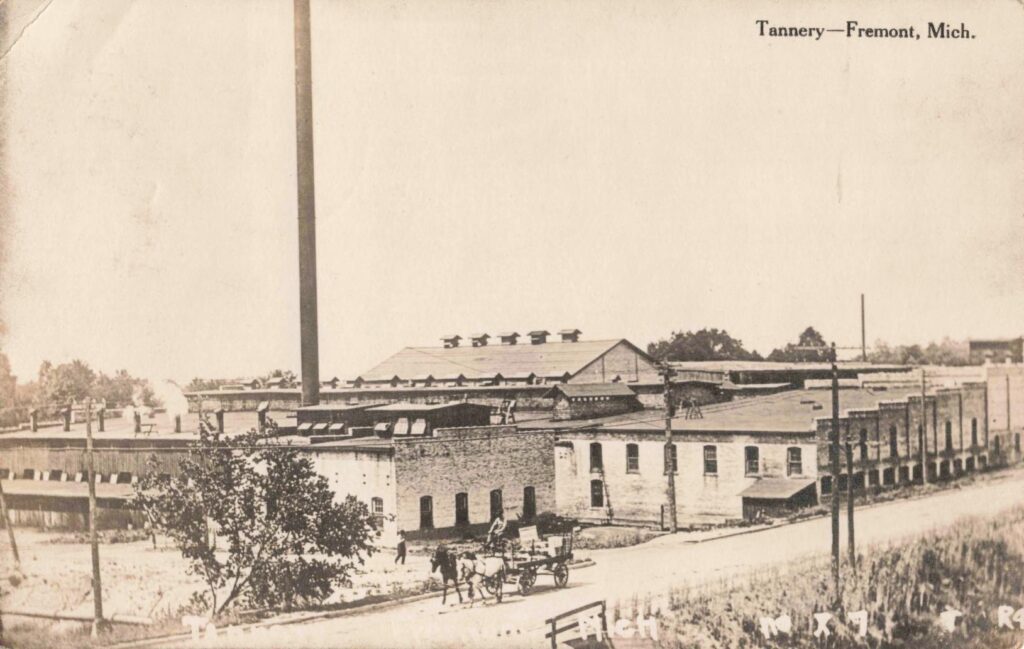
Before it became known for baby food, Fremont had already built an industrial base. A tannery operated in town, processing hides into leather. It was not clean work, but it provided steady employment.
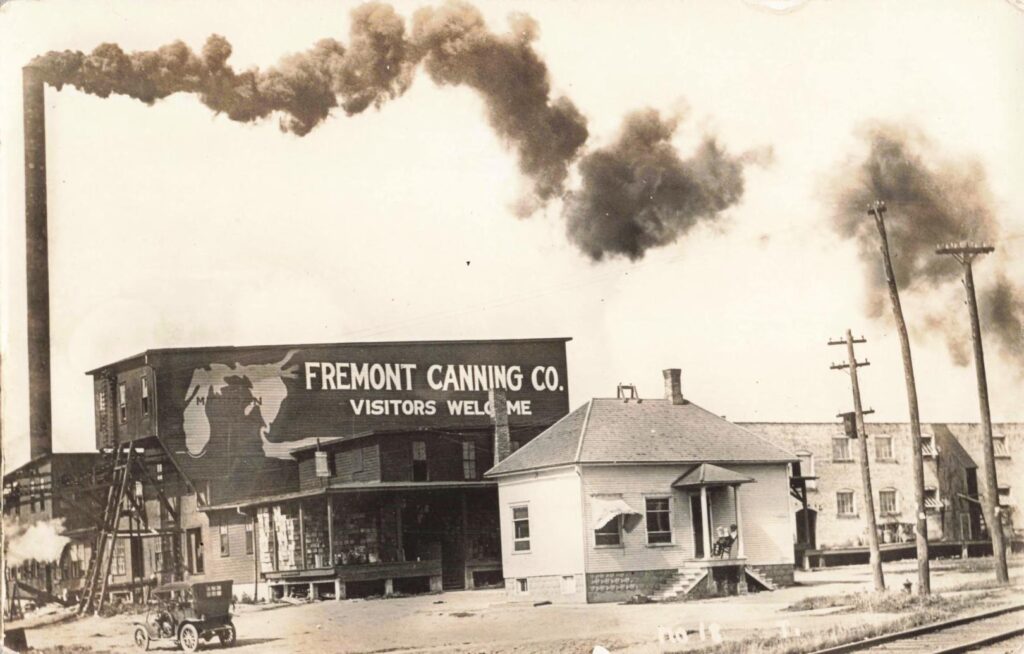
The Fremont Canning Company, founded in 1901 in Fremont, Michigan, by Frank Gerber and his father, was a small-scale packer of local vegetables and fruits. It evolved from a local cannery into a national giant after launching the first commercially successful strained baby foods in 1928, driven by Daniel Gerber’s need for better feeding options.
By 1914, Frank Gerber expanded the plant to handle year-round production. After his father’s death in 1917, Frank became president and grew sales to over $1 million.
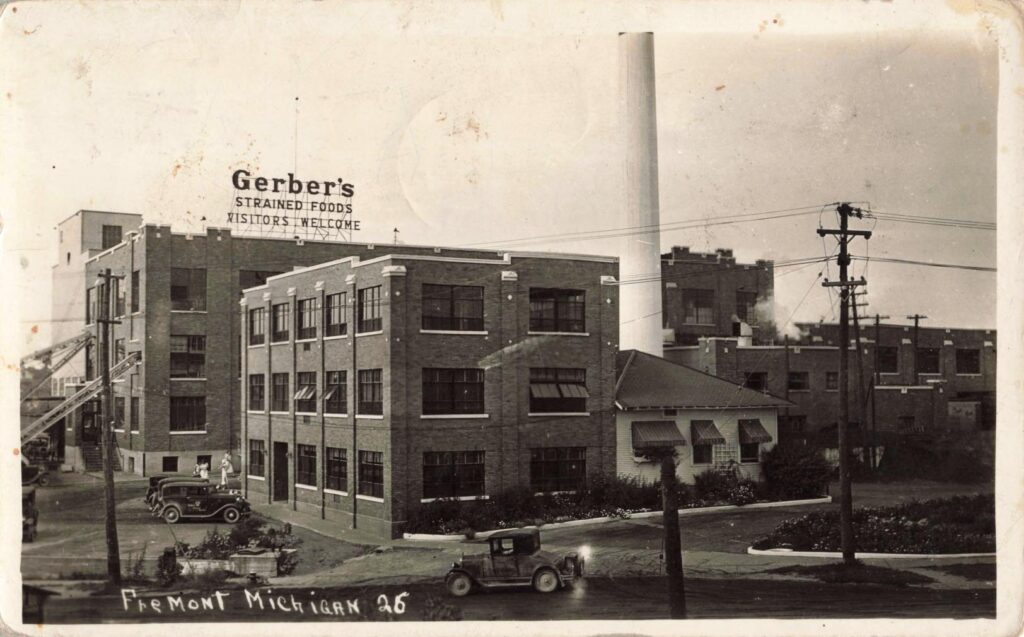
The defining chapter in the History of Fremont Michigan begins in the late 1920s. In 1927, Dorothy Gerber, wife of Daniel Gerber (Frank’s son), suggested that the cannery mass-produce strained vegetables to save parents’ time. The company successfully launched its first five strained products—peas, prunes, carrots, spinach, and beef vegetable soup—in 1928, quickly distributing them nationwide.
This was a key transition.
Instead of shipping raw crops, Fremont began shipping finished goods. That added value—and profit—stayed in town.
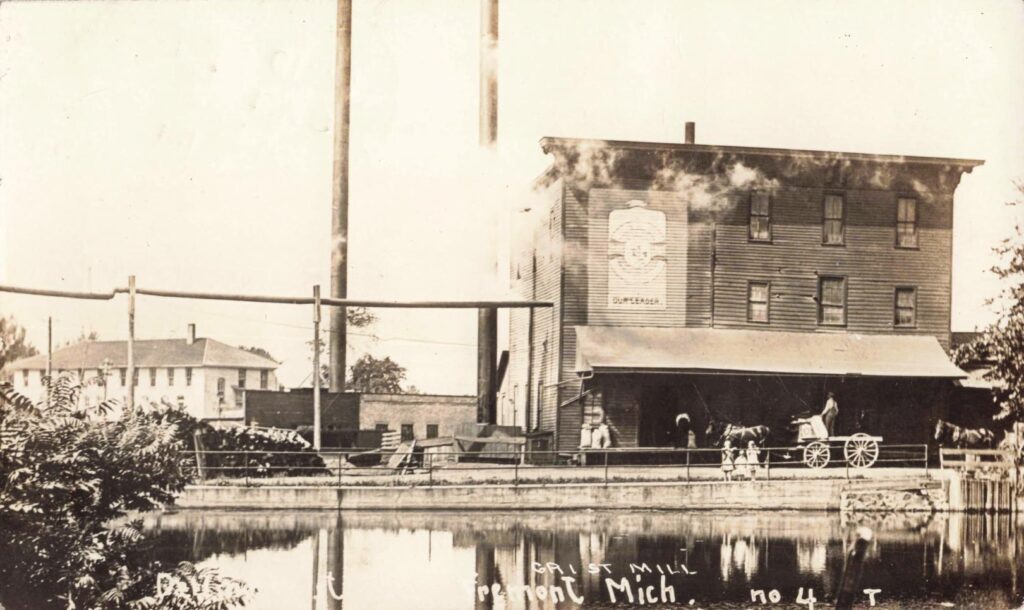
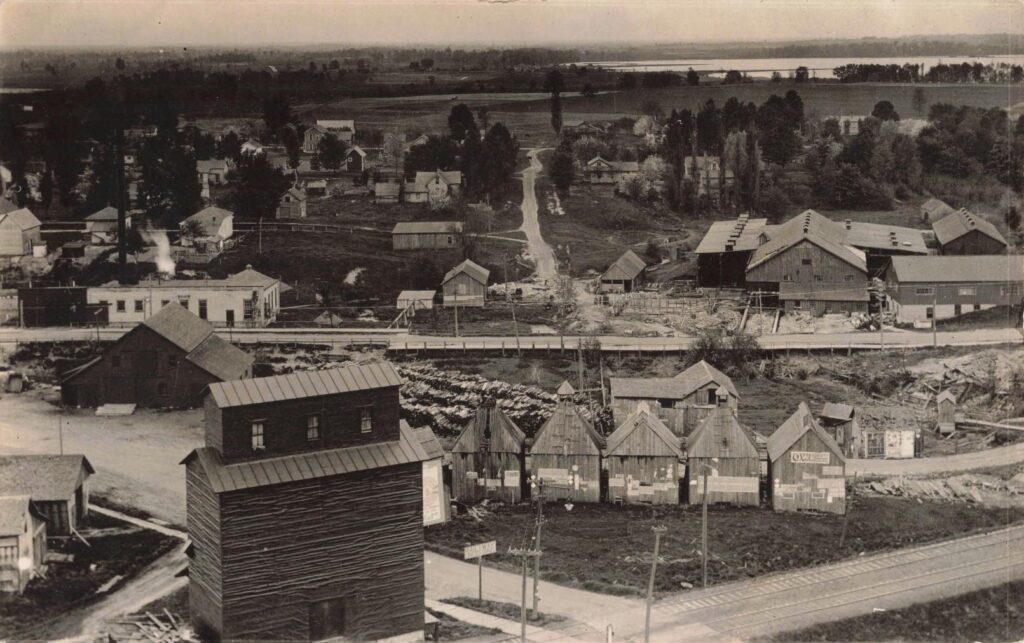
The grist mill, dated to around 1914 in postcard records, shows how local production supported both agriculture and industry.
Fremont’s rise did not begin with Gerber. It began with practical, small-scale industry that most people overlook. Those early operations made large-scale production possible later.
Fremont Lake and the Summer Economy
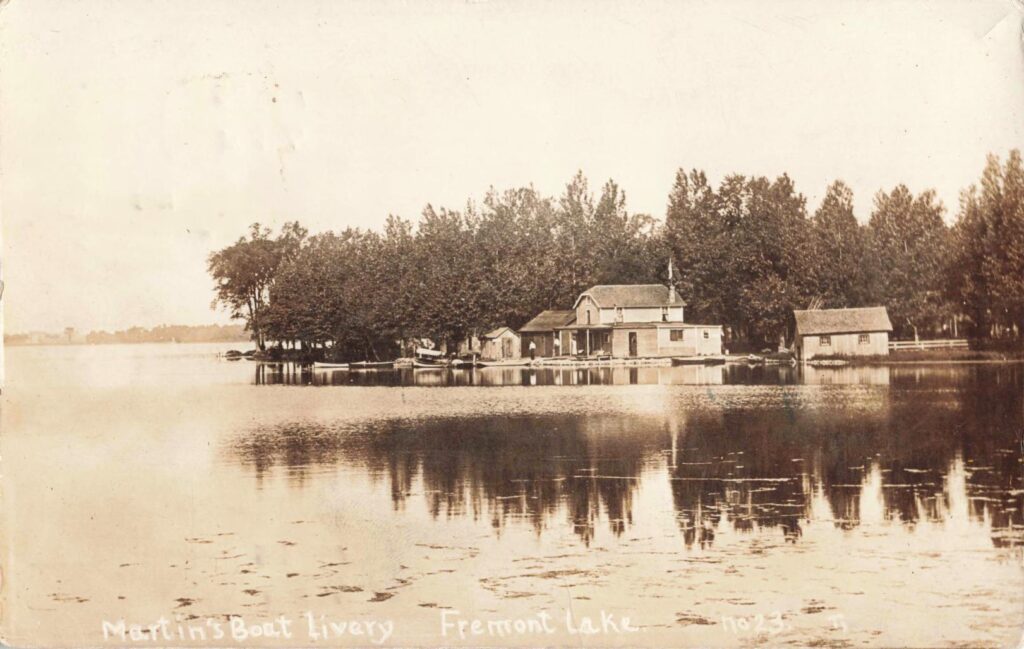
The History of Fremont Michigan is not only about work. It is also about rest. Fremont Lake gave the town a second identity. Visitors came for boating, fishing, and quiet summers. Businesses like Martin’s Boat Livery rented boats to tourists. Hotels such as Hotel St. Byno and Lake Lodge Hotel offered lakeside stays.
This mix of industry and recreation gave Fremont balance. While factories operated year-round, the lake brought seasonal income and outside visitors. That helped the town avoid relying on a single economic driver.
Related Posts


Daily Life in a Growing Town
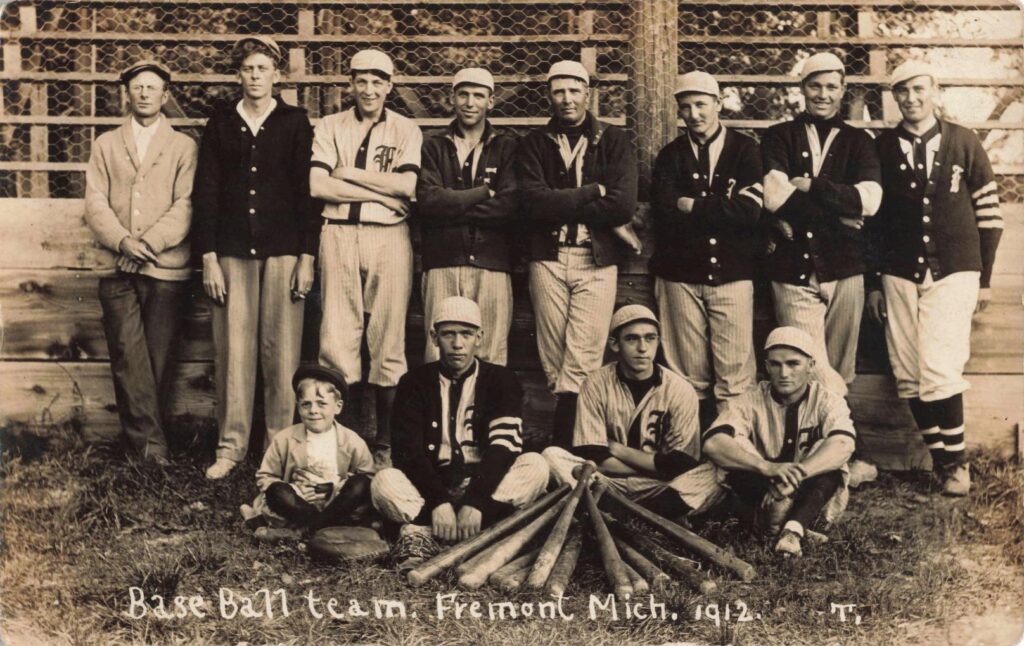
Even as industry grew, daily life in Fremont kept its rhythm. The 1912 baseball team photo shows organized sports as a central part of community life. Baseball in small-town Michigan was not just entertainment. It was a public event, a weekend ritual and a way for working communities to measure themselves against nearby rivals.
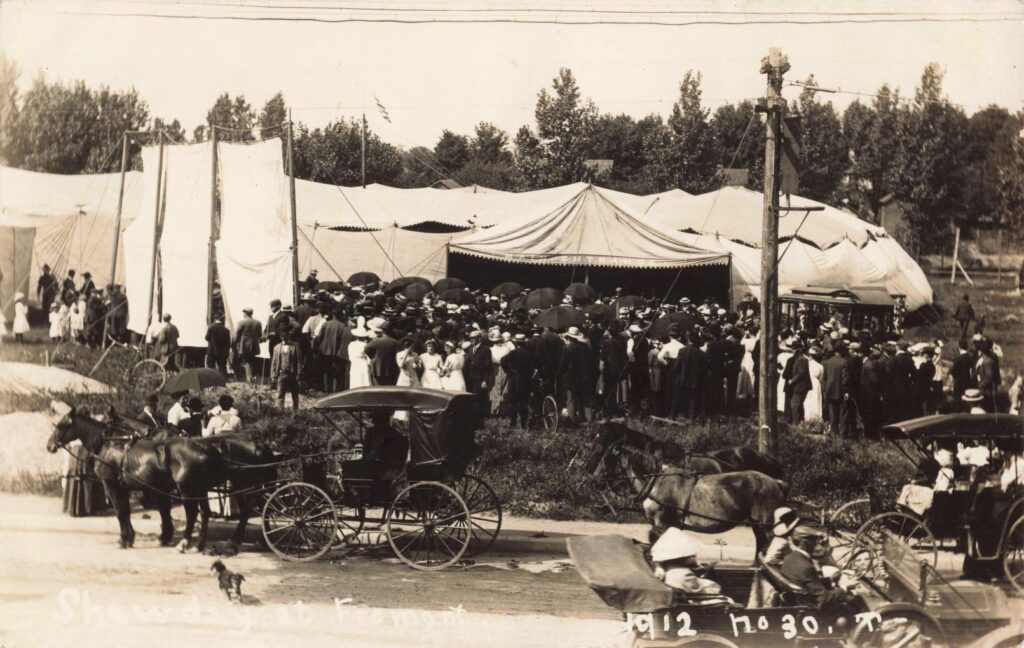
The tent revival of the same year drew large crowds. These gatherings brought people together for days of preaching, music, and social connection.
Why Fremont Endured
The History of Fremont Michigan stands out for one reason: balance. Many Michigan towns relied on a single industry—logging, mining, or manufacturing. When those industries declined, the towns struggled. Fremont took a different path.
It combined:
- Agriculture
- Rail transportation
- Small industry
- Large-scale food production
- Tourism
This mix allowed the town to adjust over time. There was no single dramatic boom. Instead, growth came step by step. That approach proved durable.
A Lasting Role in American Life
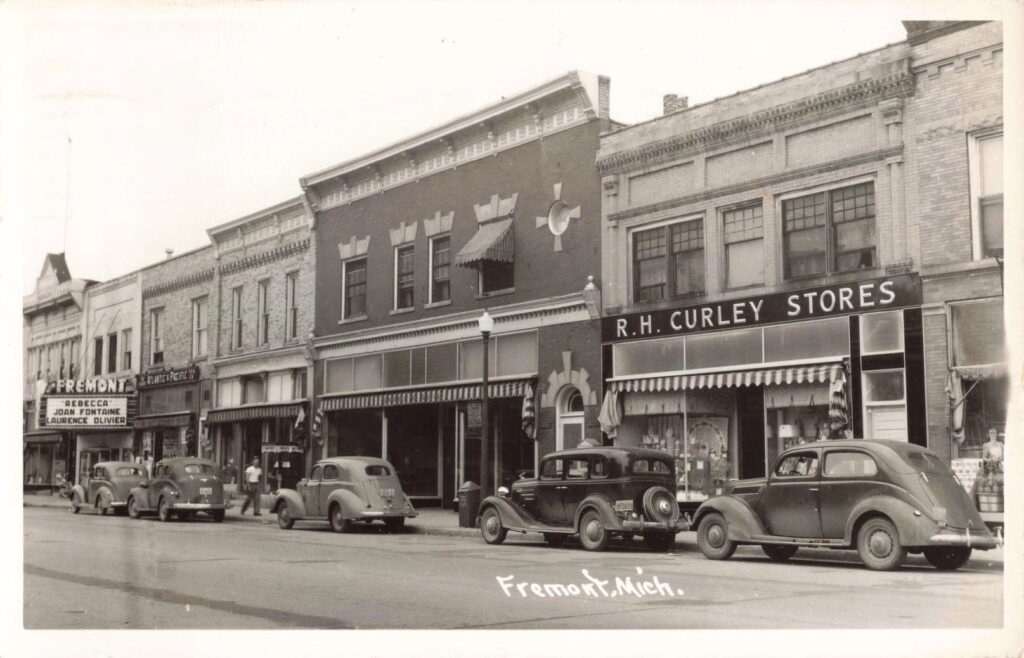
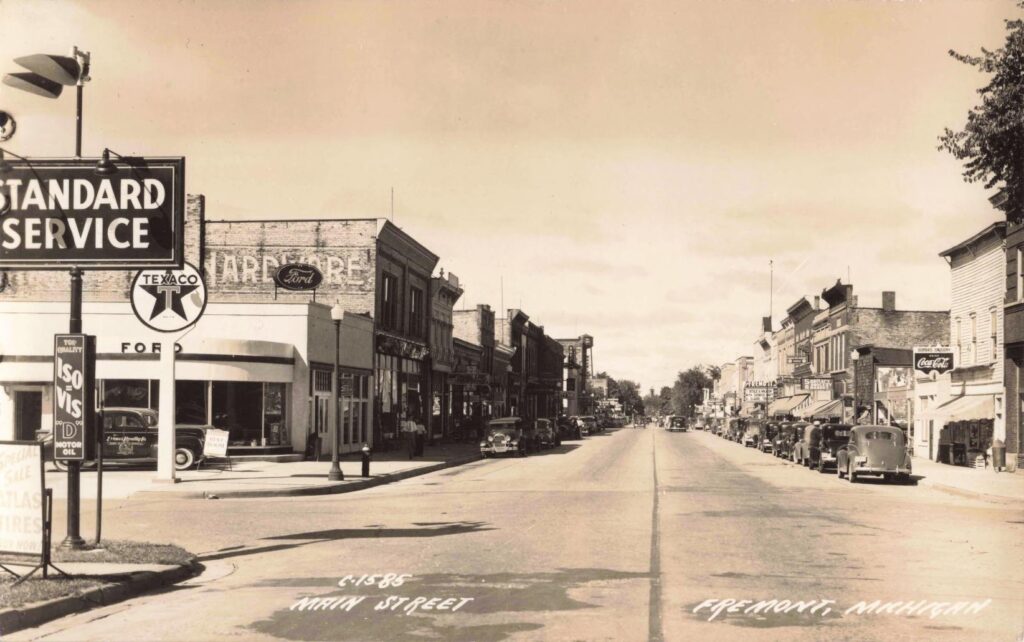
By 1931, Main Street had changed. Automobiles replaced wagons. Traffic signals appeared. The town adapted to modern life without losing its identity.
Today, Fremont’s early 20th-century story still carries weight. It shows how small towns shaped larger systems—often without recognition.
From canning vegetables to producing baby food, Fremont became part of daily life for families far beyond Michigan. That is the lasting significance of the History of Fremont Michigan. It is not a story of sudden fame. It is a story of steady change, practical decisions, and quiet impact.
Before you go, try this quick 30-second history check.
Quick Fremont History Check (30 Seconds)
Think you caught the key details? Try this:
Works Cited For the History of Fremont Michigan