4 Amazing Stories About the Michigan Indian Trails of The Upper Thumb
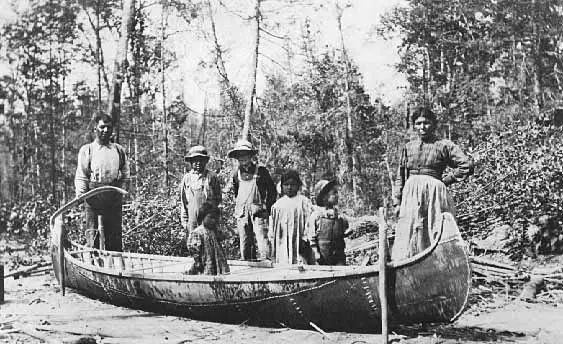
The first major highways were based on trails Native Americans has used for centuries throughout Michigan.
Here are four tidbits about those trails in Michigan’s Upper Thumb.

News History & Fun in Michigan
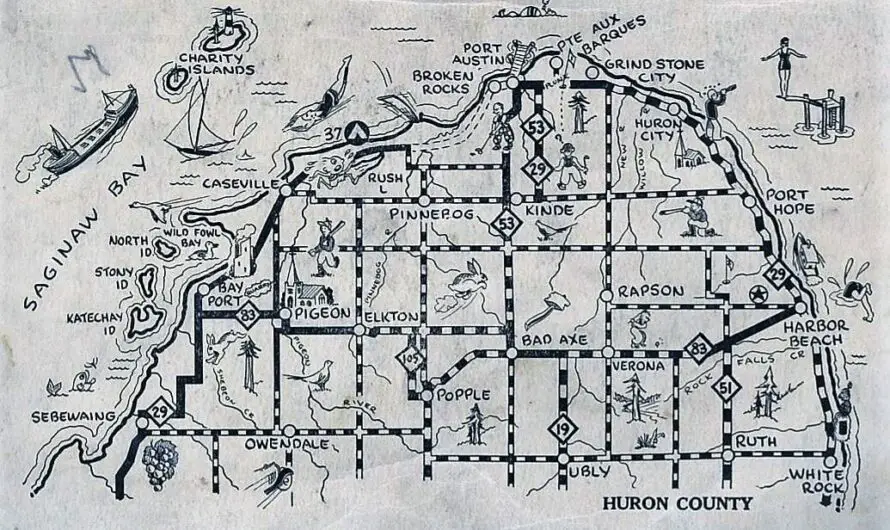
 We examine stories and events that shaped the history of the Upper Thumb and Michigan. While we focus on the Thumb region, other Great Lakes historical events are covered. Major events include the lumbering era and the 1871 and 1881 great fires. We cover major pioneers and personalities that shaped the region. To hear many of our best stories, visit and subscribe to our Podcast, “The End of the Road in Michigan.”
Our best Michigan history posts are found below.
The first major highways were based on trails Native Americans has used for centuries throughout Michigan.
Here are four tidbits about those trails in Michigan’s Upper Thumb.
The site of the mysterious fort was first built in 1686 by the French. The Americans rebuilt the fort in 1814 and it was used until 1879. The exact location of the fort is listed as “restricted” by the US National Archives.
Does Michigan have an underwater rock circle from over 10,000 years ago hidden in the Great Lakes?
Actually Michigan has several.
The Charity Island History spans 100’s of years. Today the island is a wildlife sanctuary and visited by only a few people each year. We cover a bit of this mysterious remote island located in the middle of busy Saginaw Bay.
Chief Standing Oak ruled the tribe of Chippewa Indians, living near Kilmanagh between the Sebewaing river and Shebeon creek.
He led his tribe in a fierce battle with the Fox.
Michigan’s Upper Thumbs hosts three lighthouses. Each can be visited and explored.
A legend telling of secret Indian lead mines and murder of a young couple are conveyed in this verbal history of the Upper Thumb of Michigan.
Huron City Michigan is a historic district and museum with buildings from the 1800s. The town was listed on the National Register of Historic Places in 1995. The tiny town is open for tours on Friday and Saturday during July & August.
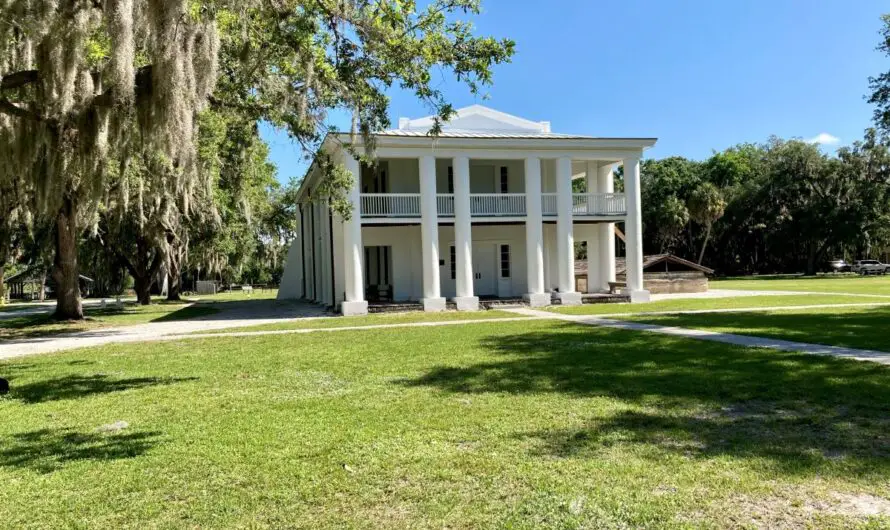
The Gamble Plantation is an obscure yet fascinating attraction showing the role Florida played in the Civil War and how slavery propped up the economy of the Confederacy.
The romanticized view of the old south belays the fact that the Gamble plantation was an economic failure.
Today Pigeon is the wind capital of Michigan. Once a rural railway stop for the Pontiac, Oxford, and Port Austin Railroad and Saginaw, Tuscola, Huron Railroad