Walt’s Meat – #1 For Great Cheeseburgers
If you want a Cheeseburger that is better then anything you can get in Caseville, start with the key ingredient at Walt’s Meat

News History & Fun in Michigan
If you want a Cheeseburger that is better then anything you can get in Caseville, start with the key ingredient at Walt’s Meat
The Porcupine Press is hosting its annual Porcupine Bash at Port Austin’s American Legion Hall on August 24th. The event collects needed items for veterans in hospitals and extended care.
It’s soooo close. The Detroit Army Corps of Engineers is reporting that all of the Great Lakes have exceed record water levels last seen in the 1980’s, except for the Lake Huron-Michigan Water Levels.
Concern is growing about the current military proposal to use Huron County (and parts of Sanilac and Tuscola Counties) as a low level combat jet training area.
We took a unique and interesting cruise to the island in the middle of Saginaw Bay. Here is what we found.
In Michigan’s Upper Thumb, Charity Island dominates the horizon of Saginaw Bay. The island is rarely visited despite its location in a busy shipping and fishing region. Thumbwind has been researching the history of the island and reached out to Captain Tom Carriveau, who has been taking visitors out on Charity Island Tours for over 10 years. Here is our latest on Captain’s Tom’s preparations for the Summer.
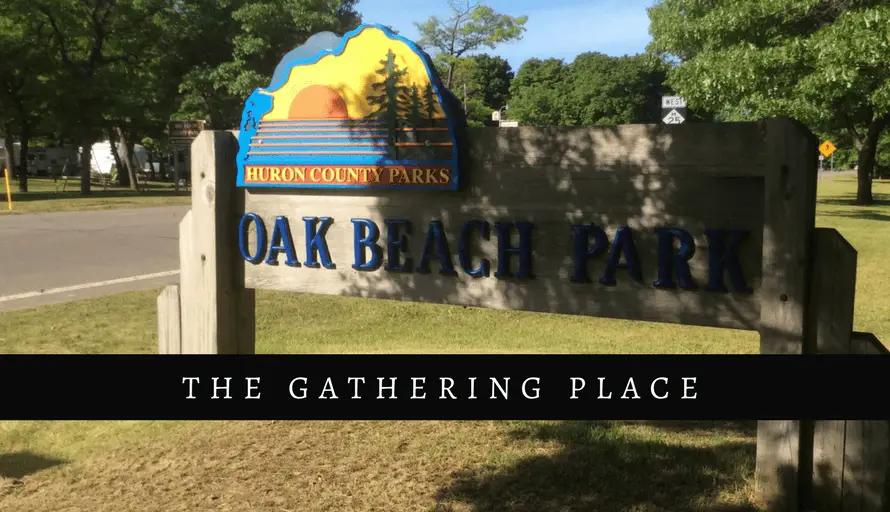
The first thing folks notice at Oak Beach County Park is just how large it is. Sitting on over 40 acres, it sports a beautiful beach, a playground, a pavilion for family gatherings. It even has several sets of well-maintained horseshoe …
Detroit Metropolitan Airport is the 18th busiest airport in the United States. It’s also one of the largest with the main concourse almost a mile long. These tips will help you get to the airport like a pro and make the most out of your time at DTW.