 by
by 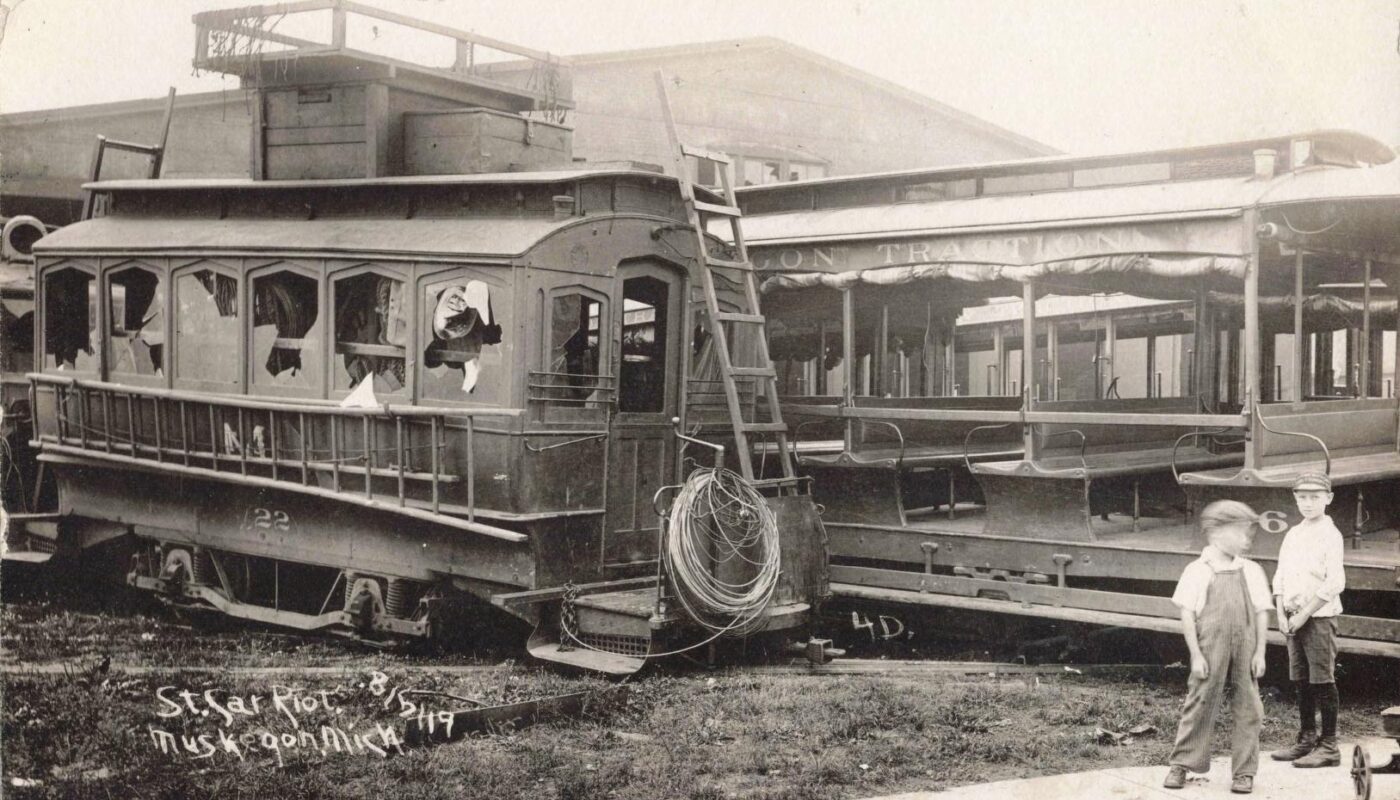
On Aug. 5, 1919, Muskegon exploded over a one-cent fare increase.
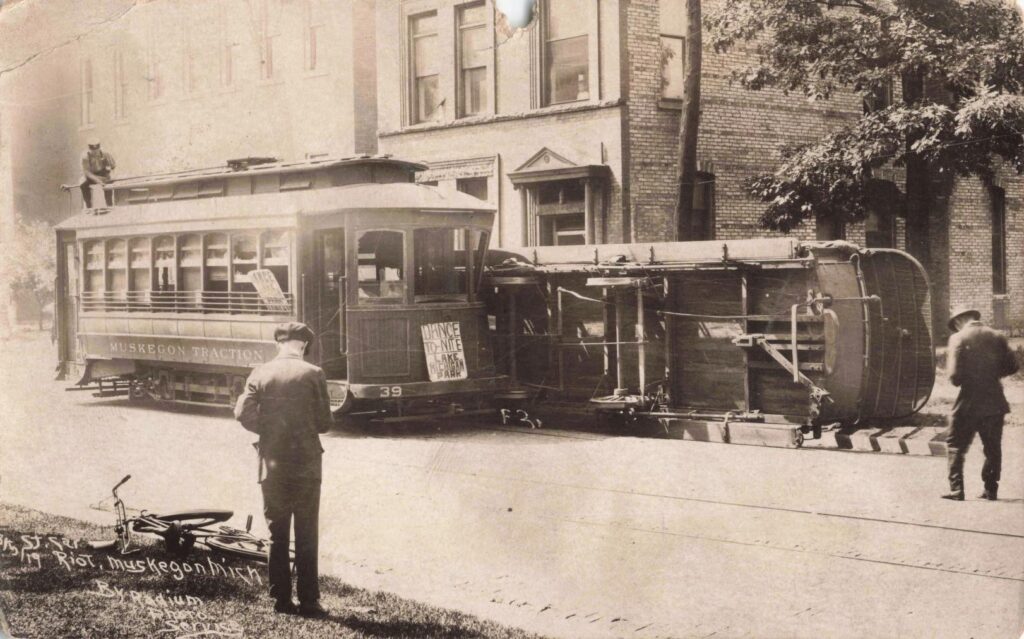
The Muskegon Traction Company raised streetcar fares from six cents to seven, and thousands of workers refused to accept it. What followed became one of the most destructive public disturbances in early Muskegon history. Crowds swarmed downtown trolley lines, pushed streetcars from tracks, shattered windows, and blocked streets across the city.
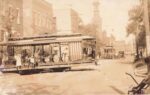
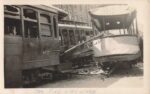
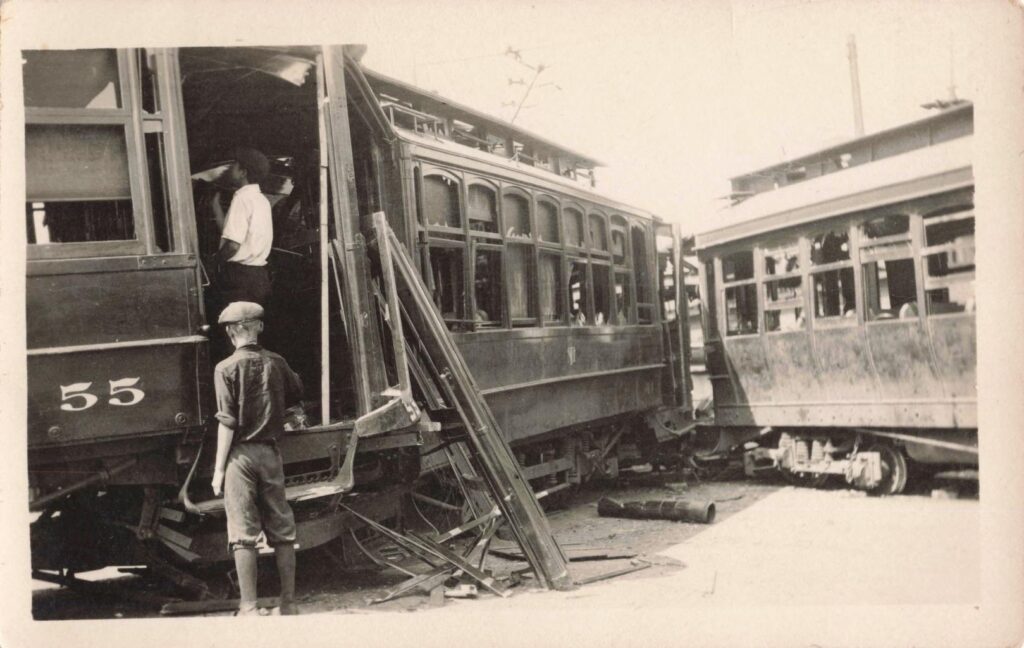
Today, the surviving photographs of the Muskegon Street Car Riot look almost unreal. Electric streetcars sit overturned while residents crowd the sidewalks only feet away from the wreckage. But in 1919, these trolley cars were essential to daily life in Michigan industrial cities.
Michigan in a Tense Summer
The timing mattered.
World War I had ended less than a year earlier. Inflation was climbing. Wages struggled to keep up with rising prices. Labor strikes were spreading across the country, including throughout Michigan’s manufacturing centers.
Muskegon depended heavily on public transit. The city’s electric streetcar system carried workers to factories, stores, neighborhoods, waterfront districts, and amusement parks. Thousands rode the trolleys every day.
When the fare increased by one cent, frustration boiled over quickly.
Newspaper reports estimated between 3,000 and 4,000 workers and residents joined the unrest. Many were connected to Continental Motors, one of Muskegon’s largest employers at the time.
Downtown Became a Battlefield
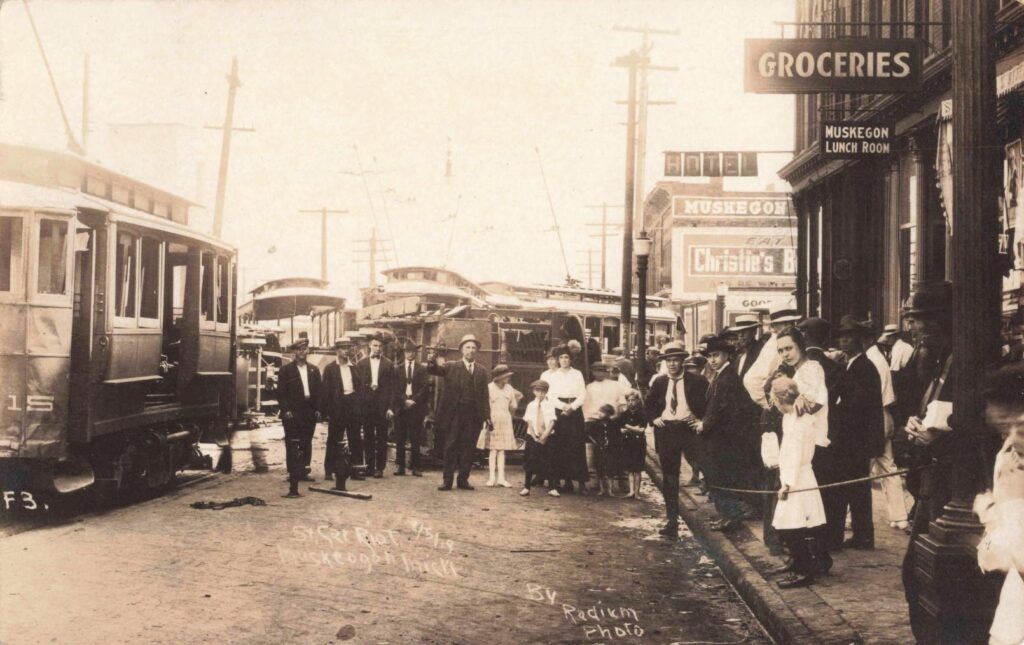
According to newspaper accounts, workers refused to pay the new seven-cent fare and demanded rides for six cents instead.
Crowds gathered near City Hall, Western Avenue, and major streetcar junctions. Some trolleys were forced off the tracks. Others had windows smashed. In several cases, crowds reportedly pushed trolley cars together head-on after forcing operators into the street.
The worst destruction happened near the Horace Mann School track junction, where multiple streetcars were wrecked in a tangled mass of steel and shattered glass.
Police struggled to regain control.
Contemporary reports criticized local authorities for failing to stop the destruction as crowds overwhelmed downtown streets.
Property losses climbed between $75,000 and $100,000, an enormous figure in 1919. Newspaper reports also stated that at least one person died during the unrest.
State Troopers Arrive
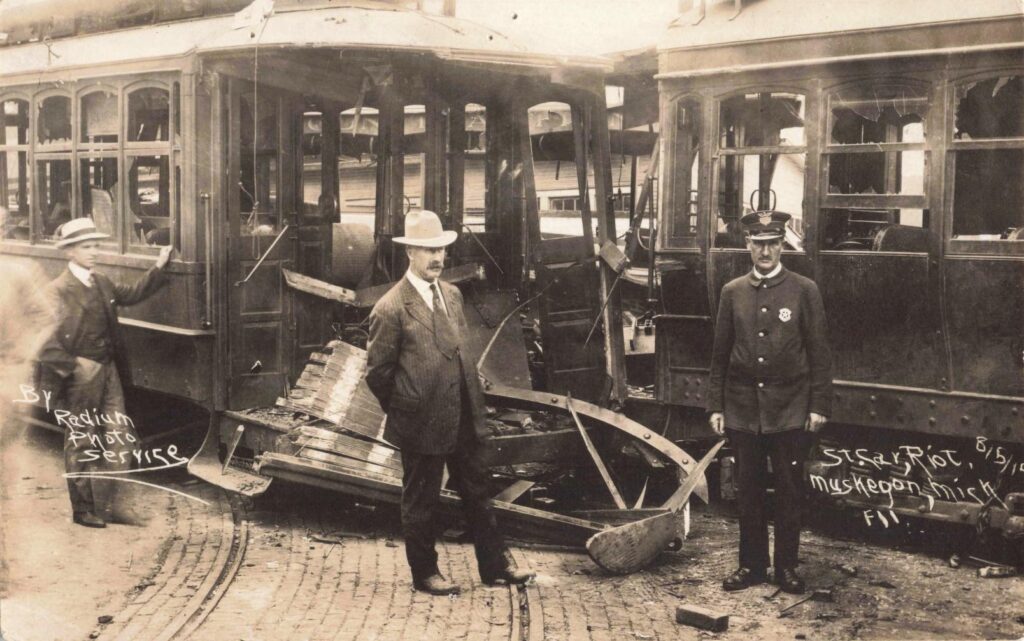
The violence quickly drew statewide attention.
Gov. Albert Sleeper authorized state troopers to move into Muskegon to prevent further unrest. Newspapers reported that hundreds of troopers could be deployed if necessary.
Investigations followed within days.
At least 14 arrests were reported, including one teenage suspect. Prosecutors also examined accusations that local law enforcement failed to act quickly enough during the riot.
Meanwhile, the Muskegon Traction Company suspended streetcar operations entirely.
For a short period, automobiles, trucks, and other transportation replaced the city’s trolley service while officials debated whether the seven-cent fare would remain in place.
Why the Riot Still Matters
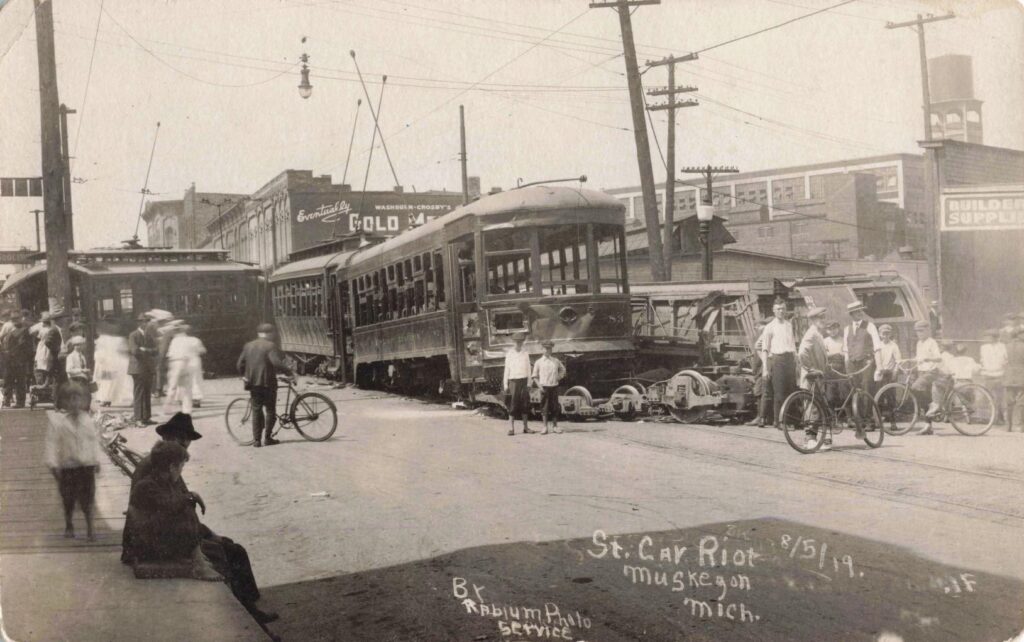
The Muskegon Street Car Riot was about far more than transit.
It revealed how dependent industrial Michigan cities had become on electric rail systems. It also exposed growing frustration over wages, inflation, and corporate power during one of the most unstable years in modern American history.
The year 1919 saw strikes, riots, and labor unrest erupt across the United States. Muskegon became part of that larger story.
Today, almost all traces of Muskegon’s streetcar network have disappeared. The rails are gone. The trolley wires vanished generations ago.
But the photographs remain.
They preserve the moment when one penny triggered chaos in a city already stretched to its limits.
FAQ
What caused the Muskegon Street Car Riot?
The riot began after the Muskegon Traction Company increased streetcar fares from six cents to seven cents on Aug. 5, 1919. Thousands of workers and residents protested the increase during a period of rising inflation and labor unrest
How much damage was caused during the riot?
Newspaper reports from 1919 estimated property damage between $75,000 and $100,000. Around 20 to 30 streetcars were damaged or destroyed during the unrest.
Did anyone die during the Muskegon Street Car Riot?
Contemporary newspaper coverage reported at least one death connected to the riots, though details remain limited in surviving accounts.
.
Sources Cited
Sources
- “Muskegon’s Forgotten Streetcar Riot.” Muskegon Lumberman, 26 Jan. 2023.
- “Muskegon Transit System Wrecked by Mob; May Call Troops.” MichiganRailroads.com, 1919.
- “20 Cars Wrecked in Muskegon Riot.” Detroit Free Press, 5 Aug. 1919.
- “14 Arrested for Muskegon Riots.” Associated Press, 9 Aug. 1919.
- “Start Probe of Muskegon Riots.” Newspaper clipping, 8 Aug. 1919.
- “Muskegon Street Car Riot Scenes.” Newspaper clipping, Aug. 1919.
- “Muskegon Streetcar Riot Photographs.” Private photo collection, Aug. 1919.