 by
by 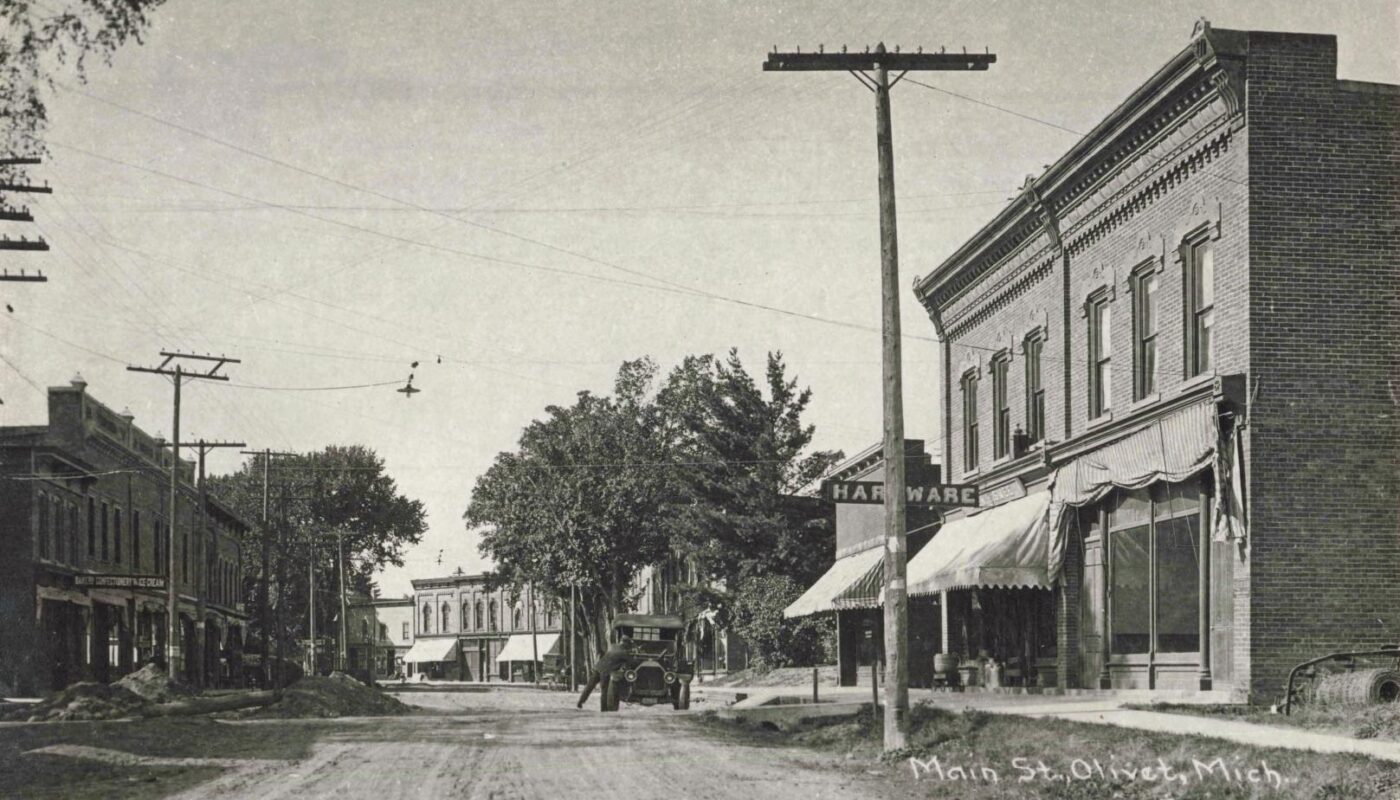
The History of Olivet Michigan begins with movement.
In the late 1800s, trains arrived daily. Wagons rolled in from surrounding farms. Goods were loaded, shipped, and replaced in a steady cycle. Olivet was not isolated. It was connected.
That connection shaped everything that followed.
Olivet, Michigan developed at a steady pace, shaped by railroads, farming, and education. Located in Eaton County, the town never grew into a large city, but its early years show a clear pattern of industry and community life that defined many small towns across the state.
A Railroad Town Takes Shape
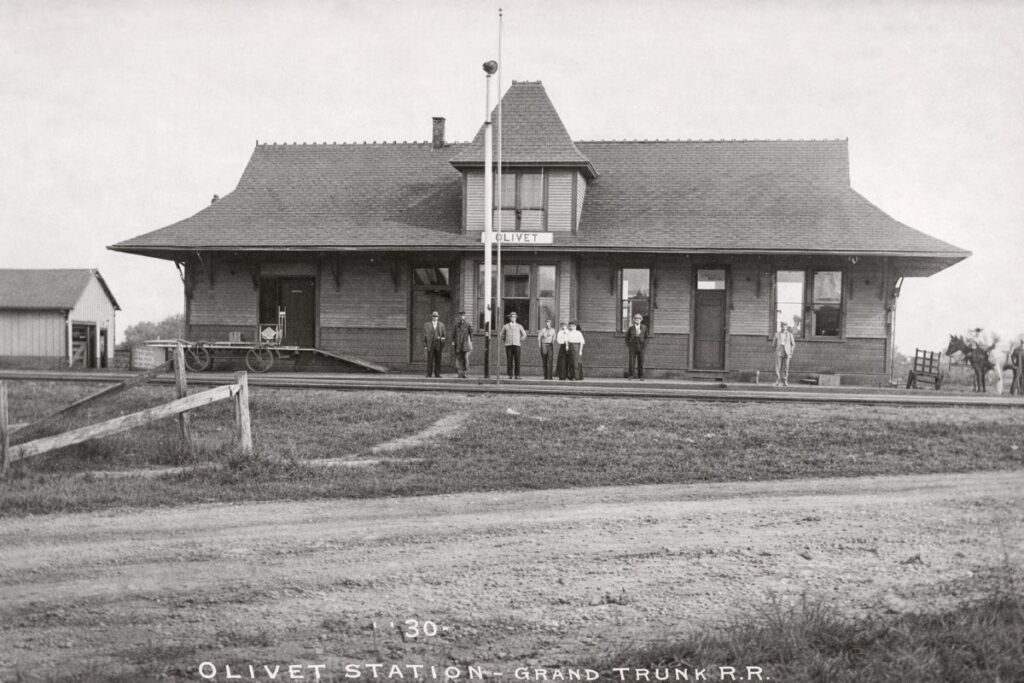
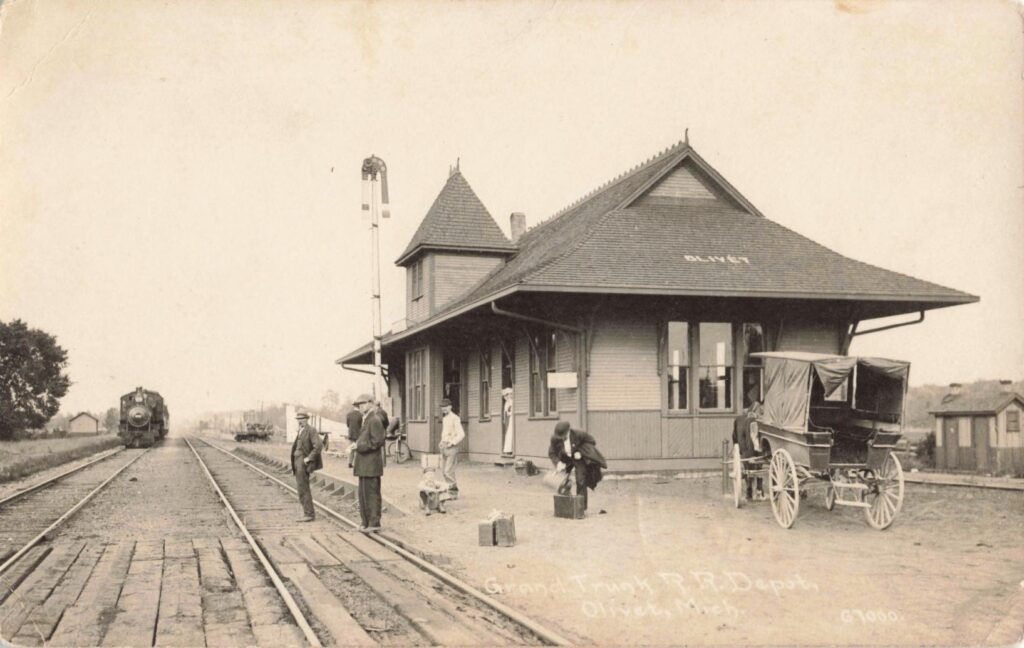
The arrival of the Grand Trunk Railroad gave Olivet its first major advantage. By the late 1800s, the town had become a regular stop along the line. Trains carried goods and people, linking Olivet to Detroit, Chicago, and other growing markets.
Farmers relied on the railroad to ship grain and livestock. Local merchants depended on it for supplies. The depot became one of the busiest places in town.
Passengers also arrived by train. Many were students headed to Olivet College, bringing new energy into the community.
The Role of Olivet College
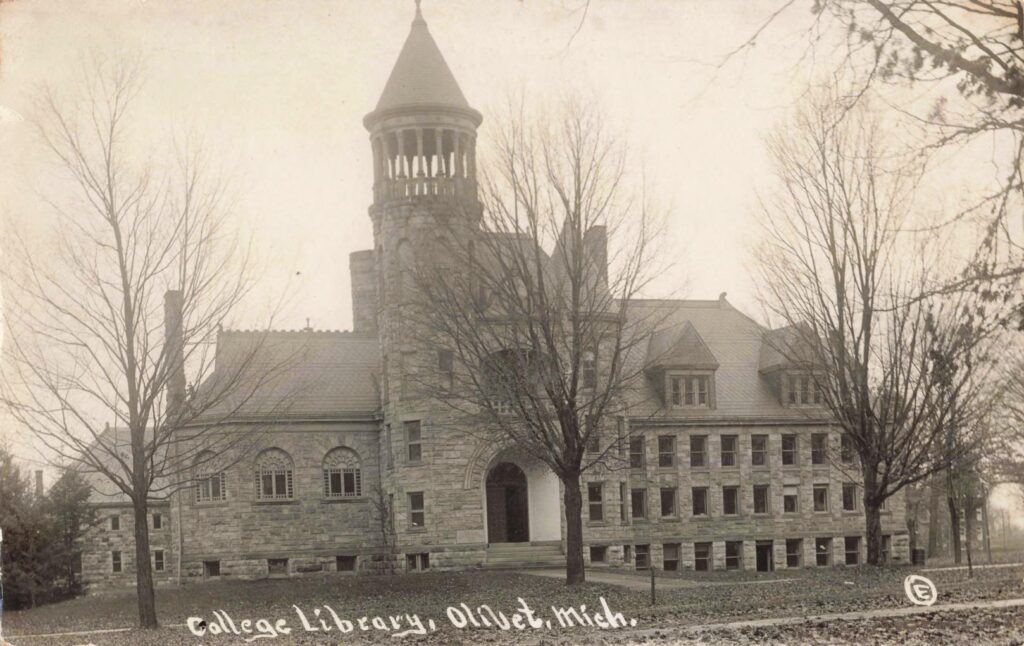
The History of Olivet Michigan cannot be told without Olivet College. Founded in 1844, the school stood out for its early commitment to coeducation and inclusion.
At a time when many colleges excluded women and minority students, Olivet opened its doors. This decision shaped the town’s identity.
Students and faculty brought new ideas and perspectives. Boarding houses and small businesses grew to support them. The college created a steady population that helped stabilize the town during economic shifts.
Mills and the Local Economy
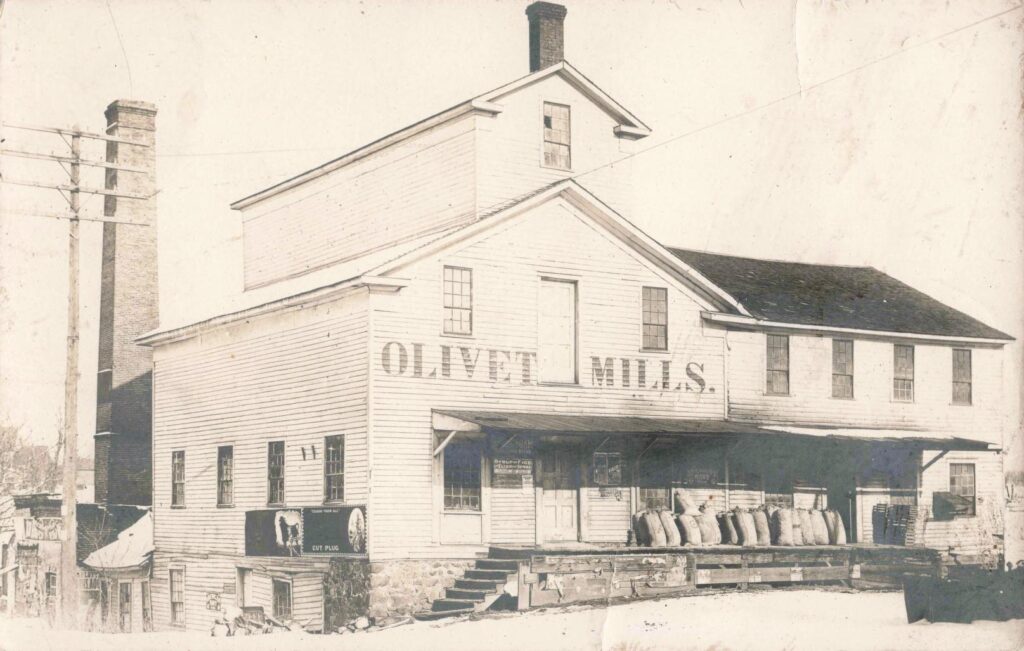
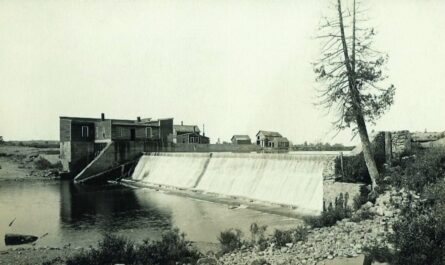
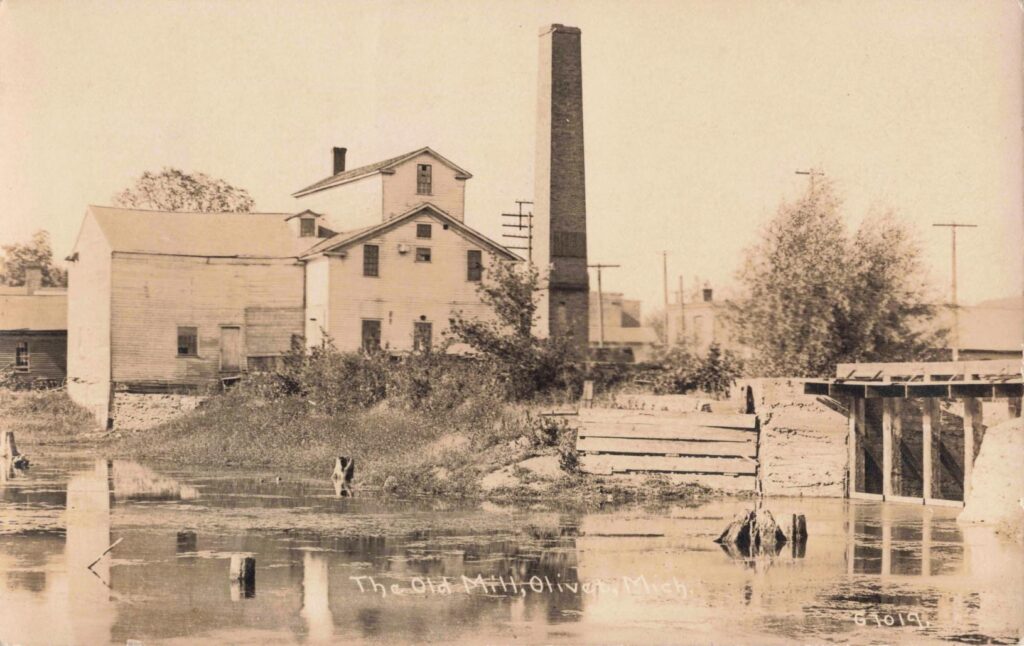
Industry in Olivet centered on its mills. The Olivet Mills processed grain from nearby farms, using water power from local rivers and streams.
Tall smokestacks marked their presence. Workers operated machinery that cleaned, ground, and packaged grain for shipment. The railroad made it possible to send those products far beyond the county.
The mills provided jobs and supported local farms. They were a key part of the town’s economy during its early years.
Main Street and Daily Life
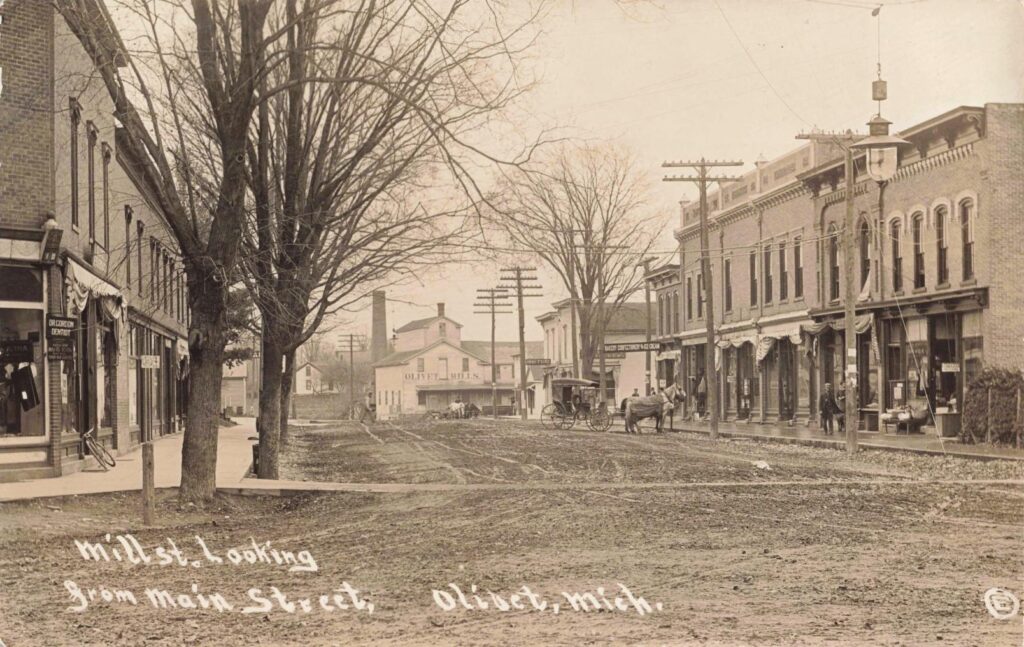
Main Street reflected the everyday life of Olivet residents. Stores lined the road, offering food, tools, and household goods. A drugstore and café served as gathering spots.
Horse-drawn wagons moved through the streets, later joined by early automobiles. Telegraph lines stretched overhead, connecting the town to outside markets and news.
The History of Olivet Michigan shows a community that balanced work and social life in a compact, walkable area.
Transition to the Automobile Era
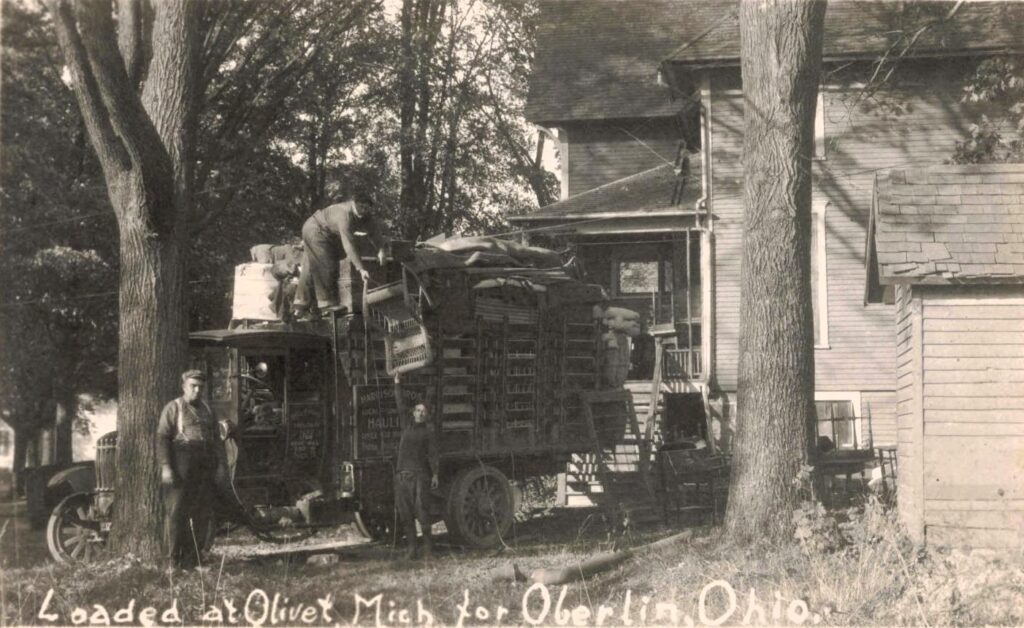
By the 1920s, transportation began to change. Automobiles became more common. Roads improved, though they were still rough in many areas.
As trucks replaced rail for shipping, the importance of the depot declined. This shift affected towns like Olivet, which had depended on rail access.
Local businesses adapted. Gas stations appeared. New services replaced older ones.
Community and Culture
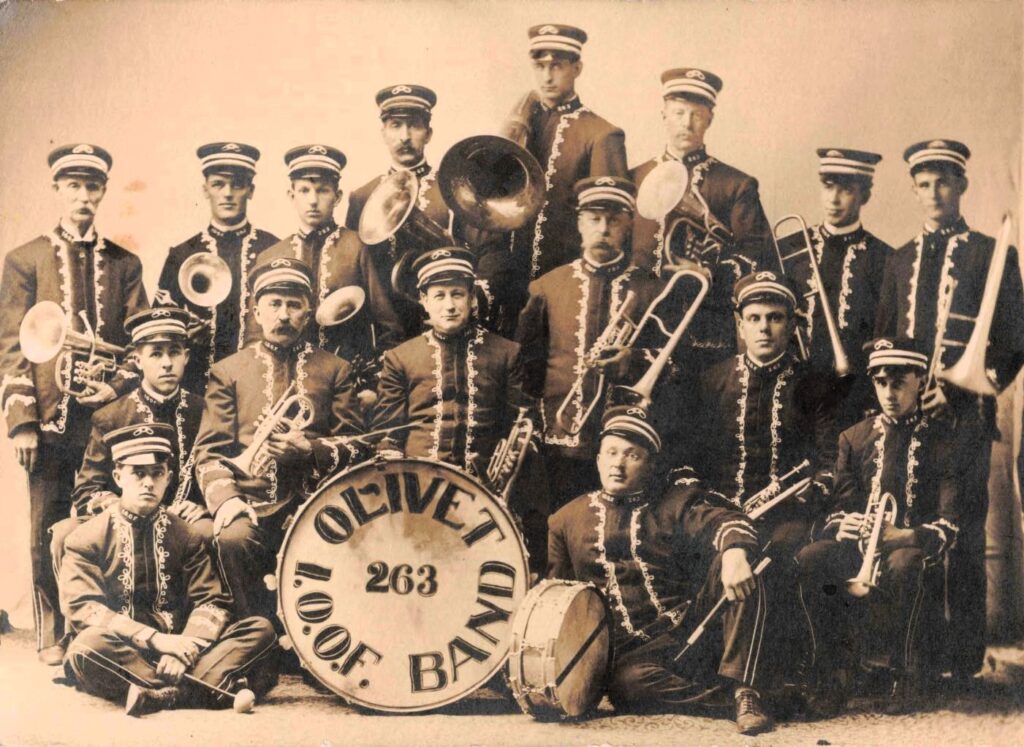
Community life remained strong. Local bands performed at events. Families gathered for social occasions. Schools and churches played central roles.
These traditions helped maintain stability even as the economy shifted.
Why Olivet Stayed Small
The History of Olivet, Michigan includes an important question: why did the town remain small?
Several factors played a role. Larger cities attracted industry and population. Rail routes changed. Highways favored different locations.
Olivet did not decline sharply. Instead, it adjusted. The college continued to bring people into the town. Local businesses remained in operation.
The town found a balance between growth and preservation.
A Town That Endures
Olivet today still reflects its past. The layout of the streets, the presence of the college, and the remains of early industry all point back to its origins.
The History of Olivet Michigan is not defined by rapid expansion. It is defined by continuity. By steady change. By a community that adapted without losing its core identity.
Before you go: Try this quick 30-second history check.
Quick Olivet History Check
1. What helped put Olivet on the map?
2. What institution shaped the town?
3. What industry supported early growth?