 by
by 
Milan, Michigan, began as a small farm settlement along the Saline River. By the early 1900s, it had become something more complex. It was still a place of fields, mills and Main Street trade. But it was also a railroad junction, an industrial town and a local service center for southeast Michigan.
The History of Milan Michigan is best understood through this shift. From about 1890 to 1930, the Wabash Railroad era gave Milan much of its working identity. The town did not become a big city. It became a connected small town, where farmers, railroad crews, factory workers, shopkeepers and travelers all crossed paths.
That is what makes Milan’s early 20th-century story so useful. It shows how small Michigan towns modernized one step at a time.
Video – History of Milan Michigan
Milan’s Founding Began Along the Saline River
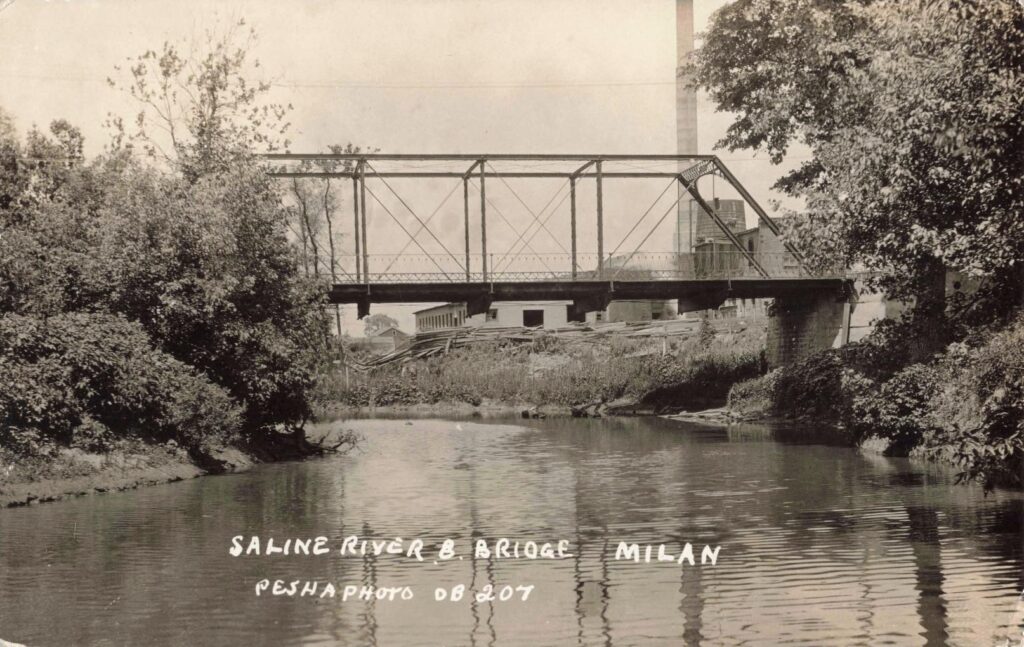
The roots of Milan reach back to the early 1830s. John Marvin is widely linked to the first settlement in the area, with Bethuel Hack and Harmon Allen among the early names tied to the community’s growth. The first post office opened in 1833 under the name Farmersville. The name fit. The surrounding land supported farming, and early Milan served rural families who needed mills, stores and local services.
The name changed to Milan in 1836. Over time, the village grew near the Saline River, which supplied water power and encouraged mill development. The river gave Milan a practical reason to exist. Farmers needed a place to grind grain, buy goods and trade news. Merchants needed customers. The settlement grew from those basic needs.
By the late 1800s, however, the river was no longer the only force shaping town life.
The Wabash Railroad Gave Milan a Wider Reach
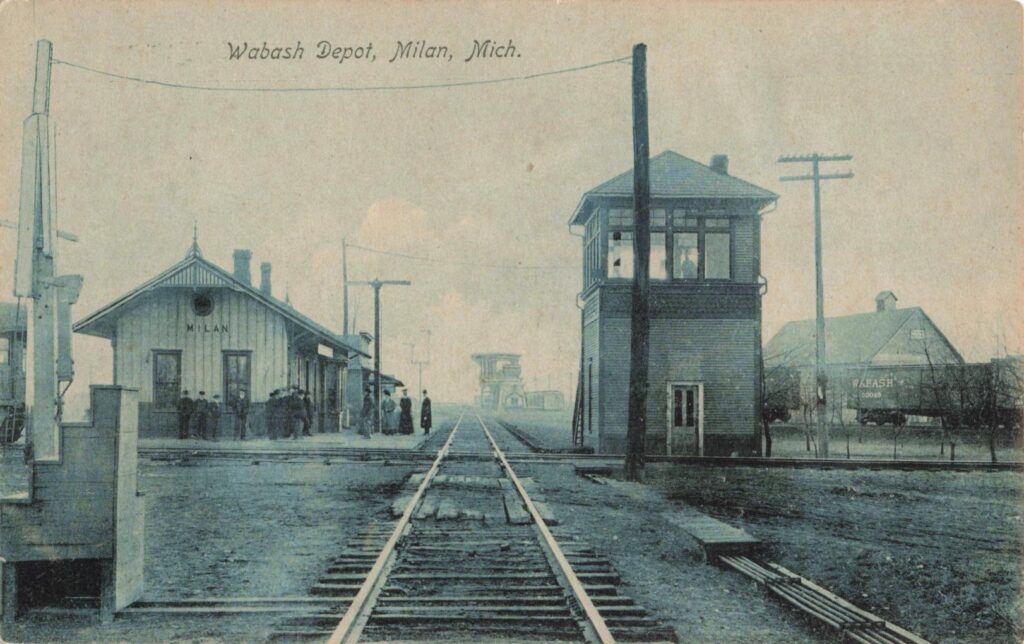
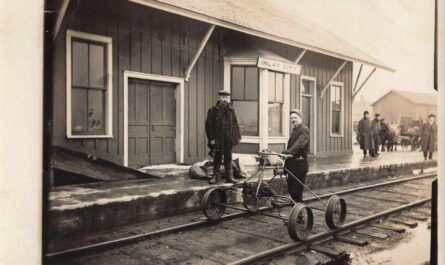
The railroad changed Milan’s future. By the 1870s, rail lines reached the area. The Wabash line ran east and west, while the Ann Arbor Railroad later added a north-south connection. Milan became a crossing point, and that made the town more important than its size suggested.
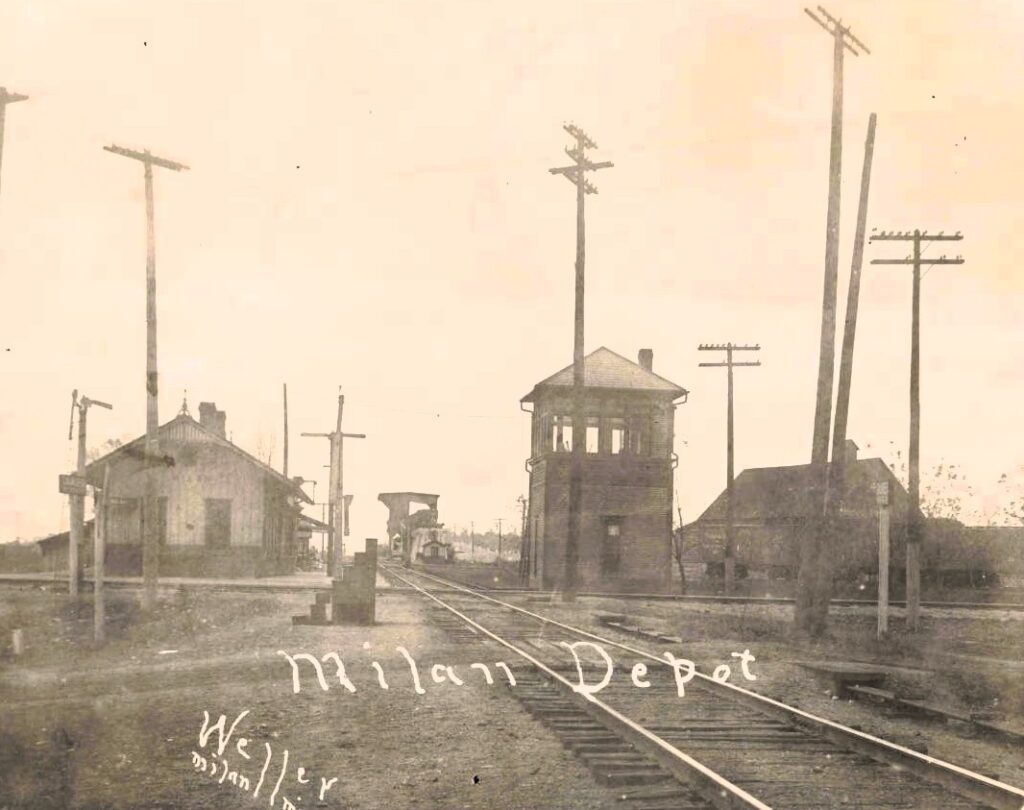
The History of Milan Michigan during this period is closely tied to that junction. The Wabash Depot served passengers, freight and communication. The interlocking tower controlled train movements where the lines met. It was a practical structure with a serious job. At a rail crossing, timing was safety. Signals, switches and operators helped keep trains moving.
For Milan, the railroad meant access. Goods could arrive faster. Grain and manufactured products could leave town more efficiently. Travelers could reach larger cities without relying on rough roads or slow wagon travel.
The railroad did not replace Milan’s rural character. It extended it.
Main Street Became the Public Face of Milan
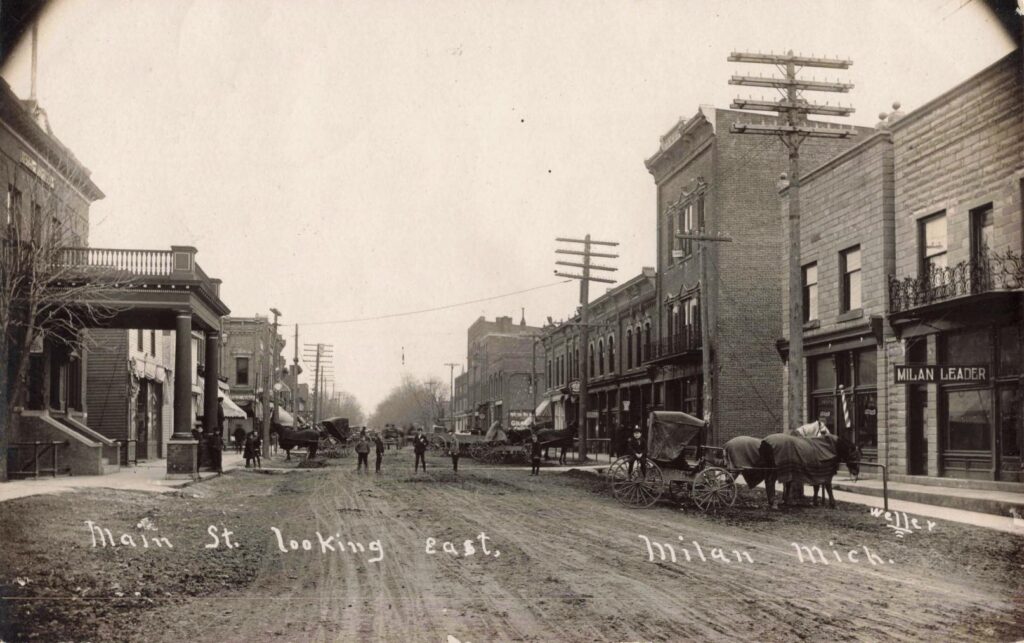
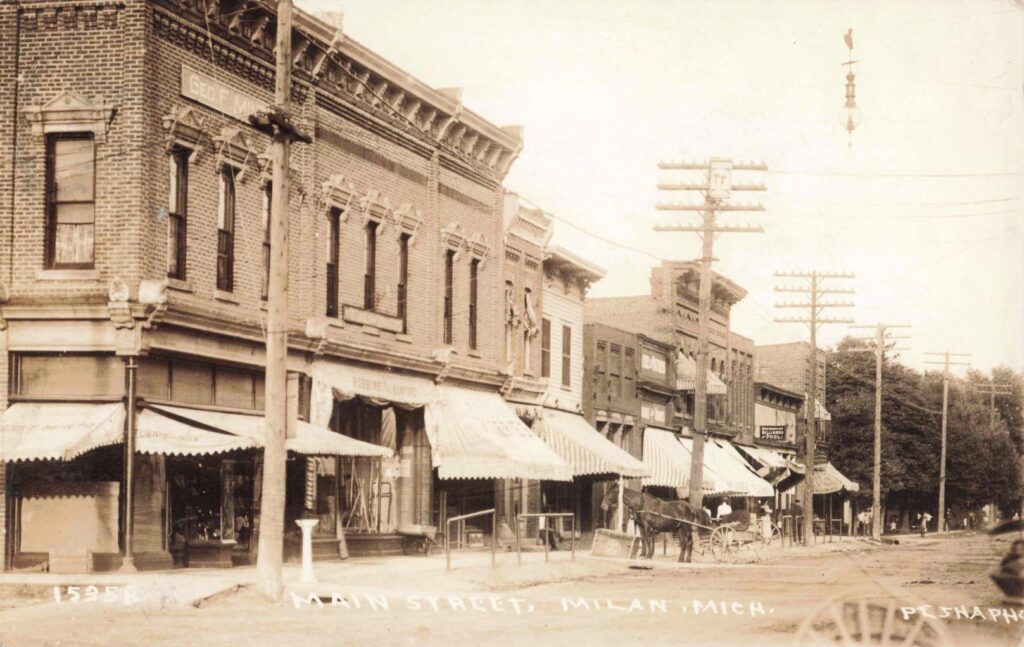
Milan’s Main Street views from the early 1900s show a town in transition. Brick storefronts lined the business district. Canvas awnings shaded sidewalks. Horse-drawn wagons stood near stores. Early automobiles began to appear.
Main Street was where the rail economy met daily life. The grocer, drugstore, hotel, hardware store, newspaper office and produce buyer all served people who moved through town for different reasons. Farmers came in from the countryside. Workers came from nearby homes. Salesmen came by rail. Local families shopped, talked and gathered there.
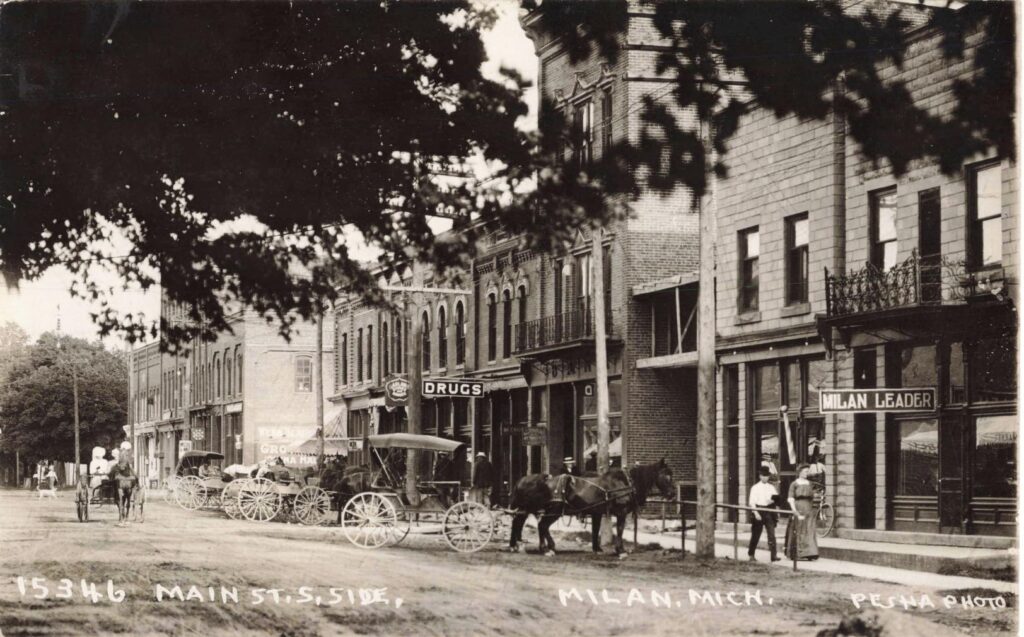
The Milan Leader office points to another key part of town life. Local newspapers held communities together. They reported school events, court news, store ads, deaths, births, marriages, church meals and public disputes. In a town like Milan, the paper was part record, part marketplace and part civic memory.
Milan Roller Mills Linked Farms to Markets
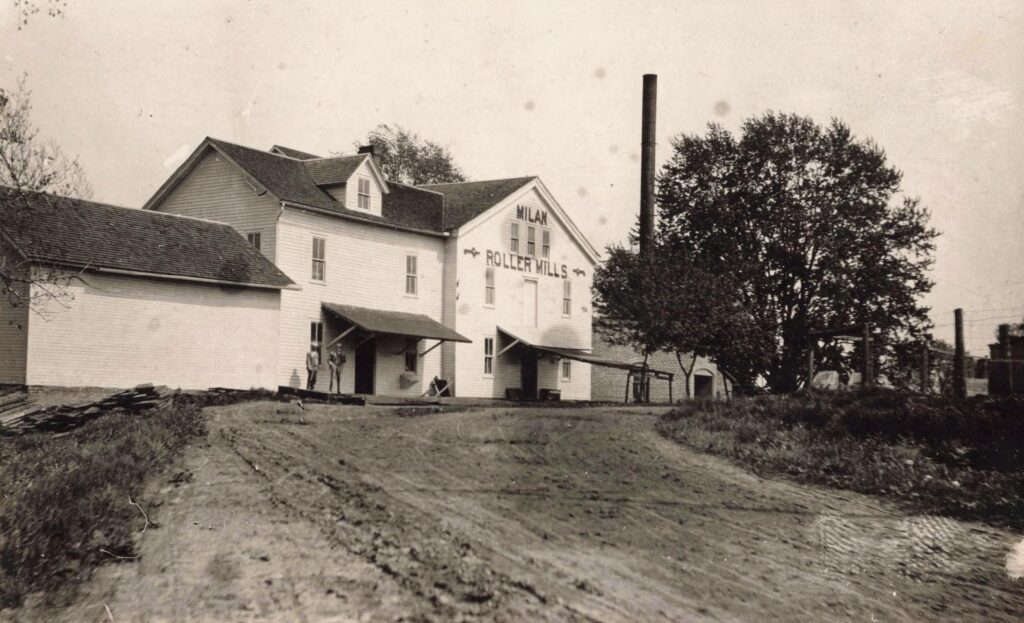
Milan Roller Mills may be the clearest symbol of the town’s farm-and-rail economy. Mills were central to small-town Michigan life. Farmers raised grain, but grain had to be processed, stored and moved. A mill made that possible.
The counterintuitive part of the History of Milan Michigan is that the railroad did not end the older farm economy. It made that economy more effective. Rail access helped move products beyond the immediate area. The mill became a link between rural production and outside markets.
This was common across Michigan, but Milan’s railroad crossing made the connection stronger. Grain could come in by wagon and leave through a wider transportation network. The old world and the new one worked together.
Factories Showed Milan’s Industrial Side
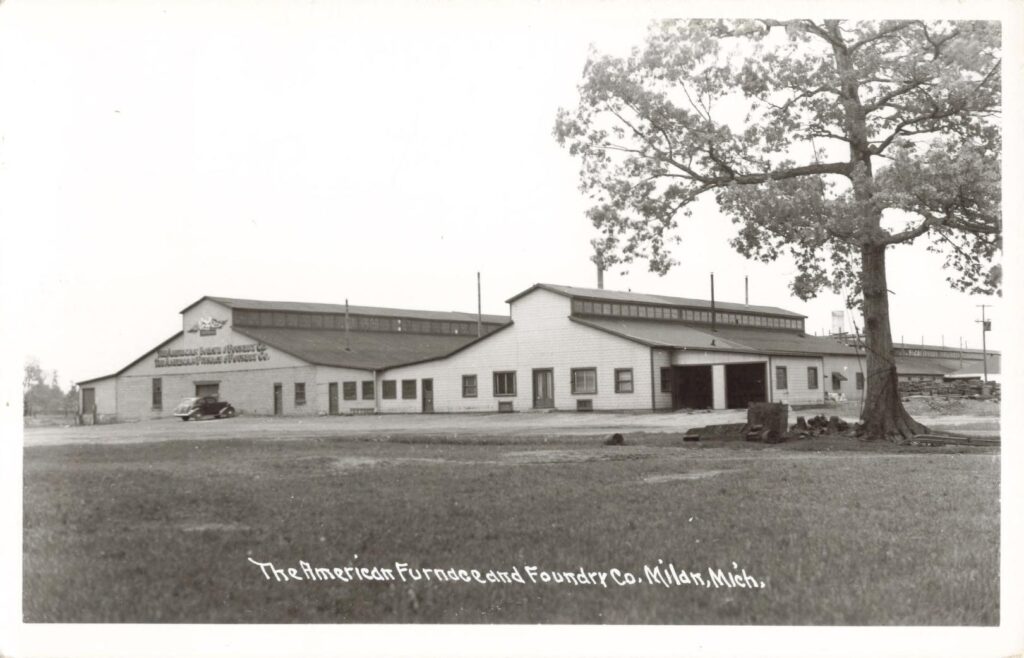
Milan was not only a farm service town. It also had industry.
The American Boiler and Foundry Co. brought heavier manufacturing into the local economy. Foundry work required labor, machinery, shipping and fuel. It connected Milan to the larger industrial growth of Michigan and the Midwest.
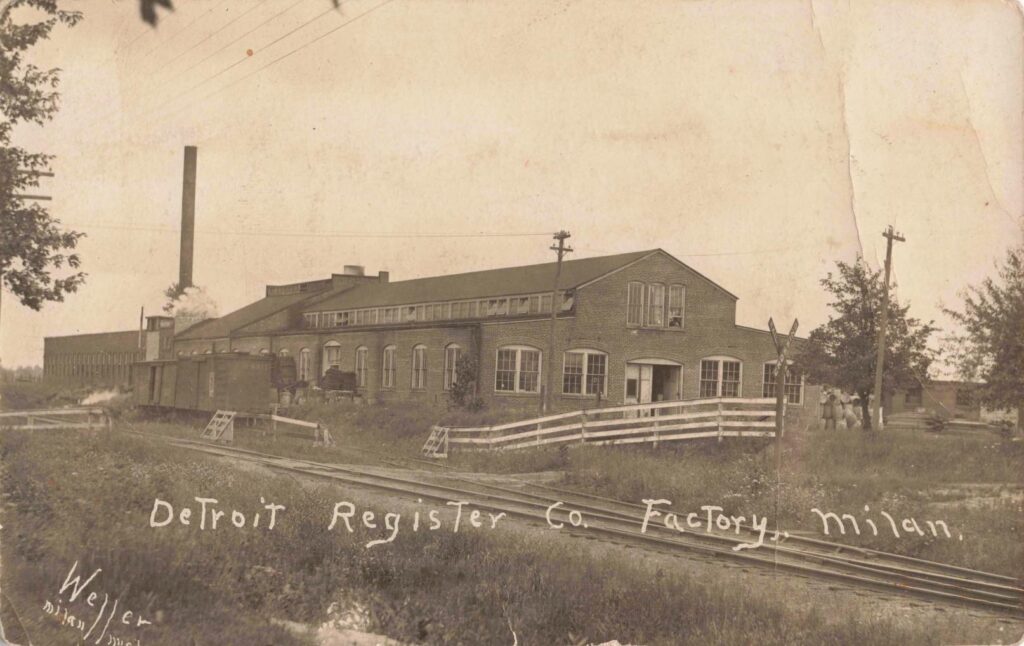
The Detroit Register Co. factory added another manufacturing layer. Factories near rail lines had a built-in advantage. Materials could arrive by freight. Finished goods could be shipped out. Workers could live close to the plant or within the town.
This is one reason Milan’s Wabash era is so important. The town held both agriculture and manufacturing at the same time. A person could see wagons on Main Street and factories near the rail corridor. That overlap was early 20th-century Michigan in real life.
Public Utilities Marked a Modern Town
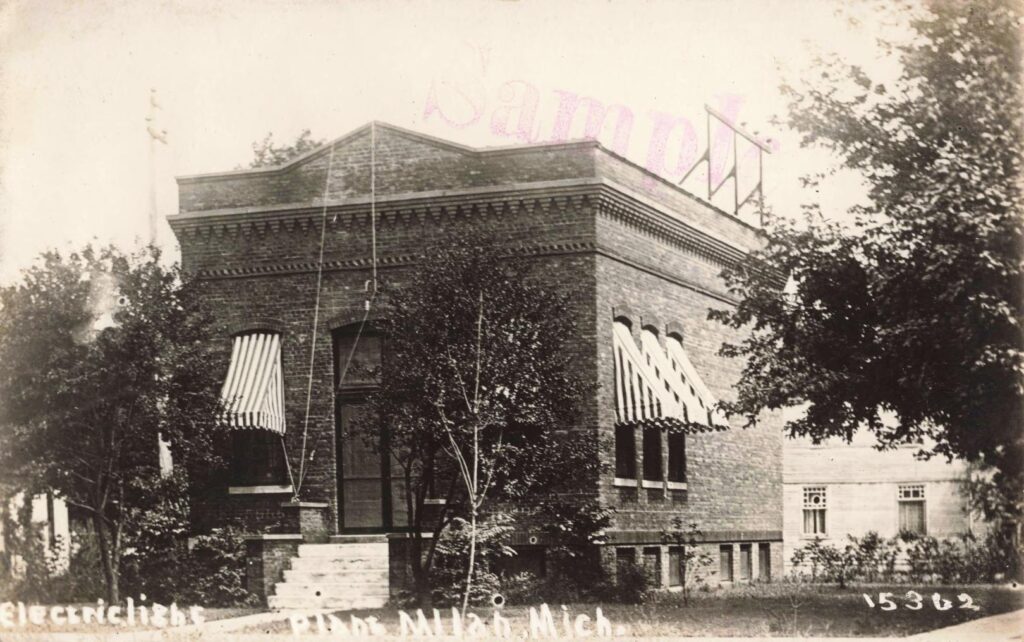
The electric light plant did something just as important. It changed the town after dark. Street lighting, business lighting and utility service reshaped expectations. A town with electric light felt different from one without it.
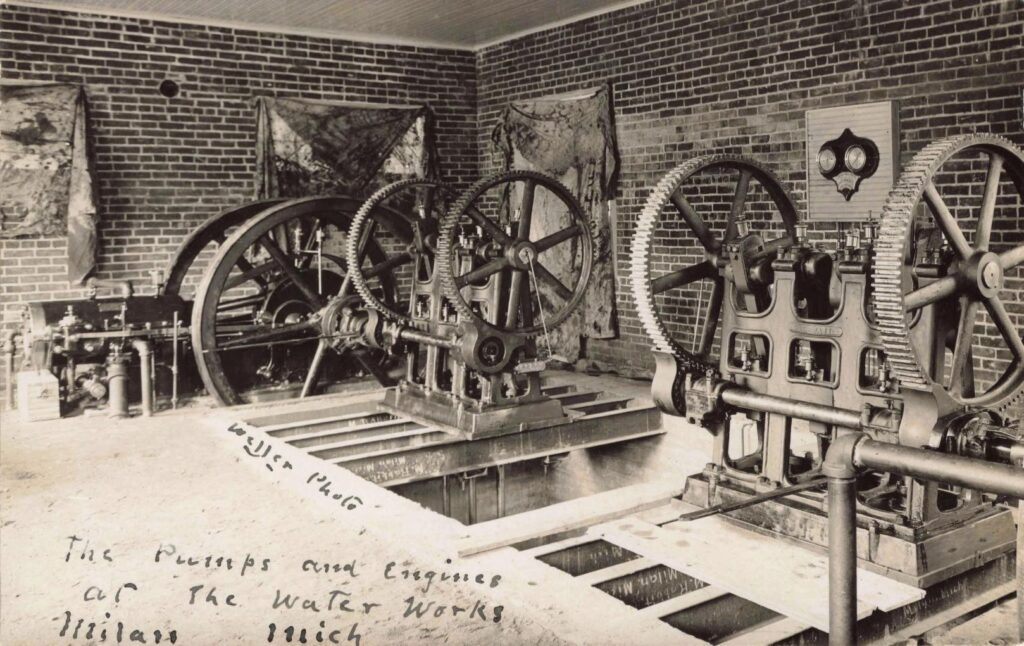
Water and electricity changed Milan from the inside out. The water works pumps and engines were not showy, but they were vital. Public water systems supported health, fire protection and growth. They made dense village life safer and more practical.
These systems are easy to overlook because they were built to function in the background. But they helped define a modern community. The History of Milan Michigan is not complete without them.
Hotels, Produce and the Business of Movement in the Milan Area
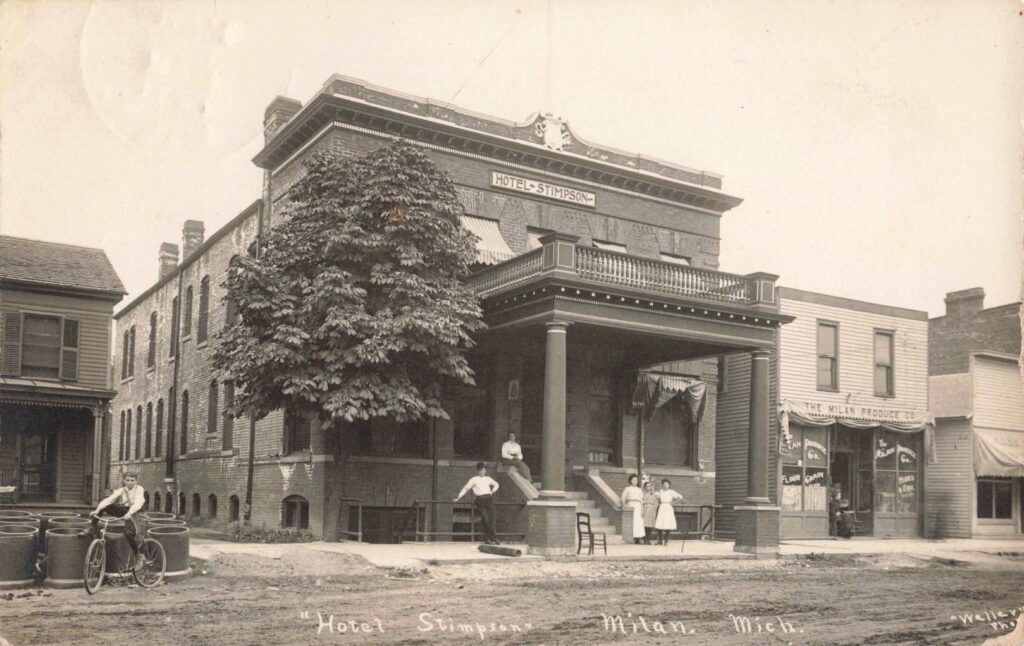
Hotel Stimpson show how travel and farm commerce worked together. A hotel served salesmen, travelers and people doing business in town. A produce company handled farm goods moving through local trade channels.
These were not side businesses. They were part of Milan’s working structure. Railroads increased movement. Hotels supported people in motion. Produce firms supported goods in motion. Main Street gave both a public center.
Milan’s Railroad Era Left a Lasting Shape
By 1930, Milan had changed. Automobiles and trucks were taking a larger role. Roads were improving. The Great Depression was about to put pressure on small-town economies across the country. But Milan’s Wabash-era pattern remained clear.
It had a river origin, a farm base, a rail crossing, a Main Street business district, mills, factories, a depot and public utilities. Those pieces explain how the town worked.
Later chapters added more history. Henry Ford’s small-town industry efforts touched Milan in the 1930s. Public institutions expanded. The federal correctional facility later became one of the city’s better-known landmarks. But the earlier railroad and industrial period had already shaped Milan’s identity.
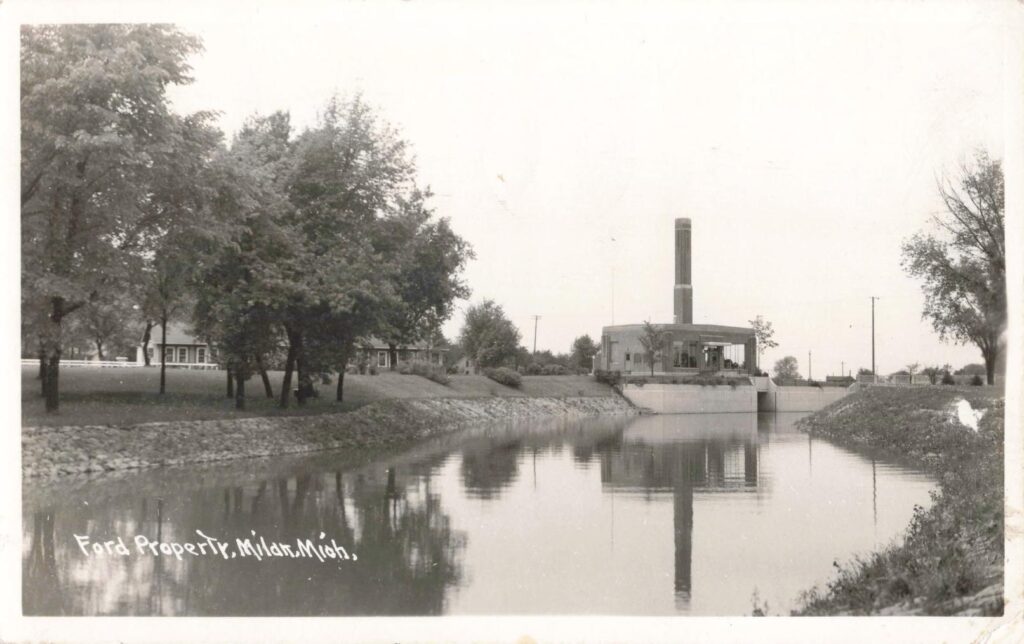
The History of Milan Michigan is not simply a story of growth. It is a story of connection. Milan grew because it linked farms to mills, mills to railroads, railroads to factories, and factories to regional markets. Groups like the Milan Historic Society keep these memeories alive and research local families and businesses of the area for future generations.
The Wabash Railroad era gave Milan a working rhythm. Trains moved. Mills ran. Shops opened. Newspapers printed. Lights came on. People built a town that was small, practical and connected.
That is why Milan’s story still speaks to Michigan history today.
Works Cited For The History of Milan Michigan