 by
by 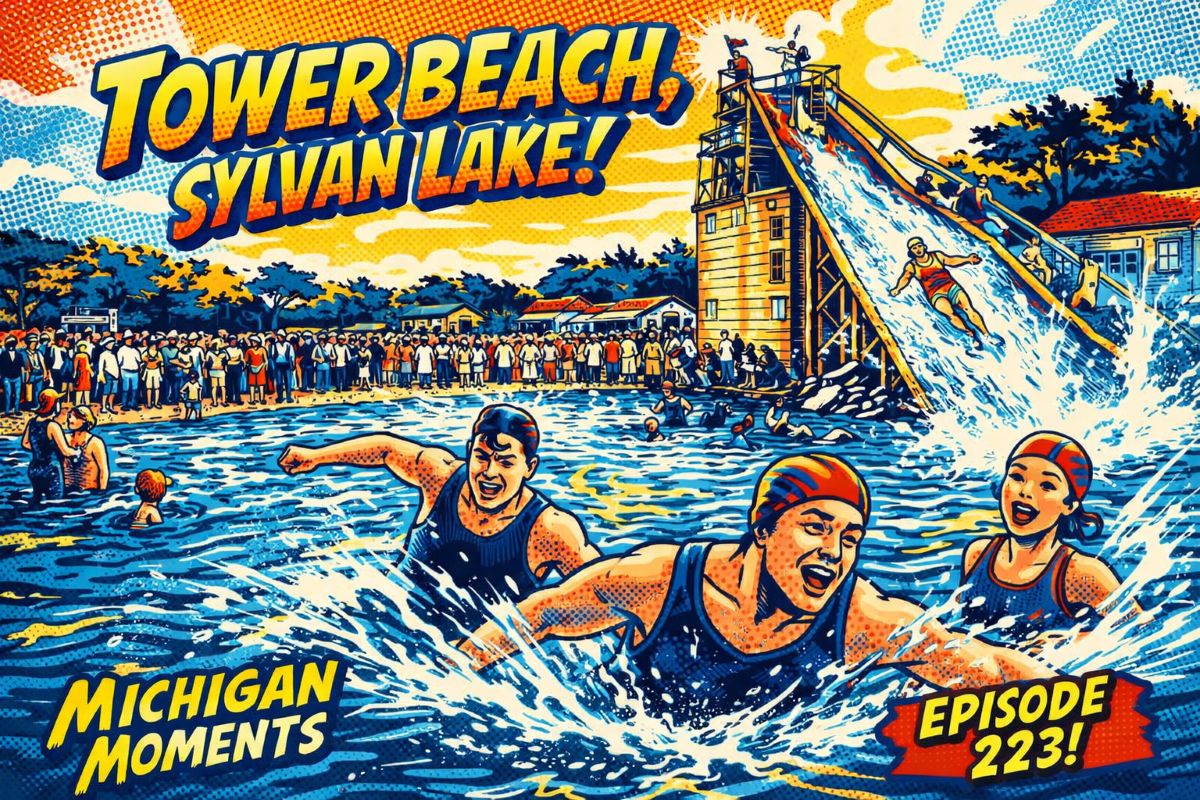
Tower Beach Amusement Park in Sylvan Lake, Michigan grew out of a simple idea: make a lakeside outing easy to reach and hard to forget. From the late 1890s through the 1920s, it became a trolley-accessible summer playground for families from Pontiac, Detroit, and nearby towns. It mixed swimming, picnics, music, concessions, and a towering slide that became its signature. By the 1930s, changing travel habits and aging infrastructure helped push the park into memory.
This tiny lakeside amusement park gives the history of Tower Beach that few people today know about.
Video – History of Tower Beach Michigan A Trolley Ride to Sylvan Lake’s Summer Playground
Before the Rides – How Sylvan Lake Became a Destination
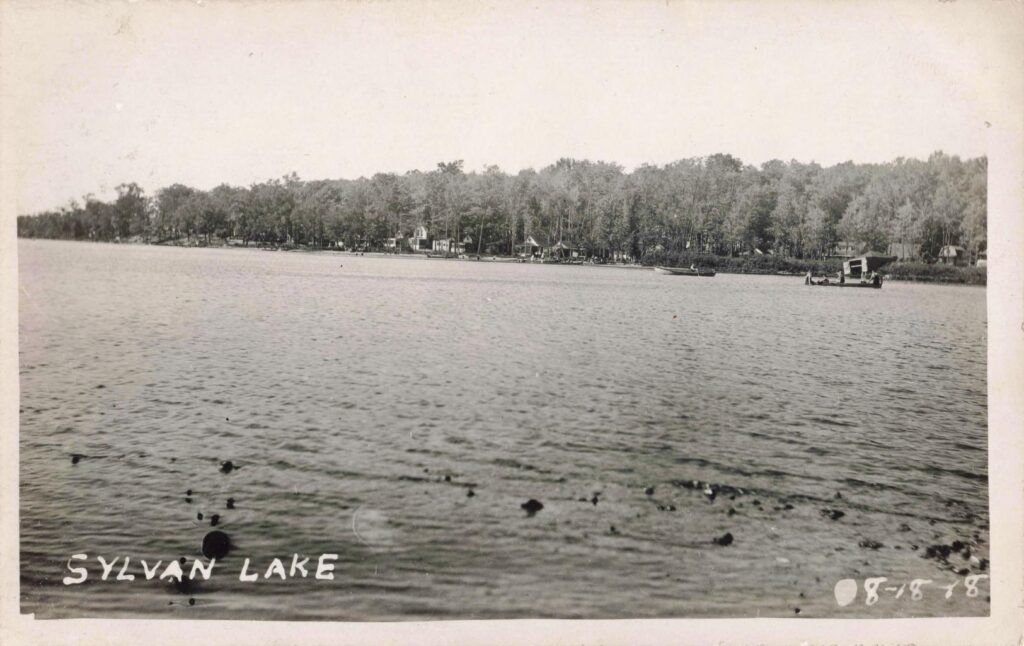
Long before Tower Beach was a formal amusement spot, Sylvan Lake was already being shaped for recreation. In the early 1890s, landowner Merrill B. Mills platted large areas around the lake for development. These plans included subdivisions, a luxury hotel, and shoreline amenities. The goal was simple: attract visitors and investment.
Transportation made that vision practical. In 1895, Mills built an electric trolley line connecting Sylvan Lake to Pontiac. This tied the lake directly into the region’s growing interurban system. What had once been rural shoreline suddenly became reachable for a day trip.
Local accounts describe an amusement area called Tower Beach and a picnic grove known as “Happy Home” in Voorheis Grove. These sites occupied the north and east shores of the lake. Families could now ride out, spend the day, and return home the same evening.
The Trolley Changed Everything
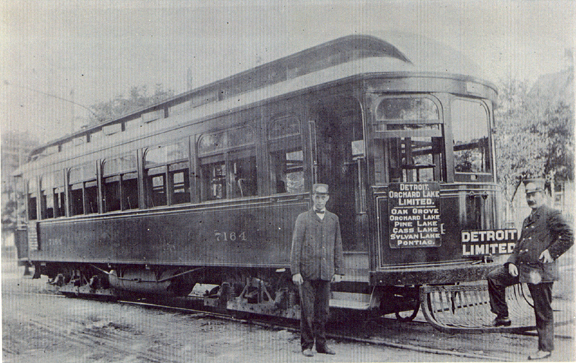
The interurban line was the engine behind Tower Beach’s rise. Local history notes that trolley service turned Sylvan Lake into a busy recreation stop. The pattern became predictable and dependable. The ride created the crowd.
One historic account describes it as fashionable to pack the family and a large picnic basket, board the trolley, and spend the entire day at the lake. Swimming, fishing, and picnicking filled the hours. The return ride home marked the end of the day.
This is an important distinction. Tower Beach was not built around cottages or long stays. It worked as a public, repeatable day-trip destination that did not require owning shoreline property.
What Tower Beach Offered During Its Peak Years
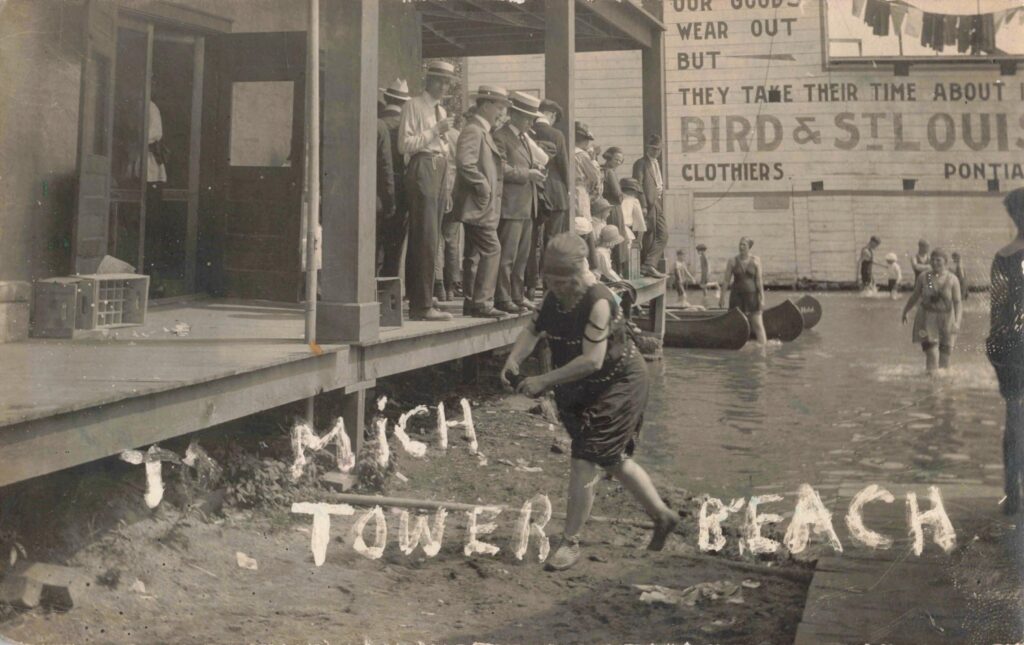
At its height in the 1910s and 1920s, Tower Beach combined natural recreation with a handful of man-made attractions. The swimming beach was the anchor. Families came to wade, cool off, and spend long hours in the water. Picnic grounds and shade trees made it easy to stay all day.
The park’s most recognizable feature was the tall wooden slide tower. Visitors hauled boards to the top and shot down into Sylvan Lake. The slide was both a thrill and a spectacle.
Tower Beach also offered practical amenities. A bath house allowed visitors to change clothes. A bandstand and open-air dance hall provided entertainment overlooking the lake. Fishing boats and small rentals rounded out the experience.
Images on this page may contain affiliate links in which we may receive a commission. See our affiliate disclosure for details.
Historic Photos of Detroit in the 50s, 60s, and 70s
Historic Photos of Detroit in the 50s, 60s, and 70s documents what a Metro Detroiter would have experienced through those decades, from the commonplace to a visit from John F. Kennedy.
A Small Economy on the Shoreline
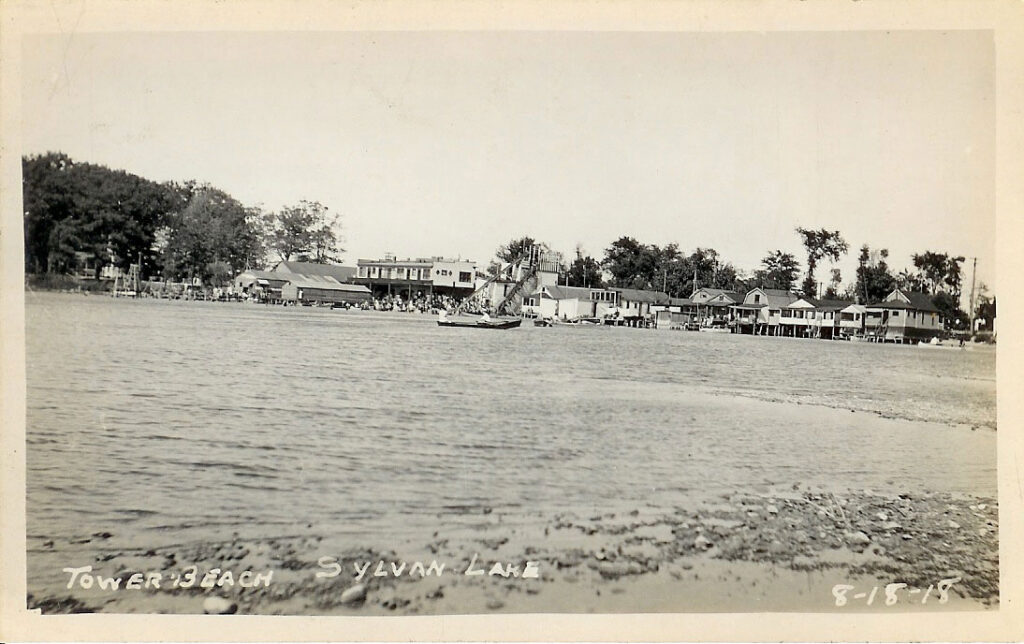
Tower Beach was not a help-yourself beach. It had rentals, concessions, and rules. Local recollections note that Roy Durfee owned concessions at the park. Visitors could rent a small cabin to change into rented swimming suits. Boats were also available for fishing.
That detail often surprises modern readers. Renting a bathing suit sounds unusual today, but it was common at the time. Wool suits were expensive, heavy, and not always owned by casual visitors.
The park also reflected early advertising culture. The large slide tower carried a painted advertisement for Bird & St. Louis Clothiers of Pontiac. The slogan promised durability, reminding visitors that even leisure spaces sold attention.
Fun or Not – The Slide Was Dangerous
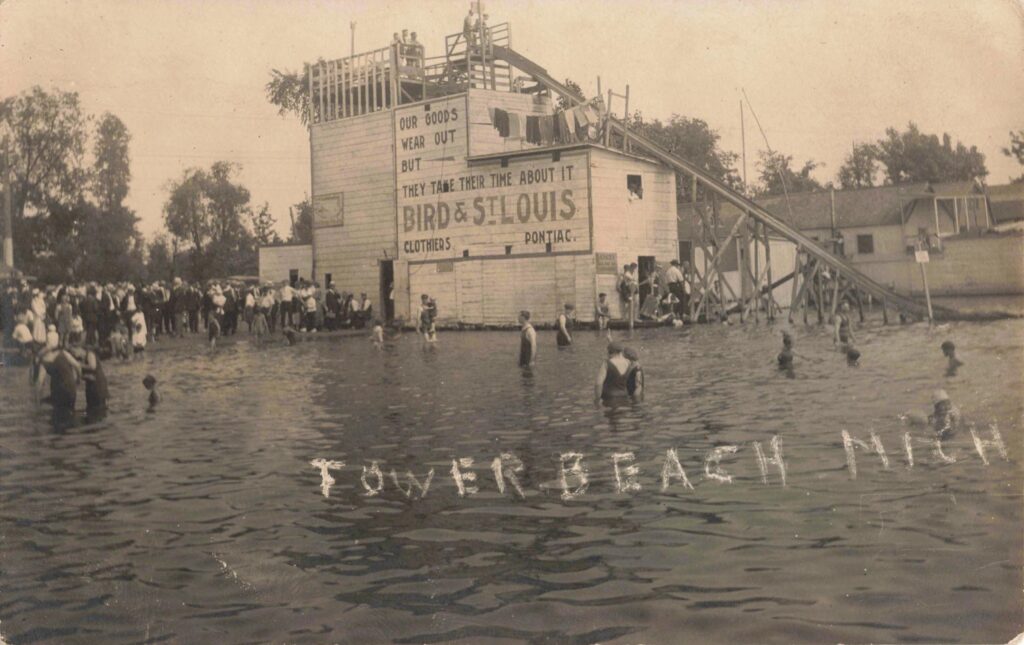
Many people imagine early 1900s recreation as safer and calmer than modern amusement parks. Tower Beach challenges that idea. Local memories say the tall slide caused numerous injuries when boards and riders collided. It was exciting, but it was not safe by today’s standards.
This matters for understanding the park’s appeal. The slide was built from wood, speed, and water. It relied on custom and common sense rather than regulation. That rough edge is part of why it remained memorable.
When a Beach Became a Civic Issue
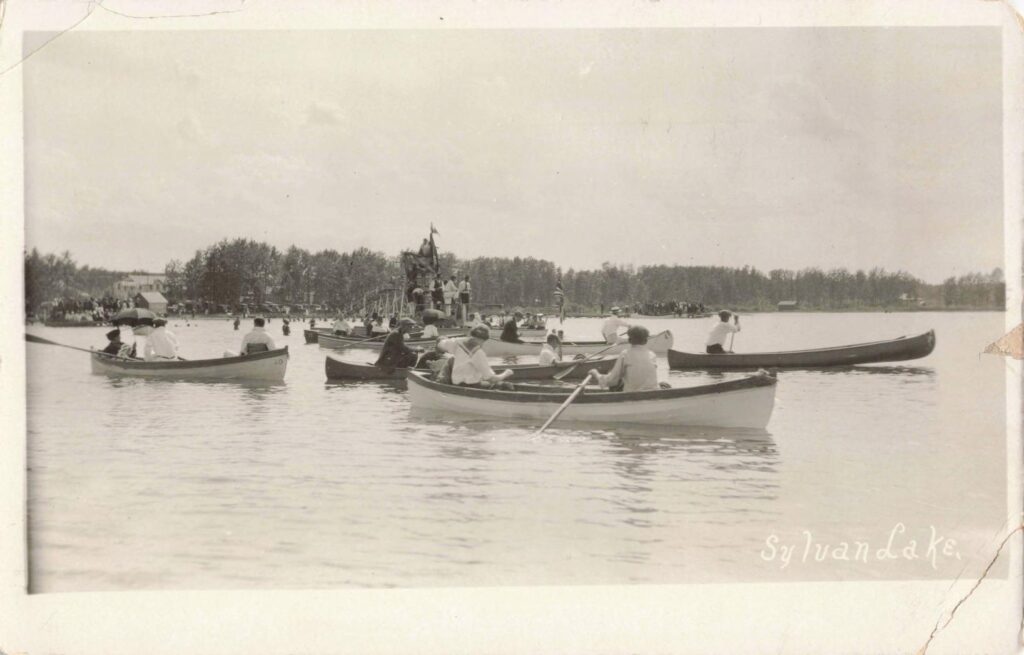
By the early 1930s, Tower Beach was important enough to appear in village records. In 1931, officials authorized contact with Michigan Eastern Railways regarding the “Tower Beach Bridge.” This suggests access and control had become real concerns.
The park also shaped Sylvan Lake’s identity. It brought in outsiders, created seasonal business, and made the lake known as a summer destination. Local government had to balance resident needs with visitor traffic.
Why Tower Beach Declined
Several forces pushed Tower Beach toward decline. Interurban trolley service faded as automobiles became more common. The Detroit United Railway system struggled financially. The same transportation network that built the park was weakening.
Infrastructure changes also played a role. Telegraph Road was constructed along the east side of Sylvan Lake in 1927. While it improved auto access, it altered traffic patterns and shoreline conditions.
The park itself was aging. Wooden structures require constant maintenance. During the Great Depression, leisure spending tightened. Over time, village priorities shifted toward utilities and civic improvements rather than private amusement parks.
What Came After Tower Beach
Tower Beach did not disappear overnight. It slowly receded as the community’s recreation model changed. By the 1940s, Sylvan Lake invested in public recreation areas, including Ferndale Beach and Park.
That shift tells a larger story. Leisure moved from trolley-driven day trips to resident-focused public spaces. Tower Beach belonged to the earlier era.
Why Tower Beach Still Matters
Tower Beach is a clear example of how transportation shapes culture. It rose because the trolley made Sylvan Lake reachable. It peaked when day trips were affordable and popular. It declined when cars and highways reshaped summer habits.
The photos capture what words alone cannot. Crowds at the water’s edge. Spectators in street clothes. A towering slide promising excitement. Tower Beach gave ordinary families a summer day they could afford — and that is why it still matters.
Select Sources for the History of Tower Beach
Greater West Bloomfield Historical Society – Merrill B. Mills & Sylvan Lake Inn (context on 1890s development and interurban railway).
Greater West Bloomfield Historical Society – Sylvan Lake & Tower Beach Archives (Oakland County Book of History excerpt and MotorCities markers)
City of Sylvan Lake – Historical “Memories” and Council Records (firsthand recollections by residents like Daisy Worley, and 2023 City Council minutes citing Tower Beach history)
Oakland County Boat Club Centennial Program (1960) – reminiscences of Sylvan Lake’s early days