Perfectly Prepared Walleye – 5 Easy Steps & Tips
Preparing perfectly cooked walleye for a Michigan summer meal easy and delicious. Here are step by step technique to impress your guests.

News History & Fun in Michigan
Preparing perfectly cooked walleye for a Michigan summer meal easy and delicious. Here are step by step technique to impress your guests.
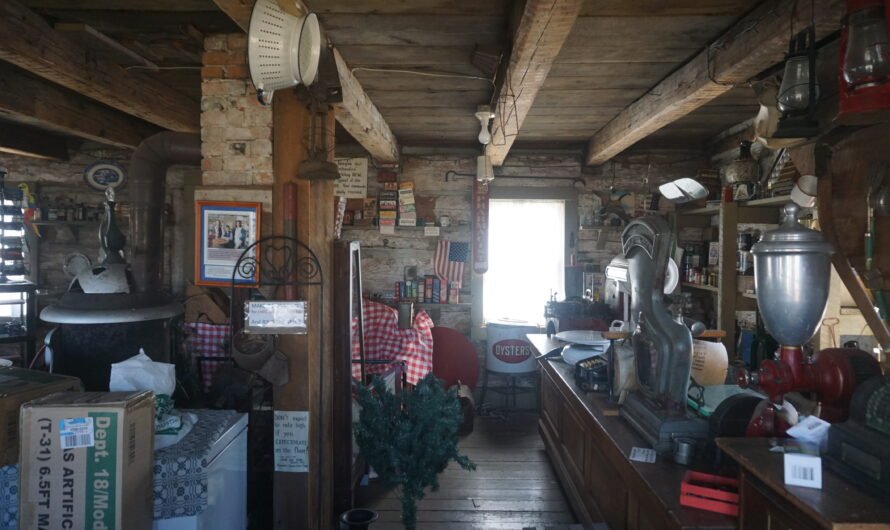
A task for all early pioneers in Michigan was to make a log cabin. The Bad Axe Historical Society is the curator of the largest collection of authentically restored pioneer log buildings in the state.
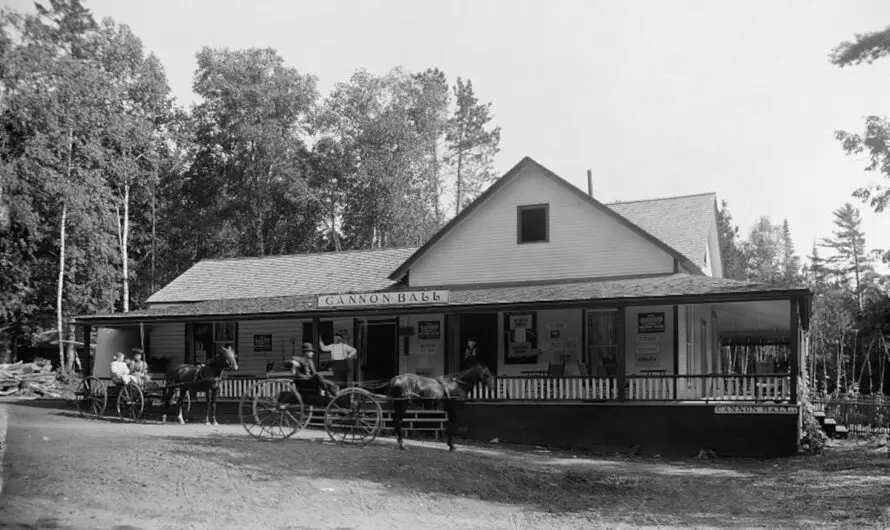
General stores in Michigan were integral to developing small towns across the state during the late 1800s. Plus, their front facades were so interesting. We look at several in this photo essay.
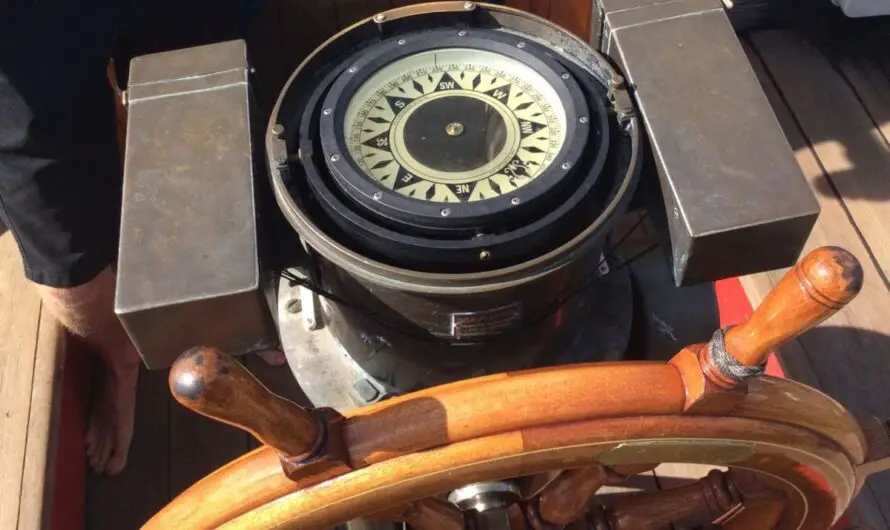
The times of greatest shipbuilding in the Great Lakes region was during the lumbering era. From 1839 until the early 1890s, the virgin old-growth Michigan forests were cut down to produce lumber for growing towns and cities in the lower Great Lakes. Michigan was the nation’s leading lumber producer from 1869 until about 1900. The only way to transport finished milled lumber from the shore side mills in the Great Lakes was by ship.
Here are events and activities going on in the #UpperThumb during Memorial Weekend.
An obscure story in the Detroit Free Press in 1900 offers a fantastic tale of a prehistoric race, long assumed to be from Central America, who took refuge in Michigan’s Thumb when the region was still an island.
Ten tales of historical tales from Michigan Indian Tribes that were never taught in school. Several were from Andrew Blackbird’s 1887 book.
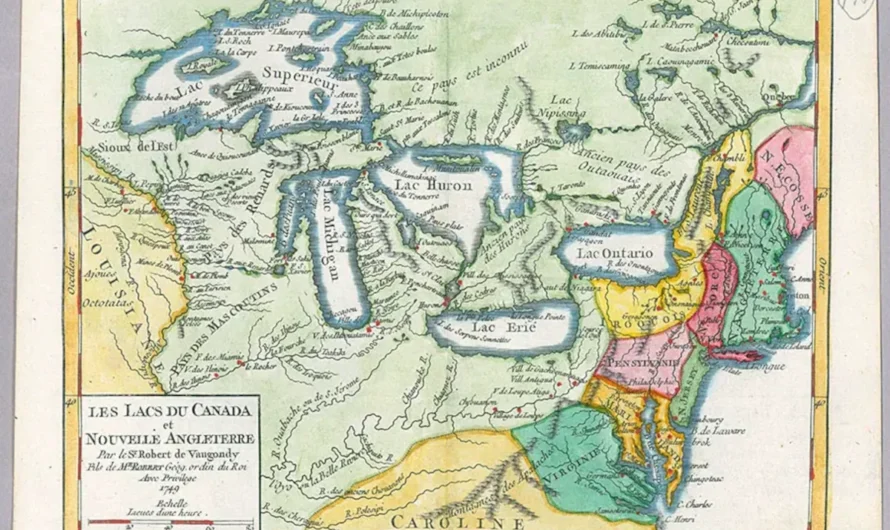
The Great Lakes region of North America was home to numerous Native American settlements before European explorers and settlers arrived. These settlements were established by various indigenous tribes and served as centers of trade, culture, and community life.
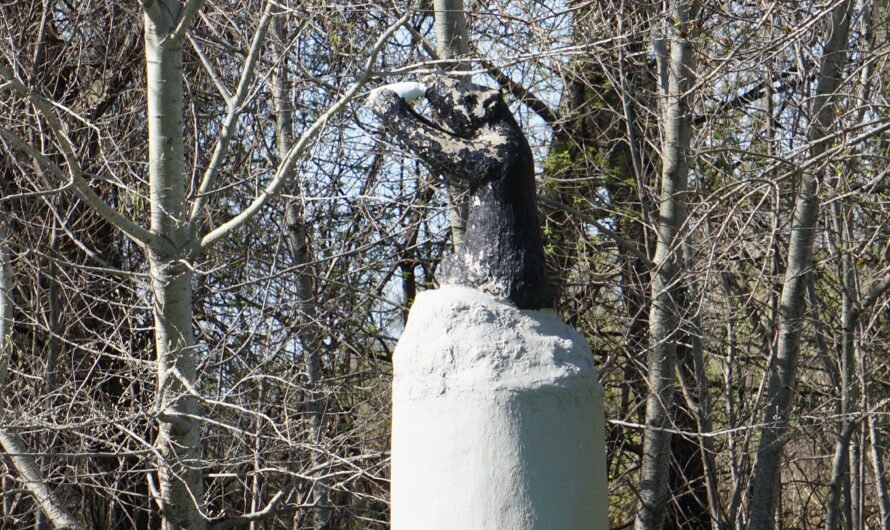
In the 1900s Michigan was known for its roadside attractions to draw tourists to stop. An early attraction in the Thumb region was Jenny, the Beer Drinking Bear in Quanicassee.
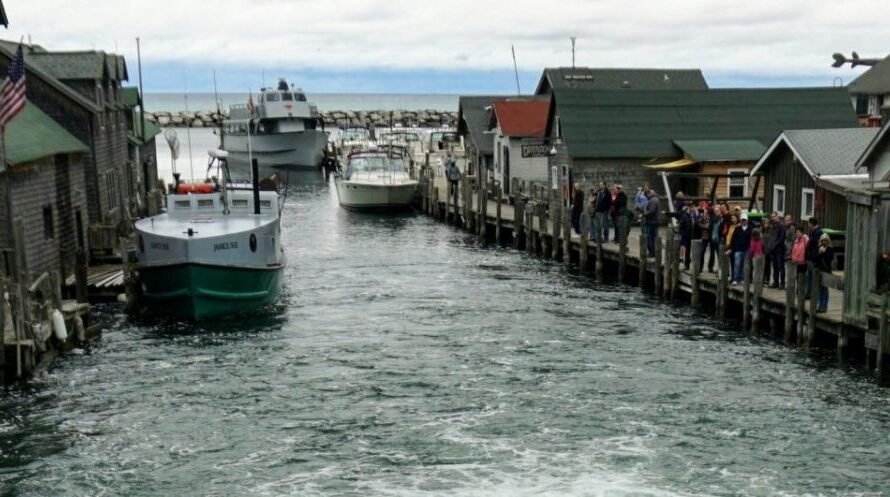
At the end of the Leland River just before it feeds into Lake Michigan, is Leland Michigan’s picturesque Fishtown – one of the last working fishing districts on Lake Michigan.