


BSA Clinton Valley Council Merger Closed Three Historical Camps

Clinton Valley Council Merger Results in Several Boy Scout Camps Closing
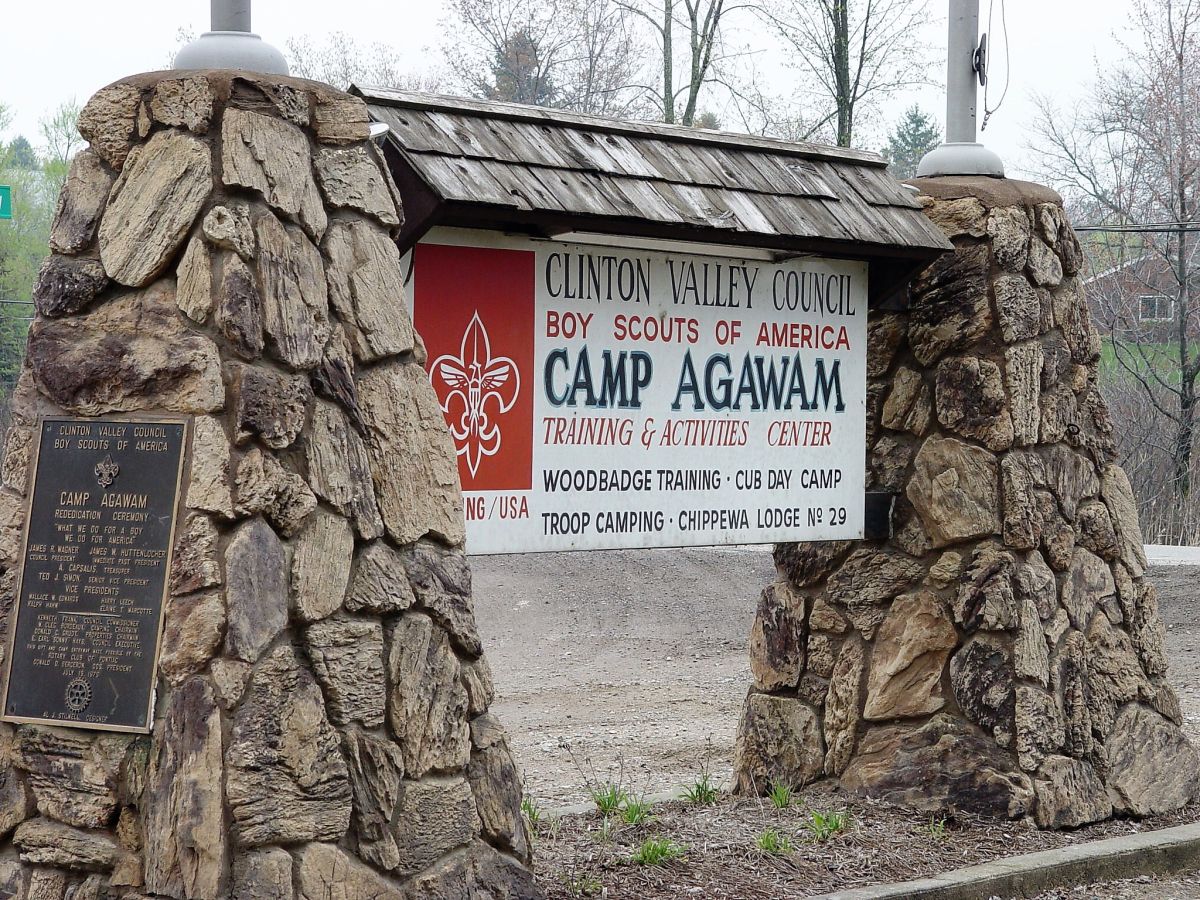
According to the Boy Scout Clinton Valley Council website, three camps that were predominant in the Pontiac area ceased operations starting in 2013. Camp Agawam near Pontiac, Michigan, Lost Lake Scout Reservation near Clair, Michigan, and Paul Bunyan Scout Camp. The announcement falls on the heels of the consolidation of the Detroit Area and Clinton Valley Councils starting in 2012. Camp Agawam was one of the oldest continuously running Boy Scout camps in the United States, in operation since 1918.
Ed Note: The Township of Orion has purchased the camp and created a park. While there have been many improvements, the old camp buildings can still be seen. Today, the camp is used for events and large group programs.
Chief Pontiac Trail System Impacted
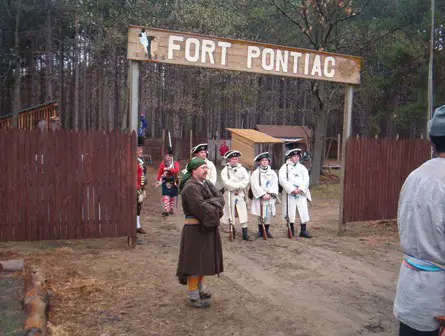
The closure of Camp Agawam represents a significant loss for the Chief Pontiac Trail system, which has invested heavily in the camp. The Chief Pontiac Trail fort is an interpretive center that offers historical educational opportunities year-round. The extensive Southeast Michigan trail system has been in operation since 1958. It’s unclear if the trail system will remain headquartered in one of the oldest Scout camps in the United States.
About the Michigan Crossroads Council

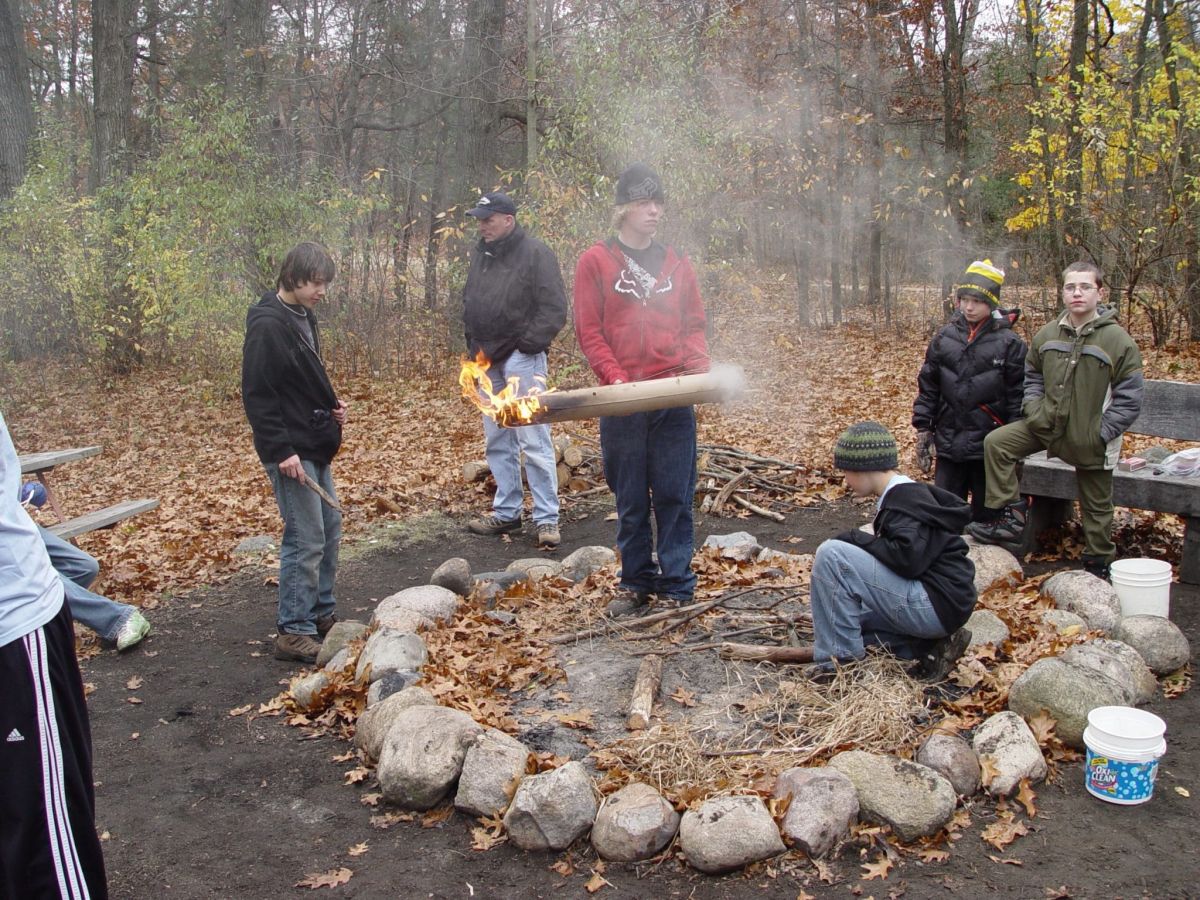
The Clinton Valley Council has merged into a new council system covering the entire lower peninsula of Michigan. It serves over 61,000 Michigan Boy Scouts and youth and has nine high adventure and local camps for the establishment of scouting skills. Over 19,000 Scouts attended summer camp in 2018. The council reports having over 21,000 adult volunteers in 2018. Over 2,700 girls have joined the Scouting program in 2018 as Cub Scouts.
Related Hiking Trail Reading
Michigan’s St. Joseph Indian Trail – The St. Joseph Trail was an ancient major native American route that traversed the southern portion of Michigan—originating near the mouth of the St. Joseph river, it continued eastward terminating near Ann Arbor and connecting with the other major trail systems along the Straights of Detroit. Podcast available.
The Saginaw Trail – Of all the named Indian trails in Michigan, the Saginaw Trail is the oldest and indeed the most traveled in the trail system. Originating from the Straits of Detroit, this Sauk trail heads north-west through Pontiac, Flint, and supposedly terminating in Saginaw.
Michigan Indian Trails – For thousands of years, Native Americans crisscrossed Michigan on a system of trails that were in tune with the land and so perfectly placed that the routes are still in use today by our highways and state roads. The Michigan Indian Trails were part of the Great Trail network, a trade route that extended hundreds of miles to the eastern seaboard.
Shore Indian Trail – Hull’s Trace – The Shore Indian trail was one of the five major routes of land travel leading out of Detroit. It was one of the best known to the early settlers. The trail begins from the rapids of the Maumee River to Toledo, then closely along the shore through Monroe and Brownstown to Detroit.

