Tag: Water

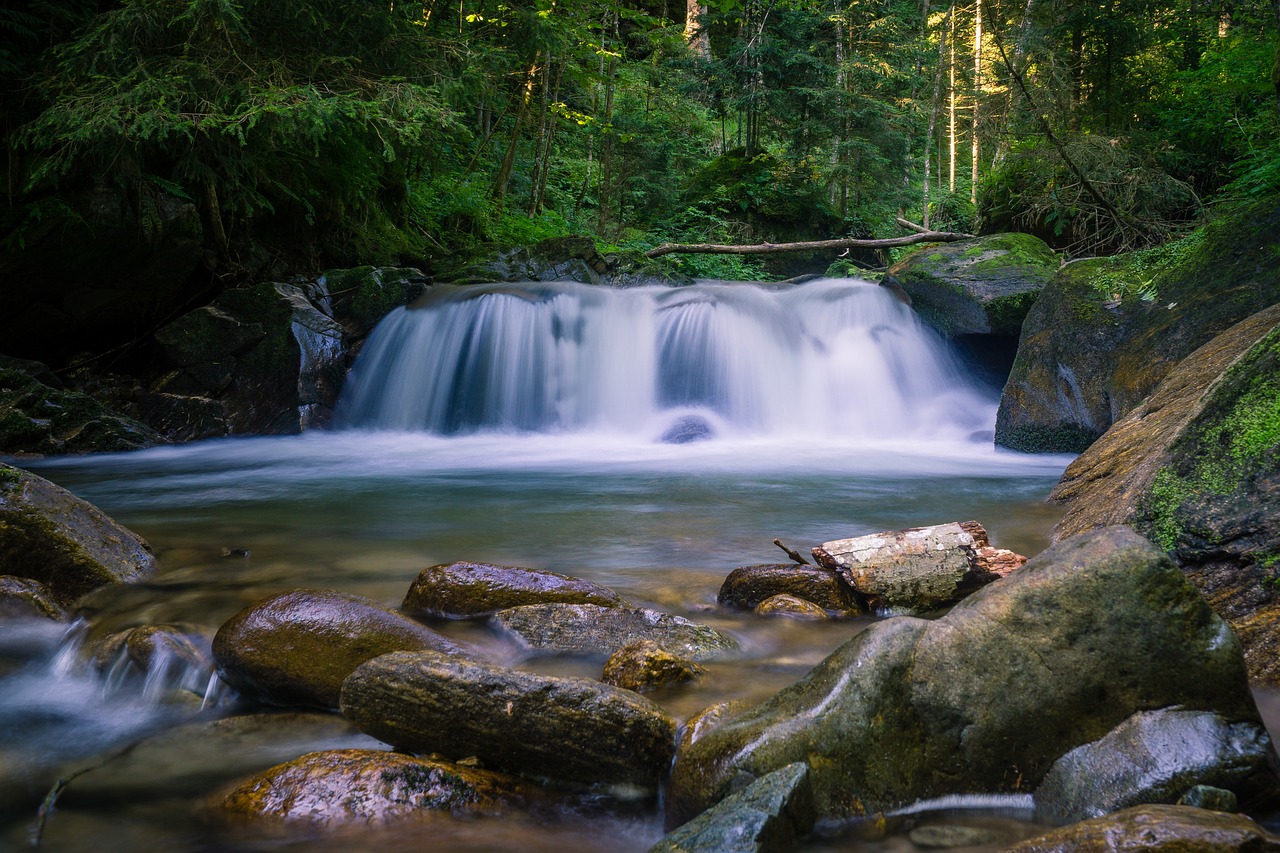
Water is essential for all forms of life, covering over 70% of the Earth’s surface in oceans, rivers, lakes, and glaciers. It plays a crucial role in ecosystems, weather patterns, and the global climate. Water is vital for agriculture, industry, and daily human needs like drinking, cooking, and sanitation.

Freshwater, although a small fraction of the Earth’s total water, supports human and terrestrial life. Access to clean water is a global priority, as pollution and scarcity threaten communities worldwide. Beyond its practical uses, water also inspires recreation, from swimming to boating, and holds cultural and spiritual significance in many societies.

business water rates

3 Simple Causes For High Business Water Rates In Michigan

This article discusses some potential reasons for high water costs for businesses in Michigan. It identifies leaky water appliances, inefficient appliances, and broken water softeners as possible culprits for driving up water bills. The article provides practical tips for businesses to identify and fix leaks in various water appliances, such as toilets, faucets, showerheads, and outdoor irrigation systems. It also recommends using energy-efficient and environmentally friendly water appliances with the Energy Star and WaterSense labels to lower utility costs and conserve water resources. Additionally, the article highlights the importance of checking the performance of water softeners to avoid wasting water and driving up water rates. Finally, it suggests seeking help from professional plumbers to inspect and fix faulty water appliances if businesses cannot address the issues on their own.

Continue reading

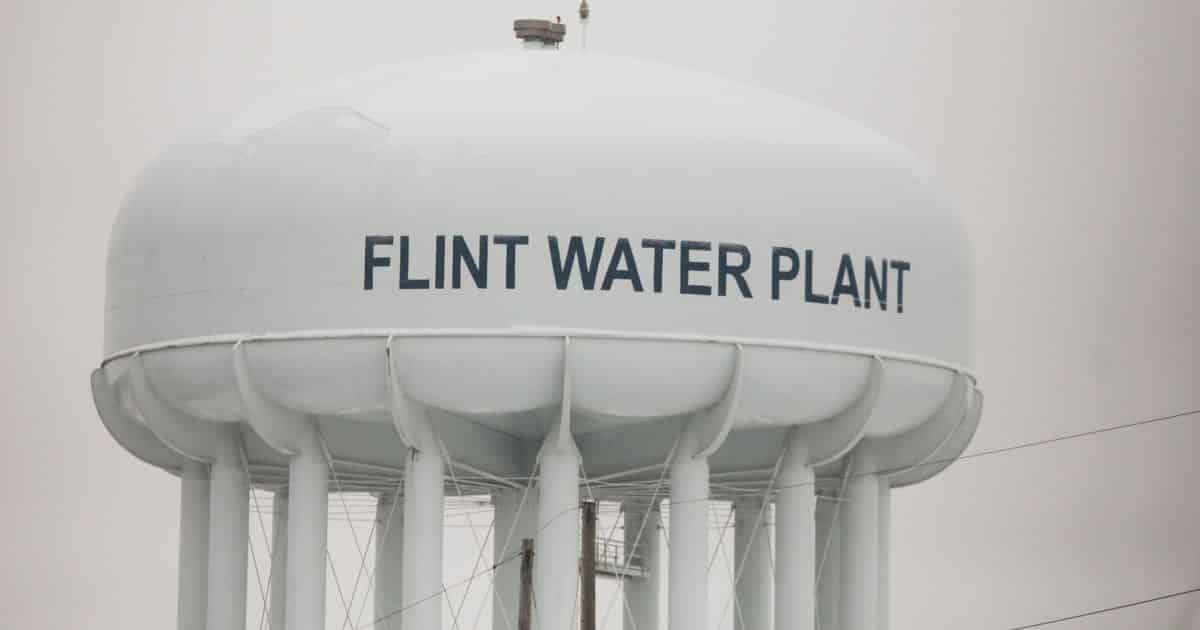
36 Months of The Flint Michigan Water Crisis Timeline

As a result of the corrosive nature of the Flint River water and mismanagement by all of the appointed emergency managers, the Flint city government and by Michigan’s Department of Environmental Quality an unknown number of children in Flint, Michigan (estimates are in the 1000’s), were exposed to dangerous amounts of lead in their drinking water over a period of 18 months.

Continue reading
Exit mobile version