


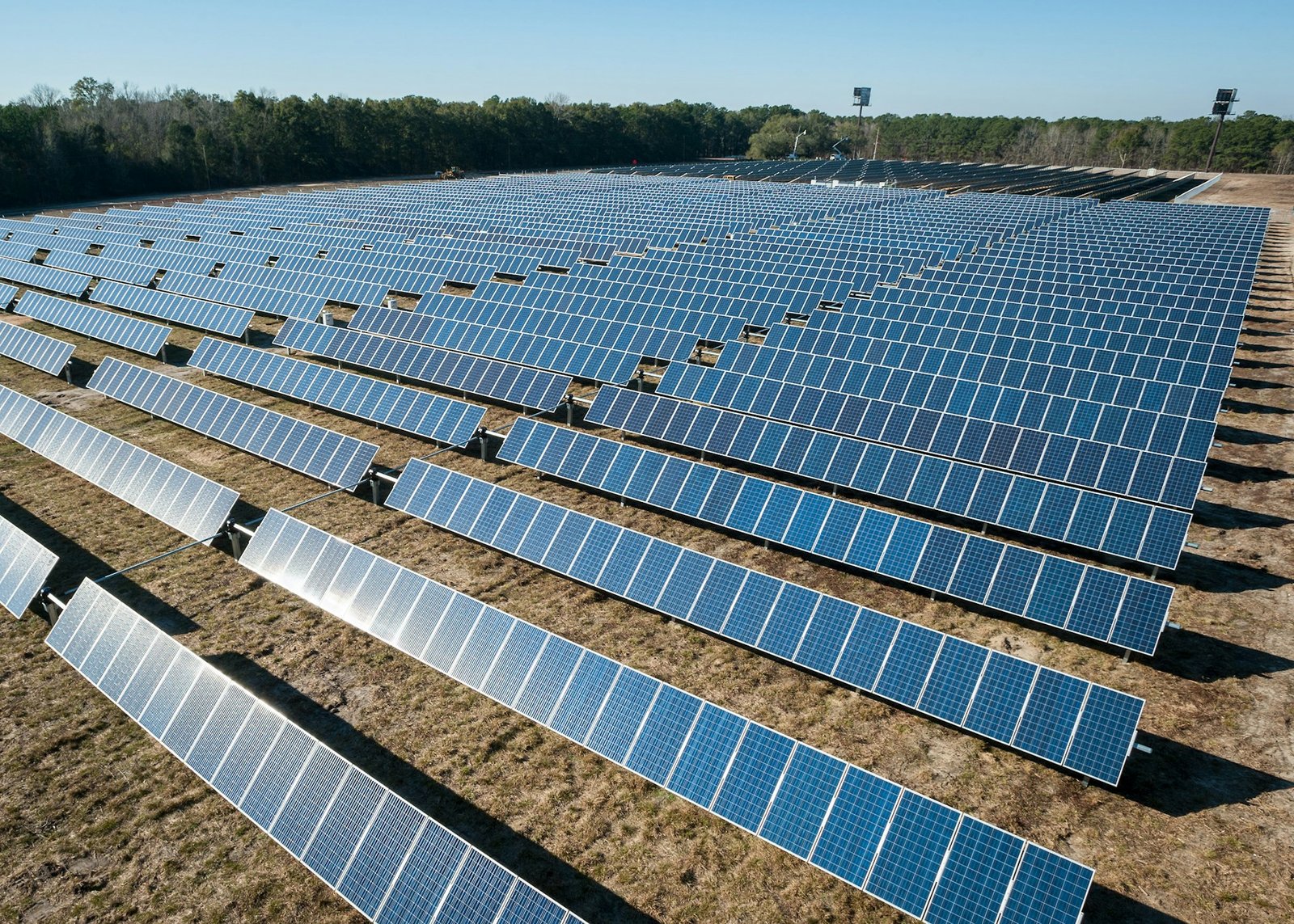
Michigan Approves 185-Megawatt Sanilac County Solar Project Amid Growing Thumb Opposition
DTE Energy’s Peatville Solar project advances as Michigan’s Thumb debates farmland preservation, renewable energy development and industrial data centers.
SANILAC COUNTY, Mich. — Michigan regulators have approved key agreements for a proposed 185-megawatt Sanilac County solar project, advancing another major renewable energy development as opposition to industrial projects grows across Michigan‘s Thumb.
The Michigan Public Service Commission approved module supply and master service agreements Oct. 15 for DTE Electric’s Peatville Solar Project. Regulators estimate the project will produce electricity at a levelized cost of $76 per megawatt-hour.
The approval is part of a larger decision involving 360 megawatts of solar capacity across Michigan. It does not mean construction has started or that the commission has secured every required permit.
Peatville Solar Moves Forward

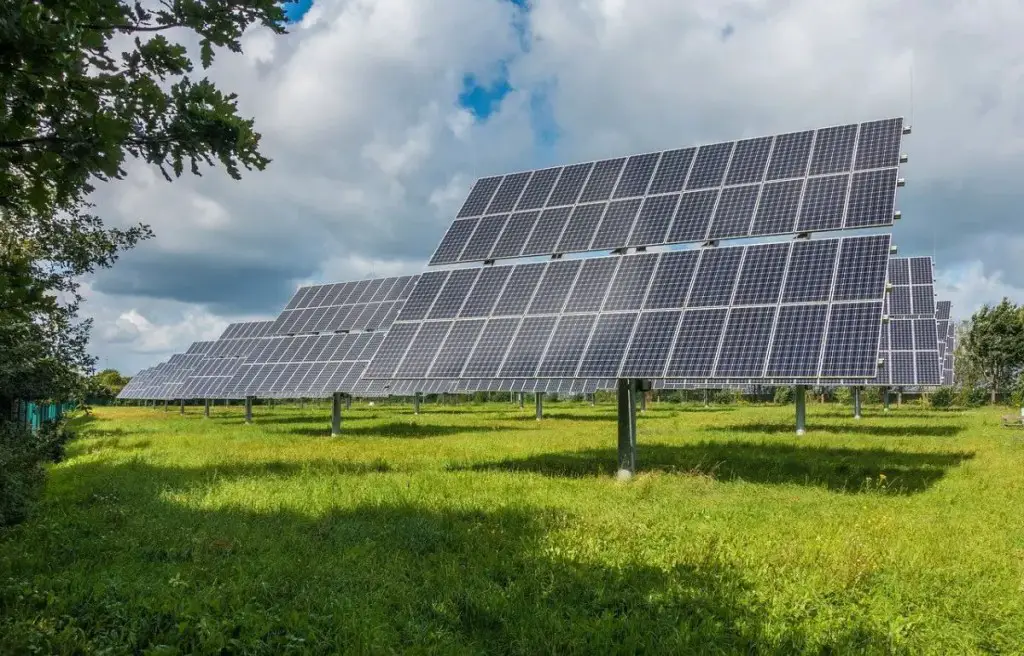
Peatville is one of three solar projects included in the commission’s decision.
The others are the 50-megawatt Keystone Solar Project in Iosco County and the Blazing Star Solar Project in Allegan County. The projects support DTE’s long-term energy plan, which calls for adding renewable generation as Michigan moves toward its clean energy goals.
Supporters say solar development provides lease payments to farmers, construction jobs, and additional local tax revenue. They also argue that renewable electricity can reduce dependence on fossil fuels. Opponents question the loss of productive farmland, the effect on neighboring property owners and whether rural communities have enough authority over project locations.
Huron County Faces Solar Controversy
Across the county line, Huron County has become a center of opposition to large solar developments.
In September, the Huron County Planning Commission approved a special-use permit for Ranger Power’s proposed 150-megawatt Pinesap Solar project in Rubicon Township by a 5-2 vote. The development would occupy approximately 1,600 acres of participating property. Residents challenged aspects of the application, including glare studies, sound testing, financial assurances and compliance with county requirements.
County officials disputed several objections. The allegations have not been established as violations of the ordinance.
On Oct. 7, county planners voted to reduce a proposed countywide solar acreage cap from 9,000 acres to 5,000 acres. The proposed change remains under legal review and has not become law.
Huron County also has a temporary moratorium on new utility-scale solar and battery storage permits through Dec. 29.
Data Centers Face Similar Resistance
Solar farms are not the only industrial projects facing opposition.
In May, Huron County commissioners approved a 36-month moratorium on land-use permits for data centers and similar facilities. Residents raised concerns about electricity consumption, water supplies, farmland preservation and the long-term effects of large industrial facilities.
Lake Township approved a separate six-month data center moratorium in July while officials considered permanent zoning regulations.
Data centers house computer servers that support artificial intelligence, cloud computing, and other digital services. Large facilities can require substantial electrical infrastructure and cooling capacity. Unlike solar farms, which generate electricity, data centers consume power around the clock. Both types of development can create construction jobs and tax revenue, but they differ in long-term land use and infrastructure needs.
No verified evidence shows that Peatville Solar is being developed specifically to supply a proposed Thumb-area data center.
State Authority Versus Local Control
Michigan’s Public Act 233 of 2023 allows certain large renewable energy projects to seek state approval under specified conditions.
Supporters say the law helps Michigan meet electricity needs and prevents local restrictions from blocking major investments. Critics argue it weakens township and county control over land-use decisions.
Sanilac County has faced similar disputes involving wind energy development, including the proposed 300-megawatt Riverbend Wind project. Together, these controversies have placed local zoning authority at the center of Michigan’s energy debate.
What’s Next for Peatville Solar?
The commission’s approval advances Peatville Solar, but questions remain about its construction schedule, precise acreage, local tax benefits and additional permits.
Those details will help determine the project’s effects on Sanilac County residents. Meanwhile, Huron County continues reviewing its solar ordinance and restrictions on data centers. For Michigan’s Thumb, the debate extends beyond the need for additional electricity.
The larger question is who decides where major energy facilities belong, how farmland should be protected and whether local communities receive lasting benefits from industrial development.
Sources and further reading
- Michigan Public Service Commission — Oct. 15 approvals, including Peatville Solar
- MPSC Case U-21193 — DTE project filings and orders
- Huron Daily Tribune — County planners reduce proposed solar acreage cap
- Huron Daily Tribune — Residents challenge Pinesap application
- Huron Daily Tribune — Huron County approves data center moratorium
- Huron Daily Tribune — Lake Township considers data center restrictions
- Michigan Public Service Commission — Renewable energy siting rules

