


Michigan State Campgrounds: A Guide to DNR Systems and Regional Favorites
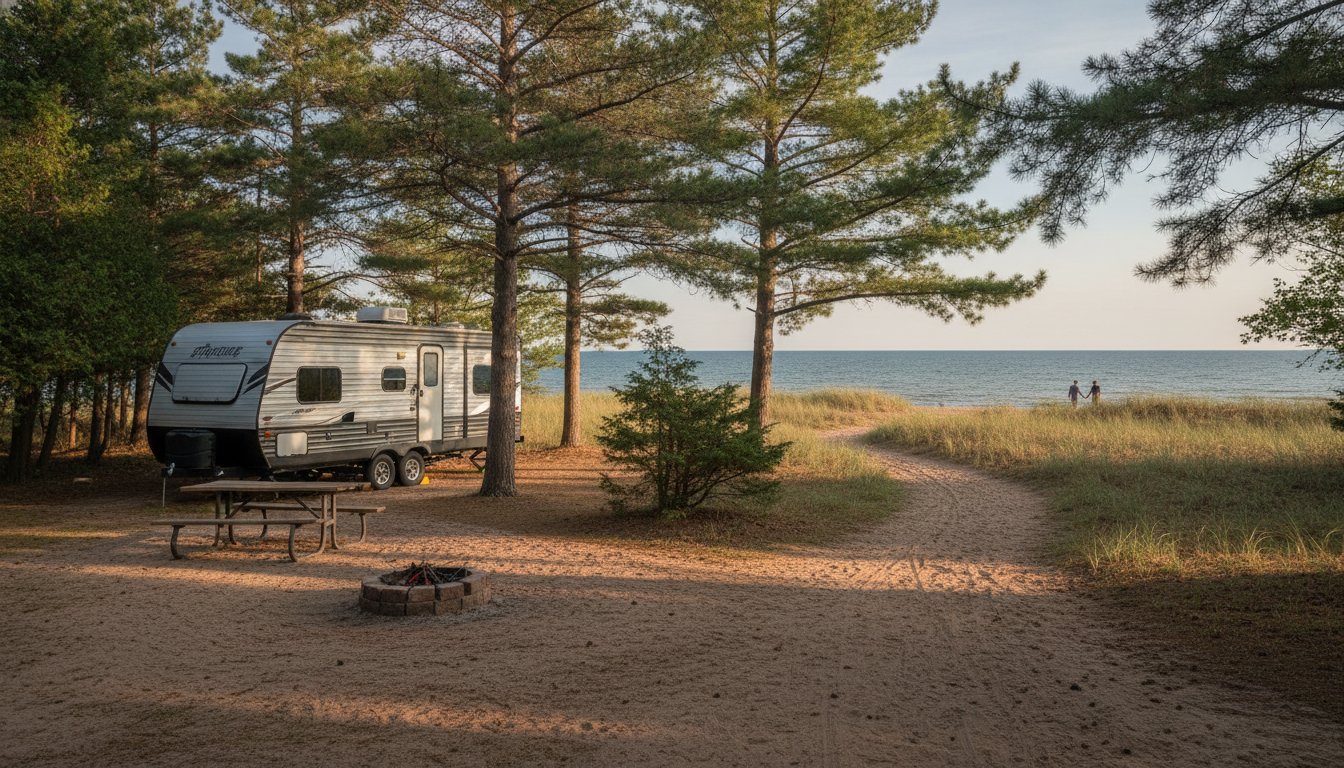
If you wait until the snow melts to book your summer stay at Michigan state campgrounds, you’ve already lost the best sites to planners who started their search in January. The Department of Natural Resources (DNR) reservation system operates on a strict six-month window that often leaves spontaneous travelers on the outside looking in. It’s a competitive environment where a few minutes can mean the difference between a lakefront view in Huron County’s Port Crescent and a crowded lot hours away from the water.
Most campers share the frustration of dealing with a reservation process that feels rigged toward those with the fastest internet connections. You want a site that offers enough shade for a tent or the right hookups for an RV without the constant noise of a high-density loop. Understanding the distinction between a modern state park and a rustic state forest campground is the first step toward a more predictable trip.
This guide explains how to secure a site for the 2026 season and clarifies the current Recreation Passport requirements for residents and visitors. We will compare the amenities of different DNR systems and provide specific regional recommendations, from the dense forests of the U.P. to the historical shorelines of the Thumb.
Key Takeaways
- The Michigan Department of Natural Resources manages 103 state parks and more than 130 state forest campgrounds, offering a choice between high-amenity sites and rugged, remote locations.
- Modern state parks provide electrical hookups and restrooms, while state forest campgrounds offer a rustic experience with more privacy and lower nightly rates.
- You must navigate a strict six-month rolling window to secure reservations at popular Michigan state campgrounds, especially for holiday weekends and peak summer dates.
- Every vehicle entering a state-managed park or forest area requires a Recreation Passport, which is typically purchased during annual license plate renewals.
- Explore the Thumb region for a quieter camping experience that features lakefront sites and local history without the heavy crowds found on the Lake Michigan side of the state.
Understanding the Michigan State Campground System
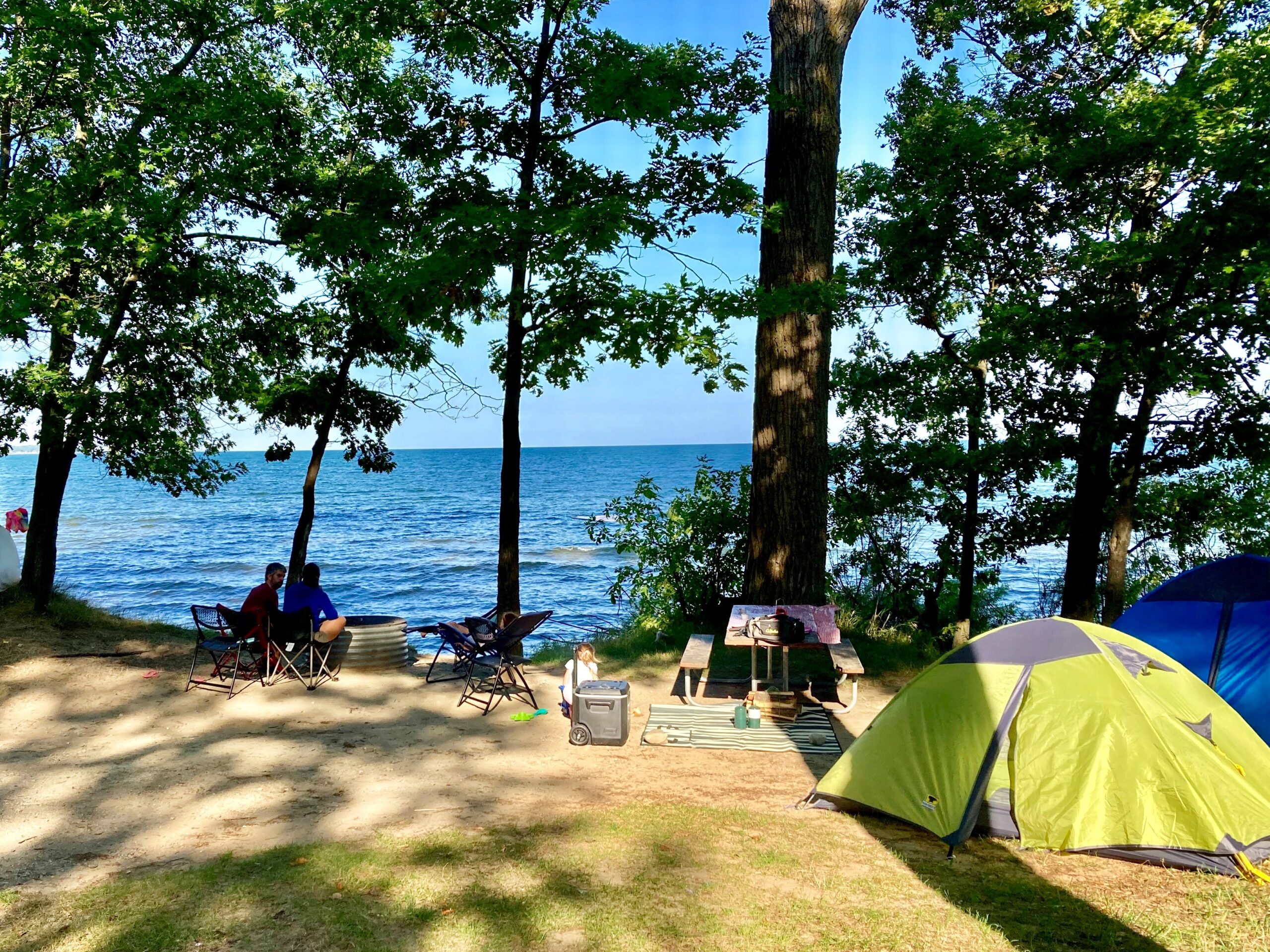

Michigan’s public land system is one of the largest in the nation, stretching from the temperate southern border to the rocky coasts of Lake Superior. The Michigan Department of Natural Resources (DNR) oversees this network, which includes 103 state parks and more than 130 state forest campgrounds. These properties serve different purposes, ranging from high-traffic tourist destinations with paved pads to isolated clearings where the only sounds are the wind and nearby water.
Campers generally choose between two distinct categories: modern and rustic. Modern sites at Michigan state campgrounds typically offer electrical hookups, paved or level gravel pads, and access to modern "beach house" style restrooms with hot showers. Rustic sites are more basic, providing a fire ring, a picnic table, and access to a vault toilet and hand pump for water. These rustic locations are often found within the state forest system, where the focus remains on a quiet, low-impact experience.
The Role of the Michigan DNR
The DNR functions as both a landlord and a steward. It maintains the infrastructure of the parks while protecting the natural resources that make these places desirable. This dual mission began in earnest during the early 1900s as the state recognized that unregulated logging and industrialization were erasing the public’s access to the outdoors. The current system relies heavily on the Recreation Passport, a funding model that ensures those who use the parks are the ones paying for their upkeep.
Geographic Diversity of Michigan Camping
Geography dictates the camping experience across the state. In the Lower Peninsula, parks like Albert E. Sleeper State Park in Huron County focus on the sandy transition from forest to Great Lakes shoreline. These areas are often modern and serve as hubs for local tourism. The Thumb region, in particular, offers a mix of established parks and native American Indian trails that provide a historical backdrop to the natural scenery.
As you move north into the Upper Peninsula, the terrain becomes more rugged, and the campgrounds often lean toward the rustic category. Travelers should account for significant temperature swings in these northern reaches; a July night in the U.P. can feel like late autumn compared to the humid evenings of southern Michigan. Preparation for these trips requires more than just a tent; it requires an understanding of how local weather patterns and lake effects influence each specific region.
State Parks vs. State Forest Campgrounds: Choosing Your Experience
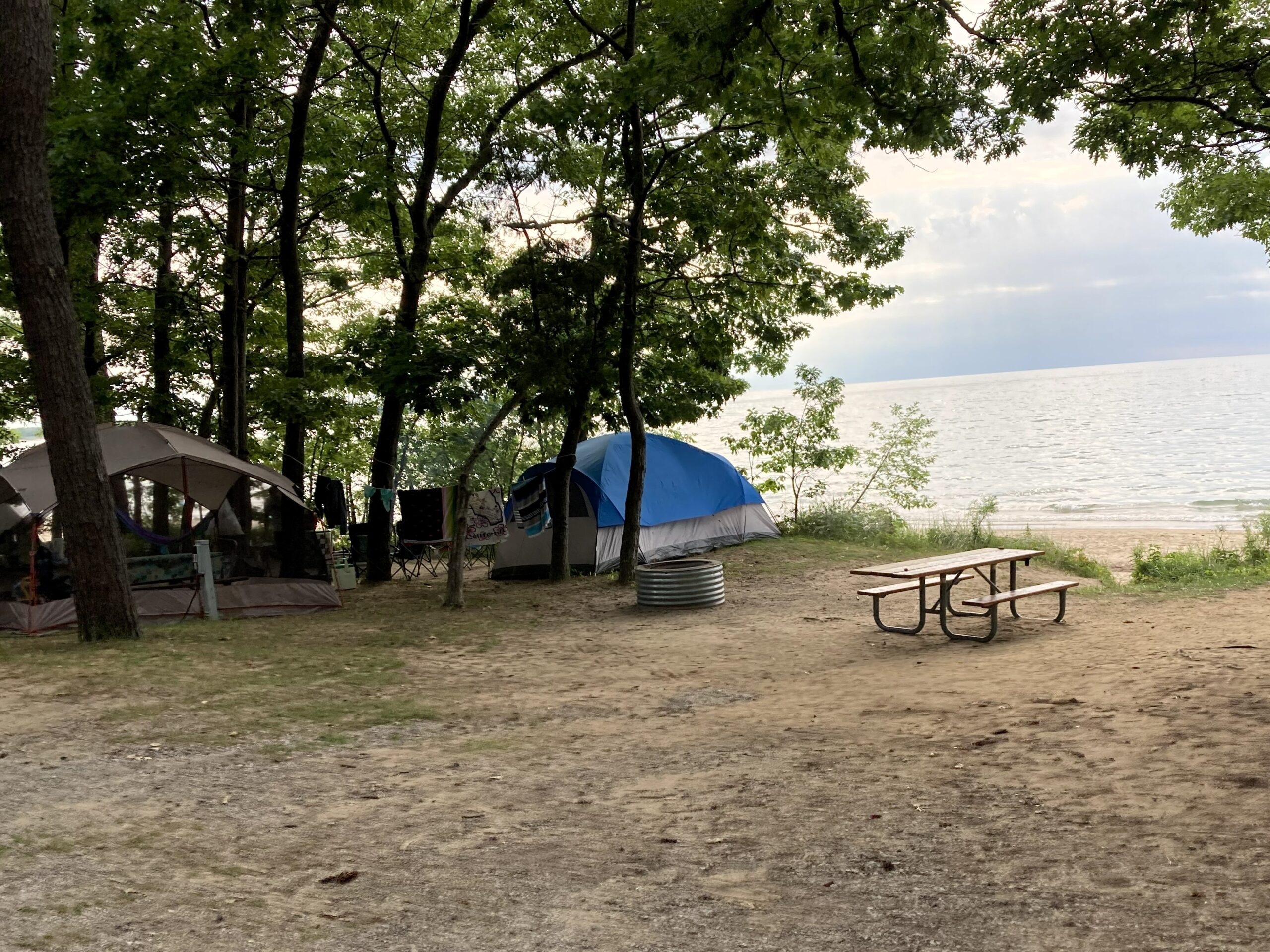
Choosing between the two main types of Michigan state campgrounds depends on whether you value a hot shower or a silent forest. State parks function like small, temporary cities during the summer months, offering a high level of social interaction and infrastructure. State forest campgrounds, by contrast, act as quiet outposts for those willing to do without modern conveniences in exchange for a deeper connection to the woods.
The trade-off is simple: modern state parks offer comfort, while state forest sites offer privacy. In a state park, sites are often arranged in loops where you are never more than a few yards from your neighbor. State forest sites are typically larger and more screened by natural vegetation, though they lack the staff and security presence found at the larger parks. Nightly rates for forest sites are lower, reflecting the lack of utilities and on-site staff.
State Parks: Amenities and Accessibility
Modern sites are designed for convenience and heavy equipment. They feature 20, 30, or 50-amp electrical service and level gravel or paved pads. This infrastructure makes them the standard choice for RV owners who need to power air conditioners or medical equipment. You’ll also find "Semi-Modern" sites in some locations, which might offer electricity but lack the pressurized water systems or modern restroom buildings found in the fully modern loops.
Families often gravitate toward state parks because of the additional programming. Most large parks include playgrounds, designated swimming beaches, and interpretive programs that explain the local ecosystem. If you prefer a community atmosphere where kids can ride bikes on paved paths, and neighbors gather around communal fire pits, the state park system is your best bet.
State Forest Campgrounds: Rustic and Secluded
If you want to escape the hum of air conditioners and the glow of streetlights, look toward the state forest system. These sites are strictly rustic. You won’t find electrical outlets, paved pads, or flush toilets here. Instead, you’ll use vault toilets and hand-cranked pumps for water. These campgrounds are almost exclusively first-come, first-served, which adds a layer of risk to your travel plans during peak weekends.
The reward for this simplicity is often a site located directly on a riverbank or tucked away near native American Indian trails and deep-woods hiking paths. Your gear must match the destination; while a simple extension cord works at a state park, forest camping requires high-capacity batteries or solar panels if you intend to stay for more than a night or two. For more stories on the people and places that shaped these regions, you can subscribe to Michigan Moments for weekly updates.

Navigating DNR Reservations and Park Requirements
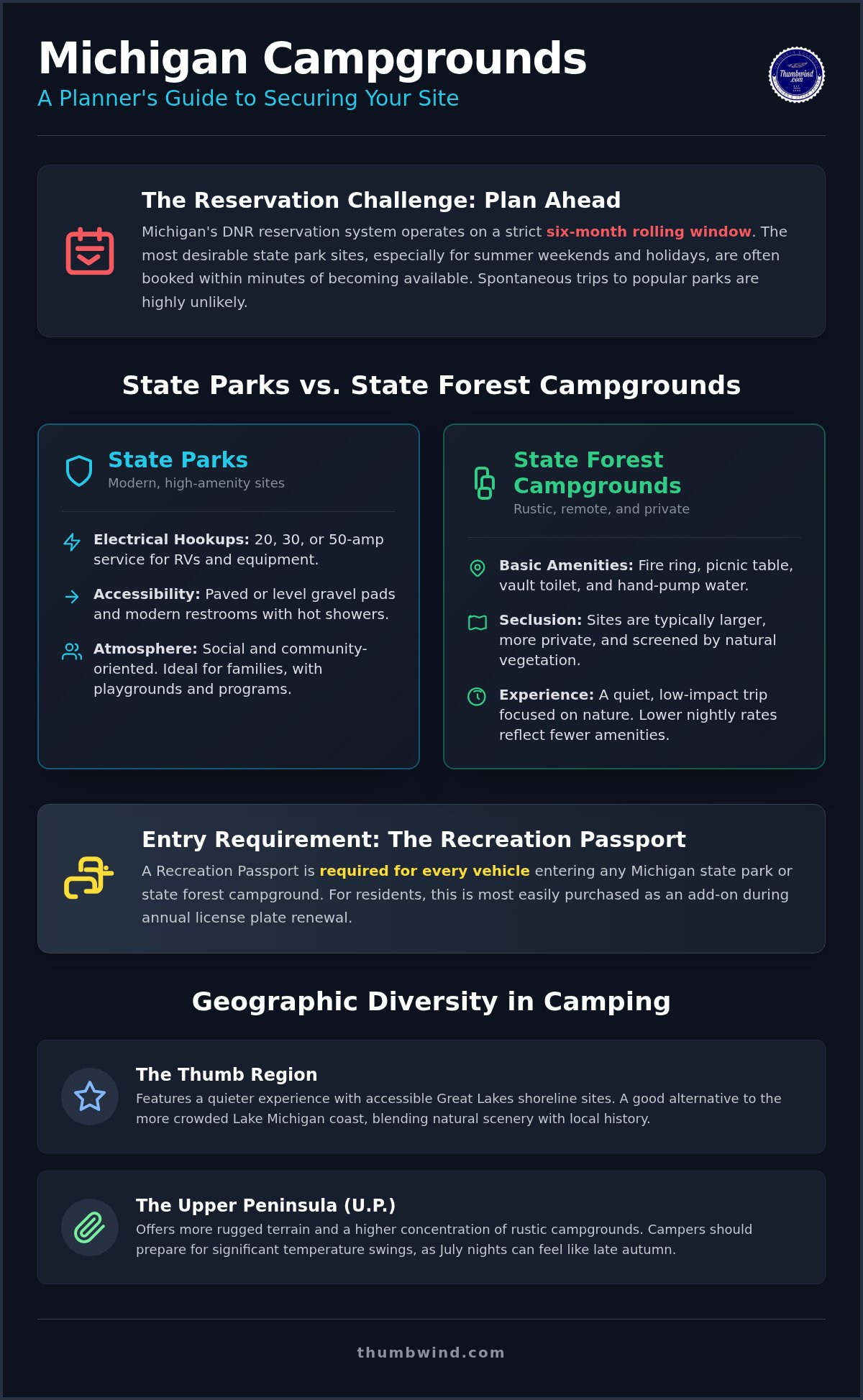
Securing a site at Michigan state campgrounds requires more than just luck; it requires a calendar and a fast internet connection. The DNR reservation system is a zero-sum game during the peak season. If you aren’t prepared to click "book" the second your window opens, you’ll likely spend your summer in a parking lot rather than a park. Every traveler needs to understand the logistics of the booking portal before they start their search.
The 6-Month Booking Strategy
The DNR uses a six-month rolling window for all state park reservations. To calculate your booking date, count back exactly six months from your intended arrival day. If you want to arrive on July 4th, you must be online at 8:00 AM EST on January 4th. This early morning rush is the most critical time for anyone targeting popular holiday weekends or high-demand locations along the Great Lakes.
Don’t give up if your preferred site is already taken. Use the "Notify Me" feature on the booking portal. This tool sends an automated email the moment a site becomes available due to a cancellation. It’s often the only way to snag a spot at a sold-out park during the busy August heat. You should also verify the specific rules for your group, especially if you’re looking for dog-friendly camping spots in Michigan, as pet restrictions vary by beach and loop.
Permits and Passports
Every vehicle entering a state park or forest area must have a Recreation Passport. For Michigan residents, this is usually a small fee added during license plate renewal through the Secretary of State. If you missed that window, you can buy it at the park gate, though the cost is slightly higher. Non-residents must purchase a daily or annual pass, which grants access to all 103 state parks and 130 state forest campgrounds.
State forest campgrounds operate on a different financial model. While you still need a passport for your vehicle, the camping fee itself is paid via "iron ranger" envelopes. These are self-service kiosks at the campground entrance where you deposit cash or a check. It’s a low-tech system that requires you to have the exact amount ready, as there’s no one on-site to provide change or process credit cards.
Top-Rated State Campgrounds for Every Traveler

While the popular parks along the Lake Michigan shoreline often see the highest traffic, some of the best Michigan state campgrounds are found by looking toward the quieter corners of the state. The Thumb region offers a distinct alternative to the crowded west coast, providing lakefront access without the three-hour wait for a parking spot. Travelers who want to stay near local activity while maintaining a sense of privacy should consider Michigan Sleeper State Park in Huron County. It sits just five miles from the docks of Caseville, making it a practical base for those attending local festivals or fishing on Saginaw Bay.
For those seeking true wilderness, the Upper Peninsula remains the primary destination. Sites in the U.P. often require a different level of preparation than those in the southern counties. Cell service is frequently unreliable, and the distance to the nearest supply store can be significant. This isolation is exactly what draws people to the northern reaches, where the focus is on the environment rather than the amenities.
Best for Beach Lovers and Sunsets
Port Crescent State Park, located at the tip of the Thumb, is a premier choice for water access and dark sky viewing. If you’re planning a trip around stargazing, the park’s low light pollution makes it one of the top dark sky park Michigan destinations worth researching before you book. The Port Crescents Steel Bridge Trail leads hikers through the remains of a former lumber town to the shoreline. The beaches here offer a more intimate experience than the massive dunes of Silver Lake, though the rocky terrain of the U.P. provides a more rugged coastal atmosphere.
Campers must account for seasonal pests that can ruin an otherwise perfect trip. During June and July, black flies and "no-see-ums" are particularly aggressive in wooded areas and near the water. Bringing screened enclosures and heavy-duty repellent is a necessity during these months, especially if you are staying in the northern Lower Peninsula or anywhere across the Mackinac Bridge.
Best for History and Landmark Exploration
Michigan’s park system often serves as a living museum. Fort Wilkins Historic State Park in Keweenaw County preserves an 1840s military outpost built during the copper boom. If you are interested in industrial history, Fayette Historic State Park in Delta County is one of the most well-preserved Michigan ghost towns. It features 20 original structures from a 19th-century iron-smelting operation located on the cliffs of Big Bay de Noc.
Visiting these sites provides a deeper understanding of how industry shaped the region. You can review the 45 significant events in Michigan history to see how these settlements fit into the broader timeline of the state. These locations offer a reflective experience that differs significantly from the high-energy, recreation-focused loops of southern Michigan state campgrounds.
Preparing for Your Next Michigan Camping Season
Success at Michigan state campgrounds depends on matching your expectations with the right DNR system. If you require electrical hookups and modern restrooms, the state park system is built for your needs. For those who prefer to trade amenities for silence and privacy, the state forest network offers a more traditional experience. Regardless of your choice, the six-month reservation window is a non-negotiable part of the planning process for any summer trip.
Thumbwind has served the Michigan Thumb region since 2009, providing detailed regional maps and historical guides that go beyond basic tourism brochures. Our reporting focuses on the practical information you need to navigate these public lands effectively. From the rocky coasts of the Upper Peninsula to the quiet beaches of the Thumb, there’s a site suited for every type of traveler who values the state’s natural heritage.
Michigan’s outdoor spaces are more than just vacation spots; they are a vital link to our collective history. Take the time to plan your route, secure your permits, and enjoy the varied terrain that defines our Great Lakes state.
Frequently Asked Questions
How far in advance can I book a Michigan state campground?
Reservations for Michigan state campgrounds open exactly six months before your intended arrival date at 8:00 AM EST. This rolling window is strictly enforced through the DNR online booking portal. If you want to secure a site for a popular holiday like the Fourth of July, you must be online and ready to click the moment the window opens in January.
What is the difference between a modern and a rustic campsite?
Modern sites provide electrical hookups and access to a central building with flush toilets and hot showers. Rustic sites are more basic, offering only a vault toilet and a hand-cranked pump for water. While state parks often feature modern loops with paved pads, state forest campgrounds are almost entirely rustic and designed for tent or small trailer camping.
Do I need a Recreation Passport if I am just visiting for the day?
Yes, every vehicle entering a state park or state forest area requires a Recreation Passport regardless of how long you stay. This pass supports the maintenance of trails, docks, and historic structures across the state. Residents usually pay for this during their annual license plate renewal, but you can also purchase one at any park gate or DNR field office.
Are dogs allowed in all Michigan state park campgrounds?
Dogs are welcome in all state park campgrounds but must be kept on a leash no longer than six feet. You cannot leave pets unattended at your site, and they are generally restricted from designated swimming beaches and park buildings. Some locations, like Port Crescent, provide specific shorelines where pets are allowed to enter the water.
Can I camp in a Michigan state forest without a reservation?
Most state forest campgrounds operate on a first-come, first-served basis and do not accept advance bookings. You simply find an open site, fill out the registration envelope at the entrance, and deposit your payment in the "iron ranger" pipe. Because these sites are limited, it’s best to arrive early in the day during peak summer weekends.
How much does it cost to camp in a Michigan state park in 2026?
Nightly rates at Michigan state campgrounds depend on the site’s amenities and its geographic location. Modern sites with electricity and proximity to the Great Lakes are the most expensive, while rustic forest sites remain the most affordable option. You can view the specific nightly fee for any site by selecting your dates on the official DNR reservation website.
Disclaimer
Information published on Thumbwind.com is provided for general informational purposes. While we make reasonable efforts to keep articles accurate and current, details such as prices, hours, regulations, access conditions, and other information may change without notice. Readers should verify important details with the appropriate business, agency or official source before making travel, financial or other decisions. Thumbwind.com is not responsible for the content, availability or practices of third-party websites linked from our articles.