
Pigeon Michigan Amusement Parlor c1900
This picture of a street scene in Pigeon, Michigan is thought to be taken right around 1900. The amusement parlor
Continue readingThis tag hints at articles and stories about Michigan history and the Michigan Thumb region. Michigan was part of the Northwest territory, and starting in 1815, the fur trade and influx of settlers and land speculators began.
By the time Michigan became a state in 1838, much of the southern third was already cris-crossed with improved Indian trails and initial roads. In a few short years, the lumbering era would begin, followed by the agriculture growth resulting from the cleared land.
This picture of a street scene in Pigeon, Michigan is thought to be taken right around 1900. The amusement parlor
Continue readingThis historical Drugstore is deemed as being Michigan’s longest family owned continuously operating pharmacy in Michigan. It stands today as a boutique shop in Port Sanilac.
Continue readingf Cass City Road in Cass City has stayed somewhat unchanged for the past 90 years. Some of the buildings remain, many have been remodeled. However, the ornate trim and front facades and balconies are long gone.
Continue readingKinde was once renowned as the “Bean Capital of the World“. Michigan white navy bean soup has been a staple for over one hundred years in the U.S. Senate dining room in the form of Senate bean soup
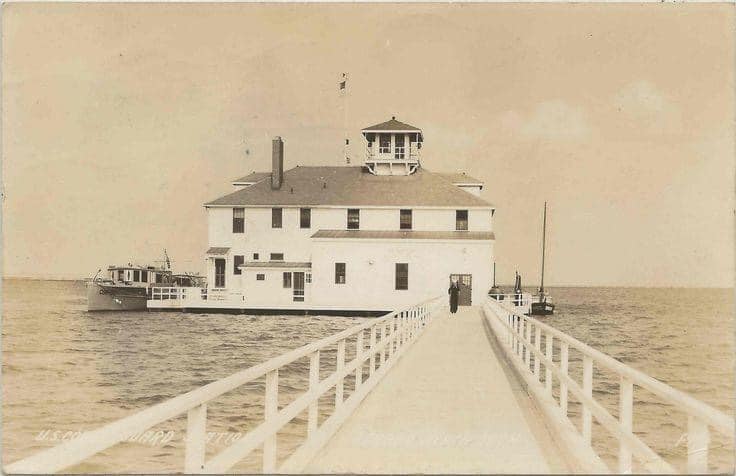
Continue readingThe Coast Guard Station at Harbor Beach, originally built in 1910 and relocated in 1935, served as a training facility during WWII before closing in 1987. Despite preservation efforts, the station was demolished in 2004. It played a significant role in the Great Lakes waterway system and local maritime history.
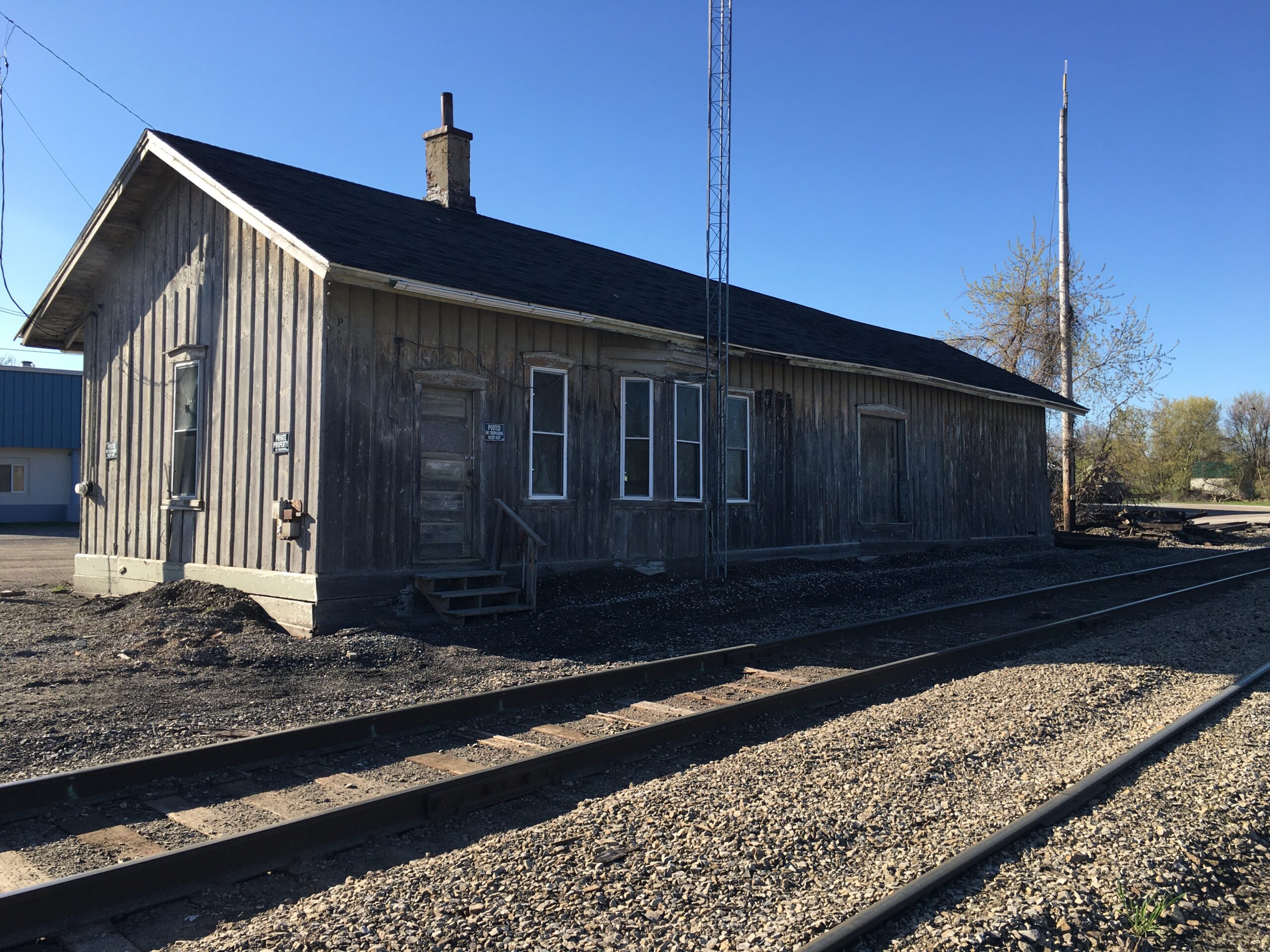
Continue readingWhile neglected, with broken windows, faded peeling paint and vines almost covering one end, this historic depot helped make the region an economic powerhouse for the eastern shore of the Thumb for decades
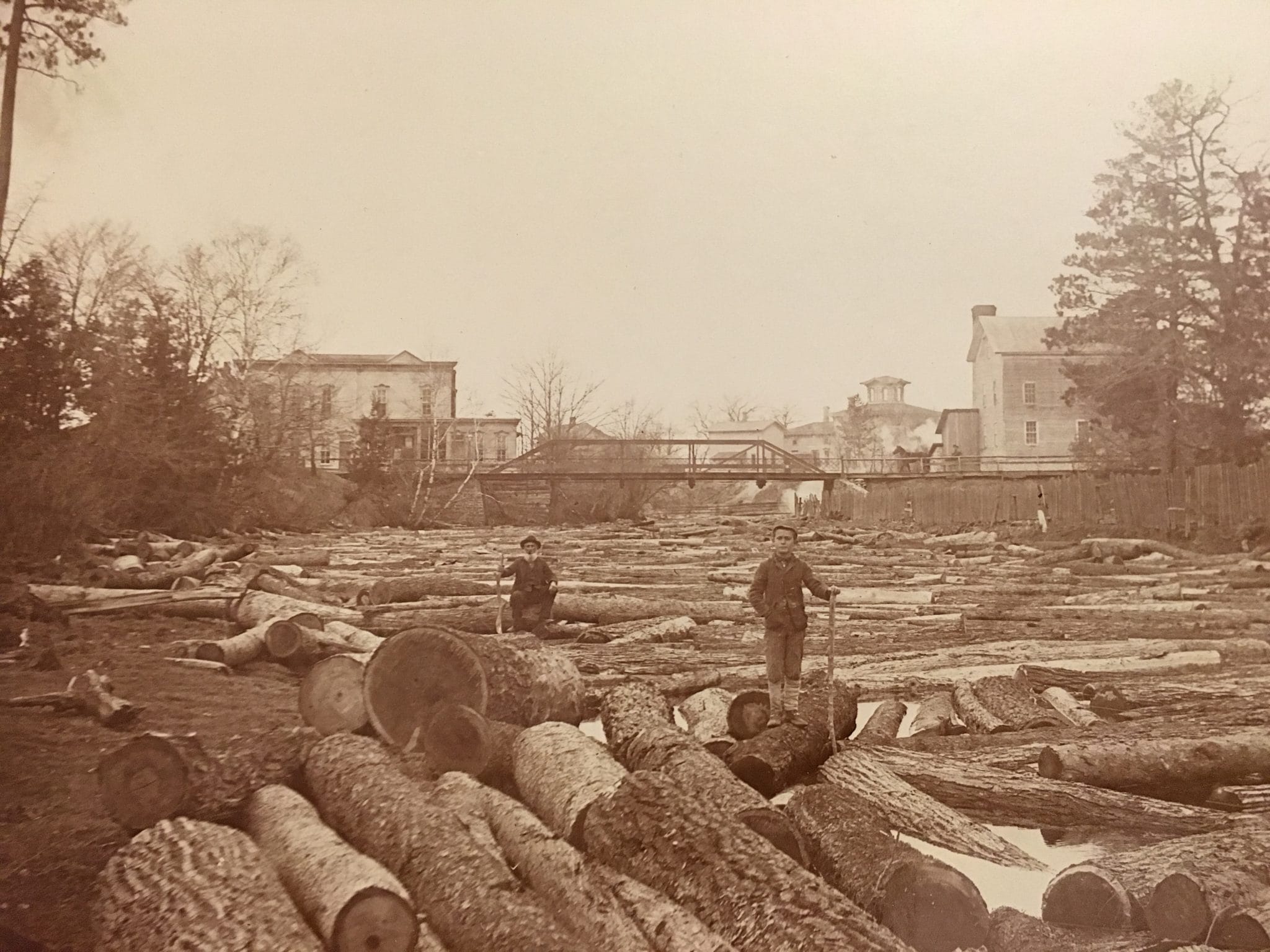
Continue readingIn spring, the winter logging operations ended, and the long run to the sawmill began. In this picture, two men, called River Hogs, worked to keep the logs moving along the Pigeon River to the sawmill in Caseville. The work took skill and was dangerous. River Hogs were paid up to $3.50 per day.
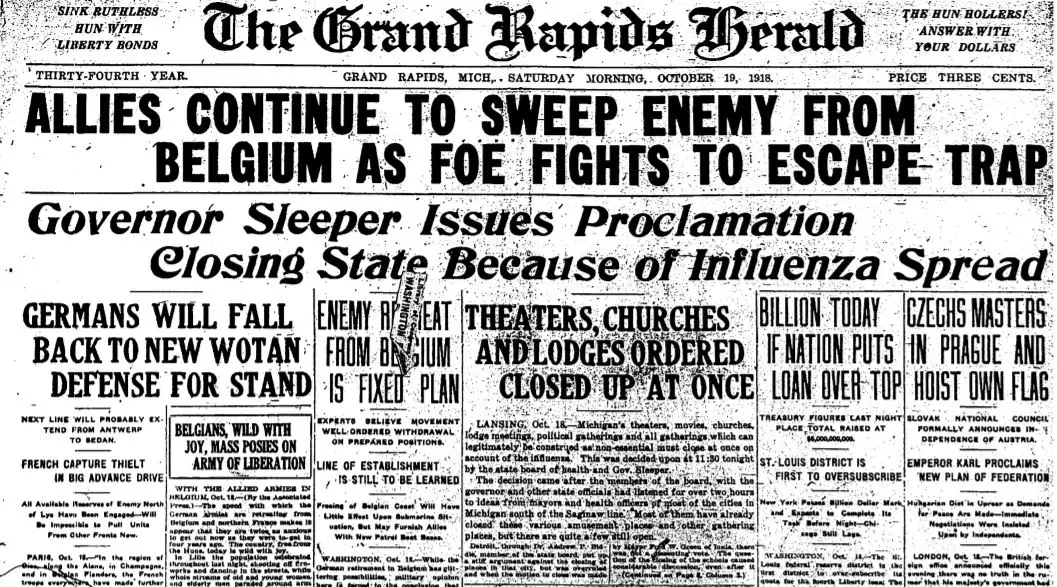
Continue readingGretchen Whitmer’s order to “Stay Home, Stay Safe” is a Michigan shutdown of the nonessential business due to the coronavirus outbreak. This was done once before by Michigan governor Albert Sleeper in October 1918.
Continue reading