


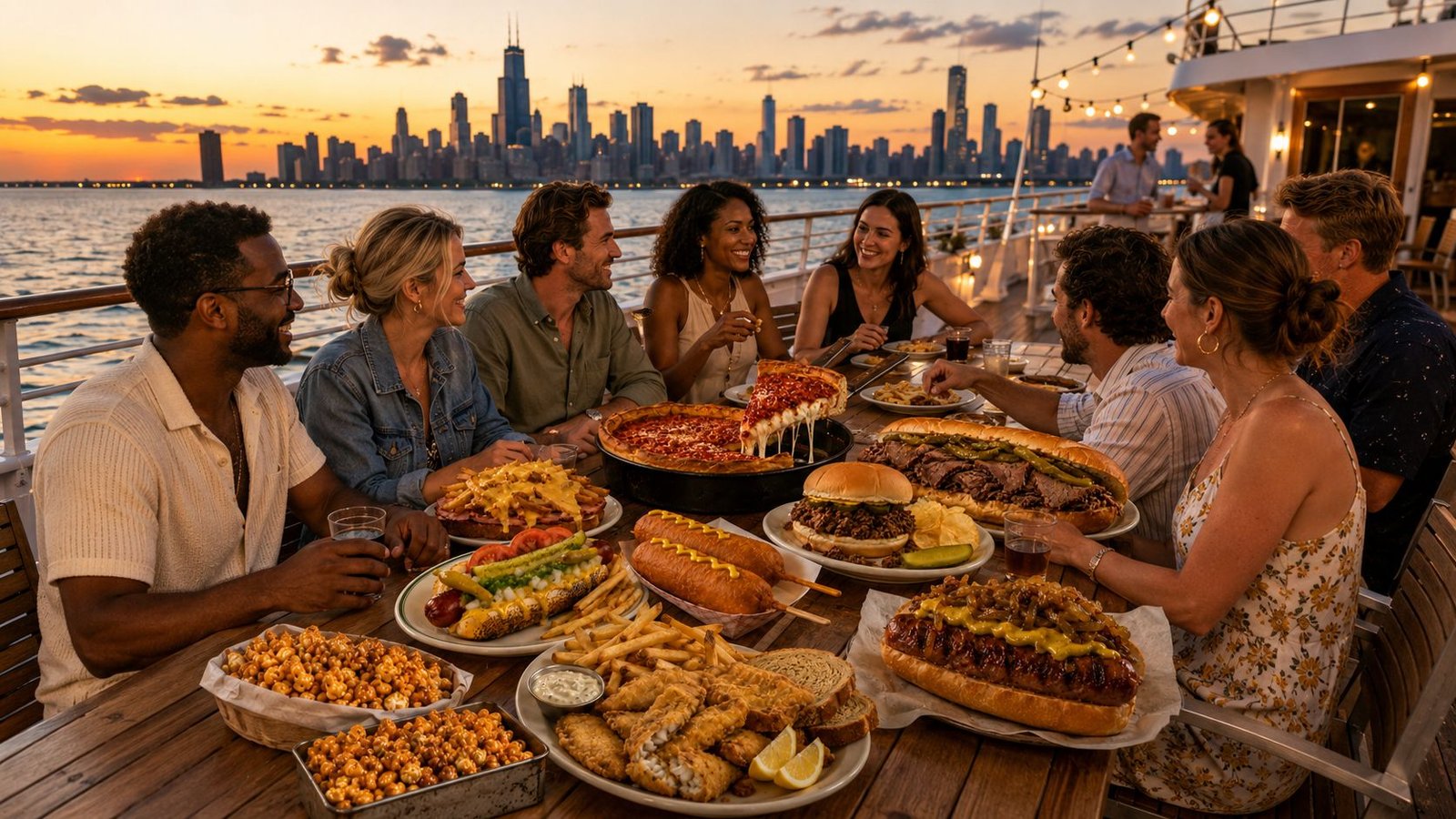
What Delicious Foods Is Illinois Known For?
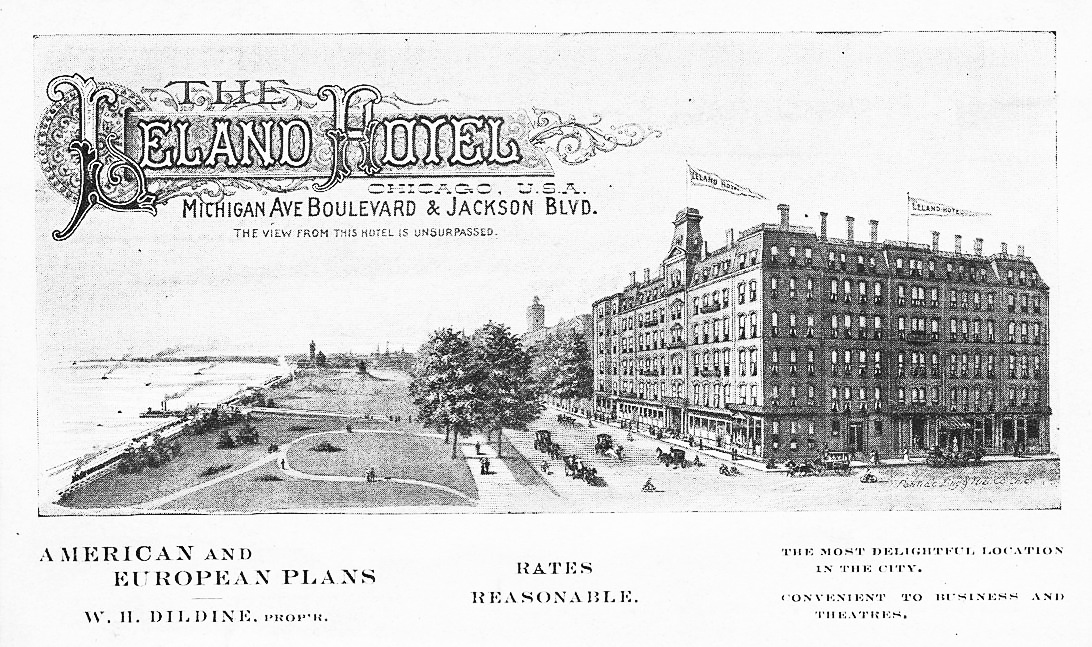
If you think a horseshoe belongs on a farm, you haven’t sat down for lunch in Springfield. In 1928, Chef Joe Schweska at the Old Leland Hotel took a thick slice of ham, placed it on toast, and buried it under a mountain of fries and cheese sauce. This heavy, open-faced sandwich was designed to look like an anvil and nails, a nod to the era’s industrial grit. It remains a staple of the state capital, yet it’s often overshadowed by the culinary giants of the north.

Many travelers mistakenly assume the answer to what foods Illinois is known for begins and ends at the Chicago city limits. While the Windy City offers world-class dining, the true flavor of the state is found in the grease-stained paper bags of neighborhood stands and the vinyl booths of historic diners. These dishes didn’t emerge from a test kitchen. They were born from the necessity of the Great Depression and the diverse recipes brought by immigrant laborers who built the region’s railroads and factories.
This guide goes beyond typical lists to examine the historical roots and specific locations of our regional specialties. You will learn the difference between a standard frankfurter and a Depression Dog, find the origin of the Italian beef, and see how central Illinois staples compare to the lakeside fare of Michigan and Wisconsin.
Table of Contents
Key Takeaways
- Identify the specific “dragged through the garden” toppings that distinguish a Chicago-style hot dog from standard regional variations.
- Trace the 1928 origins of Springfield’s Horseshoe sandwich at the Leland Hotel and find the best locations to try this open-faced staple today.
- Understand what foods Illinois is known for by exploring how immigrant laborers in the early 1900s created the Italian Beef and the Maxwell Street Polish.
- Compare regional Great Lakes favorites, such as Illinois lake perch, with Michigan’s walleye to better navigate local menus during your travels.
- Plan an efficient culinary road trip from Chicago to Springfield with specific stops at historic stands and Depression-era diners.
Chicago’s Depression-Era Staples: Deep Dish and the ‘Depression Dog’

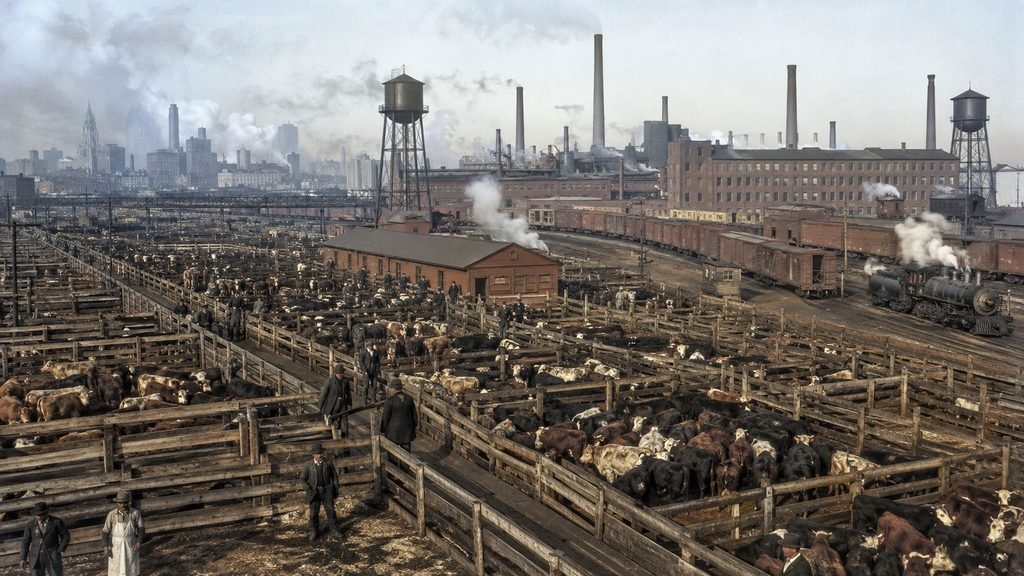
Chicago’s culinary identity grew from the blood and iron of the Union Stock Yards on the city’s South Side. By the early 20th century, the city was the world’s meatpacking capital, making beef more accessible here than in other Great Lakes hubs. This industrial abundance led to the creation of the all-beef frankfurter, a stark contrast to the pork-heavy sausages often found in the Cuisine of the Midwestern United States. When asking what foods Illinois is known for, the answer usually starts with a poppy seed bun.
During the Great Depression, street vendors sold these hot dogs for a nickel. They were marketed as a “Depression Dog,” providing a day’s worth of vegetables for laborers who couldn’t afford a full sit-down meal. It was a practical solution to hunger, utilizing the city’s vast meat supply and fresh produce from nearby farms. These stands became community anchors, especially in the immigrant neighborhoods surrounding the Near North Side.
To better understand this concept, watch this helpful video:

The Rules of the Chicago Hot Dog
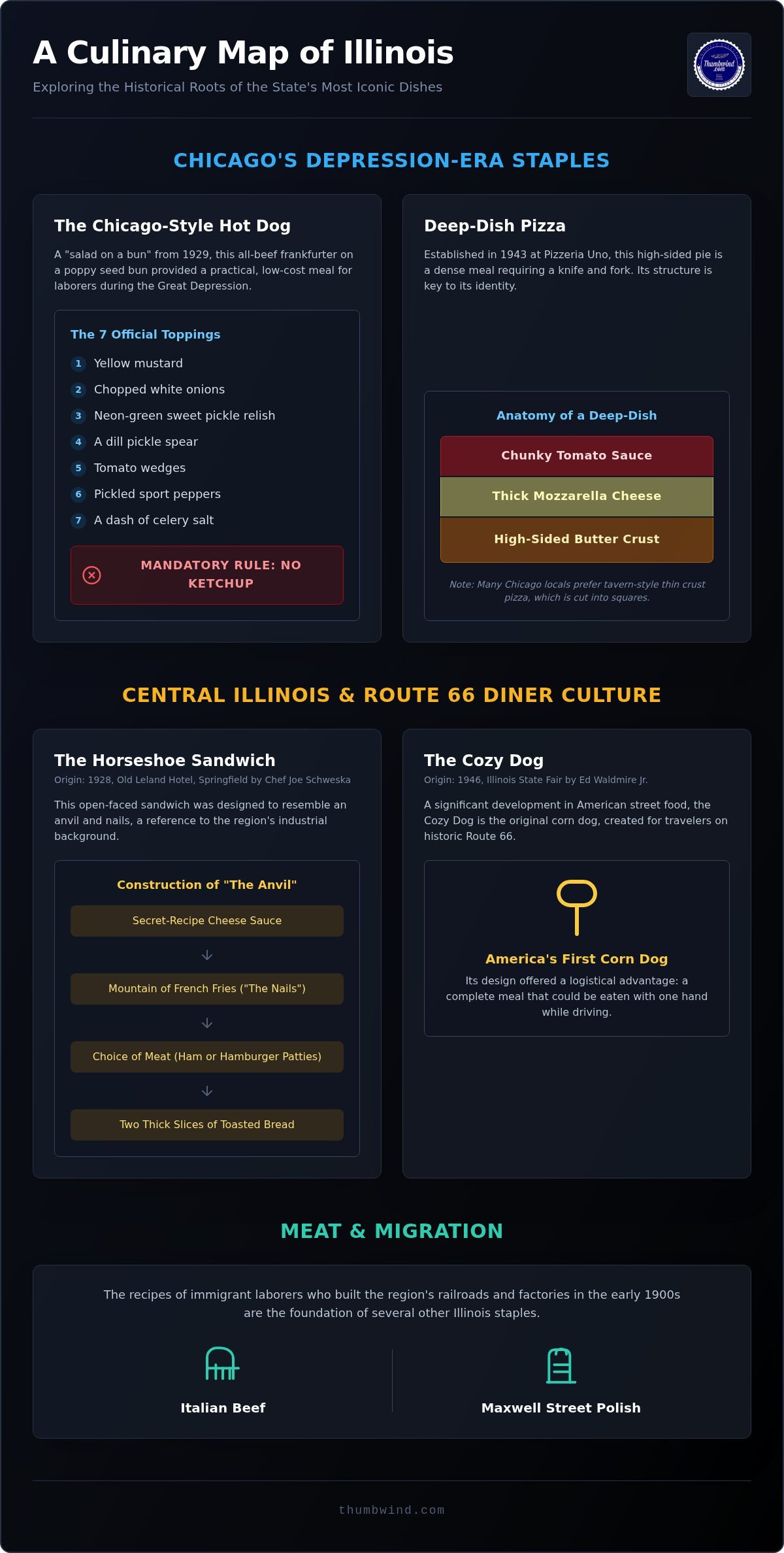
The standard Chicago hot dog is an industrial-era “salad on a bun” that dates back to 1929. To be authentic, it must include seven specific toppings:
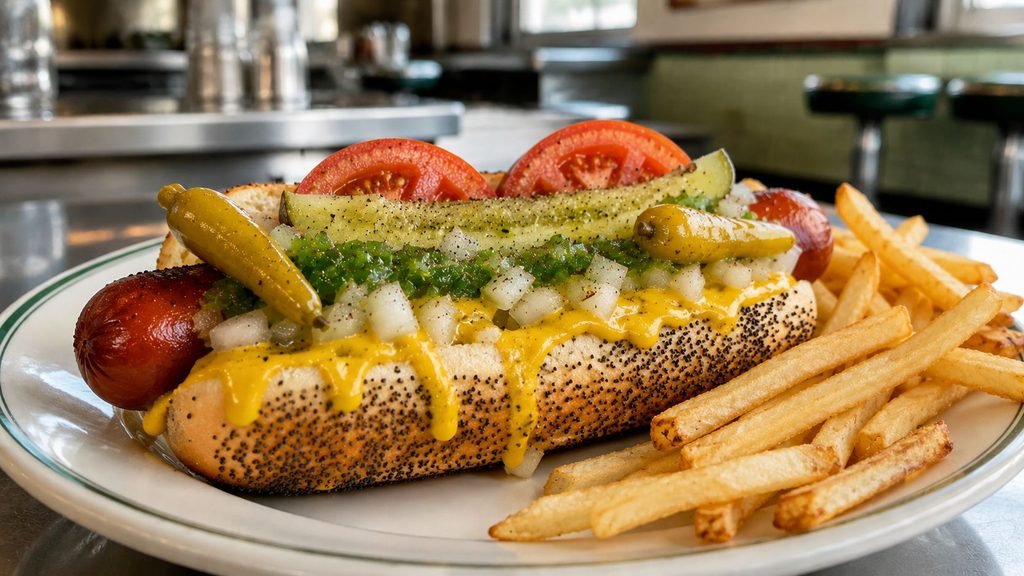
- Yellow mustard
- Chopped white onions
- Neon-green sweet pickle relish
- A dill pickle spear
- Tomato wedges
- Pickled sport peppers
- A dash of celery salt
You’ll never find ketchup on a traditional Chicago dog. This mandate isn’t just snobbery; the sugar in ketchup overwhelms the delicate balance of the beef and salt. While what Wisconsin is known for might involve bratwurst and cheese curds, Illinois pride is tied to this strict, no-ketchup construction.
Evolution of Deep-Dish Pizza
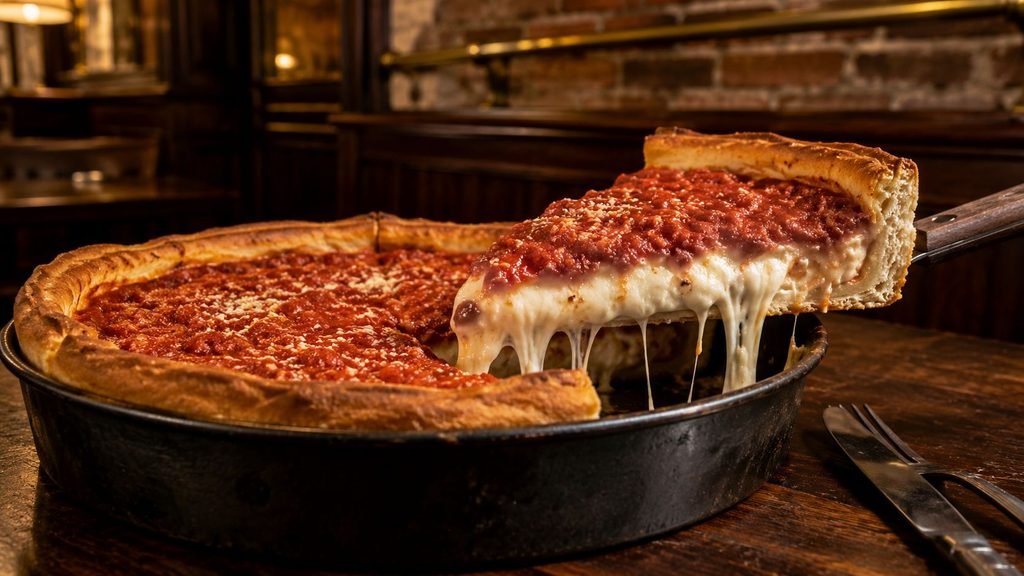
While the hot dog fed the workers, deep-dish pizza eventually defined the city’s skyline on a plate. Many locals actually prefer “tavern-style” thin crust, which is cut into squares, but the world knows Chicago for the thick butter crust of the deep dish. In 1943, the founding of Pizzeria Uno on the Near North Side became a turning point for the city’s pizza identity. The high-sided pan requires a sturdy, biscuit-like crust to support heavy layers of mozzarella cheese and chunky tomato sauce. This structural necessity created a meal so dense it required a knife and fork, moving Illinois cuisine from simple street food to a heavy-duty culinary destination.
Central Illinois Diner Culture: The Horseshoe and Route 66
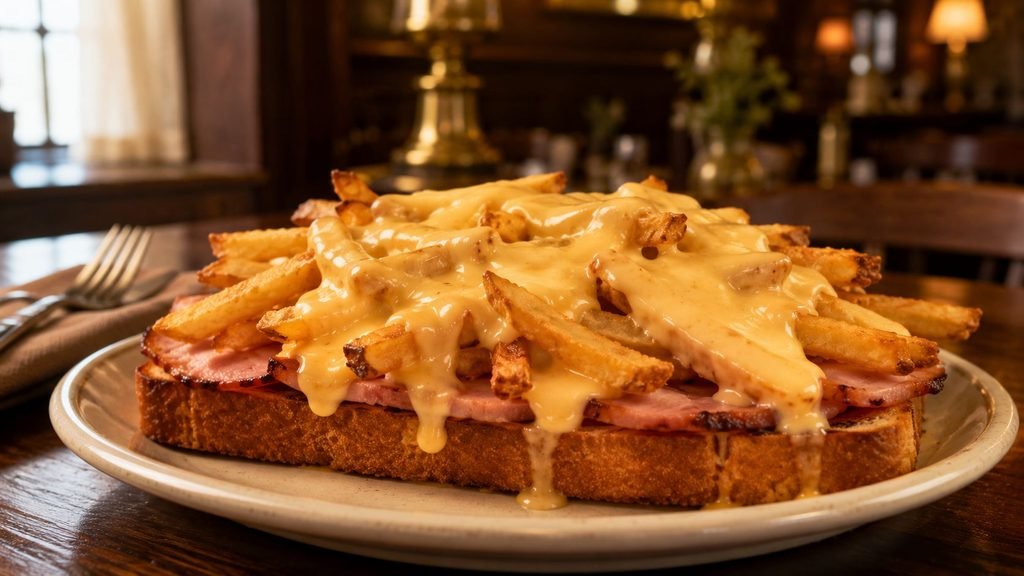
Outside of Chicago, the culinary geography changes as you move down the Route 66 corridor into Sangamon County. Springfield is the home of the Horseshoe, an open-faced sandwich that defines the local diner scene. It was created in 1928 at the Old Leland Hotel by Chef Joe Schweska. His wife, Elizabeth, suggested the idea. The original recipe used a horseshoe-shaped cut of ham, with French fries representing the nails and the platter serving as the anvil. Today, most versions use two thick slices of toasted bread topped with hamburger patties or ham, then buried under a pile of fries and a secret-recipe cheese sauce.
If you want to understand what foods Illinois is known for, you have to look at the roadside culture that emerged with the automobile. The Horseshoe remains a heavy, sit-down meal, but other inventions were designed for travelers on the move. These dishes reflect a time when the state’s highways were the primary arteries for American tourism.
To keep up with more regional history and travel tips, you can sign up for our local updates.
The Cozy Dog and the Birth of the Corn Dog
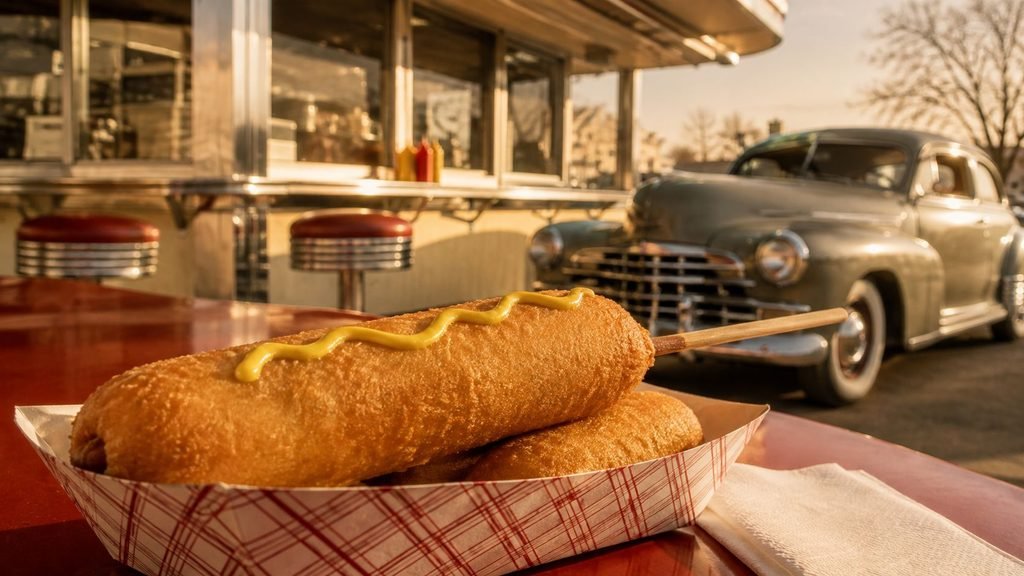
In 1946, Ed Waldmire Jr. introduced the “Cozy Dog” at the Illinois State Fair. This was a significant moment for American street food. By skewering a hot dog and coating it in cornmeal batter, Waldmire created a logistical advantage for drivers on Route 66. They could eat with one hand while keeping the other on the wheel. The Cozy Dog Drive-In in Springfield still operates today, serving as a primary historical site for those tracking the evolution of the corn dog. It remains a family-run institution that anchors the city’s food identity.
Maid-Rite: The Loose Meat Legacy
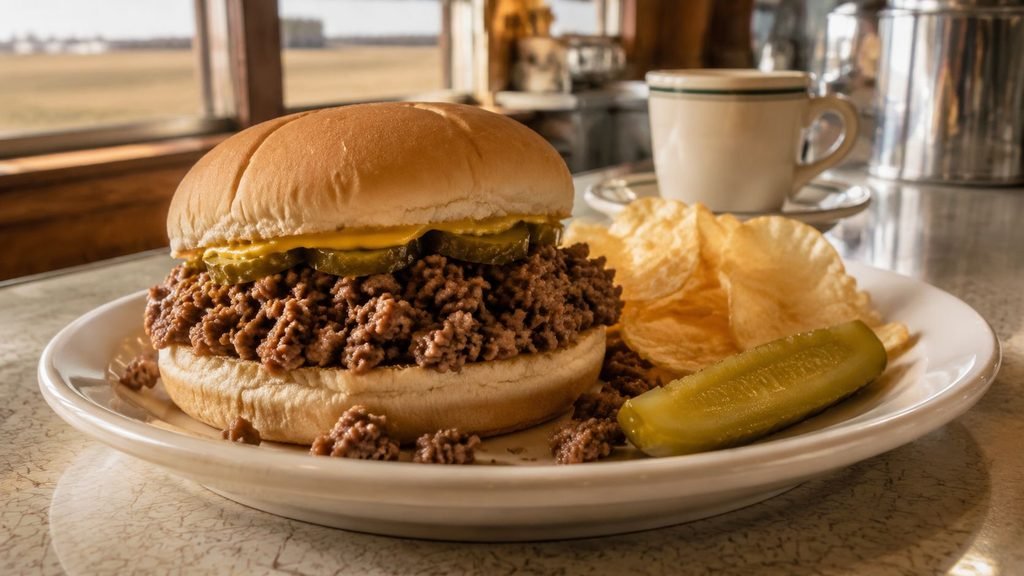
Western Illinois and the Quad Cities area have their own distinct staple known as the Maid-Rite. Established in 1926, this sandwich features loose, seasoned ground beef served on a bun with pickles and mustard. It is often confused with a Sloppy Joe, but a true Maid-Rite never contains tomato sauce. This dry, crumbly texture is a hallmark of the region’s simple, agricultural roots. While Wisconsin is often known for dairy and bratwurst, the Maid-Rite highlights the beef and grain production of the Illinois prairie. These diners offer a window into the working-class history of the rural Midwest.

Meat and Migration: Italian Beef to Maxwell Street Polish
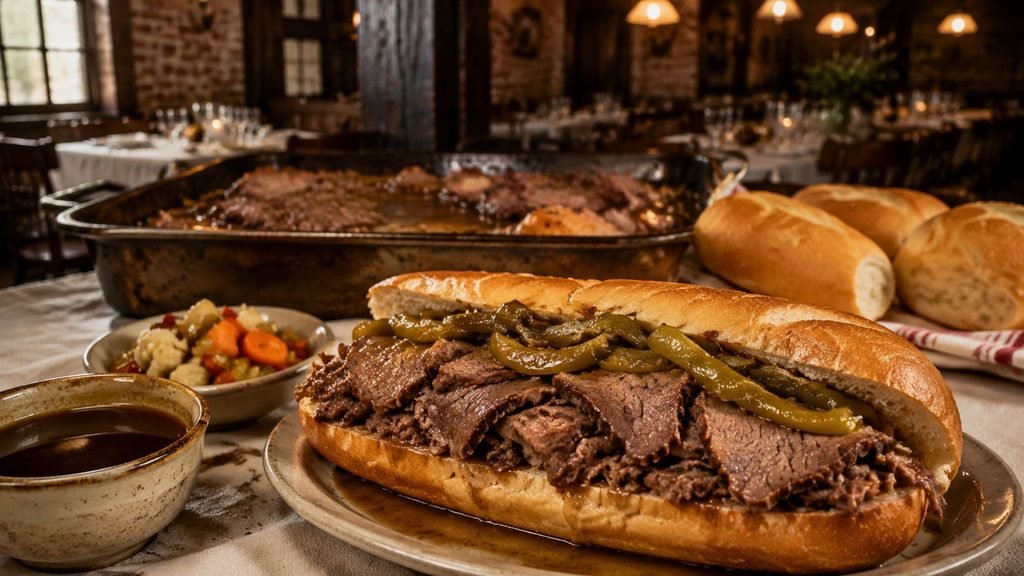
Chicago’s industrial growth relied on a massive influx of Southern and Eastern European immigrants. In the Near West Side and Little Italy, these families worked grueling shifts in meatpacking plants and steel mills. When asking what foods is Illinois known for, the Italian beef stands out as a direct byproduct of this era. It began as a “wedding sandwich” in the early 1900s. Laborers brought home tougher, cheaper cuts of beef and slow-roasted them in a seasoned broth. Thinly slicing the meat against the grain allowed a single roast to feed dozens of guests at community celebrations.
This culinary tradition wasn’t just about flavor; it was about efficiency and survival. The heavy spices and slow cooking turned undesirable meat into a celebrated staple. Today, the sandwich remains a symbol of the city’s working-class roots, anchored in the neighborhoods where these immigrant families first settled.
How to Order an Italian Beef Like a Local
Ordering an Italian beef requires a specific vocabulary. To get it right, you must follow three distinct steps:
- Step 1: Choose your juice level. “Dry” means the meat is pulled from the broth with tongs. “Wet” adds an extra splash of gravy. “Dipped” or “Drowned” means the entire sandwich is submerged in the roasting juices.
- Step 2: Choose your peppers. “Hot” refers to giardiniera, a spicy mix of pickled peppers and vegetables in oil. “Sweet” indicates roasted green bell peppers.
- Step 3: Adopt the “Chicago Lean.” This is the physical stance required to eat a dipped beef. You must place your elbows on the counter and lean your upper body forward to keep the juice from ruining your clothes.
The Maxwell Street Polish Legacy
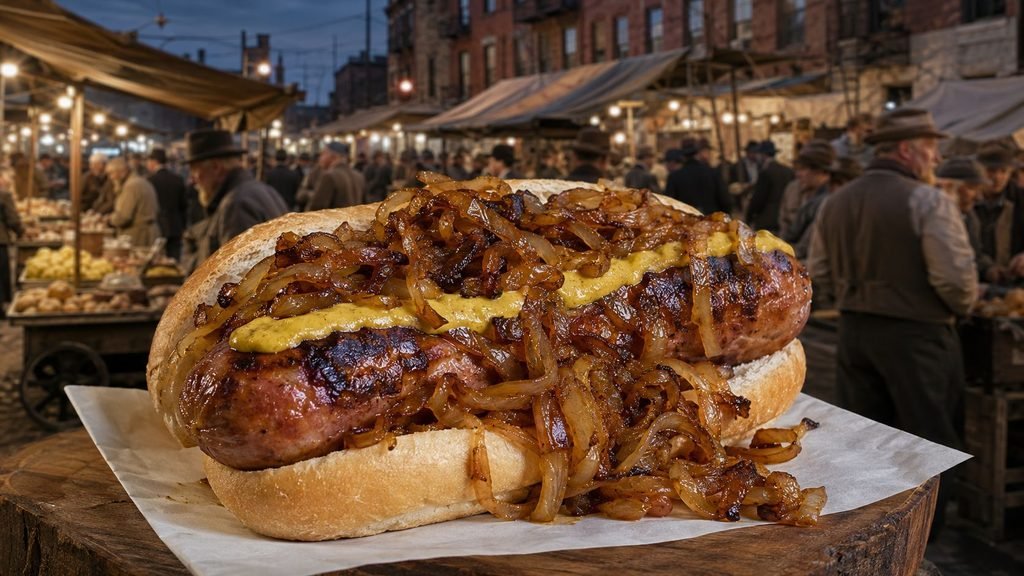
A few blocks away, the Maxwell Street Market served as a cultural melting pot for the city’s diverse labor force. In 1939, Jimmy Stefanovic created the Maxwell Street Polish at his stand, Jim’s Original. The sandwich features a grilled Polish sausage on a bun, topped with yellow mustard and a massive pile of caramelized onions. Unlike the hot dog, this was built for the heavy appetites of the market’s vendors and shoppers. The Maxwell Street Polish is a 1939 invention that survived the market’s relocation and remains a late-night fixture in the city. It represents the enduring influence of the Polish community on the region’s food culture.
Planning a Culinary Tour: Where to Find the Originals
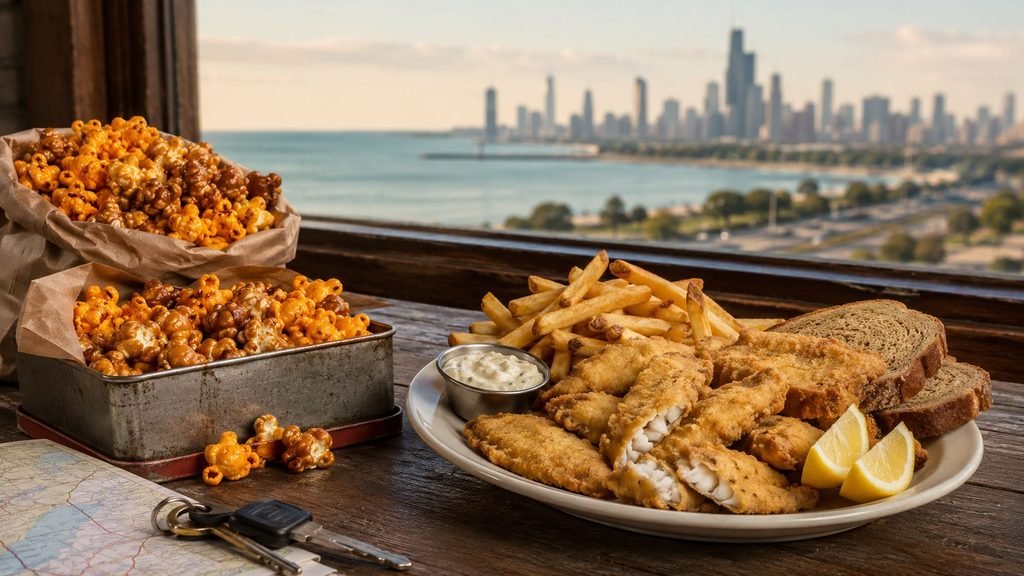
To see the full scope of what food Illinois is known for, you need to drive the Interstate 55 corridor. This route connects the heavy industrial flavor of Chicago with the agricultural heart of the state. Before leaving the city, grab a bag of Garrett Popcorn’s “Chicago Mix.” This caramel-and-cheese popcorn is the standard souvenir for travelers. It’s best eaten fresh, but the tins travel well for those heading back toward Michigan or Wisconsin.
Along the lakefront, you’ll find yellow perch on many menus. It’s a delicate, flaky fish often served fried in neighborhood taverns. While Illinois celebrates the perch, it differs from the walleye commonly found in Michigan’s inland lakes and bays. Perch are smaller and often sweeter, reflecting the specific ecology of the southern Great Lakes. These local catches remain a staple of Friday night fish fries across the northern counties.
Iconic Stops Along I-55
Start your morning at Lou Mitchell’s on Jackson Boulevard in Chicago. This diner has served travelers since 1923 and sits right near the official start of Route 66. As you move south through the rural counties, cell service can become spotty, especially between Bloomington and Springfield. It’s a straightforward drive, but you should prepare for occasional construction delays on the interstate.
When you reach the capital, parking near the historic Leland Hotel area is generally accessible. Downtown streets can be crowded during legislative sessions, so plan your visit for a weekend if possible. The Cozy Dog Drive-In offers plenty of on-site parking, making it an easy stop for those with larger vehicles or campers. Always check the hours before you arrive, as some of these historic stands close early on weekdays.
Illinois vs. The Great Lakes Region
Illinois food is defined by the “working man’s portion.” It’s heavy, caloric, and unpretentious. You can contrast the Illinois Horseshoe with the Michigan pasty or Wisconsin cheese curds. These dishes all share a common thread of industrial necessity. In our look at 45 significant events in Michigan history, we see how mining and logging shaped the diet of the north. Similarly, Illinois’ history of meatpacking and rail transport created a culture of “on-the-go” meals like the corn dog and dipped beef.
Whether it’s a five-cent Depression-era hot dog or a mountain of fries in Springfield, the state’s menu remains a map of its labor history. These recipes survived because they were practical, filling, and tied to the identity of the people who built the region. A culinary tour of Illinois is more than a tasting event; it is a lesson in how migration and industry define what we eat.
Explore the Industrial Roots of the Illinois Table
The recipes that define Illinois are more than just local favorites; they are artifacts of a specific time and place. Whether you are ordering a dipped beef in Chicago or a Horseshoe in Springfield, you are participating in a tradition established by the chefs and laborers of the 1920s and 30s. These dishes reflect the grit of the Great Lakes region and the diverse cultures that built our cities.
We hope this guide helps you find the most authentic flavors on your next trip across the state. Safe travels as you explore the historic diners and street stands of the Illinois prairie.
Frequently Asked Questions
What is the most famous food in Illinois?
Deep-dish pizza and the Chicago-style hot dog are the most globally recognized symbols of the state. However, the Horseshoe sandwich defines the culinary scene of central Illinois. These dishes emerged from the state’s industrial roots, where laborers needed substantial, affordable calories. When people ask what foods is Illinois known for, they are typically looking at a menu shaped by immigrant history and the demands of the 20th-century working class.
Is deep-dish pizza actually popular in Illinois or just for tourists?
Deep-dish is a legitimate local staple, but it’s often reserved for special occasions rather than daily consumption. While tourists flock to downtown pizzerias for the thick crust, residents tend to save it for family gatherings or visiting relatives. The long bake time and heavy ingredients make it a destination meal. It remains a core part of the state’s identity, even if it isn’t the most commonly ordered pizza style on a typical weeknight.
What is an Illinois Horseshoe sandwich?
An Illinois Horseshoe is a heavy, open-faced sandwich that originated in Springfield during the late 1920s. It features thick-sliced toasted bread topped with meat and a mountain of fries, all smothered in cheese sauce. When considering what foods is Illinois known for, this diner staple is the definitive answer for the central region. It’s a caloric powerhouse that anchors the food culture of the capital city and the surrounding Sangamon County area.
Why is Chicago-style popcorn called the Garrett Mix?
The name comes from Garrett Popcorn Shops, which began blending sweet caramel and savory cheese popcorn in Chicago in 1949. While many shops sell this combination, the Garrett version is the most famous globally. It was originally called the Chicago Mix, but the shop rebranded the blend to protect its identity. The recipe uses copper kettles and high-quality ingredients, making it a high-end alternative to standard stadium or movie theater snacks.
Who invented the corn dog in Illinois?
Ed Waldmire Jr. developed the Cozy Dog in 1946, which is the state’s primary claim to the corn dog’s origin. He perfected a batter that would stick to a hot dog while it was deep-fried on a stick, debuting the creation at the Illinois State Fair. The Waldmire family continues this legacy at their historic drive-in along the Route 66 corridor. This invention provided a portable, efficient meal for travelers and fairgoers across the Midwest.
What is the difference between Chicago-style and tavern-style pizza?
Chicago-style deep-dish is famous for its tall, buttery crust and inverted layers, where the sauce sits on top of the cheese. Tavern-style pizza is the opposite; it features a thin, cracker-like crust that is cut into small squares. Tavern-style was designed by bar owners to be a salty snack that encouraged patrons to stay for another round. While deep-dish is the tourist icon, tavern-style is what most locals eat at home.

