 by
by 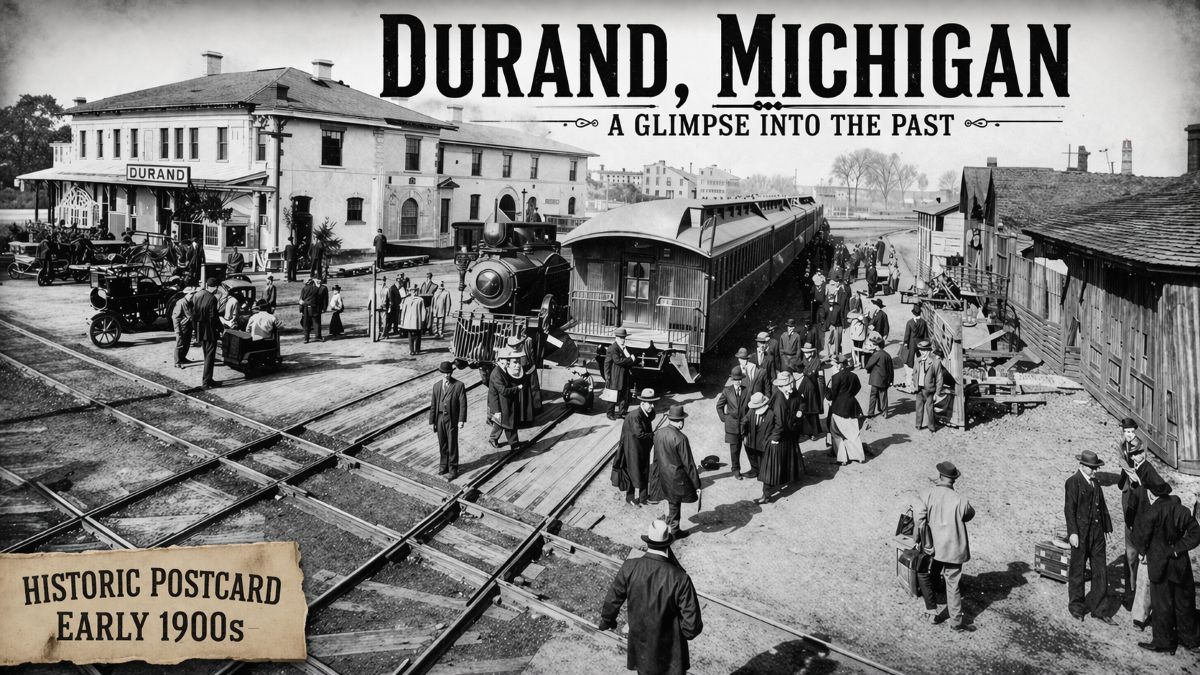
The history of Durand Michigan is the story of the railroad. Unlike many Michigan towns that grew around lumber, mining, or farming, Durand grew because a rail line crossed at a specific point on the map. That crossing turned farmland into one of the busiest railroad junctions in the Midwest.
Where Durand Began
Durand was founded in 1876 and named after George H. Durand, a railroad official. The town grew quickly once rail traffic increased. Two major rail lines crossed in Durand, making it a key location for switching trains, changing crews, and servicing locomotives.
By the early 1900s, Durand had become known as Railroad City. Trains came through day and night. The sound of steam engines and train whistles became part of daily life.
The Grand Trunk Union Station
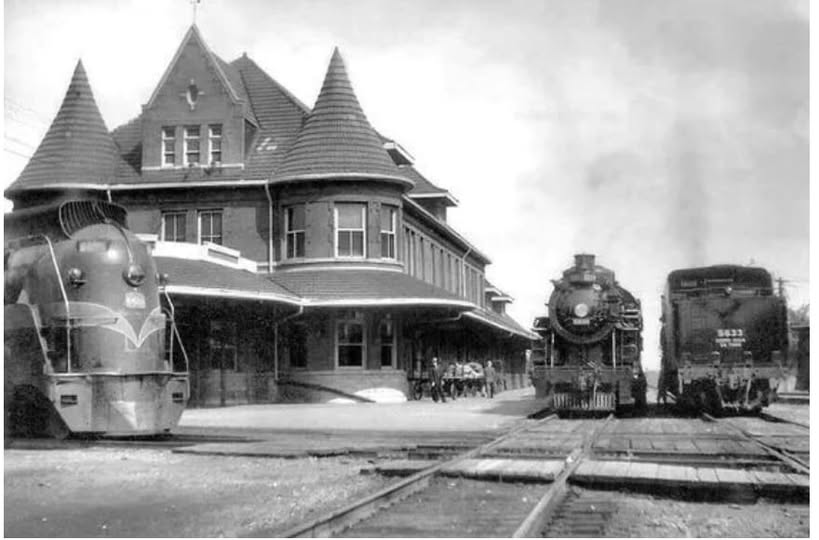
The Grand Trunk Railroad built Durand Union Station in 1903. It was designed to serve multiple rail lines and large numbers of passengers. The building was large and impressive for a town the size of Durand. That was because the station served rail traffic from across Michigan and the Midwest.
Passengers stepped off trains here to eat at nearby restaurants while locomotives were serviced. Rail crews changed here, which meant trains stayed long enough for the town’s businesses to benefit.
Rail Yards, Roundhouse, and Industry

The rail yards included a roundhouse where locomotives were repaired and maintained. Coal tipples loaded coal into steam engines. Water towers filled locomotive tenders. These jobs employed many local residents.
The Simplicity Engineering Company was one of Durand’s major industries. The company built equipment used for coal handling and industrial screening. This factory existed because the railroad made shipping heavy equipment possible.
Downtown Durand in the Early 1900s
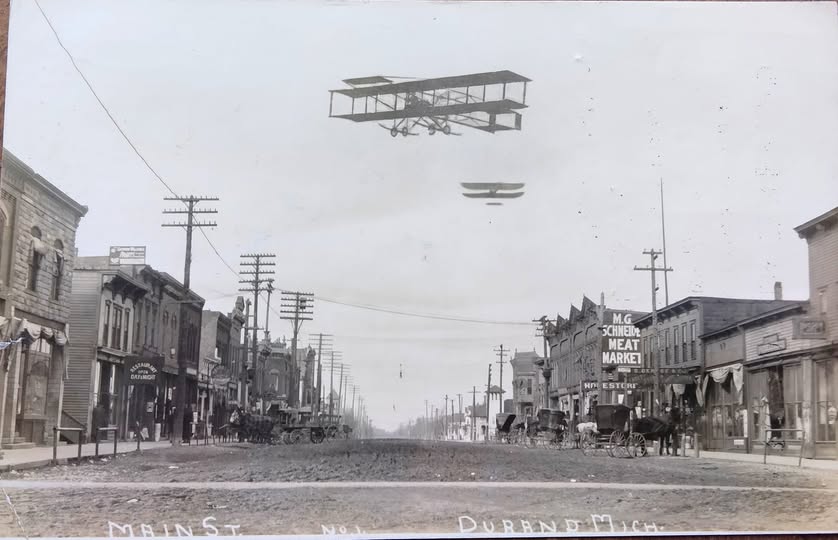
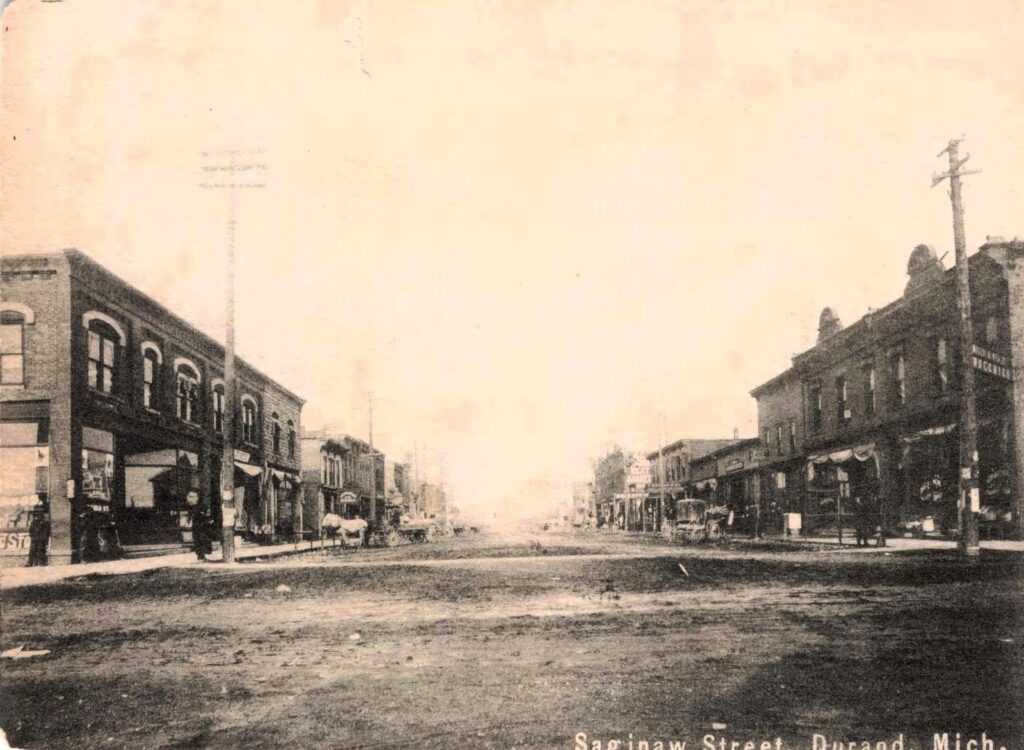
Downtown Durand included hotels, furniture stores, meat markets, and fraternal lodges. Early images show horse-drawn wagons, and later images show automobiles parked along Saginaw Street. Like many Michigan towns, Durand transitioned from horse travel to cars between 1900 and 1930.
Churches, YMCA, and Community Life
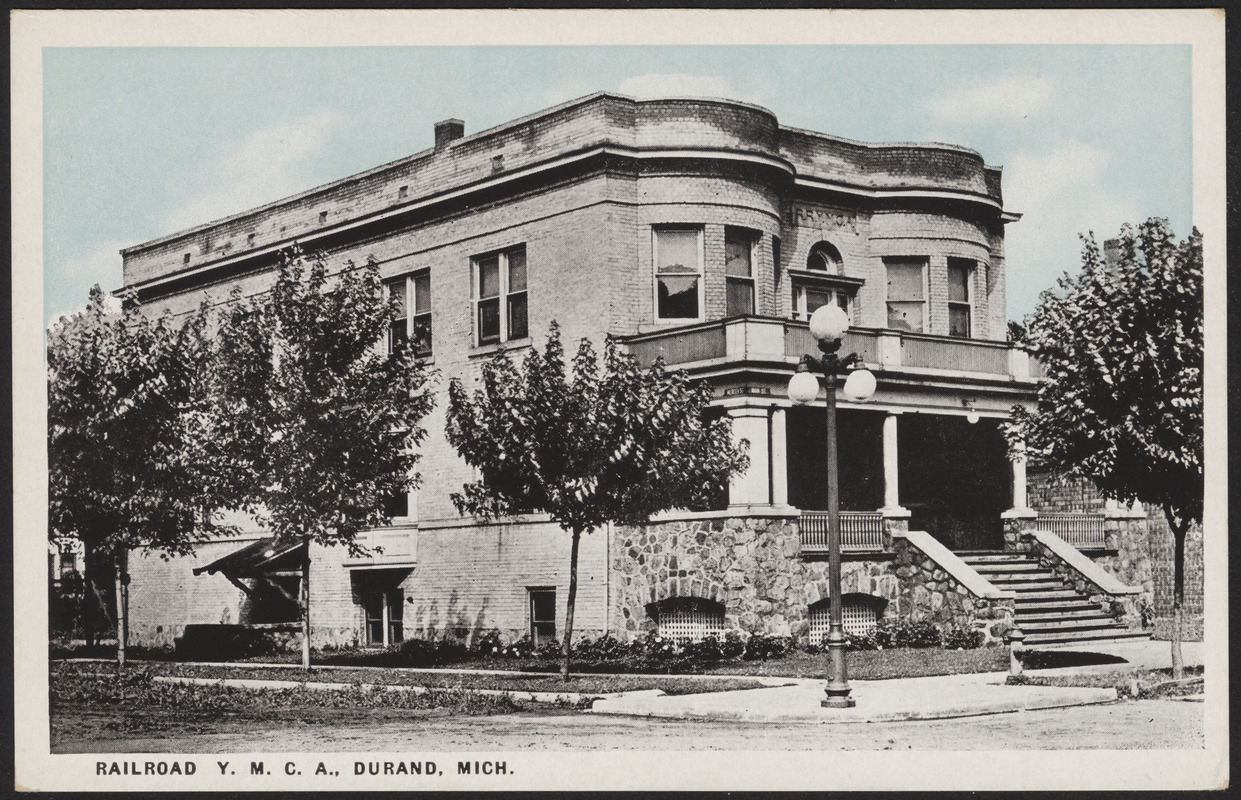
The Railroad YMCA was an important building in Durand. Railroad workers traveling needed a place to sleep and eat between shifts. The YMCA served as a temporary home for many railroad men.
The Junction House hotel and lunchroom served passengers and rail crews. When trains stopped in Durand, passengers had just enough time to get a meal before boarding again.
Churches and schools show that Durand was not just a railroad stop. Families lived here, raised children, and built a community.
Why Durand Was So Busy
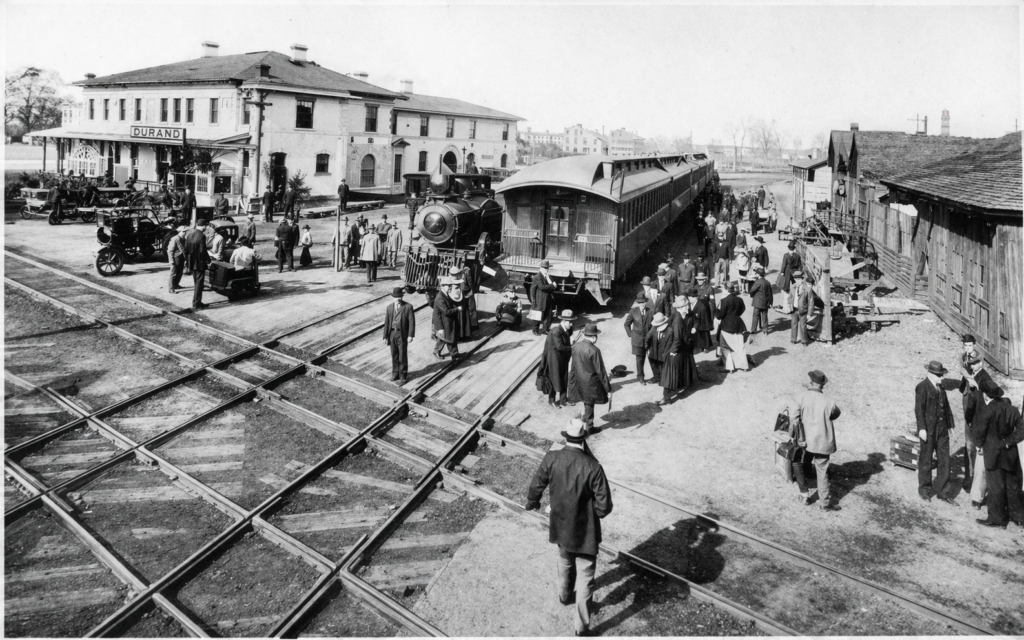
Here is something surprising about the history of Durand Michigan: The town always felt bigger than it really was. That was because so many people passed through every day. Passengers, railroad workers, traveling salesmen, and freight crews filled the town, but many did not live there.
Durand’s importance came from movement, not population.
When the Railroad Declined
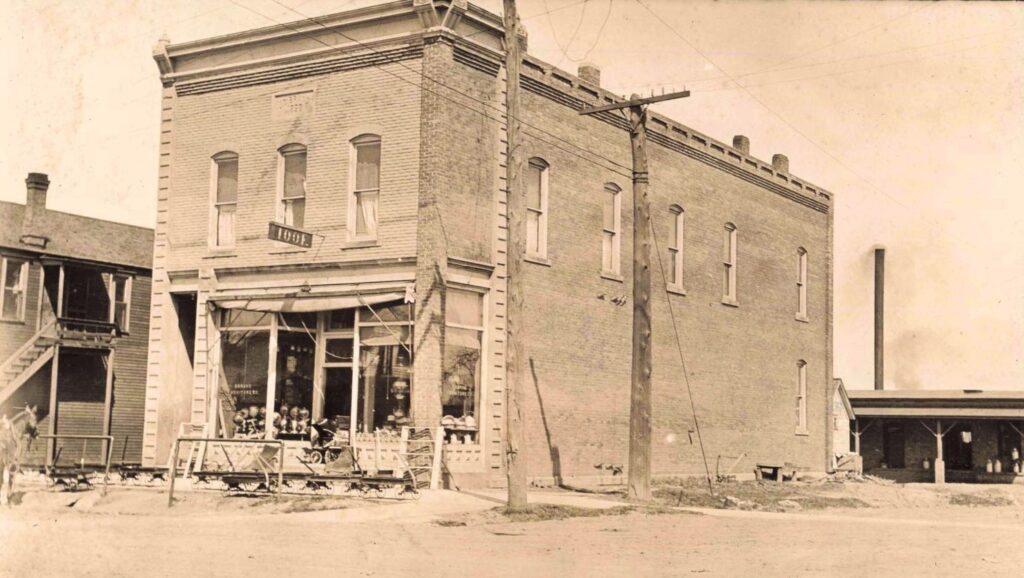
After World War II, passenger rail traffic dropped across the country. Cars and highways replaced many passenger routes. Railroads switched from steam engines to diesel locomotives, which required fewer service stops.
Durand remained a rail junction, but fewer trains stopped for long periods. Many railroad jobs disappeared. Like many railroad towns, Durand had to adjust to a new economy.
Durand Today
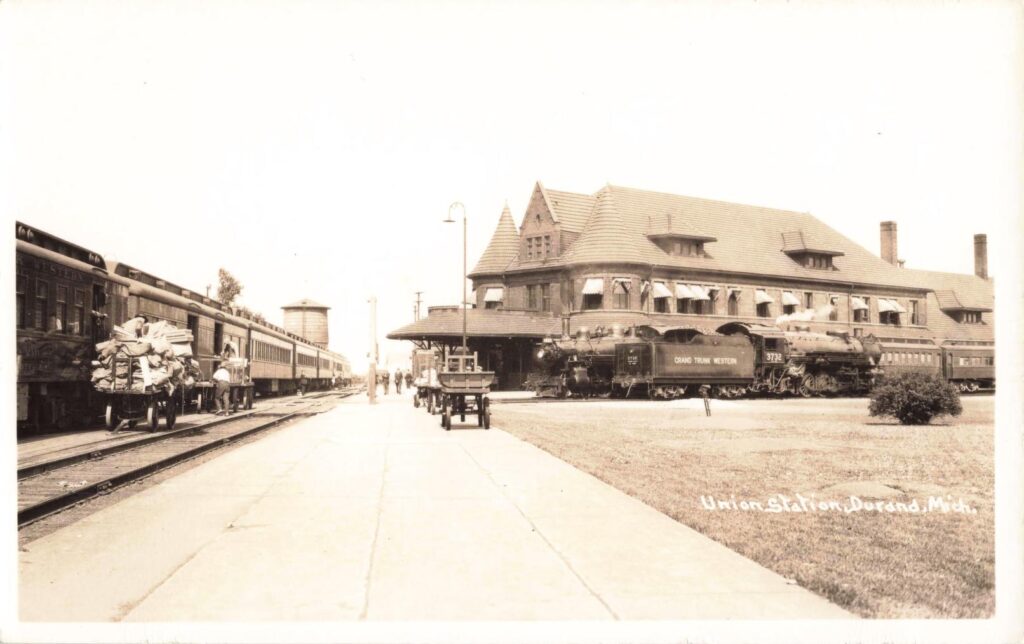
Durand Union Station still stands and now operates as a museum. Trains still pass through the city every day. The tracks still divide the town much like they did 100 years ago.
The history of Durand Michigan is important because it shows how transportation shaped towns across the state. Without the railroad crossing, Durand might never have existed.
But because of the railroad, Durand became Railroad City — a place where the country once passed by every single day.
Before you go: Try this quick 30-second history check.
Quick Durand History Check
1. What is Durand best known for historically?
2. What type of structure defined the town?
3. Why did people travel through Durand?