


Michigan Genealogy Research Surges as New Laws, DNA Breakthroughs, and Archives Expand Access
Genealogy research in Michigan is entering a new phase, driven by faster access to vital records, advances in DNA technology, and expanded historical archives.
Recent developments across the state point to a shift: Michigan genealogy research and family history are no longer the domain of hobbyists. It is now intersecting with law enforcement, public policy, and regional economic development.
Faster Access to Death Records Changes the Process


Michigan lawmakers recently approved reforms aimed at speeding up access to death certificates—one of the most important documents for genealogical research.
Under the updated law, death records must be completed within 48 hours using an electronic filing system. The change is designed to reduce delays that often slow both families and researchers.
For genealogists, death certificates provide critical data, including names, birthplaces, and family relationships. Faster processing could significantly improve research timelines.
DNA Genealogy Solves Decades-Old Case

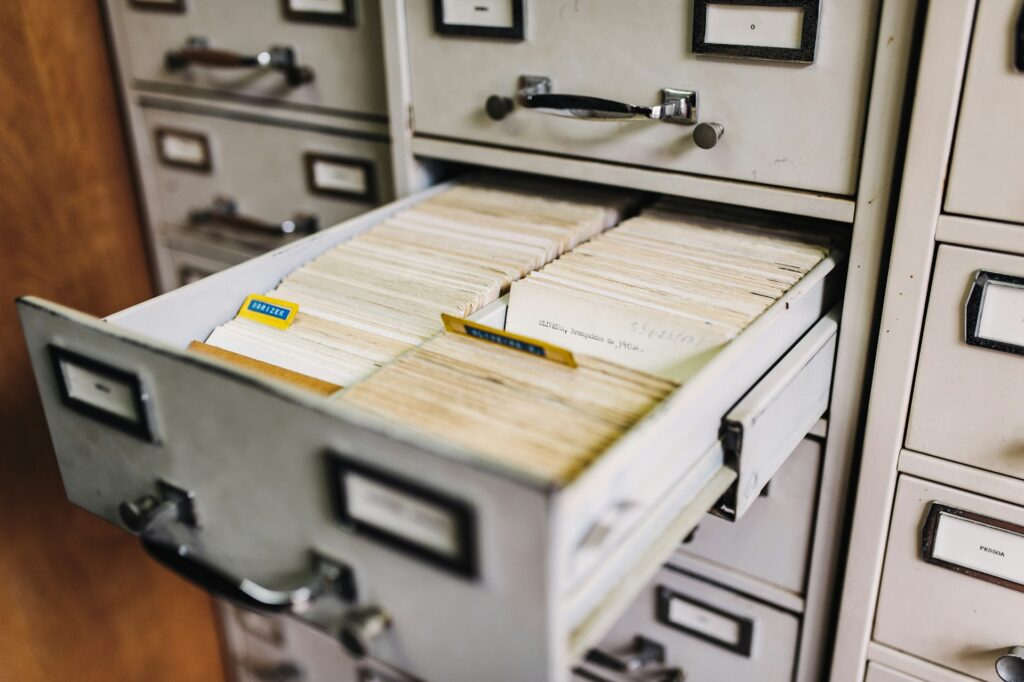
Genealogy tools are also being used in criminal investigations.
In a case tied to Lake Michigan, authorities identified remains found in 1988 as Dorothy Glanton, who had been missing since 1987. Investigators used DNA matching and family tree reconstruction to confirm her identity.
According to the report, investigators “assembled a family tree using DNA profiles” to reach the conclusion.
The case reflects a broader trend. Genetic genealogy—once used mainly for ancestry research—is now a standard tool in cold case investigations.
Digital Archives Expand Access to Underrepresented Histories

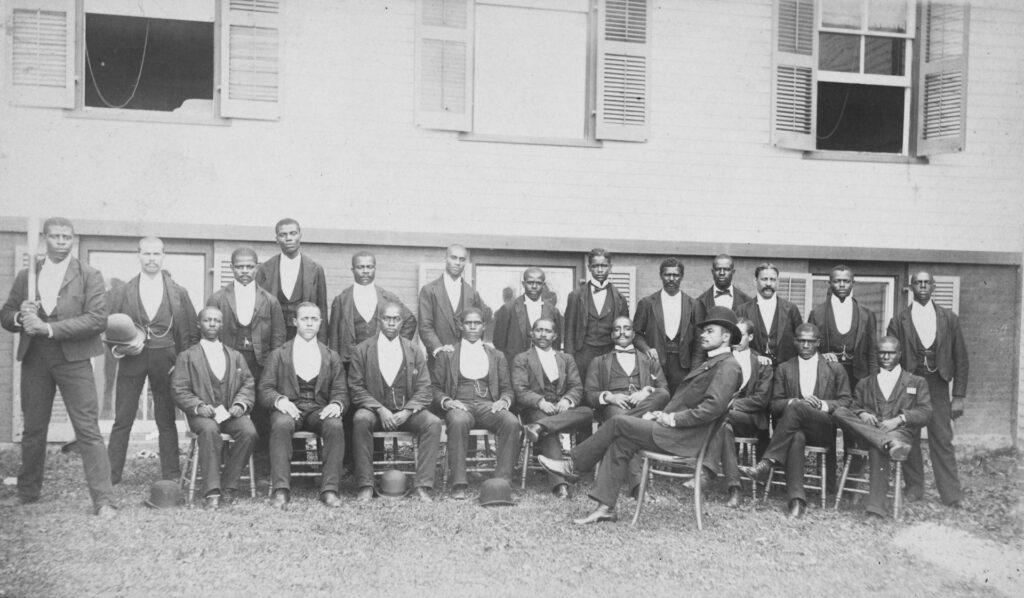
At the same time, new digital projects are reshaping how historical records are preserved and accessed.
One example is the Old Settlers Reunion digital museum, which documents African American homesteaders in central Michigan. The project includes cemetery records, family histories, and archival documents that have traditionally been difficult to locate.
The initiative has gained national recognition, including inclusion in the Library of Congress Web Archive.
For many families, particularly those tracing African American ancestry, these types of projects help fill longstanding gaps in historical records.
New Research Facilities Strengthen Local Archives
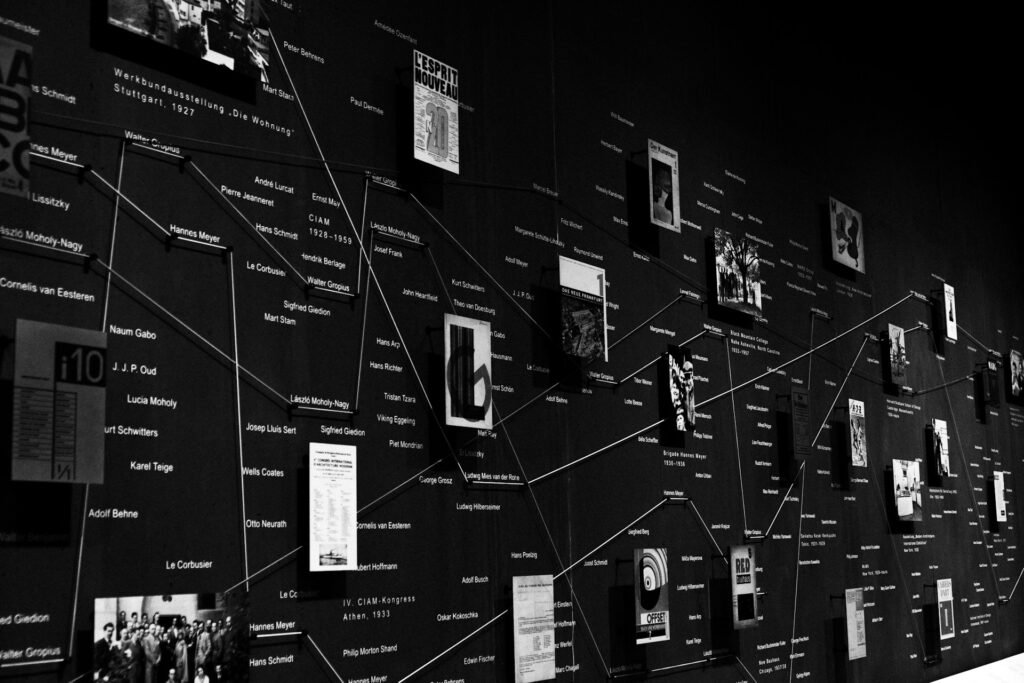
Physical archives remain essential, especially for records that have not been digitized.
In Benzie County, a new archive wing at the Archibald Jones Historic Research Center is nearing completion. The facility will house more than 30,000 artifacts and provide expanded access for researchers.
Local archives often contain unique materials—such as handwritten records, local newspapers, and property documents—that are not available online.
Genealogy Drives Local Tourism and Community Interest


Communities are also linking genealogy and local history to tourism.
In Ludington, a nomination for Best Historic Small Town in 2026 is tied in part to projects that promote historical landmarks and walking tours. These efforts attract visitors interested in tracing family roots and learning about regional history.
This approach reflects a broader strategy: using local history as both a cultural asset and an economic driver.
Grassroots Programs Keep Research Accessible
Despite advances in technology, local historical societies remain a key entry point for genealogy research.
Near Big Rapids in Remus, the local historical society has launched workshops and public research stations, offering access to tools such as FamilySearch and Find-A-Grave.
These programs provide hands-on support, particularly for older residents and beginners who may not be familiar with digital tools.
A Shift in How Michigan Genealogy Research Preserves Its Past
Taken together, these developments point to a clear trend.
Genealogy in Michigan is becoming:
- Faster, due to improved access to official records
- More precisely, through DNA technology
- More inclusive, with expanded digital archives
- More visible, as communities tie history to tourism
The result is a broader, more accessible record of Michigan’s past—one that continues to evolve as new tools and policies reshape how history is documented and shared.