



Fascinating Loosemore Point Legend – The Driftwood Castle and “Indian Gold” Myth in Michigan’s Thumb
We examine a local legend of Indian gold and a hermit who made a castle at Loosemore point near the tip of Michigan’s Thumb.
Continue reading
This tag hints at articles and stories about Michigan history and the Michigan Thumb region. Michigan was part of the Northwest territory, and starting in 1815, the fur trade and influx of settlers and land speculators began.
By the time Michigan became a state in 1838, much of the southern third was already cris-crossed with improved Indian trails and initial roads. In a few short years, the lumbering era would begin, followed by the agriculture growth resulting from the cleared land.
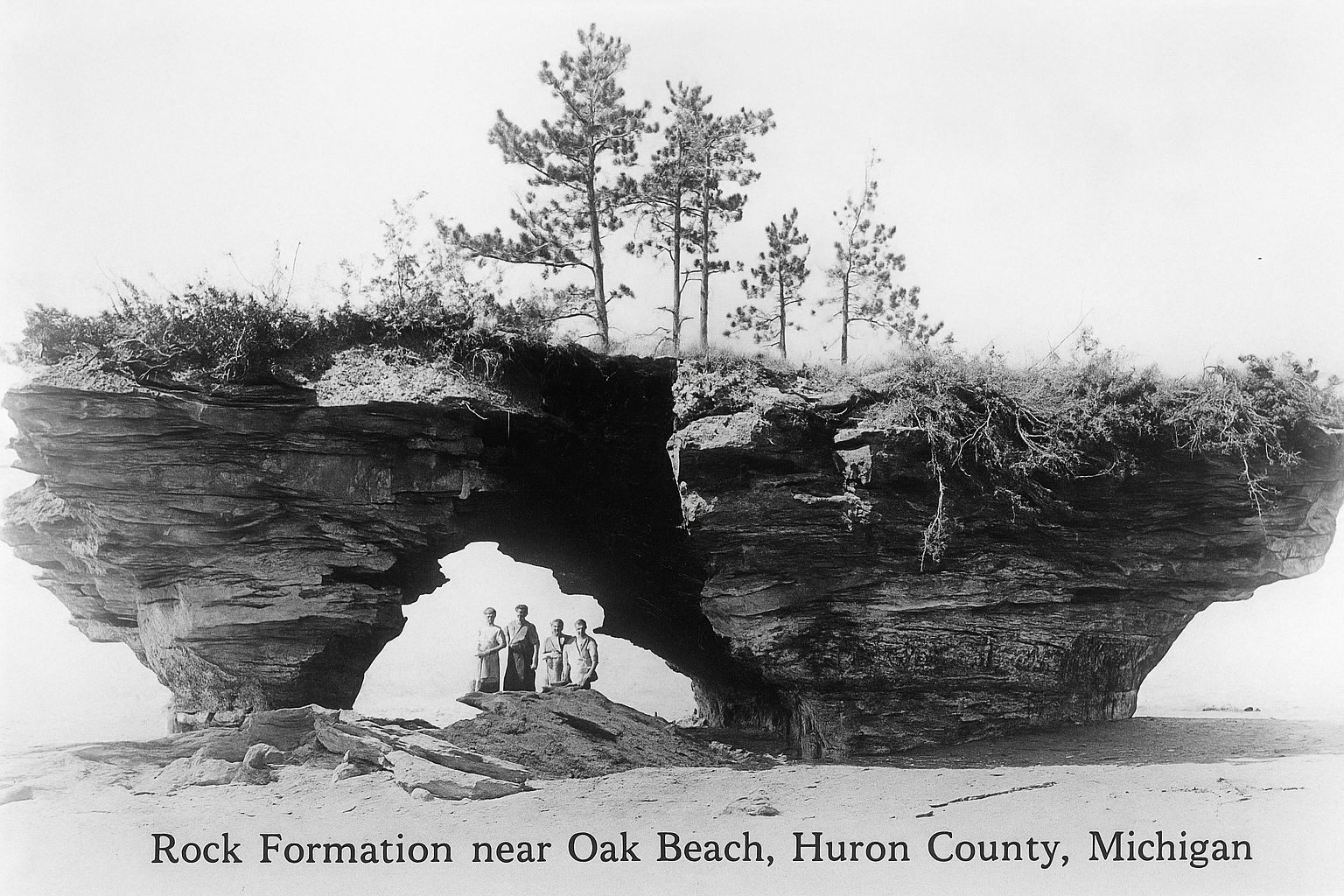
We examine a local legend of Indian gold and a hermit who made a castle at Loosemore point near the tip of Michigan’s Thumb.
Continue reading
Defunct Michigan automakers once filled Detroit, Lansing and Kalamazoo with factories, jobs and big promises. This feature profiles Packard, Hudson, AMC, REO, Hupmobile, Detroit Electric and Checker, and explains how each tried to stand against the Big Three before finally closing the doors.
Continue reading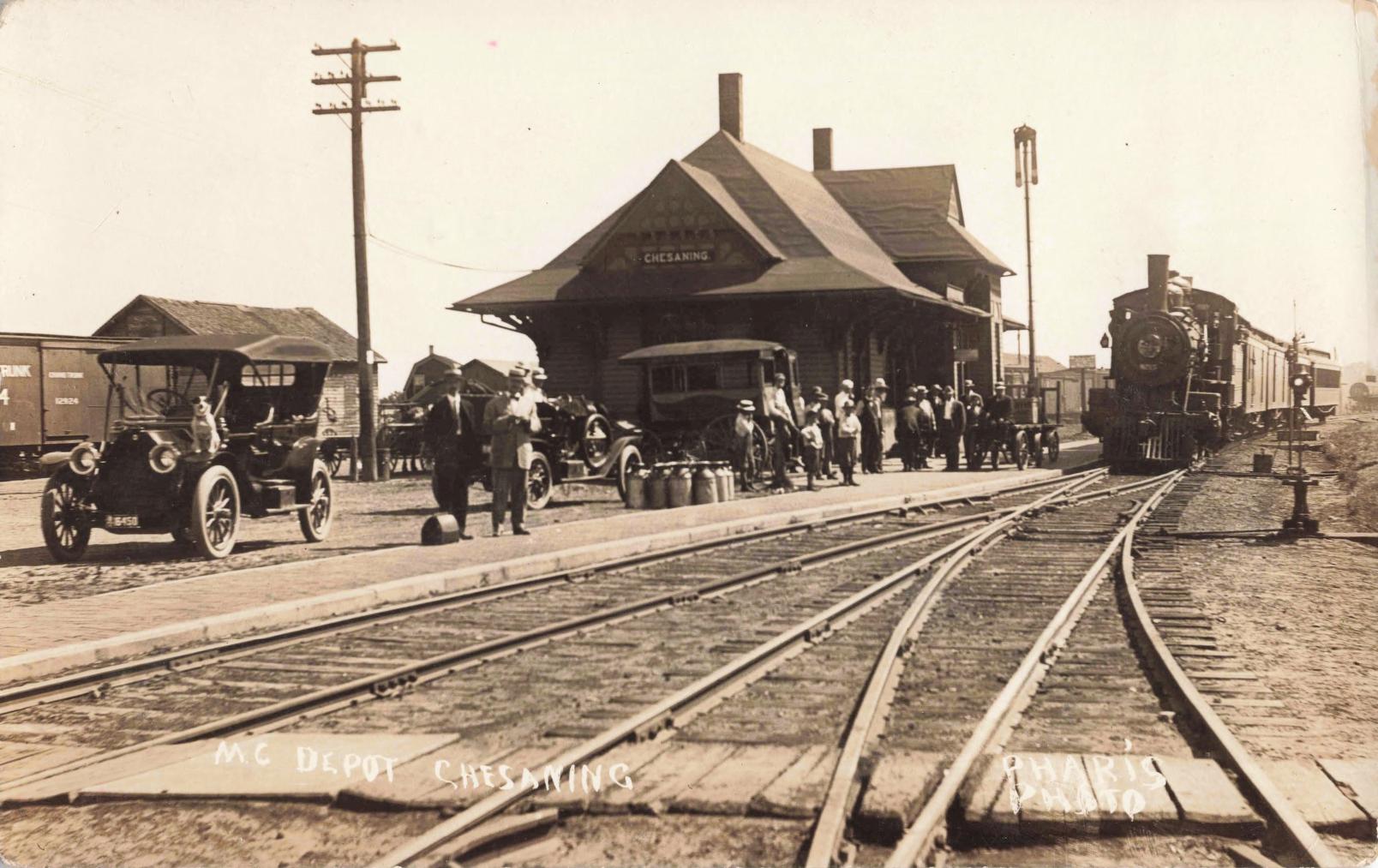
Chesaning grew along the Shiawassee with mills, farms, rail service, and Main Street parades. See how a Chippewa place-name and early industry shaped a Michigan river town between 1900 and 1930.
Continue reading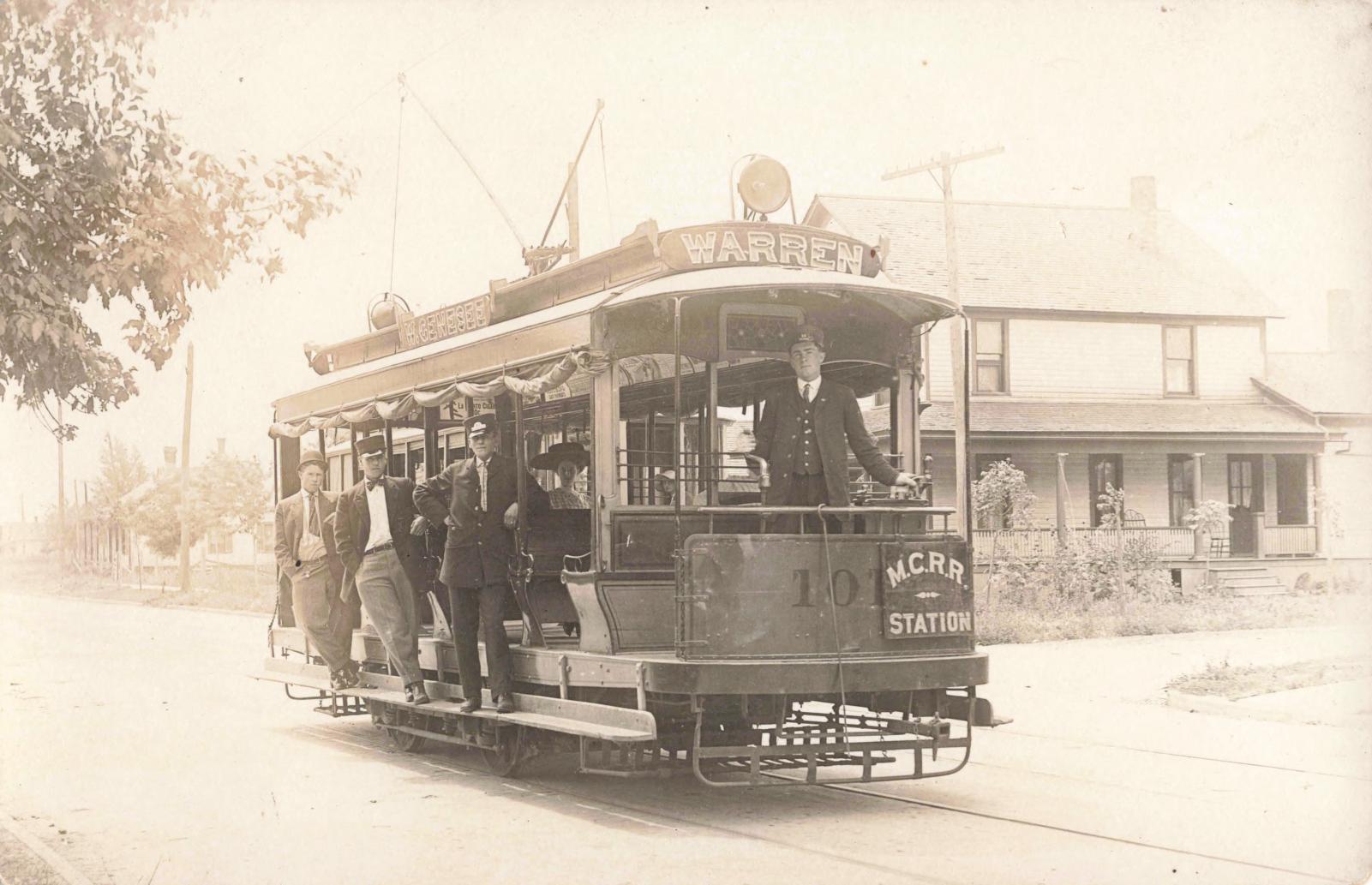
See how a river, a merger, and a shift from lumber to factories shaped Saginaw, Michigan. Bridges, phones, and the Hoyt Library mark a city learning new trades—and planning for the next season.
Continue reading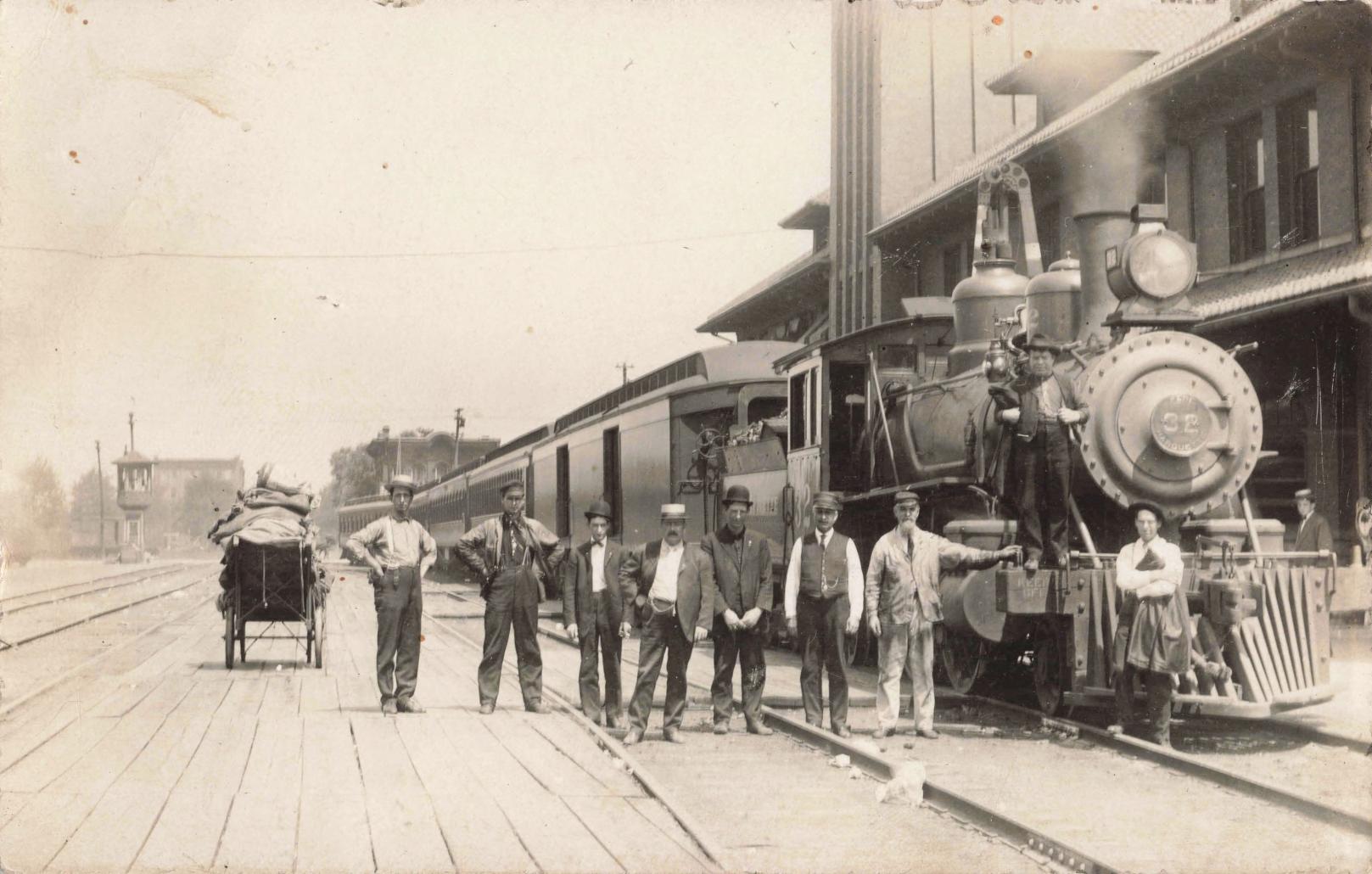
Bay City’s story runs with the Saginaw River. After lumber waned, shipyards, cranes, sugar, and catalog homes drove growth. Fires reshaped downtown. Wenonah Park became the front door on the water.
Continue reading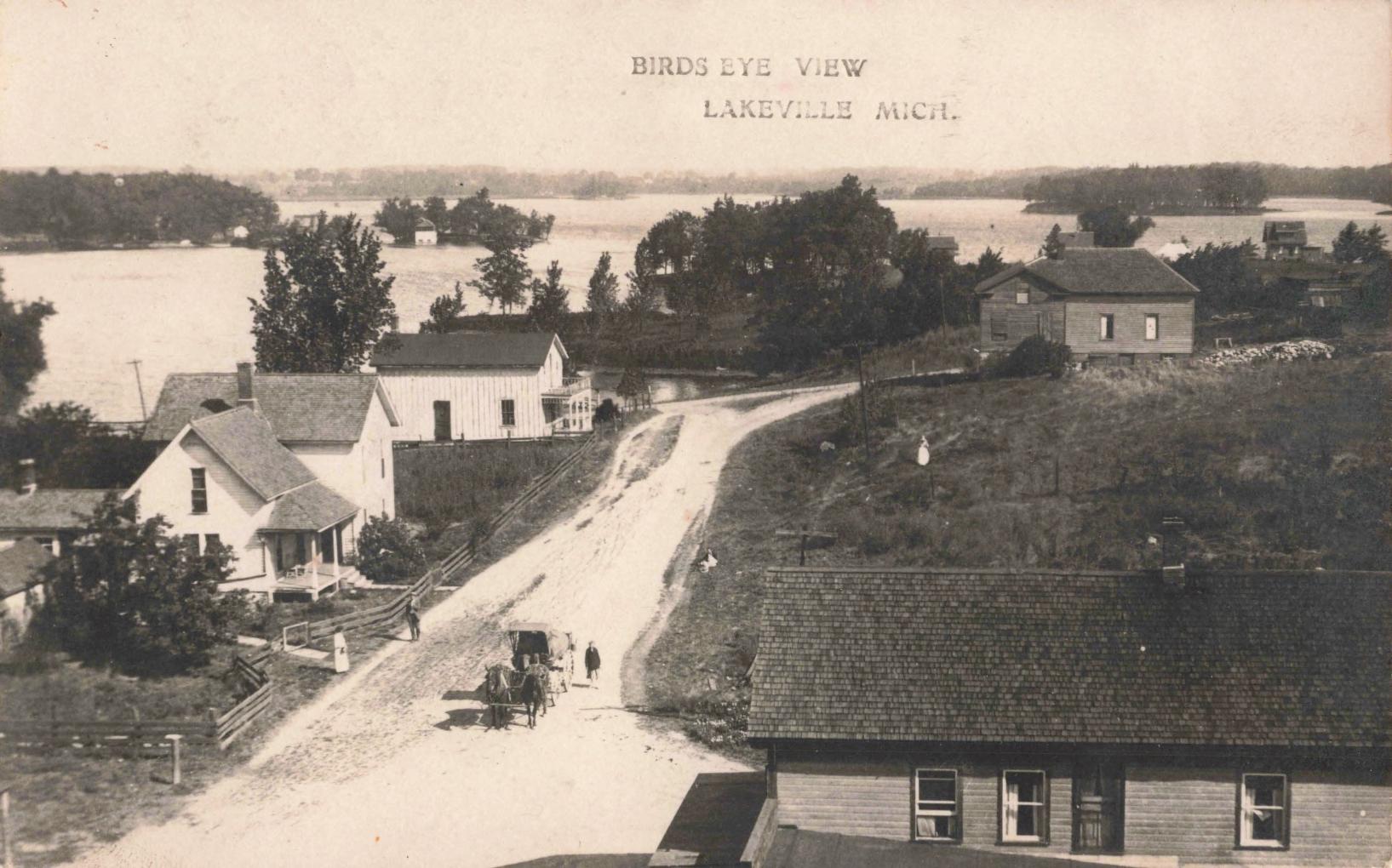
Lakeville Michigan history unfolds through rare photos. See how this Oakland County village shifted from mills to summer cottages, Echo Grove Camp, and lakeside tourism.
Continue reading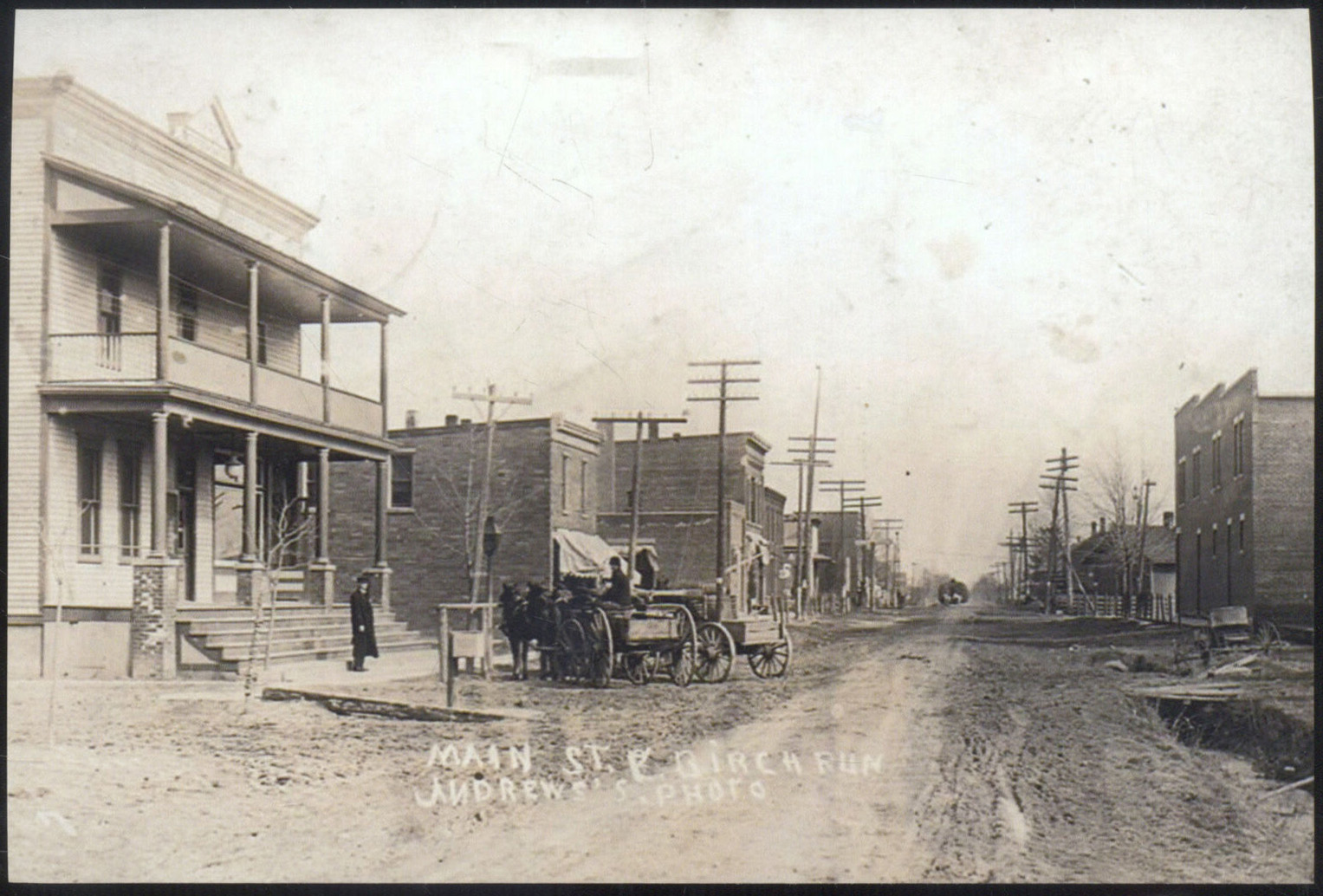
In the early 1900s, Birch Run, Michigan, transformed from a quiet rail stop into a bustling small town. The Pere Marquette line, interurban railway, and Main Street merchants powered its rise.
Continue reading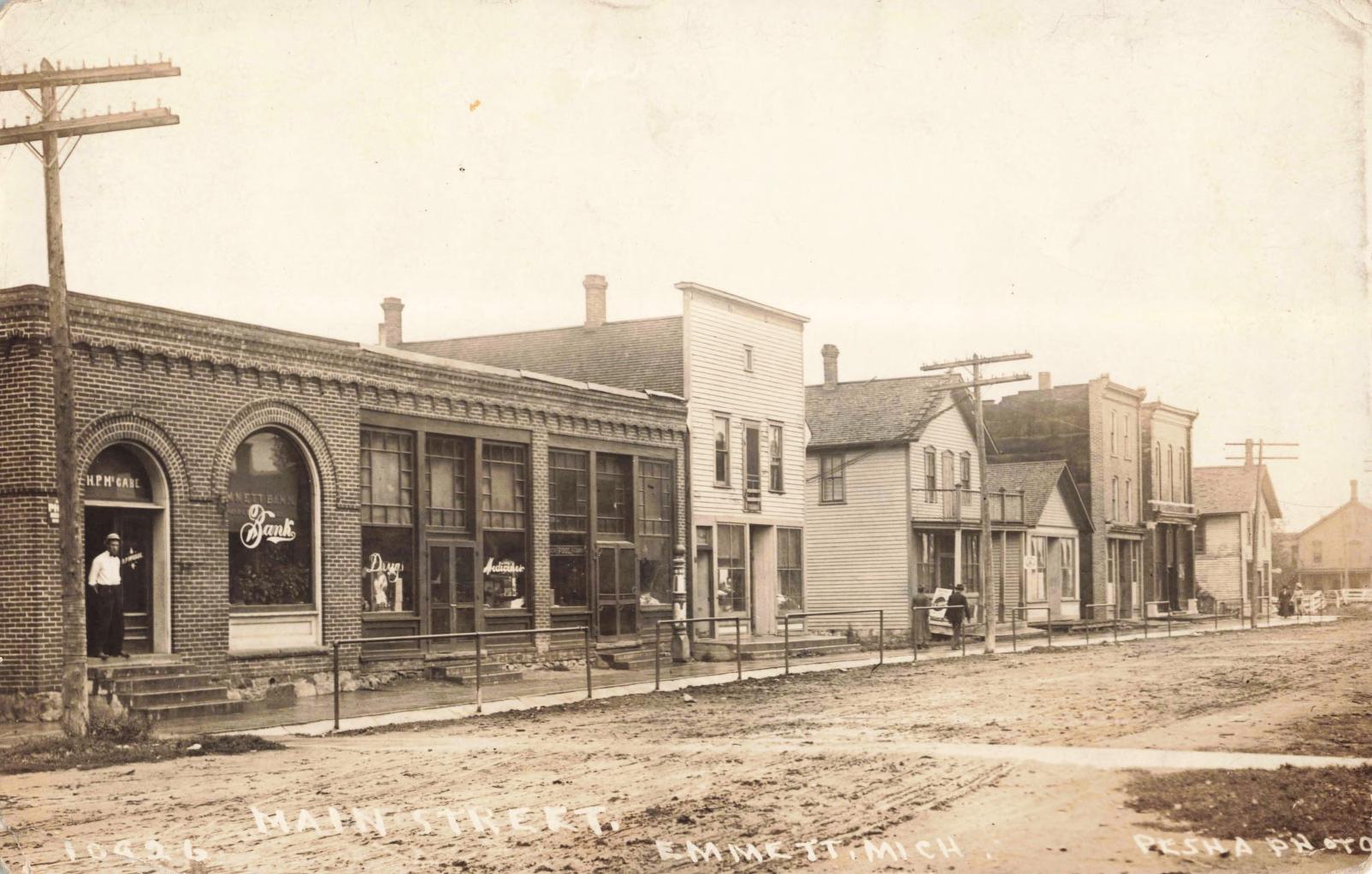
Explore the history of Emmett, Michigan — a railroad village born in the 1850s and shaped by faith, farming, and the Grand Trunk Railway. Discover how this small town grew into a symbol of rural Michigan life.
Continue reading
The Wallace Roller Mill was built in 1887 on the shore of Lake Huron. The mill was the first in the area to diversify from grindstone quarry and milling operations.
The stone structure stands today providing four vacation condos.
Continue reading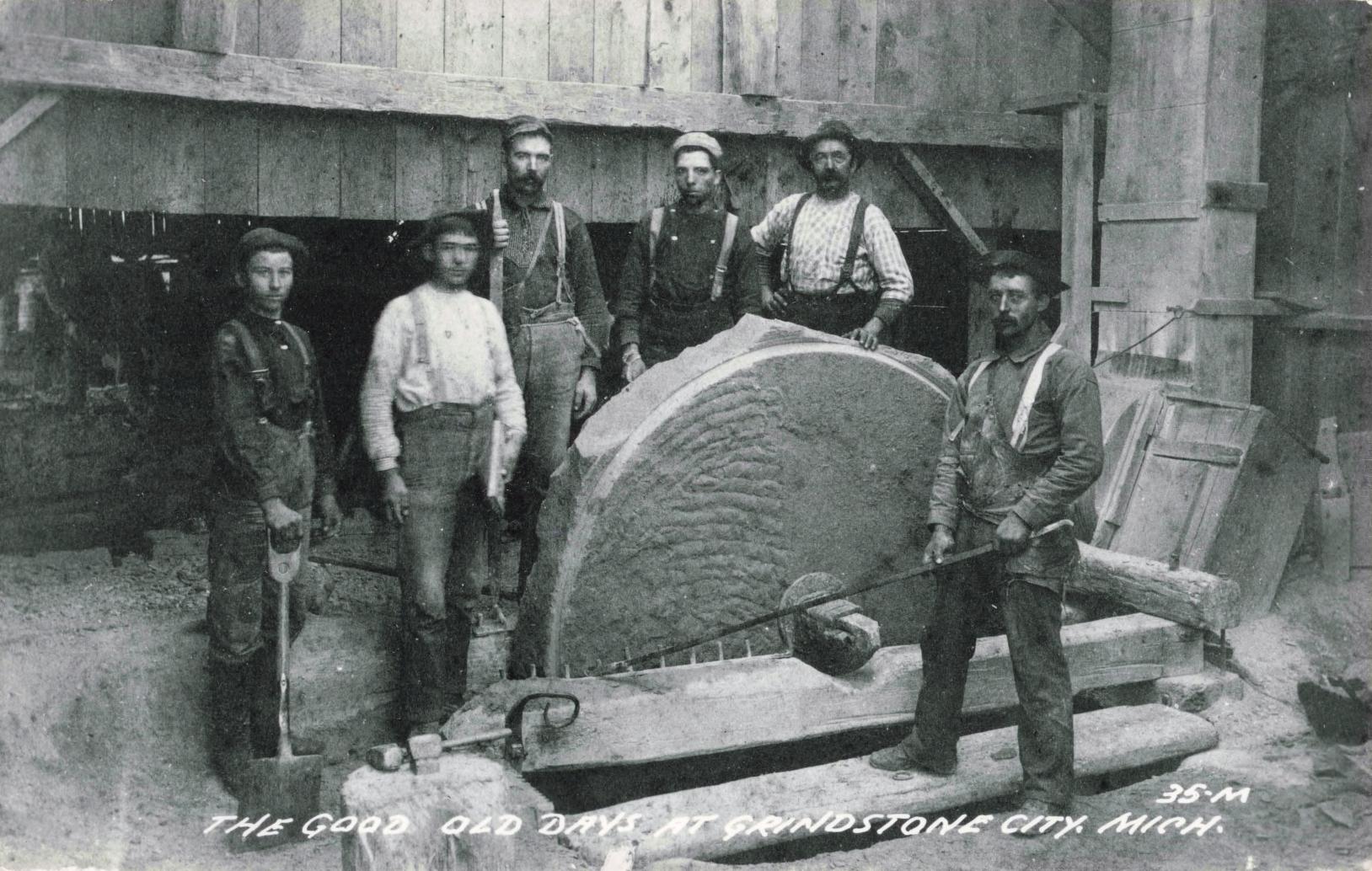
The Grindstone City Quarry powered a small Michigan town that shipped grindstones across the world. This straight-ahead story explains how it grew, why demand collapsed, and what visitors can still see on Lake Huron. A sharp look at a boom and a bust.
Continue reading


