


After 84 Years, WWII Soldier Louis F. Berendt Returns Home to Cass City for Burial With Military Honors
Army Sgt. Louis F. Berendt survived the Bataan Death March but died in a Japanese prison camp in 1942. His remains were finally identified in April.
CASS CITY, Mich. — More than eight decades after dying in a Japanese prisoner-of-war camp during World War II, Army Sgt. Louis F. Berendt has finally returned to Michigan for burial.
Berendt, 25, died in October 1942 while imprisoned at the notorious Cabanatuan camp in the Philippines. His remains were among hundreds of American war dead that could not be identified after the conflict.
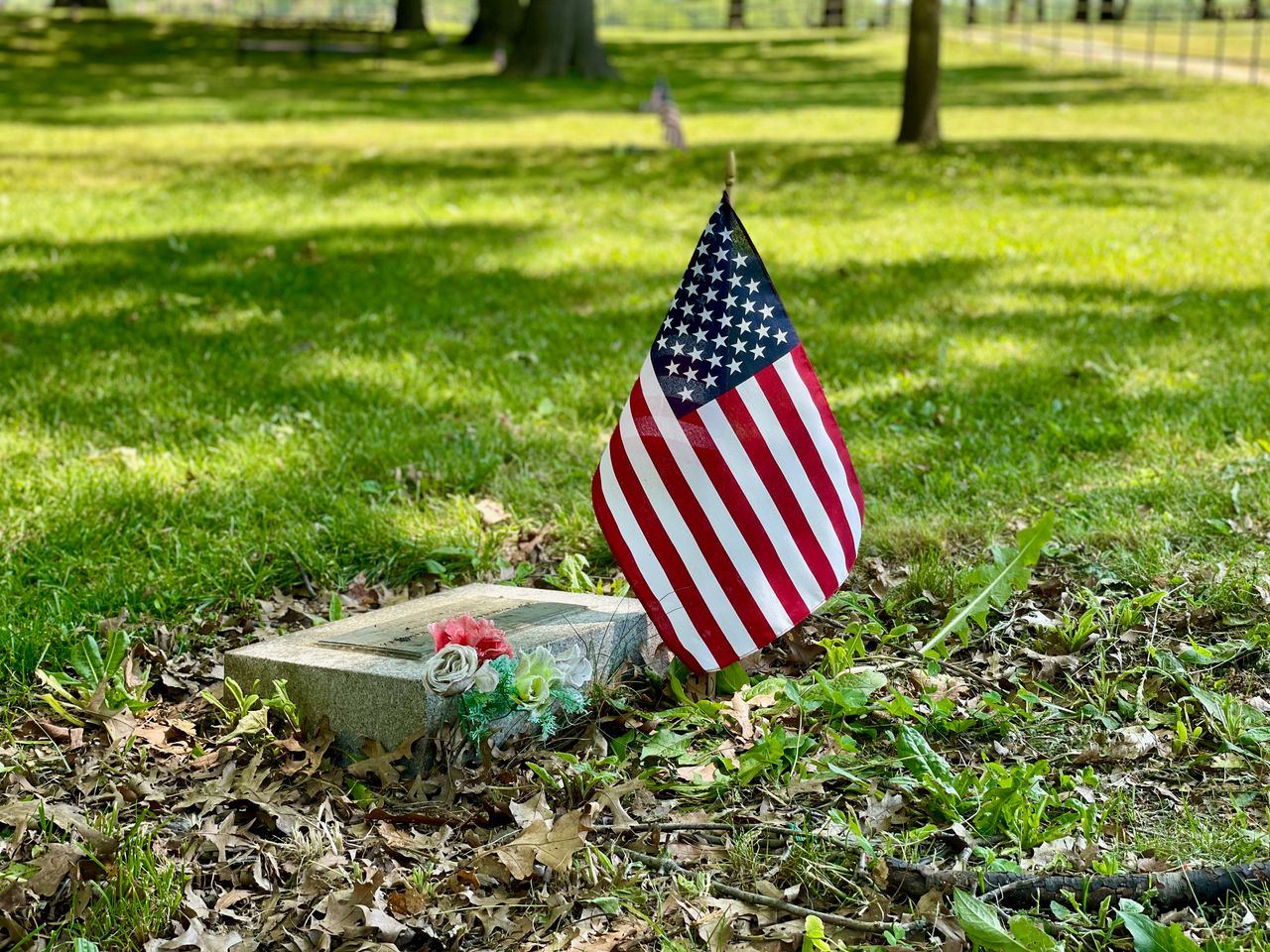
On Friday, Nov. 6, 2026, his family and community gathered in Cass City for a funeral followed by burial at Novesta Township Cemetery with full military honors. The service came just days before Veterans Day, bringing a long-delayed conclusion to the story of a Michigan soldier who began more than 84 years ago.

From the Bataan Death March to a Prison Camp
Born Sept. 30, 1917, Berendt served with the U.S. Army’s 31st Infantry Regiment in the Philippines when the United States entered World War II. After American and Filipino forces surrendered the Bataan Peninsula on April 9, 1942, Japanese troops forced thousands of captured soldiers on a brutal march across Luzon.
The Bataan Death March became one of the war’s most infamous atrocities. Prisoners endured extreme heat, starvation, exhaustion and violence. Thousands died during the forced transfer.
Berendt survived the march but was eventually imprisoned at Cabanatuan, where conditions were often deadly. According to the Defense POW/MIA Accounting Agency, the camp held approximately 8,000 American and Filipino prisoners at its peak. Food and water were scarce, while malaria, dysentery and malnutrition spread throughout the crowded facility.
Berendt died that October. His funeral notice attributes his death to dysentery and malnutrition. By the time American forces liberated Cabanatuan in early 1945, approximately 2,800 American prisoners had died there.
An Unknown Soldier for More Than 80 Years
Following the war, American military personnel recovered remains from Cabanatuan’s burial grounds. Some soldiers were identified, but others could not be distinguished because of the conditions surrounding their deaths and burials.
Berendt’s remains were associated with Common Grave 713. Investigators identified two individuals from that burial group, but other remains were eventually interred as unknown soldiers at the Manila American Cemetery. For decades, Berendt remained among the missing Americans whose families had no individually identified remains to bury.
That changed as forensic science advanced.
In 2019, the Defense POW/MIA Accounting Agency exhumed unidentified remains associated with Common Grave 713 and transferred them to its laboratory for scientific examination. Investigators compared laboratory findings with historical records and other evidence.
On April 21, 2026, the agency formally identified one set of remains as those of Sgt. Louis F. Berendt.
Cass City Welcomes a Soldier Home
A funeral service for Berendt was held at 11 a.m. Friday, Nov. 6, at Kranz Funeral Home in Cass City. Brad Speirs of Novesta Church of Christ officiated. Burial followed at Novesta Township Cemetery.
The U.S. Army Honor Guard and Cass City Veterans of Foreign Wars Post 3644 provided military honors. Berendt’s obituary lists surviving relatives, including his nephew, Raymond Berendt of Cass City, and four nieces living in Michigan.
Berendt was posthumously awarded several military decorations, including the Bronze Star Medal with an Oak Leaf Cluster, the Purple Heart, and the Prisoner of War Medal. His name also appears on the Walls of the Missing at the Manila American Cemetery in the Philippines.
The Mission to Identify America’s Missing
Berendt’s identification is part of the federal government’s continuing effort to account for American military personnel missing from past conflicts. The Defense POW/MIA Accounting Agency uses historical research, forensic anthropology, DNA testing, and other scientific methods to identify remains once considered unidentifiable.
The Cabanatuan project is particularly complicated because prisoners were often buried in common graves, sometimes with remains mixed together. For Berendt’s family, the identification meant that a relative lost during World War II could finally receive an individual burial in Michigan.
His return also carries a broader Veterans Day message.
More than 84 years after his death, Berendt’s military service has been formally recognized with a final resting place in Cass City, near the family and community that remembered him.

