


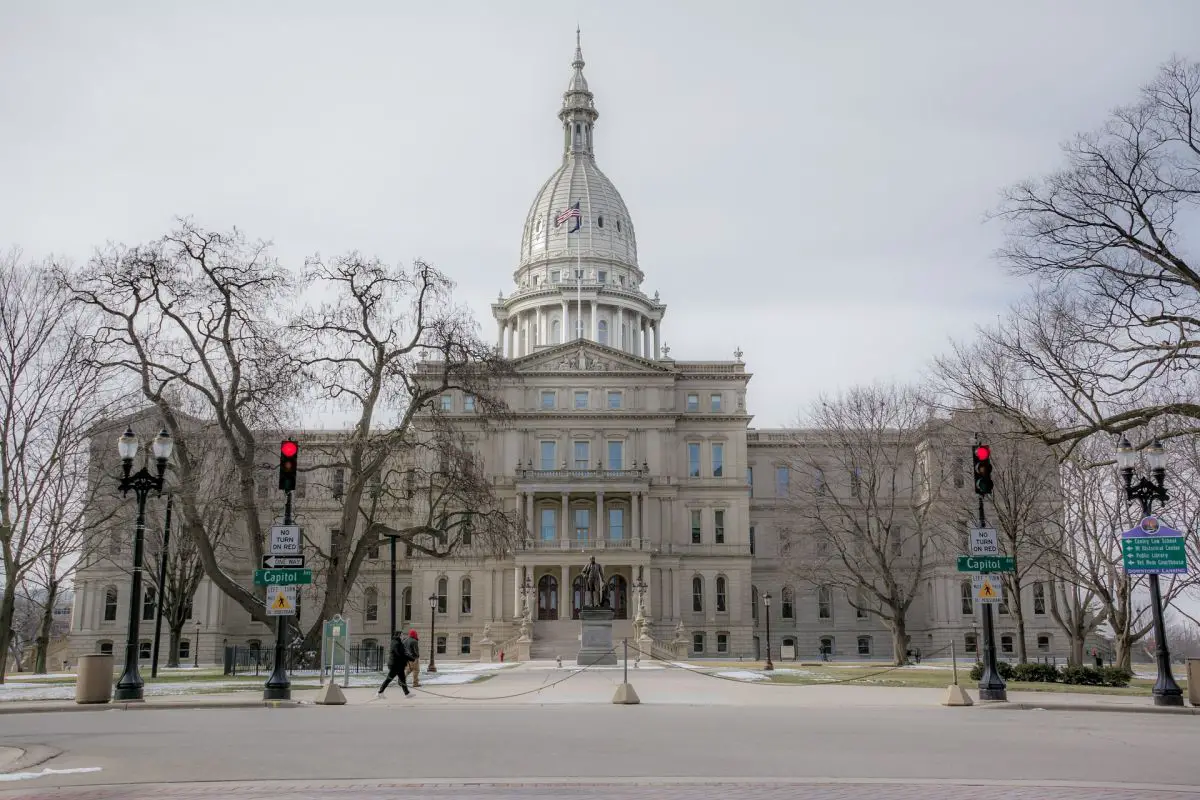
Michigan Constitutional Convention: 612 Historic Recordings Return as Voters Face a Major 2026 Decision
LANSING, Mich. — More than six decades ago, Michigan delegates gathered in Lansing and argued over how their state should be governed. They debated education, civil rights, elections, local government and the powers of state officials.
The Michigan Constitutional Convention of 1961-62 produced the state constitution that still governs Michigan more than six decades later.
Much of what they said was captured on magnetic tape.
Now the Archives of Michigan is working to bring those voices back into public reach at an unusually timely moment. Michigan voters will decide in November whether the state should call another constitutional convention.
The Archives received a $50,000 preservation grant to digitize 612 magnetic audio reels and two 16mm films documenting Michigan’s 1961-62 Constitutional Convention. The project also includes photographs, transcripts and other supporting records. State officials said the completed collection is expected to be available through Michiganology in August 2026.
The timing is striking.
On Nov. 3, 2026, Michigan voters are scheduled to see Proposal 2026-01, asking whether the state’s constitution should undergo a general revision through a constitutional convention. The question appears automatically because Article XII, Section 3 of Michigan’s Constitution requires it to be submitted to voters every 16 years.
Michigan is preserving the record of its last constitutional convention just as voters consider whether there should be another.
A Constitution Built in Lansing

Michigan has operated under four constitutions — those adopted in 1835, 1850, 1908 and 1963. The current document grew out of mounting pressure to replace the 1908 Constitution, which had been amended repeatedly as Michigan changed from a largely agricultural state into an industrial powerhouse.
Four efforts to call a convention failed before Michigan voters finally approved one on April 3, 1961.
Delegates were elected that summer. A total of 144 delegates representing state House and Senate districts gathered at Convention Hall in Lansing beginning Oct. 3, 1961.
Among them were future political leaders and prominent Michigan figures.
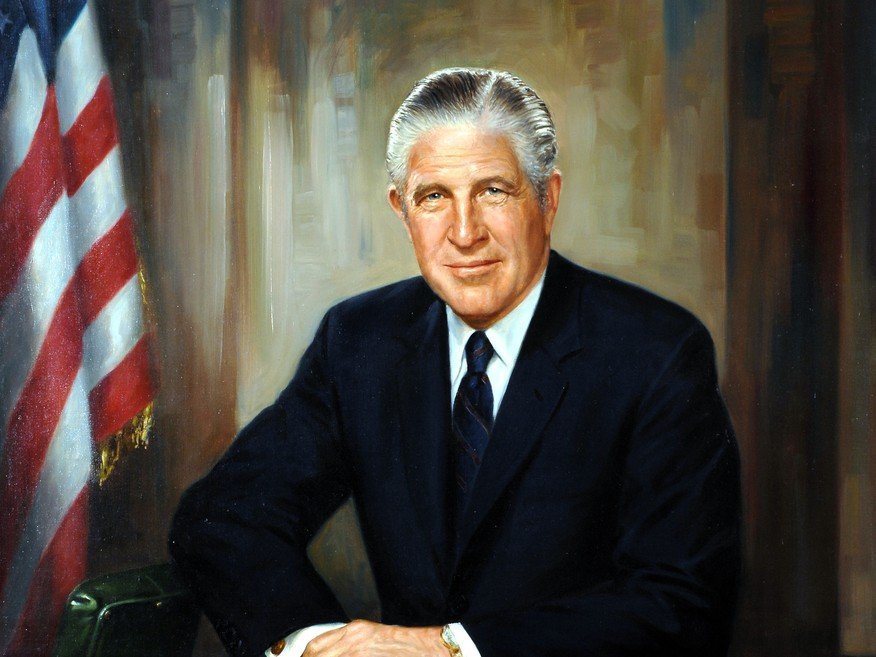
George Romney, then president of American Motors Corp., served as a convention vice president. He would be elected governor in 1962. University of Michigan President John Hannah also served as a delegate.
Eastern Michigan had a seat at the table as well.
Vera Andrus of Port Huron, a Republican representing the St. Clair district, was among the women elected to the convention. Women had not served as delegates at Michigan’s previous constitutional conventions. The 1961-62 gathering also marked the first participation by Black delegates.
The convention was not merely ceremonial.
Delegates worked for months through committees, hearings, proposals, and floor debates. The Library of Michigan’s surviving collection includes daily journals, committee reports, delegate proposals, hearing records, newsletters, research documents, and the convention’s official record.
The newly preserved recordings add something those paper records cannot fully provide: the voices of the people doing the arguing.
Michigan Constitutional Convention Records Are Being Digitized

The recordings survived, but playing them presents a problem.
Magnetic audio tape deteriorates with age, and obsolete recording formats can become difficult or dangerous to play without damaging the original media.
The Council on Library and Information Resources awarded the Archives of Michigan $50,000 through its Recordings at Risk program. The program supports the preservation of rare audio and audiovisual collections that face deterioration or becoming technologically obsolete.
Michigan’s collection includes recordings of general sessions, committee meetings, and interviews with delegates, according to the grant program.
Until the preservation work was completed, the Archives could not provide broad public access to the recordings without risking damage to them.
State Archivist Mark Harvey said that, when the grant was announced, the reels were particularly delicate and that digitization would preserve the material while allowing future public access.
The project goes beyond converting old tapes into audio files.
The plan calls for the recordings to be accompanied by transcripts and digitized photographs, creating a searchable historical record that researchers, journalists, teachers and the public can use online.
The Convention Was Political
It is easy, 64 years later, to view the 1961 convention as a gathering of statesmen calmly writing constitutional law.
The Michigan Constitutional Convention was not simply a ceremonial gathering.
The final proposed constitution passed the convention 98-43 on Aug. 1, 1962. According to the Michigan Legislature’s historical account, 93 Republicans and five Democrats supported it. Forty Democrats and three Republicans opposed it.
Then the fight moved to Michigan voters.
The proposed constitution went before the electorate on April 1, 1963.
It barely passed.
After a recount, the official result was 810,860 votes in favor and 803,436 against — a difference of just 7,424 votes out of more than 1.6 million cast. The Constitution took effect Jan. 1, 1964.
That narrow margin is an important reminder as Michigan approaches the 2026 vote.
Constitutional revision is not simply a legal exercise. It can become a major political fight over how government should work and who should hold power.
What the 1963 Constitution Changed
The convention produced Michigan’s fundamental governing document.
It reorganized the state government and established constitutional provisions affecting education, civil rights, elections, local government, and the judiciary.
The Council on Library and Information Resources points specifically to the convention’s work on public education, civil rights, and formal abolition of the death penalty as significant features of the resulting constitution.
The document also established the system that brings the constitutional convention question back before Michigan voters.
Article XII requires the question of a general constitutional revision to appear every 16 years. If a majority votes yes, Michigan would elect convention delegates from each state representative and state Senate district. Those delegates would then meet in Lansing to consider a new constitution or revisions to the existing one.
Any proposed constitution or amendments produced by the convention would still have to go before Michigan voters for final approval.
Michigan Faces the Question Again
The Michigan Department of State confirmed in July that the constitutional convention question will appear on the Nov. 3 statewide ballot as Proposal 2026-01.
Unlike citizen-initiated constitutional amendments, the proposal does not need petitions to qualify for the ballot. It appears because the Constitution itself requires the vote.
That makes the newly digitized records more than an archival curiosity.
They offer voters a chance to hear what happened the last time Michigan attempted a comprehensive rewrite of its governing document.
The recordings could reveal how delegates negotiated compromises, where partisan disagreements emerged and how questions that sounded pressing in 1961 were ultimately translated into constitutional language that still governs Michigan in 2026.
They could also show just how difficult constitutional revision can be.
The delegates spent roughly 10 months at work. Their final product divided the convention along largely partisan lines and then survived a statewide election by less than half of 1% of the votes cast.
History Arrives in Time for a New Debate
Former President Dwight D. Eisenhower spoke at the convention and told the delegates that “Michigan can lead the way.” The phrase became the title of the Archives’ preservation project.
Whether Michigan should lead the way toward another constitutional convention is now a question for today’s voters.
A new Michigan Constitutional Convention would open questions extending far beyond individual amendments.
The circumstances are different. Michigan’s economy has changed. Its population has shifted. Voting rules have changed. Political divisions have changed, and the Constitution itself has been amended numerous times since it took effect.
But the process written by the delegates of 1961 and 1962 remains.
Every 16 years, Michigan must ask its voters whether the document needs a general revision.
This November, that question returns.
And for the first time, Michigan voters considering the answer may be able to go online and listen to the people who wrestled with the same question more than 60 years ago.

